
Trees
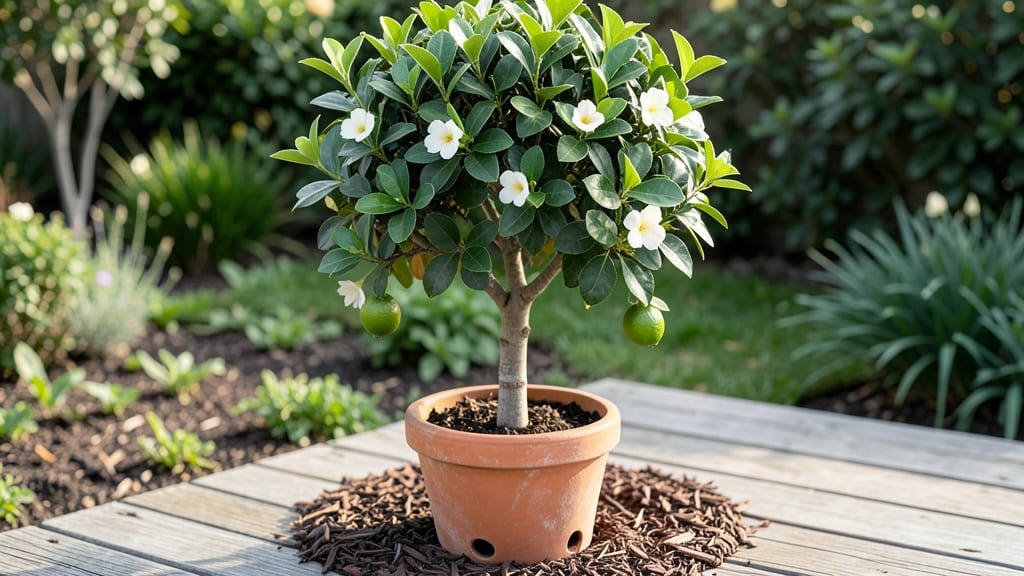
Ultra dwarf fruit trees turn my tiny balcony into a fruit orchard—proof that you don’t need a backyard to grow apples, peaches, or plums. These little powerhouses stay under 6 feet tall, making them perfect for containers, small yards, or even sunny windowsills.
The first time I picked a ripe cherry tomato-sized peach from a pot, I knew I’d never buy store-bought fruit again.
You’ll need just 5 gallons of soil per tree, a spot with 6+ hours of sun daily, and patience—these trees take 2-3 years to bear fruit but reward you with years of harvests afterward. The secret?
Choosing disease-resistant varieties like ‘Patio’ peaches or ‘Columnar’ apples, which grow upright like trees instead of bushy shrubs. Pruning is minimal—just trim back dead wood in late winter—and you’ll avoid the tangled mess of full-sized trees.
Imagine plucking juicy fruit from your patio in July, knowing every bite came from your own hands. The trees thrive in containers with proper drainage, and their compact size means no more fighting branches for space.
Even my neighbor’s skeptical “that’ll never work” turned into envy when my ‘Bonanza’ apple tree produced dozens of tiny apples last summer.
They’re not foolproof—aphids love new growth, and winter protection matters in colder zones—but the payoff makes it worth it. With the right care, these trees outperform their full-sized cousins in small spaces. Ready to grow your own fruit without the yard?
📚 In This Guide
- What you need
- Instructions
- Tips and common mistakes
- Wrapping up and next steps
What you need
- ● Ultra dwarf fruit tree(s) – Choose from varieties like Columnar Apple, Patio Peach, or Miniature Citrus. Buy from reputable nurseries (1-3 trees, depending on space).
- ● Growing containers (if applicable) – 5-gallon pots or larger (minimum 18" diameter for most dwarfs). Ensure pots have drainage holes.
- ● High-quality potting mix – Use a well-draining blend (e.g., 50% potting soil + 50% perlite/compost). Avoid garden soil for containers.
- ● Organic fertilizer – Slow-release granular (e.g., 10-10-10 NPK) or liquid seaweed fertilizer for a nutrient boost.
- ● Mulch – 2-3 inches of wood chips or straw to retain moisture and regulate soil temperature.
- ● Drip irrigation or watering can – Consistent moisture is key for dwarfs (aim for 1-2 inches/week).
- ● Gloves & pruning shears – Sterilized shears for shaping and harvesting.
- ● Trowel or small shovel – For planting and soil amendments.
- ○ Stakes or cages (optional) – Supports for top-heavy trees (e.g., 5-6 ft bamboo stakes).
- ● Sunlight access – 6+ hours of direct sun daily (most dwarfs thrive in full sun).
- ● Cold protection (if needed) – Frost cloth or row covers for tender varieties (e.g., citrus, figs).
- ● 💡 Test your soil – Use a pH test kit (ideal range: 6.0-7.0 for most fruits).
- ● 🌡️ Monitor temperature – Some dwarfs (like Patio Peach) need chill hours (200-500 hrs below 45°F).
- ● 🎯 Pollination help – Hand-pollinate with a paintbrush if bees are scarce (especially for self-pollinating varieties).
Step-by-Step guide to planting and caring for ultra dwarf fruit trees
Here's how to grow productive, space-saving fruit trees that thrive in containers or tight garden spots.
Choose the Right Varieties and Planting Sites
Ultra dwarf fruit trees stay under 4 feet tall, making them perfect for patios, balconies, or small yards. Look for grafted varieties labeled "dwarf" or "columnar"—these are bred for compact growth. Apple, peach, pear, and citrus varieties all work well in this size.
For container growing, select 5-gallon pots with drainage holes. If planting in-ground, choose a location with at least 6 hours of sunlight daily. The soil should drain well—amend heavy clay with 2 inches of compost before planting. Avoid spots where water pools after rain.
Plant at the Correct Depth and Stake for Stability
Dig a hole twice as wide as the root ball but no deeper. The graft union (the bump near the base of the trunk) should sit 1-2 inches above soil level. This prevents root rot and ensures the tree grows upright. If planting in a pot, use fast-draining potting mix with added perlite.
Stake the tree only if needed—ultra dwarfs are top-heavy and may lean in windy spots. Use a 4-foot bamboo stake and tie the trunk loosely with soft fabric strips. Avoid tight ties that can girdle the bark as the tree grows. Water deeply after planting to settle the soil around roots.
Provide Consistent Water and Prune for Shape
Water deeply once a week in the first year, letting the soil dry slightly between waterings. Overhead watering can spread disease, so use a soaker hose or water at the base. In containers, check moisture by sticking your finger 1 inch into the soil—water when it feels dry.
Prune in late winter or early spring to shape the tree and remove dead wood. Cut back one-third of the weakest branches to encourage stronger growth. Ultra dwarfs benefit from an open-center shape, allowing light to reach the center for better fruiting. Use clean, sharp pruners to avoid tearing bark.
Fertilize and Protect for Long-Term Health
Apply a balanced, slow-release fertilizer (10-10-10) in early spring and again in midsummer. Follow package instructions—over-fertilizing can burn roots. For container trees, use half the recommended dose to prevent salt buildup. Mulch around the base with 2 inches of organic mulch to retain moisture and regulate soil temperature.
Watch for pests like aphids or spider mites, which thrive in dry conditions. Spray with neem oil if you spot infestations. In colder climates, wrap the trunk with tree wrap in winter to prevent sunscald. Ultra dwarfs are hardy but still need protection from extreme cold or heat.
Harvest and Maintain for Future Seasons
Fruit will appear in 2-3 years, depending on the variety. Harvest when fruit is fully colored and slightly soft to the touch. Citrus and stone fruits ripen quickly—check daily in peak season. Use a small pruning saw for larger branches or simply twist small fruits from the stem.
After harvest, prune again to remove any dead or diseased branches. Thin next year’s fruit buds in late winter to improve size and quality. With proper care, your ultra dwarf tree can produce years of compact harvests in minimal space.
Tips & tricks for perfect ultra dwarf fruit trees
Here's what nobody tells you about growing these space-saving powerhouses—details that make all the difference between a struggling sapling and a thriving fruit producer.
Variety Selection Matters: When choosing your ultra dwarf, pay close attention to the rootstock description. Trees grafted onto "M.9" rootstock mature fastest (producing fruit in 2-3 years), while "B.9" rootstock takes slightly longer but yields larger fruit. For containers, look for varieties labeled "columnar"—their upright growth habit maximizes vertical space without sacrificing yield.
Container Care Considerations: If planting in a 5-gallon pot, upgrade to a 7- or 10-gallon container as the tree matures—root growth will quickly outpace that small space. For container trees, mix your fast-draining potting soil with 20% perlite or vermiculite to prevent compaction. I've seen trees in standard potting mix develop root rot within months because the soil didn't breathe properly.
Pruning Precision: When you cut back one-third of the weakest branches in Step 3, focus on branches growing inward or crossing others. These compete for sunlight and nutrients, reducing overall fruit quality. Make cuts just above an outward-facing bud at a 45-degree angle—this encourages new growth in the right direction. Always sterilize your pruners with rubbing alcohol between cuts to prevent disease spread.
Fertilizer Timing: The spring and midsummer application schedule works best because it aligns with the tree's natural growth cycles. In spring, roots are actively growing and can absorb nutrients efficiently. In midsummer, the tree needs strength for next year's fruit buds. For container trees, I reduce the dose to half-strength because nutrients concentrate more quickly in limited soil volumes.
Pro Tips for Ultra Dwarf Fruit Trees
- Here's what nobody tells you about growing these space-saving powerhouses—details that make all the difference between a struggling sapling and a thriving fruit producer.
- Variety Selection Matters: When choosing your ultra dwarf, pay close attention to the rootstock description.
- Container Care Considerations: If planting in a 5-gallon pot, upgrade to a 7- or 10-gallon container as the tree matures—root growth will quickly outpace that small space.
Frequently asked questions
Got questions about ultra dwarf fruit trees? You’re not alone! Here are some of the most common concerns—and their answers—to help you grow with confidence.
How quickly can I expect fruit from an ultra dwarf tree?
Most ultra dwarf fruit trees bear fruit within 1-3 years after planting, depending on the variety and care. Dwarf citrus, for example, may produce fruit in as little as 1-2 years, while apples or peaches might take a bit longer. Patience pays off—just ensure they get full sun and consistent watering!
Can ultra dwarf trees thrive in containers or do they need ground planting?
Ultra dwarf trees are perfect for containers—they’re bred to handle confined spaces. Use a pot at least 12-18 inches wide and deep, with drainage holes, and repot every 2-3 years. Just ensure the container stays stable (wind can topple small pots) and use a high-quality potting mix.
How do I protect my ultra dwarf tree in winter?
Cold-hardy varieties (like dwarf apples or pears) tolerate light frosts, but tender types (citrus, figs) need extra care. Mulch the base with straw or bark, wrap the trunk in burlap, and move potted trees to a sheltered spot (garage or under eaves). Avoid fertilizing in late fall—let the tree rest!
What pests or diseases should I watch for, and how do I prevent them?
Common issues include aphids, spider mites, and fungal diseases like powdery mildew. Prevent pests with neem oil sprays, prune for airflow, and avoid overhead watering. Check leaves regularly—early action keeps your tree thriving! For severe infestations, insecticidal soap or horticultural oil works well.
Can I grow multiple ultra dwarf trees together, or do they need space?
While they’re compact, space them 3-6 feet apart for airflow and pollination (unless self-pollinating). If growing in containers, place them close but ensure each has enough light. Bonus tip: Pair complementary varieties (e.g., a dwarf apple and a dwarf pear) to improve fruit set!
Wrapping up and next steps
Ultra dwarf fruit trees are a game-changer for small gardens, balconies, and urban spaces—proving that big harvests don’t require big yards! 🌱 With the right care, these compact varieties deliver delicious, fresh fruit while saving space and effort. Whether you're a beginner or a seasoned gardener, now’s the perfect time to plant and enjoy the rewards.
Ready to grow? Start by choosing your favorite variety, gathering your supplies, and giving your new tree the love it deserves. Happy planting—your future fruit snacks await! 🍎🍓