
Pruning
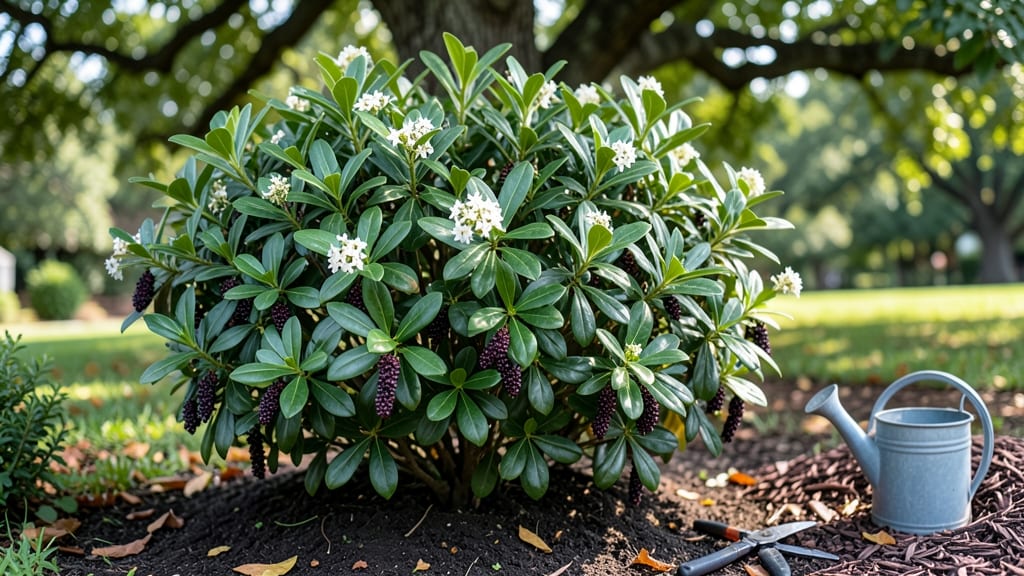
Pruning a Texas privet tree (Forestiera pubescens) in the Pacific Northwest isn’t just about keeping it tidy—it’s about crafting a frost-resistant shape that thrives through our damp winters. 🌿 I’ve learned the hard way that aggressive cuts in late winter can stress these tough little trees, so timing and technique matter more than most gardeners realize.
The key is shaping them just as new growth begins, when they’re primed to heal without inviting disease.
You’ll need sharp pruning shears, a ladder (for taller branches), and a clear morning to work—cloudy days reduce stress on the tree. Focus on removing dead wood first, then thin out crowded branches to improve airflow, which is especially critical in our region’s damp climate.
The goal isn’t perfection; it’s creating an open structure that lets sunlight reach all parts of the tree, encouraging stronger growth and better frost resilience.
What you’ll end up with is a tree that looks intentional, not hacked—one that handles our cold snaps better and produces those signature dark green leaves and clusters of tiny white flowers. The best part?
Once you establish the right shape, maintenance pruning becomes a quick 15-minute job each year. Think of it as winterizing your tree the smart way, so it comes back stronger every spring.
This method works for both young trees and mature specimens, whether you’re shaping a hedge or a single specimen. The same principles apply to other frost-sensitive natives like elderberry or serviceberry, so you’re learning a skill that pays off across your landscape.
Ready to transform that ragged privet into a Northwest showstopper?
📚 In This Guide
- What you need
- Instructions
- Tips and common mistakes
- Wrapping up and next steps
What you need
- ● Pruning shears: Bypass pruners (for cuts up to ½ inch in diameter) – 1 pair.
- ● Loppers: For cuts between ½ inch and 2 inches – 1 pair.
- ● Pruning saw: For larger branches (2+ inches) – 1 saw.
- ● Gloves: Heavy-duty, cut-resistant gloves – 1 pair.
- ● Disinfectant: 70% isopropyl alcohol or a pruning sealant – small bottle.
- ● Ladder: Sturdy, extendable ladder (if tree is over 6 feet tall) – 1.
- ● Tarp or drop cloth: To collect debris – 1 medium-sized.
- ● Rake or broom: For cleanup – 1.
- ● Hand pruners: For small, precise cuts – 1 pair.
- ● Pole saw: For high branches without a ladder – 1.
- ● Pruning paint/sealant: To protect large cuts – small tube.
- ● Safety glasses: To protect your eyes from debris – 1 pair.
- ● Work boots: With good traction for stability – 1 pair.
- ○ Tree pruning guidebook: For reference on frost-resistant techniques – 1 (optional).
Step-by-step guide for pruning your Texas privet tree
Here's how I shape mine for resilience—especially when PNW frosts threaten.
✂️ Step 1: Time Your Pruning for Frost Resistance
Prune your Texas privet in late winter or early spring—right after the last frost date for your zone. This timing lets the tree heal before summer heat arrives. I wait until new growth begins (look for swollen buds) but before leaves emerge. Pruning too early risks frost damage to fresh cuts, while waiting too long stresses the tree during dormancy.
If you must prune later, do it in early fall—at least 6 weeks before the first frost. This gives the tree time to seal cuts before winter. Avoid pruning in summer or fall unless removing dead wood, as late cuts won’t harden before cold snaps.
✂️ Step 2: Remove Dead, Diseased, or Crossing Branches First
Start by cutting out dead, broken, or diseased branches—they’re the weakest points and can spread problems. Use clean, sharp pruners to make cuts just outside the branch collar (the swollen area where the branch meets the trunk). I always disinfect my tools with rubbing alcohol between cuts to prevent spreading pathogens.
Next, remove crossing or rubbing branches—these create wounds and invite pests. Look for branches growing inward or touching others. Cut the smaller of the two branches at its base. This opens the canopy for better airflow, which is critical for frost resistance. You’ll see healthier foliage fill in the gaps within a season.
✂️ Step 3: Shape for Airflow and Sunlight
Thin the tree’s interior to let sunlight and air reach the center. Texas privet can get dense, so I remove 20-30% of the smallest branches to maintain an open structure. Focus on branches growing toward the center—these block light and trap moisture, making frost damage worse.
For a natural, rounded shape, prune outer branches to encourage new growth at the tips. Cut just above a leaf bud or side branch, angling the cut slightly downward to shed water. Avoid "heading back" (cutting back to a stub)—it stimulates weak, water-sprout growth that’s frost-sensitive.
✂️ Step 4: Clean Up and Protect Cuts
After pruning, rake up and dispose of all debris—this removes hiding spots for pests and diseases. I seal larger cuts (over ½ inch thick) with pruning sealant to prevent moisture loss and infection. For smaller cuts, let them callus naturally; sealant isn’t needed unless the tree is in a high-stress environment.
Water the tree deeply after pruning to help it recover. Focus on the root zone, not the foliage, to encourage root growth. Mulch with 2-3 inches of organic mulch (like shredded bark) to insulate roots and retain moisture. This step is especially critical in the PNW, where winter soils can stay cold for months.
Tips & tricks for pruning Texas privet trees
Here's what I've learned after shaping dozens of these tough trees for PNW winters—these details make all the difference.
Timing is Everything: The late winter/early spring window (right after last frost) is non-negotiable for PNW resilience. I check local frost dates and confirm new growth has started by looking for swollen buds—this ensures the tree can heal before summer heat arrives. If you must prune in early fall, mark your calendar for at least 6 weeks before first frost, or those cuts won't harden properly for winter.
Tool Prep Prevents Problems: Never skip disinfecting your pruners between cuts with rubbing alcohol—this prevents spreading diseases like powdery mildew that thrive in our damp climate. I also sharpen my tools before starting; dull blades tear bark and create larger wounds that take longer to heal. For larger branches, I use a pruning saw with a fine-toothed blade to avoid crushing the wood.
Shape with Purpose: When thinning the interior (20-30% of smallest branches), I look for branches growing toward the center that block light. These create frost pockets where moisture lingers. For the rounded shape, I always cut just above a leaf bud or side branch—never leave stubs. That angled cut helps water shed, preventing rot that's common in our rainy winters.
PNW-Specific Aftercare: The 2-3 inches of organic mulch is crucial for our cold, wet winters—it insulates roots while retaining moisture. I focus watering on the root zone for the first two weeks after pruning, giving roots time to establish before winter. For larger cuts over ½ inch, I apply sealant only in high-stress areas, as our coastal winds can dry out fresh wounds quickly.
Pro Tips for Texas Privet Tree
- Here's what I've learned after shaping dozens of these tough trees for PNW winters—these details make all the difference.
- Timing is Everything: The late winter/early spring window (right after last frost) is non-negotiable for PNW resilience.
- Tool Prep Prevents Problems: Never skip disinfecting your pruners between cuts with rubbing alcohol—this prevents spreading diseases like powdery mildew that thrive in our damp climate.
Frequently asked questions
about pruning Texas privet trees—especially in frost-prone Pacific Northwest climates—can help you avoid common pitfalls. Here are answers to the most common queries to keep your tree thriving!When is the best time to prune a Texas privet tree in the PNW?
Prune your Texas privet in late winter or early spring (February–March) before new growth begins. Avoid pruning in fall, as this can stimulate tender new shoots vulnerable to frost. If you must prune in summer, do so early in the morning to reduce stress from heat and sun exposure.
How much can I trim back a Texas privet tree without harming it?
Texas privet is highly resilient—you can safely remove up to one-third of its foliage in a single pruning session. For shaping, aim to reduce branches by no more than 25% per year to maintain vigor. Over-pruning can stress the tree, making it more susceptible to frost damage in the PNW’s colder months.
Will pruning help my Texas privet survive PNW frosts?
Pruning alone won’t guarantee frost resistance, but proper shaping improves air circulation, reducing moisture buildup that can freeze and damage branches. Focus on removing dead, crossing, or weak branches first. For extra protection, consider wrapping young trees in burlap during harsh winters.
Are there frost-resistant alternatives to Texas privet?
Yes! If you’re concerned about frost sensitivity, consider Chinese privet (Ligustrum sinense) or Amur privet (Ligustrum amurense), both of which tolerate colder temps better. For a native PNW option, try Oregon grape holly (Mahonia aquifolium)—it’s hardy, evergreen, and thrives in cooler climates.
What should I do if my Texas privet’s branches die after pruning?
If branches die back after pruning, it’s often due to over-pruning, improper timing, or frost damage. Trim the dead sections back to healthy green growth and avoid pruning until spring. Apply a balanced fertilizer in early spring to encourage recovery. If large sections die, the tree may need professional assessment for disease or pest issues.
Wrapping up and next steps
Mastering the art of pruning your Texas privet tree in the Pacific Northwest isn’t just about shaping—it’s about nurturing a resilient, frost-resistant beauty that thrives year after year. 🌳 With the right tools, timing, and techniques, you’ll keep your tree healthy, balanced, and ready to face winter’s chill.
Now that you’re armed with knowledge, grab those pruners and give your tree the care it deserves!
Ready to take the next step? Schedule a pruning session when the weather cools (late fall or early spring) and watch your Texas privet flourish with confidence. Happy pruning!