
Size
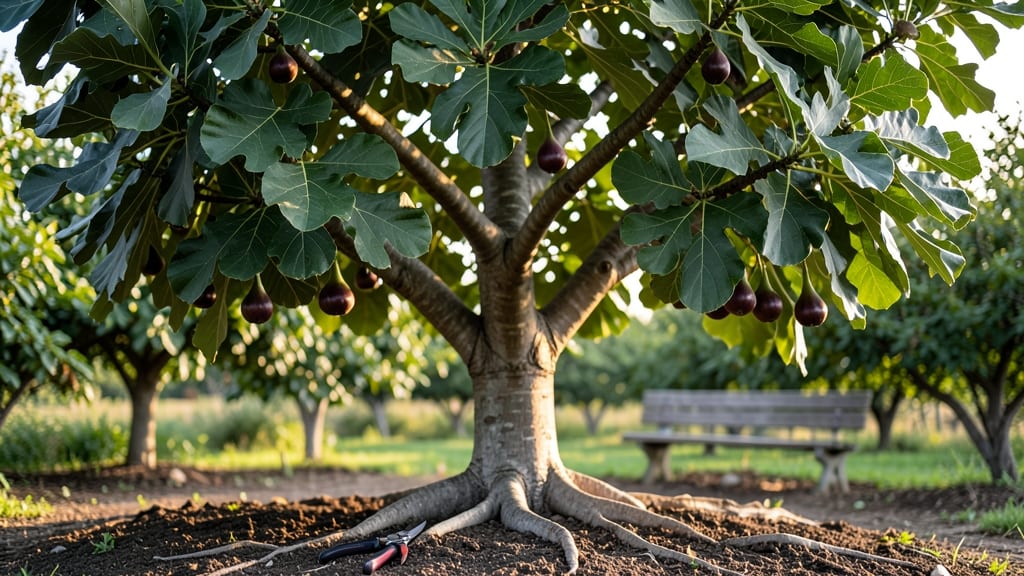
The full-size Brown Turkey fig tree thrives in Pacific Northwest climates with the right care, and I’ve grown mine into a sturdy, fruit-bearing centerpiece over five seasons. 🌿 The key isn’t just sunlight—it’s matching soil, water, and winter prep to this variety’s quirks, like its semi-hardy roots and sweet, purple-skinned fruit.
Start with well-draining soil (amend with compost if your yard is heavy clay), plant in a sheltered spot after last frost, and water deeply but infrequently—overwatering is the #1 killer.
Prune in late winter to shape the tree and remove dead wood, and mulch heavily to protect roots when temperatures dip below 20°F.
📚 In This Guide
- What you need
- Instructions
- Tips and common mistakes
- Wrapping up and next steps
What you need
- ● Brown Turkey Fig Tree: A healthy, 1- to 3-gallon container-grown sapling (ensure it’s labeled as Ficus carica 'Brown Turkey').
- ● Well-draining soil: 50% native soil + 50% organic matter (compost, aged manure, or coconut coir). Test soil pH (6.0–7.0).
- ● Container (if not planting in-ground): A minimum 18-inch diameter pot with drainage holes (or a 5-gallon fabric grow bag).
- ● Mulch: 2–3 inches of wood chips or straw to retain moisture and regulate temperature.
- ● Drip irrigation system or soaker hose: For consistent watering (especially critical in PNW’s dry summers).
- ● Balanced fertilizer: 10-10-10 or organic options like fish emulsion (apply spring and early summer).
- ● Pruning shears: Sharp, sterilized shears for shaping and maintaining the tree.
- ○ Stakes & ties (optional but helpful): For young trees in windy PNW locations.
- ● Sunlight: A minimum of 6–8 hours of full sun daily (south- or west-facing spots ideal).
- ● Protection from frost: Brown Turkey figs are semi-hardy (USDA Zones 7–10)—use row covers or move potted trees indoors in winter.
- ● Water access: Consistent moisture (but avoid soggy roots). Drought tolerance improves with age!
- ● Space: Mature trees can reach 15–20 feet tall and wide—plan for ample room.
- ● Tree collar guard to protect the trunk from lawn equipment.
- ● Epsom salt (for magnesium boosts, especially in clay-heavy PNW soil).
- ● Pollination aid (figs are parthenocarpic but may benefit from hand-pollination in cooler climates).
- ● Shade cloth for young trees in intense summer sun.
Step-by-step instructions for cultivating a full-size Brown Turkey fig tree
Here's how I grow robust, productive Brown Turkey figs in the Pacific Northwest—no tricks, just reliable methods.
🌱 Step 1: Select and Prepare the Perfect Planting Site
Brown Turkey figs thrive in full sun (at least 6-8 hours daily), so choose a spot with southern or western exposure. In the PNW's cooler climate, a sheltered location against a south-facing wall or fence captures heat and extends the growing season. I dig a hole twice as wide as the root ball but only as deep—figs hate being buried too deep, which can rot the trunk.
Amend the native soil with 3-4 inches of compost mixed into the bottom of the hole. Figs prefer well-draining soil, so if your garden holds water, add a 1-inch layer of gravel at the bottom before backfilling. The PNW's acidic soils often need a boost—sprinkle 1 cup of lime around the root zone to raise the pH slightly. This prevents iron chlorosis, which turns leaves yellow between veins.
🪴 Step 2: Plant at the Right Time and Depth
Plant your Brown Turkey fig in early spring (after the last frost) or late summer to give roots time to establish before winter. Handle the root ball gently—don't let roots dry out or circle in the pot. Place the tree so the graft union (the bump where the top was attached) sits 2-3 inches above soil level. Figs often grow new roots at this point, so burying it too deep suffocates the plant.
Backfill with native soil mixed with compost, tamping lightly as you go to remove air pockets. Water deeply (about 1 gallon) to settle the soil and encourage root contact. Mulch with 3 inches of wood chips, keeping it 6 inches away from the trunk to prevent rot. This conserves moisture and keeps roots cool in summer—critical in the PNW's heatwaves.
☀️ Step 3: Water and Feed for Strong Early Growth
Water deeply once a week during the first growing season, soaking the soil to 12 inches deep. Figs are drought-tolerant once established, but young trees need consistent moisture. You'll know it's time to water when the top 2 inches of soil feel dry—stick your finger in to check. Overwatering in winter can rot roots, so reduce to every 2-3 weeks in cooler months.
Fertilize lightly in early spring with ½ cup of 10-10-10 granular fertilizer, sprinkled around the drip line (not the trunk). Figs don't need much—too much nitrogen makes leaves grow fast but fruit poorly. I also side-dress with 1 cup of compost in late summer to prepare for winter. The PNW's short growing season means figs need a head start—don't skip this step.
✂️ Step 4: Prune for Shape and Fruit Production
Prune in late winter (just before buds swell) to shape the tree and encourage fruit. Remove dead, crossing, or inward-growing branches first—these compete for energy. Then, cut back overly long branches by ⅓ to promote bushier growth. Figs fruit on new wood, so avoid heavy pruning in fall or you'll sacrifice next year's crop.
Open the center of the tree to improve air circulation and sunlight penetration. You'll see new growth emerge from the sides in spring—that's your signal the pruning worked. In the PNW, where winters can be damp, prune out any suckers (shoots at the base) to prevent disease. Save heavy pruning for every 2-3 years—figs recover slowly from stress.
🌿 Step 5: Protect and Harvest for Maximum Yield
Brown Turkey figs ripen in late summer to early fall—watch for skin to soften and turn from green to deep purple. Harvest when the fruit gives slightly when pressed (like a ripe peach). Twist gently to avoid tearing the stem. In the PNW, bring in unripe figs if frost threatens—they'll ripen indoors at room temperature over 3-5 days. Never refrigerate them, or they'll turn mushy.
After harvest, apply 2 inches of mulch to insulate roots over winter. Figs are semi-hardy but benefit from a breathable frost blanket on young trees during cold snaps. In spring, remove the blanket as buds swell—too much moisture under cover causes rot. With consistent care, a Brown Turkey fig can produce 50+ figs per tree in the PNW, making it one of the most rewarding trees for our climate.
Tips & tricks for perfect Brown Turkey fig tree cultivation
Real talk: Growing a full-size Brown Turkey fig tree in the Pacific Northwest takes patience, but these small adjustments make all the difference.
Sunlight Strategy: That 6-8 hours of daily sun is non-negotiable, but here's the thing about PNW summers—morning sun and afternoon shade actually work better than scorching midday heat. Position your tree to catch the gentle morning rays first, then shift it slightly if you notice leaves wilting by noon. A sheer curtain on the south side can filter intense afternoon sun without sacrificing light exposure.
Soil Preparation Secret: The 3-4 inches of compost in Step 1 should be well-aged—fresh compost can burn roots. I always mix in a handful of worm castings too, which adds beneficial microbes that help the tree establish faster. For the lime adjustment, test your soil first if possible—PNW soils vary wildly, and some may not need the full 1 cup. A simple home test kit works great.
Planting Depth Visual: When placing your tree, imagine the graft union sitting at the level where a baseball would rest on your palm—about 2-3 inches above soil. Too deep and you'll suffocate the tree; too shallow and it may dry out. I mark the depth with a pencil on the pot before planting to avoid guesswork. The 1 gallon of water after planting should run through completely—if it pools, your drainage needs work.
Winter Protection Hack: For those first few winters, I use a lightweight frost blanket (not plastic) draped loosely over the tree, secured at the bottom with bricks. The key is to leave room for air circulation—figs can handle cold but not soggy conditions. Remove it completely once buds appear in spring, even if frost is still possible. The tree's new growth is more vulnerable than mature wood.
Pro Tips for Full Size Brown Turkey Fig Tree
- Real talk: Growing a full-size Brown Turkey fig tree in the Pacific Northwest takes patience, but these small adjustments make all the difference.
- Sunlight Strategy: That 6-8 hours of daily sun is non-negotiable, but here's the thing about PNW summers—morning sun and afternoon shade actually work better than scorching midday heat.
- Soil Preparation Secret: The 3-4 inches of compost in Step 1 should be well-aged—fresh compost can burn roots.
Frequently asked questions
Got questions about growing a full-size brown turkey fig tree in the Pacific Northwest? You’re not alone! Here are answers to the most common concerns—so you can plant with confidence and avoid rookie mistakes.
How cold can a brown turkey fig tree handle in the PNW?
A mature brown turkey fig (Ficus carica) can tolerate brief dips to 15°F (-9°C), but young trees or winter in the ground need protection. In the PNW, where winters dip below freezing, container growing or winter mulching is key. Move potted trees indoors or under a frost blanket when temps drop below 25°F (-4°C).
How long does it take for a brown turkey fig tree to bear fruit?
Patience is a virtue! With ideal care, expect first fruits in 2–3 years for container-grown trees and 3–5 years when planted in the ground. Prune aggressively in early spring to encourage fruiting branches. In the PNW’s cooler climate, fruit production may be slower, but consistent care pays off with juicy, brown-skinned figs by summer.
Can I grow a brown turkey fig tree in a container in the PNW?
Containers are ideal for PNW’s microclimates—they let you move the tree indoors or to a sunny spot during winter. Use a 15–20 gallon pot with drainage, well-draining soil, and regular watering (but avoid soggy roots). Just ensure it gets 6+ hours of sun daily in summer.
Why aren’t my brown turkey fig leaves turning brown or dropping?
Brown leaves or drop-off usually signal overwatering, underwatering, or pests. Check soil moisture—stick your finger 2 inches deep; water if dry. Yellowing leaves often mean overwatering, while crispy edges suggest underwatering or low humidity. Inspect for spider mites or scale insects on the undersides of leaves—treat with neem oil if needed.
Are there PNW-friendly alternatives if brown turkey figs are tricky?
If figs feel too finicky, try these low-maintenance PNW fruit trees:
- Hardy kiwi (Actinidia arguta) – Thrives in zones 4–9, cold-hardy to –15°F (-26°C).
- Pacific Northwest hazelnut (Corylus cornuta) – Native, drought-tolerant, and edible nuts!
- Apple or pear trees (cold-hardy varieties) – Look for ‘Liberty’ apple or ‘Moonglow’ pear.
But if you’re set on figs? Start with a grafted tree—they’re more resilient!
Wrapping up and next steps
Growing a full-size brown turkey fig tree in the Pacific Northwest is absolutely achievable with the right knowledge and care! 🌱 Whether you’re drawn to its striking foliage, delicious fruit, or drought-resistant charm, this tree is a fantastic addition to your landscape.
Start by selecting the perfect spot, gathering your supplies, and following the growth blueprint—your patience will soon be rewarded with a thriving, productive tree.
Ready to take the next step? Plant your tree this season and enjoy the journey of nurturing it into a stunning centerpiece for your garden. Happy growing! 🌿