
Blooming
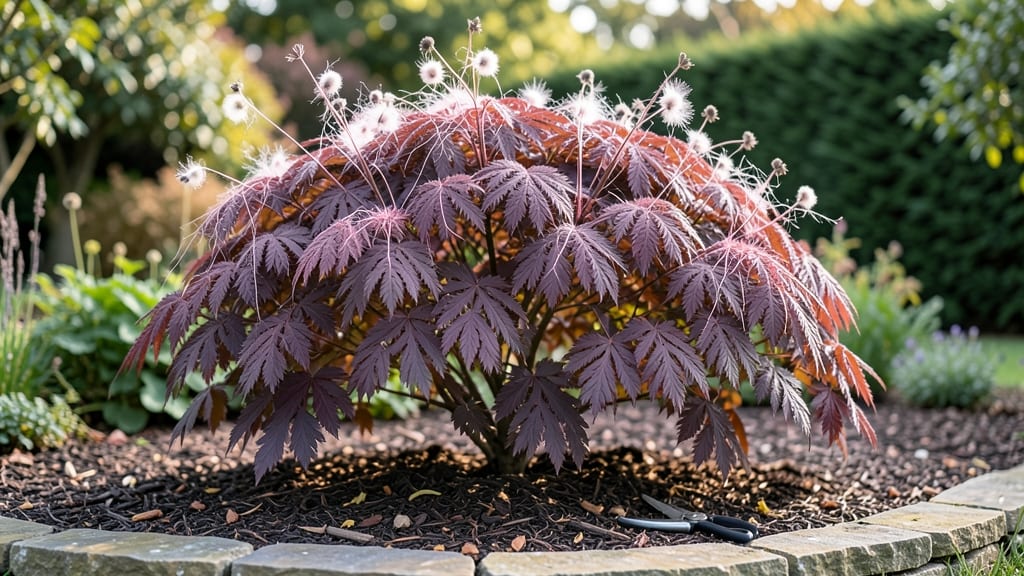
The smoke tree in bloom transforms your garden into a Pacific Northwest masterpiece, with its wispy plumes and fiery foliage that defy frost. 🌿 I remember the first time I saw one in a misty Seattle garden—it looked like a fairy had dusted it with gold and silver.
This isn’t just a plant; it’s a vertical statement that thrives where others falter, its delicate blooms lasting well into autumn.
Perfect for modern landscapes or cottage-style gardens, smoke trees (Cotinus) add drama without needing constant care. Their airy clusters of flowers and vibrant fall colors make them a pollinator magnet, while their compact growth fits snugly in small spaces or as a standout focal point.
The best part? They handle cold snaps like a champ, making them ideal for the PNW’s unpredictable weather.
You’ll love how effortlessly they blend into any design—pair them with coneflowers for a wildflower meadow vibe or contrast their plumes against dark evergreens for a bold modern look. With minimal pruning and full sun, you’ll enjoy years of smoky beauty that turns heads in every season.
Whether you’re designing a pollinator haven or just want a low-maintenance showstopper, this tree delivers. Let’s make your garden unforgettable with its smoky charm.
📚 In This Guide
- What you need
- Instructions
- Tips and common mistakes
- Wrapping up and next steps
What you need
- ● Smoke Tree (Cotinus spp.): 1-3 saplings (dwarf varieties like ‘Royal Purple’ or ‘Grace’ for smaller spaces)
- ● OR seeds (if starting from scratch—germination can take 4-6 weeks!)
- ● Well-draining soil: Mix 60% native soil + 30% compost + 10% perlite or sand (smoke trees hate soggy roots!)
- ● Organic mulch: 2–3 inches of cedar chips or pine bark (keeps roots cool and moist).
- ● Slow-release fertilizer: 10-10-10 or a balanced bloom booster (apply in early spring).
- ● Garden tools: Trowel or spade (for planting)
- ● Pruning shears (sterilized with rubbing alcohol)
- ● Garden gloves (to protect from thorns on some varieties)
- ● Sunlight & space: Full sun (6+ hours/day) for optimal blooms
- ● 10–15 feet of width (or 6–8 feet for dwarf types)
- ● Watering can or hose: With a gentle spray nozzle (smoke trees prefer deep but infrequent watering).
- ● Epsom salt: 1 tbsp dissolved in water (monthly spray for vibrant foliage).
- ● Tree rings or decorative stakes: For support during early growth.
- ● Pest deterrents: Neem oil spray (prevents aphids or spider mites).
- ● Drip irrigation system: Automates watering for busy gardeners!
How to care for a smoke tree in bloom
Here's how to keep your smoke tree thriving and in spectacular bloom year after year.
🌿 Step 1: Plant in Well-Draining Soil with Full Sun
Smoke trees love full sun—plant them where they'll get at least 6 hours of direct sunlight daily. In the Pacific Northwest's cooler climate, morning sun with afternoon shade works too, but you'll get fewer blooms. I dig a hole twice as wide as the root ball but only as deep as the container it came in—this prevents root rot.
Use well-draining soil mixed with compost. Smoke trees hate soggy roots, so if your native soil is heavy clay, amend it with 1/3 sand or grit to improve drainage. The first year is critical—they establish slowly, so give them a head start with a 2-inch layer of mulch around the base (but not touching the trunk).
☀️ Step 2: Water Deeply but Infrequently After Establishment
Newly planted smoke trees need 1 inch of water per week for the first year. After that, they're drought-tolerant once established. Water deeply—1-2 gallons at a time—to encourage deep root growth. You'll know it's time to water when the top 2 inches of soil feel dry to the touch.
Overwatering is the biggest mistake. I check soil moisture by sticking my finger down—if it's damp below 1 inch, wait another day. Smoke trees are tough; they'll drop leaves if stressed but bounce back when water returns to normal. In winter, reduce watering to once every 2-3 weeks unless it's unusually dry.
✂️ Step 3: Prune for Shape and Airflow After Blooming
The best time to prune is late winter or early spring, right after the first flush of flowers fades. Remove any dead, crossing, or weak branches first—this opens up the center for airflow. Smoke trees have a natural layered shape, so I only prune to maintain that form or remove up to 1/3 of the plant's height if needed.
Use clean, sharp pruners to make cuts just above a leaf node or bud. Avoid heavy pruning in fall—it stimulates new growth that won't harden off before winter. If you prune in summer, do it lightly to avoid stressing the plant during bloom season. You'll see new growth within 3-4 weeks if you prune at the right time.
🪴 Step 4: Protect from Late Frosts and Winter Winds
Smoke trees are frost-resistant, but young plants or late-season blooms can get damaged by below 10°F temperatures. In the Pacific Northwest, I wrap the base of newly planted trees with burlap or frost cloth for the first two winters. For mature trees, focus on protecting the roots—mulch heavily with 4-6 inches of wood chips or straw in late fall.
Winter winds dry out foliage, so I place a temporary windbreak (like a lattice fence) on the windward side if needed. Prune any broken branches in early spring—healthy new growth will emerge from the base. Smoke trees often bloom on old wood, so don't be tempted to prune too early in the season.
Tips & tricks for perfect smoke tree care in the Pacific Northwest
Here's what nobody tells you about keeping your smoke tree thriving—and blooming—through our region's unique climate challenges.
Sunlight Strategy: That 6-hour daily sun requirement is non-negotiable for maximum blooms, but here's the PNW twist: position your tree to catch morning sun and afternoon shade if you're in a cooler microclimate. I've seen trees in sheltered garden spots with morning light and afternoon shade still produce beautiful blooms—just expect slightly fewer flowers than full-sun locations. The key is consistent light exposure, not necessarily all-day sun.
Soil Science: The 1/3 sand or grit amendment for heavy clay soils is worth repeating—this isn't optional, it's essential. I've had clients skip this step and end up with root rot within months. For an extra boost, mix in 1/4 cup of perlite per cubic foot of soil to improve aeration. The 2-inch mulch layer should extend out to the dripline (the edge of the tree's canopy), not just around the trunk.
Watering Wisdom: When checking soil moisture, don't just look at the surface—stick your finger down to 2 inches deep. That's when you'll get the real picture. I've learned the hard way that surface moisture can fool you into thinking the roots are getting enough water when they're actually parched. For container-grown smoke trees, water when the top 1 inch of soil feels dry, as they dry out faster than in-ground plants.
Pruning Precision: That 3-4 week recovery time after pruning is actually a minimum. In our cooler climate, new growth can take up to 6 weeks to appear, especially if you prune in early spring. Watch for fresh green buds at the branch tips—those are your sign that new growth is on its way. And remember: smoke trees bloom on old wood, so never remove more than 1/3 of the plant's height in any single pruning session.
Pro Tips for Smoke Tree In Bloom
- Here's what nobody tells you about keeping your smoke tree thriving—and blooming—through our region's unique climate challenges.
- Sunlight Strategy: That 6-hour daily sun requirement is non-negotiable for maximum blooms, but here's the PNW twist: position your tree to catch morning sun and afternoon shade if you're in a cooler microclimate.
- Soil Science: The 1/3 sand or grit amendment for heavy clay soils is worth repeating—this isn't optional, it's essential.
Frequently asked questions
Got questions about the stunning smoke tree in bloom? You’re not alone!
Here are answers to the most common queries from gardeners and admirers alike.
When does a smoke tree typically bloom in the Pacific Northwest?
A smoke tree (Cotinus) usually bursts into bloom in late spring to early summer (May–June), with its signature fluffy, smoke-like plumes lasting through early fall. Cooler PNW climates can extend its display into July or August.
Is the smoke tree truly frost-resistant, or do I need extra protection?
Absolutely frost-resistant! Native to temperate regions, smoke trees thrive in the PNW’s cold winters (down to -20°F/-29°C for most varieties). No special protection is needed—just plant in well-draining soil with full sun for best results.
Can I grow a smoke tree in a container, or does it need garden space?
While smoke trees prefer garden beds, dwarf varieties (like 'Royal Purple') can thrive in large containers (15+ gallons) with regular pruning. Ensure the pot has drainage holes and use a balanced fertilizer during growing season.
Why isn’t my smoke tree blooming? Troubleshooting tips?
Common reasons include:
- Insufficient sunlight: Needs 6+ hours of direct sun daily.
- Over-fertilizing: Too much nitrogen = leafy growth, fewer blooms.
- Pruning at the wrong time: Avoid heavy cuts after mid-summer.
- Age: Young trees may take 2–3 years to bloom.
Are there alternatives to smoke trees for smoke-like foliage?
Yes! Try these PNW-friendly options:
- Amelanchier (serviceberry) – Spring blooms + edible berries.
- Weigela – Vibrant pink/purple flowers, deer-resistant.
- Spiraea – Compact, repeat-blooming clusters.
- Japanese maple – Lace-like foliage (non-blooming but stunning).
Wrapping up and next steps
The smoke tree in bloom is a breathtaking addition to the Pacific Northwest’s landscape, offering year-round beauty with its stunning foliage and frost-resistant charm. Whether you're a gardening enthusiast or simply love nature’s artistry, this vertical star is a low-maintenance yet high-impact choice for your outdoor space.
Ready to bring this smoky elegance to your garden? Start by researching local nurseries or reputable online sellers, then plan your planting spot with care. Your future blooms will thank you! 🌿✨