Trees
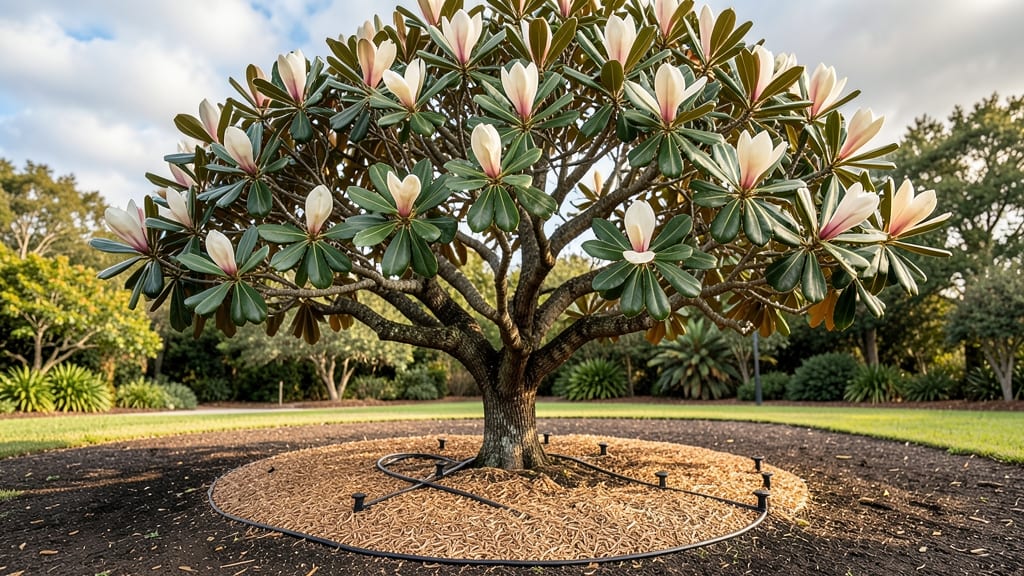
Planting beautiful shade trees transformed my backyard from a patch of sunburned grass into a lush, year-round retreat where golden light filters through emerald leaves.
The right tree doesn’t just block harsh sun—it creates a living tapestry of color, texture, and seasonal drama that feels like stepping into a secret garden. My Japanese maple now weeps burgundy fingers in autumn while its delicate lace bark adds winter interest, all with barely a pruning shears touch.
What makes these trees special is their quiet elegance—no flashy blooms or high-maintenance fuss. A well-placed magnolia or serviceberry delivers three-season interest with minimal effort: spring blossoms, summer foliage, and autumn fruit.
They thrive in partial shade, where most trees struggle, and their slow, steady growth means decades of privacy without constant trimming. The key is choosing varieties that match your space—tall and columnar for borders, rounded canopies for focal points, or multi-stemmed types for natural hedges.
Imagine sipping morning coffee under a canopy of velvety green leaves in summer, then watching them blaze in fiery hues as fall arrives. These trees become the backbone of your garden, pairing beautifully with ferns, hostas, and shade-loving perennials at their base.
The best part? They age gracefully, their presence deepening over time like a well-loved book. Let’s find the perfect one for your space—where beauty meets practicality.
Whether you’ve got a small urban yard or a sprawling country plot, the right shade tree adapts. Some handle city pollution better, others prefer rich woodland soil—we’ll match your conditions to the perfect match.
The goal? A garden that feels like a sanctuary, not just a yard. Ready to plant your future favorite?
📚 In This Guide
- What you need
- Instructions
- Tips and common mistakes
- Wrapping up and next steps
What you need
- ● Shade Trees: 3–5 mature trees (species like Oak, Maple, or Magnolia for dense foliage; ensure they’re disease-resistant and suited to your climate zone).
- ● Planting Hole: Dig 2–3 times wider than the root ball and just as deep. Loosen soil at the bottom for better drainage.
- ● High-Quality Soil: 1–2 bags of compost or topsoil (enhances drainage and nutrients).
- ● Mulch: 3–4 cubic feet of wood chips or pine straw (retains moisture, suppresses weeds).
- ● Tools: Shovel (for digging)
- ● Pruning shears (bypass or anvil type, sharp and sanitized)
- ● Wheelbarrow (for moving soil/mulch)
- ● Garden hose or watering can (with a spray nozzle)
- ● Measuring tape (to mark spacing, typically 15–25 feet apart for mature trees)
- ● Tree Stakes: 4–6 biodegradable stakes (supports young trees during establishment).
- ● Tree Guards: Wire mesh or plastic protector wraps (safeguards trunks from pests/deer).
- ● Slow-Release Fertilizer: Granular balanced fertilizer (10-10-10) (boosts early growth).
- ● Drip Irrigation System: For automated watering (reduces manual effort).
- ● Garden Gloves: Heavy-duty nitrile-coated (protects hands from thorns/soil).
How to plant and maintain a low-maintenance shade tree screen
Here's my go-to method for creating a lush, evergreen privacy barrier that thrives with minimal effort.
🌱 Step 1: Select the Right Tree Varieties for Your Climate
For year-round privacy, I recommend native evergreen species like Leyland cypress (fast-growing and dense) or Emerald green arborvitae (slower but tidy). Both tolerate shade better than many alternatives and handle pruning well. Check your hardiness zone—Leyland cypress thrives in zones 6-10, while arborvitae does best in zones 3-8.
Space your trees 6-8 feet apart for a solid screen within 3-5 years. Dig holes twice as wide as the root ball but only as deep—planting too deep suffocates roots. Amend the native soil with 2 inches of compost mixed into the bottom of each hole for better drainage and nutrient retention.
🌿 Step 2: Plant with Proper Spacing and Mulching
Place each tree so its top edge aligns with your desired height—typically 10-12 feet for a mature privacy screen. Backfill the hole with native soil, tapping gently to remove air pockets. Water deeply to settle the roots, then add 3 inches of mulch (wood chips or shredded bark) in a 3-foot diameter ring around the base.
Keep mulch 6 inches away from the trunk to prevent rot. Water once a week for the first month, then taper to every 2 weeks once new growth appears. Overwatering at this stage causes root rot—always check that the top 2 inches of soil feel dry before watering again.
☀️ Step 3: Prune Strategically for Density and Health
Wait 6-12 months before pruning—young trees establish roots faster with minimal stress. When ready, remove only dead or crossing branches in late winter or early spring. Avoid "shearing" (cutting back uniformly)—this creates weak growth. Instead, shape by thinning out 1/3 of the interior branches to encourage airflow and sunlight penetration.
Use clean, sharp pruners and make cuts just outside the branch collar. Seal larger cuts (over ½ inch) with pruning sealant to prevent disease. After pruning, water deeply to help the tree recover. You’ll notice denser foliage within a season—this is your signal the tree is responding well.
✂️ Step 4: Maintain with Seasonal Care
In spring, fertilize with a slow-release, balanced fertilizer (10-10-10) spread in a 3-foot radius around the base. Water deeply once a month during dry spells—evergreens need consistent moisture but hate soggy roots. In fall, add 1 more inch of mulch to protect roots from winter temperature swings.
Watch for brown needles or sparse growth—this usually means underwatering or poor drainage. If you see yellowing leaves, it’s often overwatering or nutrient deficiency. Adjust your watering schedule and test soil pH (ideal range: 6.0-7.0). With proper care, your screen will fill in beautifully within 3-5 years.
Tips & tricks for perfect year-round privacy screens
Creating a beautiful shade screen doesn't have to be complicated—these simple tricks will help your trees thrive with minimal effort.
Climate Considerations: Before planting, check your hardiness zone to ensure your chosen trees will thrive. Leyland cypress, for example, thrives in zones 6-10, while Emerald green arborvitae does best in zones 3-8. If you're unsure, consult your local nursery—they can recommend varieties that suit your specific climate and soil conditions.
Planting Depth Matters: When digging holes, remember to plant at the same depth as the tree was growing in its container. Planting too deep suffocates the roots, while planting too shallow exposes them to drying out. The hole should be twice as wide as the root ball but only as deep—this gives roots room to spread without being buried.
Mulching Right: Apply 3 inches of mulch in a 3-foot diameter ring around the base, keeping it 6 inches away from the trunk to prevent rot. Use wood chips or shredded bark for best results. Replenish mulch in fall to protect roots from winter temperature swings, and always check that the top 2 inches of soil feel dry before watering again.
Pruning for Density: Wait 6-12 months before pruning to let roots establish. When ready, thin out 1/3 of the interior branches to encourage airflow and sunlight penetration. Use clean, sharp pruners and seal larger cuts with pruning sealant to prevent disease. You’ll notice denser foliage within a season—this is your signal the tree is responding well.
Pro Tips for Beautiful Shade Trees
- Creating a beautiful shade screen doesn't have to be complicated—these simple tricks will help your trees thrive with minimal effort.
- Climate Considerations: Before planting, check your hardiness zone to ensure your chosen trees will thrive.
- Planting Depth Matters: When digging holes, remember to plant at the same depth as the tree was growing in its container.
Frequently asked questions
Got questions about choosing and maintaining beautiful shade trees for year-round privacy? We’ve got answers! Here are some of the most common concerns—plus expert tips to help you pick the perfect tree for your space.
What’s the fastest-growing shade tree for quick privacy?
If you need fast results, consider Leyland Cypress (grows 3–4 feet per year) or Thuja Green Giant Arborvitae (2–3 feet annually). For broader canopies, Silver Maple or Hybrid Poplar are excellent options—just be prepared for heavier pruning as they mature.
How long does it take for a shade tree to provide full privacy?
Most shade trees take 3–7 years to reach full maturity and block sunlight effectively. Evergreens like Eastern Red Cedar or Emerald Green Arborvitae offer quicker coverage (2–4 years), while deciduous trees like Oak or Sycamore may take longer but provide denser shade in summer.
Can I plant a shade tree in fall or winter?
Fall (September–November)
is ideal—cooler temps and moisture help roots establish before spring. Winter planting (December–February) works too, but avoid frost-heavy zones or extreme cold. Just water deeply before the ground freezes to protect young roots.
What’s a low-maintenance alternative to traditional shade trees?
If pruning isn’t your thing, try columnar trees like Fastigiate Oak or Narrow Pyramid Arborvitae, which grow tall and narrow with minimal trimming. Bamboo (clumping varieties) or Privet Hedges are also great for dense, low-upkeep screens—just ensure they fit your local climate!
Will shade trees attract pests or wildlife I don’t want?
Some trees (like Willows or Mulberries) draw insects or birds, but most common shade trees—such as Oaks, Maples, or Crape Myrtles—are low-risk. To deter pests, keep the area mulched and avoid overwatering. If issues arise, a neem oil spray works wonders!
Wrapping up and next steps
Transforming your outdoor space with beautiful shade trees isn’t just about aesthetics—it’s about creating a serene, private retreat that thrives with minimal effort. From fast-growing options like the Leucadendron to the elegant Cedar of Lebanon, these trees offer year-round privacy while keeping upkeep simple.
Whether you’re shading a patio, screening a noisy street, or adding curb appeal, the right tree makes all the difference.
Ready to take the next step? Start small: research your climate, measure your space, and pick a tree that fits your vision. Plant with confidence—your future shade (and peace of mind) will thank you! 🌿✨