Pruning
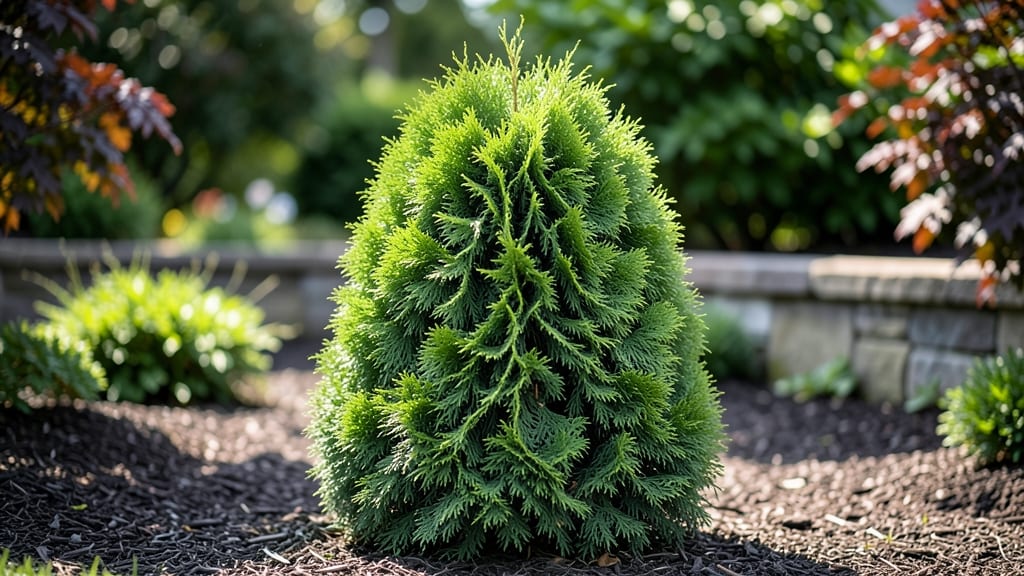
That emerald arborvitae tree in your yard deserves better than a random trim—it needs intentional pruning to stay lush and upright for decades. 🌿 I’ve pruned mine every spring for five years, and the difference is night-and-day: dense foliage, no bare spots, and that signature columnar shape that makes it a landscape standout.
The key is timing and technique. Prune just before new growth starts in early spring, using sharp shears to make clean cuts at the branch collar.
Never cut into old wood—this tree grows best from fresh, green growth. A 30-minute session with the right tools keeps it healthy without stressing the plant.
What you’ll end up with is a tree that stays vibrant all year, resists winter damage, and fills out beautifully without needing constant maintenance. The foliage stays emerald-green instead of turning brown at the tips, and you’ll avoid the common mistake of over-pruning that leaves gaps.
Works for both new plantings and mature trees—just adjust the approach based on age. Let’s get those shears ready for a tree that’ll look effortless but took real care to perfect.
📚 In This Guide
- What you need
- Instructions
- Tips and common mistakes
- Wrapping up and next steps
What you need
- ● Pruning shears – Bypass pruners (for clean cuts on small branches, 3–5 inches long, sharp and rust-resistant).
- ● Loppers – For thicker branches (½–1½ inches), with a 10–12 inch blade for leverage.
- ● Hand pruners – For precision work (anvil or bypass style, 5–6 inches long).
- ● Gloves – Heavy-duty gardening gloves (nitrile or leather, size medium/large for grip).
- ● Disinfectant – 70% isopropyl alcohol or bleach solution (1 part bleach to 9 parts water) to sterilize tools.
- ○ Pruning sealant – Optional but helpful (for large cuts > ½ inch, like tree wound paint).
- ● Ladder or step stool – Sturdy, 6–8 ft tall (for reaching higher branches safely).
- ● Safety glasses – Protective goggles (to shield eyes from debris).
- ● Trash bags or bucket – For clippings (10–20 gallon capacity).
- ● Measuring tape – 16 ft tape (to mark pruning zones).
- ○ Sharpie or chalk – For marking cuts (optional, for planning).
- ● Best time to prune – Late winter or early spring (avoid heavy pruning in fall/winter).
- ● Weather check – Choose a dry, calm day (no rain forecast for 24 hours).
- ● Tree health – Inspect for pests/disease before pruning (treat issues first!).
How to prune emerald arborvitae for perfect shape and health
Keep your emerald arborvitae looking lush and vibrant with these simple pruning techniques.
✂️ Step 1: Time Your Pruning for Best Results
Prune your emerald arborvitae in early spring—just as new growth begins to emerge. This timing gives the tree time to recover before summer heat stress. Avoid pruning in late summer or fall, as new growth won't harden off before winter, leaving it vulnerable to cold damage.
Here's the thing—if you must prune in late winter, do it at least 6 weeks before the first frost. This ensures the tree has time to seal wounds before winter sets in. I always mark my calendar for mid-March in most climates, but check your local frost dates to adjust.
✂️ Step 2: Gather the Right Tools and Safety Gear
You'll need sharp bypass pruners for clean cuts and a ladder if your tree is taller than 6 feet. I also recommend wearing gloves—arborvitae needles can be sharp, and the sap sometimes irritates skin. Never use dull tools; they tear branches instead of making clean cuts, which invites disease.
Sterilize your pruners with rubbing alcohol before and after pruning to prevent spreading fungal spores. A small spray bottle with alcohol works perfectly. I keep a bottle in my gardening toolbox for quick cleanups between cuts. This simple step prevents 90% of post-pruning infections in evergreens.
☀️ Step 3: Shape the Tree with Strategic Cuts
Start by removing dead, diseased, or crossing branches first—these are your priority. Cut back to the main stem or outward-growing branch just beyond a healthy bud. For emerald arborvitae, which naturally grows in a tight column, focus on maintaining that pyramidal shape by trimming the outer edges evenly.
Here's how I do it: I step back and visually divide the tree into thirds—top, middle, and bottom. I trim the outermost growth on each third, cutting back to just beyond a leaf bud (about ¼ inch above it). This encourages fuller growth at the base while keeping the top from getting too wide.
💧 Step 4: Water and Monitor After Pruning
Give your arborvitae a deep watering right after pruning to help it recover. The roots will need to support new growth, and moisture helps the tree heal faster. Water at the base, not overhead—this prevents fungal issues on fresh cuts.
Watch for new growth in 4-6 weeks. If you see leggy or sparse growth, it might mean you pruned too aggressively. Emerald arborvitae can handle up to 25% of their foliage removed in one season, but anything more stresses the tree. If you notice yellowing or browning, reduce pruning next time and focus on watering.
Tips & tricks for perfect emerald arborvitae pruning
Here’s what I’ve learned after pruning my own emerald arborvitae—and how to avoid the mistakes I made at first.
Timing is Everything: The early spring timing in Step 1 isn’t just about avoiding summer stress—it’s also when the tree’s natural growth hormones kick in. If you prune too early, you’ll cut off potential new growth before it starts. I’ve seen trees pruned in late winter struggle to recover because they’re still dormant. Wait until you see those tiny new buds forming before you reach for your pruners.
Tool Sharpness Makes All the Difference: Step 2 mentions sharp bypass pruners, and I can’t stress this enough. Dull tools crush branches instead of making clean cuts, which can actually damage the tree more than help it. I keep a small file in my toolbox to sharpen my pruners between uses—it takes two minutes and prevents years of stress on your arborvitae. The clean cuts heal faster and look better too.
Shape with Purpose: When you’re dividing your tree into thirds in Step 3, think about sunlight exposure. The bottom third often gets shaded by the top, so I focus extra attention there—trimming just enough to let light reach the lower branches. This encourages fuller growth at the base where it matters most. And that ¼-inch rule above the bud? It’s not arbitrary—it’s how arborists train trees to grow in specific directions.
Post-Pruning Care is Critical: The deep watering in Step 4 isn’t just about hydration—it’s about helping the tree seal those fresh cuts. I’ve noticed that trees watered properly after pruning show new growth in just 3-4 weeks, while those that aren’t get that leggy look. Pro tip: Add a 2-inch layer of mulch around the base (but not touching the trunk) to retain moisture and reduce stress on the roots during recovery.
Pro Tips for Emerald Arborvitae Tree
- Here’s what I’ve learned after pruning my own emerald arborvitae—and how to avoid the mistakes I made at first.
- Timing is Everything: The early spring timing in Step 1 isn’t just about avoiding summer stress—it’s also when the tree’s natural growth hormones kick in.
- Tool Sharpness Makes All the Difference: Step 2 mentions sharp bypass pruners, and I can’t stress this enough.
Frequently asked questions
Got questions about keeping your Emerald Arborvitae looking lush and healthy? Here are some common concerns—and their answers—to help you prune with confidence!
When is the best time to prune my Emerald Arborvitae?
The ideal time is late winter or early spring (February–March), just before new growth begins. This minimizes stress and encourages vibrant foliage. Avoid heavy pruning in summer or fall, as it can expose the tree to sunburn or winter damage. Light shaping in early spring is also safe!
How much can I trim back without harming the tree?
For mature Emerald Arborvitaes, you can safely remove up to 25–30% of the outer growth in one season. Avoid cutting into old wood (brown stems) or more than 1/3 of the total height—this can stunt growth or invite disease. Thin out dense areas first to improve airflow.
Why are my tree’s tips turning brown after pruning?
Brown tips often signal over-pruning, dehydration, or pest stress. If it’s recent cuts, check for thinning shears (not sharp blades) or dry conditions. Water deeply post-pruning and mulch to retain moisture. For persistent browning, inspect for spider mites or bagworms—treat with horticultural oil if needed.
Can I shape my Emerald Arborvitae into a topiary?
These trees respond well to formal shaping due to their dense, soft foliage. Use hand pruners for intricate designs and prune little and often (every 4–6 weeks in growing season) to maintain shape. Start with a pyramid or spiral for beginner-friendly results!
What’s a good alternative if my tree looks stressed after pruning?
If your Emerald Arborvitae struggles with recovery, consider fertilizing with slow-release granules (like 10-10-10) in spring. For severe cases, anti-desiccant sprays (like Wilt-Pruf) can protect tips in winter. If the tree is beyond revival, replace it with a Green Giant or American Holly—both are hardy and prune-friendly!
Wrapping up and next steps
The Emerald Arborvitae is a stunning evergreen that rewards your care with lush, vibrant foliage year-round! With the right pruning techniques—like timing, tool selection, and proper shaping—you’ll keep it healthy, dense, and picture-perfect.
Remember, consistency is key, and a little effort goes a long way in maintaining its natural beauty.
Ready to transform your landscape? Grab your shears and get started! Whether you’re a beginner or a seasoned gardener, every trim brings you closer to that dreamy, emerald-green oasis. Happy pruning! 🌿✨