
Succulent
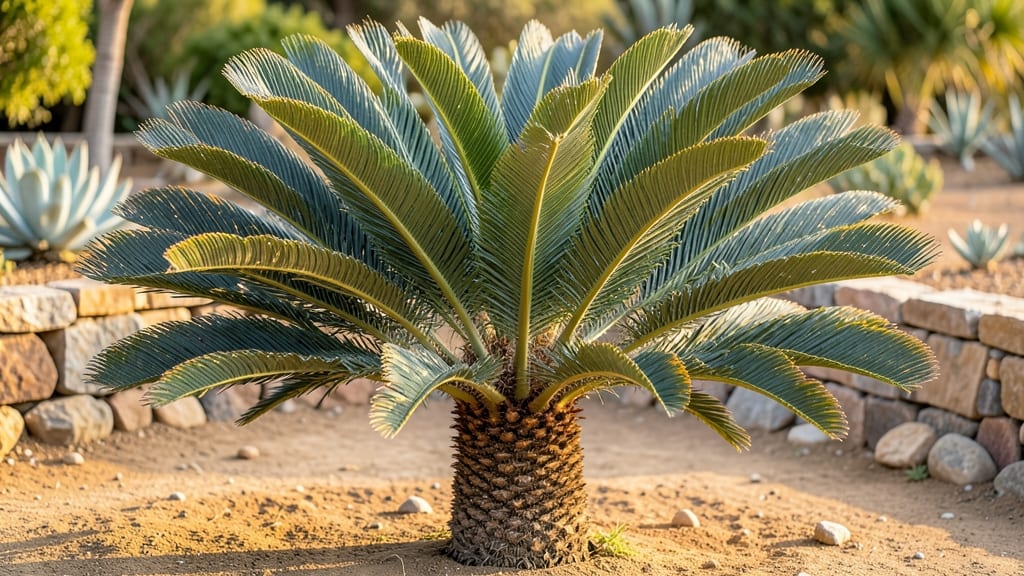
Growing a succulent palm tree—like the striking Beaucarnea recurvata—is one of those gardening wins that feels like magic. This plant thrives with almost no effort, storing water in its thick trunk like a natural savings account.
The trick isn’t treating it like a traditional succulent, though; it’s more like a palm with a drought-resistant attitude.
You’ll need well-draining soil (think cactus mix with perlite) and a bright spot where it gets 4-6 hours of sunlight daily—indoors or out. Watering is the real game-changer: let the soil dry completely between drinks, and you’ll avoid the browning tips that plague overwatered plants.
My first one nearly died from too much love, but now it’s a 6-foot showstopper with almost no maintenance.
Pruning is simple: just snip off dead fronds or leggy growth in early spring. The real reward? A plant that keeps growing year-round, even when you forget about it. That thick trunk becomes more dramatic with age, and the arching fronds add texture no other houseplant can match.
Works just as well in pots on a patio as it does indoors by a sunny window. The only mistake I’ve made? Assuming it needed more water than it actually does. Once you get the rhythm, you’ll wonder why you ever doubted this plant’s resilience.
📚 In This Guide
- What you need
- Instructions
- Tips and common mistakes
- Wrapping up and next steps
What you need
- ● Succulent palm tree: Choose a healthy 1-3 gallon container-grown plant (or seeds/cuttings if propagating). Look for firm fronds and no signs of pests!
- ● Well-draining soil mix: 3 parts cactus/succulent soil + 1 part perlite or pumice (avoid regular garden soil—it retains too much moisture!).
- ● Pot or container: For saplings: 5-7 gallon pot with drainage holes (terracotta or ceramic preferred).
- ● For mature palms: 15+ gallon container or in-ground planting (if climate permits).
- ● Gravel or rocks: 1-2 inches for the pot’s bottom layer (prevents root rot).
- ● Slow-release fertilizer: Balanced 10-10-10 or succulent-specific (apply once every 3-4 months).
- ● Watering can with a narrow spout: Ensures precise watering at the soil base.
- ● Gloves & long sleeves: Protects from thorns (especially on Brahea species!).
- ● Trowel or small shovel: For transplanting or amending soil.
- ○ Pruning shears (sterilized): Optional, for trimming dead fronds or overgrowth.
- ○ pH test kit (optional): Ideal soil pH for palms is 6.0–7.5.
- ● Sunlight assessment: Confirm your space gets bright, indirect light (6+ hours/day)—palms thrive in full sun but may scorch in intense afternoon heat.
How to grow a thriving succulent palm tree indoors
This easygoing plant thrives with just a few simple care steps—here's how to keep it lush all year.
🌱 Step 1: Choose the Right Container and Soil Mix
Succulent palms need excellent drainage, so pick a pot with drainage holes at least 2 inches in diameter. The container should be 1-2 inches wider than the plant’s root ball—too much extra space encourages root rot. I like to use terracotta pots because they breathe better than plastic.
Fill the pot with a fast-draining cactus and succulent mix. If you’re using regular potting soil, amend it with 30% perlite or coarse sand to prevent waterlogging. Pack the mix lightly—just enough to support the plant without compacting it. A loose, airy medium helps roots stay healthy and prevents soggy soil.
☀️ Step 2: Position for Bright, Indirect Light
Succulent palms love bright, indirect light—think east or west-facing windows where they get 4-6 hours of sunlight daily. A south-facing window works too, but filter the light with a sheer curtain to avoid leaf scorch. If your home is dim, supplement with a grow light kept 12-18 inches away for 12-14 hours a day.
Watch for signs of too much or too little light: yellowing leaves mean it’s getting too much sun, while stretched, pale growth signals it needs more brightness. Rotate the pot a quarter turn weekly so the plant grows evenly toward the light source.
💧 Step 3: Water Deeply but Infrequently
Water only when the top 2 inches of soil feel completely dry—this usually means every 2-3 weeks, depending on humidity and temperature. Stick your finger in the soil to check; if it’s still damp, wait longer. Overwatering is the #1 killer of succulent palms, so always err on the side of underwatering.
When you do water, soak the soil thoroughly until water runs out the drainage holes. Empty the saucer afterward to prevent the plant from sitting in standing water. In winter, cut back to once a month unless your home stays very dry.
✂️ Step 4: Prune and Fertilize for Healthy Growth
Trim away dead or yellowing fronds at the base with clean, sharp scissors. You can also prune leggy growth to encourage bushier habits—just cut back to a healthy leaf node. Avoid heavy pruning unless necessary, as succulent palms grow slowly and recover best with minimal stress.
Feed with a balanced, water-soluble fertilizer (like 10-10-10) once in spring and once in summer, diluted to half strength. Skip fertilizer in fall and winter when growth slows. Too much food leads to weak, waterlogged roots, so less is always better.
🪴 Step 5: Repot Every 2-3 Years for Fresh Soil
Succulent palms outgrow their pots over time, so check for roots circling the bottom or soil breaking down—these are signs it’s time to repot. Choose a container only 1-2 inches larger in diameter to avoid overpotting, which can cause rot. Spring is the best time to repot, as the plant enters its active growth phase.
Gently remove the plant, loosen the root ball, and refresh the soil with new cactus mix. Avoid disturbing the roots too much—succulent palms are sensitive to transplant shock. Water lightly afterward and place it back in bright, indirect light until new growth appears.
Tips & tricks for perfect succulent palm tree care
Between us, these little details make all the difference when growing a thriving succulent palm indoors.
Drainage is Non-Negotiable: In Step 1, when choosing your pot, pay special attention to those drainage holes—at least 2 inches in diameter. I’ve seen people use decorative pots without drainage and end up with root rot within weeks. If you’re repurposing a container, drill holes yourself if needed. The extra effort prevents soggy soil that suffocates roots. Trust me on this.
Light Source Strategy: For Step 2’s bright, indirect light requirement, I recommend placing your palm near a window with sheer curtains—especially if you’re in a south-facing spot. Direct sun through glass can create hot spots that scorch leaves. If you notice yellowing edges, move it back a foot or add that sheer curtain immediately. The goal is that soft, diffused glow for 4-6 hours daily.
Watering Confidence Builder: The "top 2 inches dry" rule in Step 3 can feel vague at first. Here’s my trick: Use a wooden skewer or chopstick to check moisture. Insert it into the soil—if it comes out clean, water. If it’s damp, wait another day. This method is foolproof and prevents the guesswork that leads to overwatering. In winter, when growth slows, I cut back to once a month unless my home stays particularly dry.
Fertilizer Timing Matters: When you fertilize in Step 4, remember that spring and summer are the only seasons to feed. I use a diluted 10-10-10 mix, but here’s the secret: Feed right after watering. This ensures the nutrients get absorbed immediately rather than sitting on dry soil where they can burn roots. And never fertilize in fall or winter—your palm is essentially hibernating and doesn’t need the extra nutrients.
Pro Tips for Succulent Palm Tree
- Between us, these little details make all the difference when growing a thriving succulent palm indoors.
- Drainage is Non-Negotiable: In Step 1, when choosing your pot, pay special attention to those drainage holes—at least 2 inches in diameter.
- Light Source Strategy: For Step 2’s bright, indirect light requirement, I recommend placing your palm near a window with sheer curtains—especially if you’re in a south-facing spot.
Frequently asked questions
Got questions about growing and caring for your succulent palm tree? You’re not alone! Here are some of the most common queries—plus quick, easy answers to keep your plant thriving with confidence.
How often should I water my succulent palm tree?
Water your succulent palm tree only when the top 1–2 inches of soil are completely dry. Typically, this means watering every 2–4 weeks, depending on your climate. Overwatering is the #1 killer—stick your finger in the soil to test!
Can succulent palm trees survive winter?
Yes, but with care! Most succulent palms (like Brahea or Washingtonia) tolerate light frost down to 20°F (-7°C). For extra protection, move potted plants indoors or wrap the base with burlap. Avoid soggy soil in winter—reduce watering to once a month or less.
How much sunlight does a succulent palm need?
These palms love bright, indirect light (6+ hours daily). Place them near a south- or west-facing window, or use a grow light for 12–14 hours if indoors. Too little light? Leaves may stretch or lose color. Too much? Yellowing or crispy edges can appear—watch for signs and adjust!
What’s the best soil mix for a succulent palm?
Use a well-draining cactus/succulent mix (50% potting soil + 50% perlite, pumice, or coarse sand). Add a handful of orchid bark or charcoal to improve aeration. Avoid heavy garden soil—it traps moisture and roots rot. Pro tip: Elevate pots to prevent water pooling!
Why are my succulent palm leaves turning yellow?
Yellow leaves usually mean overwatering or poor drainage. Let the soil dry out completely between waterings, and check for root rot (smelly, mushy roots = time to repot!). If pests like scale or mealybugs are present, wipe leaves with soapy water or use neem oil.
Can I grow a succulent palm indoors?
Choose a dwarf variety (like Chamaedorea elegans) for small spaces. Place near a sunny window, use a grow light if needed, and rotate the pot monthly for even growth. Just ensure humidity stays moderate—these palms aren’t tropical!
Wrapping up and next steps
Growing a succulent palm tree—like Brahea or Washingtonia—is a rewarding journey that brings year-round elegance with surprisingly little effort. With the right soil, light, and care, these drought-resistant beauties thrive while demanding minimal fuss.
Whether you’re a beginner or a seasoned plant parent, your new palm will reward you with lush, tropical vibes for years to come!
Ready to level up your green space? Start by gathering your supplies and reviewing common questions—then, roll up your sleeves and get planting! 🌱✨