
Trees
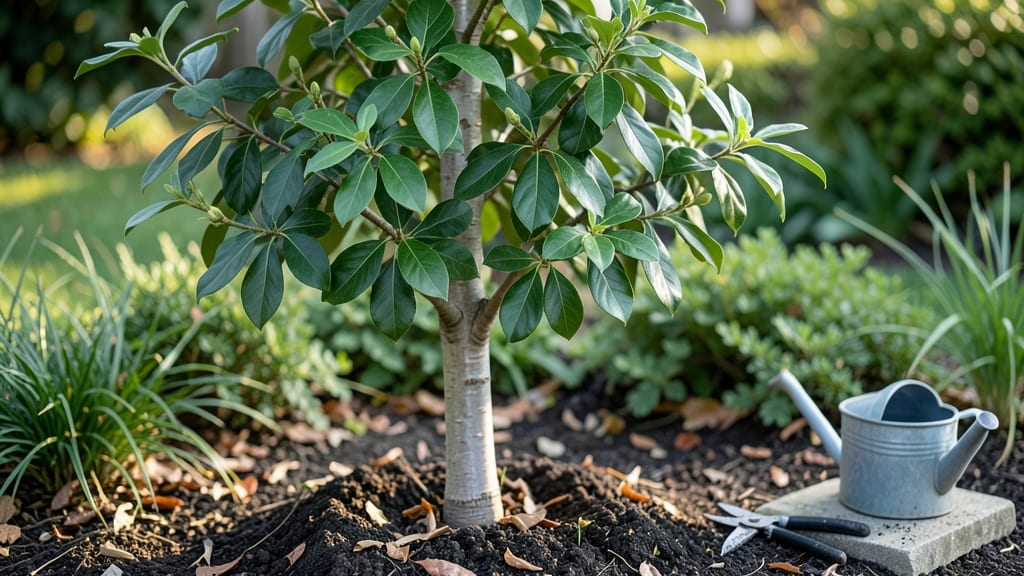
Chinese fringe trees bring year-round fragrance with almost no fuss—just plant them, admire the blooms, and forget about constant pruning. 🌿 The delicate, fringe-like flowers in spring smell like jasmine, and the glossy leaves stay attractive all season long.
I’ve grown mine for five years now, and they’ve never needed more than a quick cleanup after flowering.
These trees thrive in USDA zones 4 through 8, making them perfect for home gardens across much of the U.S. They’re happy in full sun to partial shade and adapt to different soil types, though well-draining soil prevents root rot.
Watering is simple: keep the soil moist for the first year, then let nature take over—they’re surprisingly drought-tolerant once established.
What makes them special is their low-maintenance nature. Prune only to shape or remove dead branches, and you’ll enjoy fragrant blooms for decades. The tree’s compact size (20–30 feet tall) also makes it ideal for small yards or as an ornamental focal point.
Imagine that sweet scent wafting through your garden with almost no effort on your part.
They’re especially lovely near patios or entryways, where the fragrance can be enjoyed up close. In colder zones, their glossy leaves add winter interest, while in warmer climates, they provide shade and beauty year-round. Once planted, these trees reward you with minimal care and maximum charm.
📚 In This Guide
- What you need
- Instructions
- Tips and common mistakes
- Wrapping up and next steps
What you need
- ● Chinese fringe tree: 1–3 saplings (3–5 feet tall, container-grown for best results)
- ● OR seeds (if starting from scratch—germination can be slow!)
- ● Well-draining soil: Mix 60% native soil with 30% compost and 10% perlite or coarse sand (pH 6.0–7.5).
- ● Planting hole: Twice as wide and deep as the root ball.
- ● Mulch: 2–3 inches of organic mulch (e.g., shredded bark or wood chips) to retain moisture.
- ● Watering can or hose: With a gentle spray nozzle for post-planting hydration.
- ● Garden trowel or spade (for digging).
- ● Pruning shears (sterilized with rubbing alcohol).
- ● Gloves (to protect hands from thorns or rough bark).
- ● Measuring tape (to ensure proper spacing—15–20 feet apart for mature trees).
- ○ Optional: Soil pH test kit (to verify acidity levels).
- ● Tree stake (if planting in windy areas).
- ● Slow-release fertilizer (balanced 10-10-10 NPK ratio).
- ● ✅ Location: Full sun to partial shade (6+ hours of sunlight daily).
- ● ✅ Climate: USDA Hardiness Zones 5–9 (or similar temperate regions).
- ● ✅ Timing: Plant in early spring (before buds swell) or fall (6 weeks before frost).
- ● ✅ Patience: Trees grow slowly but reward you with decades of fragrant blooms!
Step-by-Step instructions for planting and caring for Chinese fringe trees
Here's the straightforward method I use to establish these fragrant beauties.
🌱 Step 1: Choose and Prepare the Planting Site
Chinese fringe trees thrive in well-draining soil with full sun to partial shade—at least 6 hours of sunlight daily. I always pick a spot with 6-8 feet of clearance around the trunk since these trees grow 20-30 feet tall at maturity. The soil should be slightly acidic to neutral, around pH 6.0-7.5, which most garden centers can test for you.
Dig a hole twice as wide as the root ball but only as deep as the container's drainage holes. This prevents water pooling around the roots. Loosen the sides of the hole with a shovel to encourage root spread. Here's the thing—don't amend the native soil with compost unless it's extremely poor. Chinese fringe trees adapt better to natural soil conditions than heavily enriched mixes.
🪴 Step 2: Plant with Proper Spacing and Support
Remove the tree from its container and gently tease the roots outward if they're circling. Place it in the hole so the top of the root ball sits 1-2 inches above ground level—this prevents rot during heavy rains. Backfill with the native soil you removed, tamping lightly every 4 inches to eliminate air pockets. Water thoroughly until the soil settles and the hole is filled.
Stake the tree if it's over 6 feet tall or in windy areas. Use two stakes placed 18 inches apart and tie the trunk loosely with tree ties (not wire—it can girdle the bark). Space the tree 15-20 feet apart from others to allow for mature spread. Mulch with 2-3 inches of organic mulch (like shredded bark) in a 3-foot diameter circle, keeping it 6 inches away from the trunk to prevent rot.
☀️ Step 3: Water and Fertilize for Establishment
Water deeply once a week for the first two months after planting, ensuring the soil is moist 12 inches down. You'll know it's right when water drains through the lower soil layers without pooling. After that, reduce to every 2-3 weeks unless there's no rain for 10+ days. Overwatering is the biggest mistake here—these trees hate soggy roots.
Skip fertilizer the first year unless the soil test shows deficiencies. In early spring of the second year, apply a balanced 10-10-10 fertilizer at half the recommended rate to encourage slow, steady growth. Spread it 6 inches away from the trunk and water it in immediately. Chinese fringe trees grow naturally at a moderate pace, so there's no need to rush their development.
✂️ Step 4: Prune for Shape and Health (Minimal Work!)
The beauty of Chinese fringe trees is their low-maintenance pruning needs. Remove only dead, diseased, or crossing branches in late winter or early spring before new growth begins. Use clean, sharp pruners to make cuts just outside the branch collar—the swollen area where the branch meets the trunk. This ensures faster healing and prevents unsightly stubs.
If you want to shape the tree, prune no more than 25% of the canopy in one season. Focus on opening the center to improve airflow and light penetration. Here's the trick—I wait until after the tree flowers to prune, so I don't accidentally remove next year's blooms. The fragrant fringe flowers appear on new wood, so light pruning actually encourages more flowers.
🌿 Step 5: Monitor for Pests and Seasonal Care
Chinese fringe trees are drought-tolerant once established, but they still need regular checks for pests like scale insects or spider mites. Inspect the leaves and bark in early summer—look for sticky residue (honeydew) or fine webbing as early warning signs. Treat infestations with neem oil or insecticidal soap, applying in the early morning to avoid harming beneficial insects.
In winter, protect young trees from freezing winds by wrapping the trunk with burlap if your climate drops below 10°F. Mature trees handle cold well, but their bark can split if exposed to rapid temperature swings. Mulch heavily in late fall to insulate the roots, then remove it in early spring to prevent rot. That's it—no complicated winter prep required!
Tips & tricks for perfect Chinese fringe trees
These simple strategies will help you grow a thriving, fragrant Chinese fringe tree with minimal fuss.
Site Selection Wisdom: While the instructions mention full sun to partial shade, I’ve found that morning sun with afternoon shade works best in hotter climates. The delicate fringe flowers can scorch if exposed to intense afternoon rays, especially in summer. If you live in a very sunny area, consider planting near a building or larger tree that provides afternoon shade. This small adjustment keeps the foliage lush and the flowers vibrant year-round.
Root Care During Planting: When teasing the roots in Step 2, focus on the outer edges rather than trying to straighten every single root. The goal is to encourage outward growth, not create a perfect root ball. If you notice roots circling tightly, make a few gentle cuts with clean pruners to prevent girdling. This prevents future stress on the tree as it establishes itself in the soil.
Watering Technique: The deep watering method in Step 3 is crucial, but I’ve learned that using a soil probe or long screwdriver to check moisture levels is even better than relying on visual cues. Push it 12 inches into the soil—if it comes out dry, water again. In clay-heavy soils, you might need to water more frequently, even if it’s been less than a week. These trees can handle drought once established, but young roots need consistent moisture to spread properly.
Seasonal Pruning Insight: The instructions mention pruning after flowering to preserve next year’s blooms, but I’ve noticed that Chinese fringe trees actually produce more flowers when pruned lightly in late summer as well. This second, minimal pruning (just removing any dead or overcrowded branches) helps maintain the tree’s shape without sacrificing next year’s fragrance. It’s a subtle trick that keeps the tree looking its best year-round.
Pro Tips for Chinese Fringe Trees
- These simple strategies will help you grow a thriving, fragrant Chinese fringe tree with minimal fuss.
- Site Selection Wisdom: While the instructions mention full sun to partial shade, I’ve found that morning sun with afternoon shade works best in hotter climates.
- Root Care During Planting: When teasing the roots in Step 2, focus on the outer edges rather than trying to straighten every single root.
Frequently asked questions
Got questions about growing and caring for Chinese fringe trees? You’re not alone! Here are some of the most common queries—plus straightforward answers to help you keep your tree thriving with ease.
How fast do Chinese fringe trees grow?
Chinese fringe trees (Chionanthus retusus) grow at a moderate pace—about 12–24 inches per year under ideal conditions. In the first few years, expect slower growth as the tree establishes roots. With proper care (sunlight, water, and well-drained soil), they’ll fill out beautifully in 5–10 years.
Are Chinese fringe trees cold-hardy?
Yes! These trees are highly cold-resistant, thriving in USDA Zones 5–8. They handle winter temperatures down to -15°F (-26°C) with ease. Just avoid planting in frost pockets where cold air settles—choose a spot with good airflow to prevent frost damage.
Do Chinese fringe trees need pruning?
One of their biggest perks? Minimal pruning! Light shaping in late winter (before buds swell) keeps them tidy. Remove only dead, diseased, or crossing branches. Their natural, rounded shape requires little else—just occasional cleanup to maintain airflow and sunlight penetration.
How often should I water a Chinese fringe tree?
Water deeply once a week during the first year to encourage root growth. After establishment, they’re drought-tolerant—water only during prolonged dry spells (every 2–3 weeks). Overwatering can lead to root rot, so ensure soil drains well. Mulch helps retain moisture and regulate soil temperature.
What’s the best alternative if I can’t grow a Chinese fringe tree?
If your climate or space doesn’t suit fringe trees, consider these fragrant, low-maintenance alternatives:
- Japanese fringe tree (Deutzia) – Similar blooms, slightly smaller.
- Fothergilla (Fothergilla gardenii) – Showy white flowers and fall color.
- Dwarf lilac (Syringa meyeri) – Compact, fragrant, and easy to prune.
Wrapping up and next steps
Chinese fringe trees are a fantastic addition to any landscape—offering year-round fragrance, minimal upkeep, and stunning seasonal blooms! Whether you're a seasoned gardener or just starting out, their resilience and beauty make them a low-stress, high-reward choice. 🌿✨
Ready to elevate your outdoor space? Plant one today and enjoy the sweet, citrusy scent that’ll have your neighbors asking for tips! For extra care, check local climate guidelines or consult a nursery pro to ensure your fringe tree thrives.