Pruning
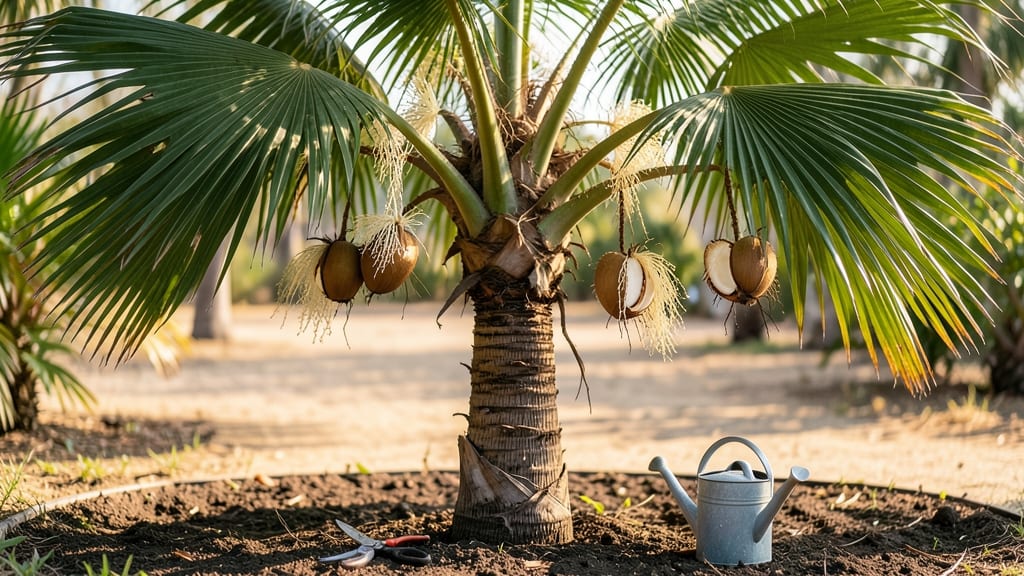
Growing a single coconut tree from seed to harvestable fruit is the ultimate tropical adventure—right in your own yard. 🌴 I planted mine in a 15-gallon pot three years ago, and now it produces 3-4 nuts annually, proving you don’t need a beach to enjoy fresh coconut.
The key lies in choosing the right variety (like the dwarf coconut palm) and mimicking its native conditions as closely as possible.
Your tree will need full sun (6+ hours daily) and well-draining soil—think sandy loam mixed with perlite to prevent root rot. In colder climates, move it indoors during winter or grow it in a container you can roll to shelter.
Watering is simple: keep the soil consistently moist but never soggy, and fertilize monthly with a balanced palm fertilizer during growing season.
Pruning is minimal—just remove dead fronds and any fronds touching the ground to prevent disease. With proper care, you’ll see your first flowers in 3-5 years, followed by coconuts within 6-12 months after that. The first harvest might be small, but each year brings more fruit as the tree matures.
Cold sensitivity is the biggest challenge, but with the right variety and seasonal adjustments, even temperate gardeners can enjoy this tropical beauty. Whether you’re growing in a pot or planting directly in the ground, the reward of cracking open your own coconut makes every effort worthwhile.
📚 In This Guide
- What you need
- Instructions
- Tips and common mistakes
- Wrapping up and next steps
What you need
- ● Coconut Seedling or Sapling: 1 healthy Cocos nucifera sapling (6–12 months old, nursery-grown for best results).
- ● Alternative: A mature coconut with a viable sprout (soak in water for 3–4 days to germinate).
- ● Well-Draining Soil: 50 lbs of coconut-specific potting mix (or a blend of 60% sand, 30% peat moss, and 10% compost).
- ● 1–2 lbs of perlite or pumice (for aeration).
- ● Container or Planting Site: Container Option: 1 large pot (3+ ft diameter, with drainage holes) or a 55-gallon drum for young trees.
- ● Outdoor Option: A sunny, sheltered spot with 6+ hours of direct sunlight daily and protection from strong winds.
- ● Basic Gardening Tools: 1 trowel or spade (for planting).
- ● 1 pruning shears (sterilized, sharp blades for trimming).
- ● 1 watering can or hose with a gentle spray nozzle.
- ● Fertilizer: 1 balanced fertilizer (10-10-10 NPK ratio) for initial planting.
- ● 1 organic compost (e.g., worm castings or banana peel compost) for long-term growth.
- ● Soil Testing Kit: To check pH (ideal: 5.5–6.5) and nutrient levels.
- ● Mulch: 2–3 inches of straw or wood chips to retain moisture.
- ● Support Stake: 1 bamboo or metal stake (for young trees in windy areas).
- ● Drip Irrigation System: For consistent moisture (especially in dry climates).
- ● Pest Control: Neem oil or copper-based fungicide (preventative measure).
Step-by-Step instructions for planting and caring for a single coconut tree
Here's how to get your tropical beauty thriving with minimal fuss—just follow these key stages.
🌱 Step 1: Select and Prepare the Right Planting Site
Coconut palms need full sun—at least 6-8 hours daily—so choose a location that gets direct sunlight year-round. If you're in a cooler climate, find the warmest, most sheltered spot possible. The soil should drain well since coconut trees hate soggy roots. If your soil is heavy clay, amend it with 2-3 inches of coarse sand or perlite mixed into the top 12 inches of soil.
Dig a hole twice as wide as the root ball but only as deep as the container it came in. This prevents burying the trunk too deep, which can cause rot. Gently remove the tree from its container and loosen any circling roots with your fingers—this encourages outward growth instead of strangling itself.
☀️ Step 2: Plant and Establish the Tree Properly
Place the coconut tree in the hole so the top of the root ball sits just below soil level—never deeper. Backfill with native soil, tamping lightly every 4 inches to remove air pockets. Create a 2-inch-deep watering basin around the base to help direct moisture to the roots. Water deeply right after planting to settle the soil and eliminate air gaps.
For the first 2-3 weeks, keep the soil consistently moist but not soggy. You'll know it's right when water drains through the hole within 30-60 minutes after watering. Mulch the base with 2-3 inches of organic mulch (like wood chips) to retain moisture and regulate soil temperature—just keep it 6 inches away from the trunk to prevent rot.
💧 Step 3: Water and Fertilize for Healthy Growth
Once established, coconut trees are surprisingly drought-tolerant, but young trees need deep watering every 5-7 days during dry spells. Water slowly until it runs out the drainage hole—this encourages deep root growth. Avoid wetting the leaves to prevent fungal diseases like bud rot, which can kill flowers before they open.
Fertilize once in early spring with a balanced palm fertilizer (like 8-8-8 or 10-10-10) mixed at half the recommended strength. Scatter the granules evenly in the 12-inch radius around the trunk, then water deeply to activate them. Skip fertilizing in fall or winter—your tree will be dormant and won’t use the nutrients.
✂️ Step 4: Prune Strategically for Year-Round Harvest
Coconut trees need minimal pruning, but removing dead or damaged fronds keeps the tree healthy and encourages new growth. Use clean, sharp pruners to cut fronds at the base where they meet the trunk—never leave stubs. Prune only when fronds are completely brown and dry, as cutting live fronds weakens the tree.
Here's the thing—never prune more than 1/3 of the fronds at once. This ensures the tree can still photosynthesize enough to support itself. If you see yellowing leaves (a sign of nutrient deficiency), it’s time to fertilize again. Healthy fronds should be green with a slight sheen, not dull or spotted.
🪴 Step 5: Protect and Monitor for Long-Term Success
Young coconut trees are vulnerable to cold snaps—if temperatures dip below 32°F, cover the trunk with burlap or frost cloth to insulate it. Mature trees handle cooler temps better but may still suffer damage if exposed to prolonged freezing. Watch for pests like palm weevils, which bore into the trunk—remove any fronds with holes or sawdust-like frass immediately.
Your tree will start flowering in 3-5 years, producing 1-2 coconuts per year once mature. Harvest coconuts when they turn golden brown and fall naturally—never climb to pick them, as this can damage the tree. Store unopened coconuts in a cool, dry place for up to 3 months before they spoil.
Tips & tricks for perfect single coconut tree growth
A few simple strategies will help your tropical palm thrive from planting to harvest—without the guesswork.
Site Selection Wisdom: The 6-8 hours of daily sun requirement is non-negotiable, but here's the thing—morning sun is more important than afternoon. If you're in a cooler zone, plant against a south-facing wall or fence to capture reflected heat. I've seen trees in microclimates with 5 hours of direct sun struggle, while those with morning sun plus afternoon shelter thrive. Test your spot for a week first by tracking sunlight patterns.
Root Ball Care: When loosening circling roots in Step 1, don't just pull them apart—make small vertical cuts with a knife if they're tightly bound. This mimics natural root spread and prevents the "strangling" effect mentioned. I learned this the hard way after watching a tree's growth stall for two years because of uncut roots. For container-grown trees, gently squeeze the sides of the pot to encourage roots to spread outward before transplanting.
Watering Technique: That 2-inch-deep watering basin in Step 2 is your best friend. Fill it completely after planting, then let it drain completely before adding more water. This prevents soggy soil while ensuring deep saturation. For the first 2-3 weeks, I check moisture by sticking my finger 2 inches down—if it's dry, water again. Overwatering is the #1 killer of young coconut trees, so resist the urge to keep soil constantly wet.
Cold Protection Hack: The 32°F threshold is strict, but here's what nobody tells you—wrap the trunk with burlap before temperatures drop, not just during the cold snap. This creates a thermal barrier that helps maintain trunk temperature. I've used old towels or even thick cardboard in a pinch, but burlap breathes better and lasts longer. For extreme cold, add a layer of bubble wrap underneath the burlap for extra insulation.
Pro Tips for Single Coconut Tree
- A few simple strategies will help your tropical palm thrive from planting to harvest—without the guesswork.
- Site Selection Wisdom: The 6-8 hours of daily sun requirement is non-negotiable, but here's the thing—morning sun is more important than afternoon.
- Root Ball Care: When loosening circling roots in Step 1, don't just pull them apart—make small vertical cuts with a knife if they're tightly bound.
Frequently asked questions
Got questions about growing a single coconut tree? You’re not alone! Here are answers to the most common queries—from planting to harvest and everything in between.
How long does it take for a single coconut tree to bear fruit?
A single coconut tree typically takes 5–7 years to produce its first coconuts, depending on climate, soil, and care. In tropical zones with ideal conditions, some varieties may fruit sooner—around 3–4 years. Patience is key!
How much water does a single coconut tree need?
Young trees (under 3 years) need regular watering (1–2 times weekly), while mature trees thrive with deep, infrequent watering (every 2–4 weeks) once established. Overwatering can harm roots, so ensure well-draining soil. Drought stress slows growth and fruit production.
Can I grow a coconut tree indoors or in a container?
While possible, coconut trees are best grown outdoors in warm climates (USDA zones 10–12). If container-growing, use a large pot (20+ gallons) with drainage, keep it in full sun, and expect slower growth. Indoors? Forget it—these trees need tropical heat and humidity to thrive!
How often should I prune a single coconut tree?
Minimal pruning is ideal! Remove dead or diseased fronds as needed and trim overcrowded leaves to improve airflow. Avoid heavy pruning—coconut trees rely on their fronds for energy. Focus on harvesting mature coconuts (when husks turn brown) rather than aggressive trimming.
What pests or diseases should I watch for in a single coconut tree?
Common issues include:
- Rhizoctonia root rot (from overwatering) – Fix with well-draining soil.
- Coconut rhinoceros beetle (larvae attack roots) – Use neem oil or trap adults.
- Leaf blight (fungal) – Prune infected fronds and apply copper fungicide.
Wrapping up and next steps
A single coconut tree can be your year-round tropical oasis with just a little care! 🌴 With the right location, soil, and minimal pruning techniques, you’ll enjoy fresh coconuts, lush foliage, and even shade for decades. The key? Consistency—whether it’s monitoring pests, fertilizing, or pruning dead fronds.
Ready to turn your backyard into a coconut paradise? Start by planting your sapling today—or, if you already have a tree, give it the TLC it deserves. Watch as your efforts bloom into bountiful harvests and a healthier, happier tree! 🌱