Pruning
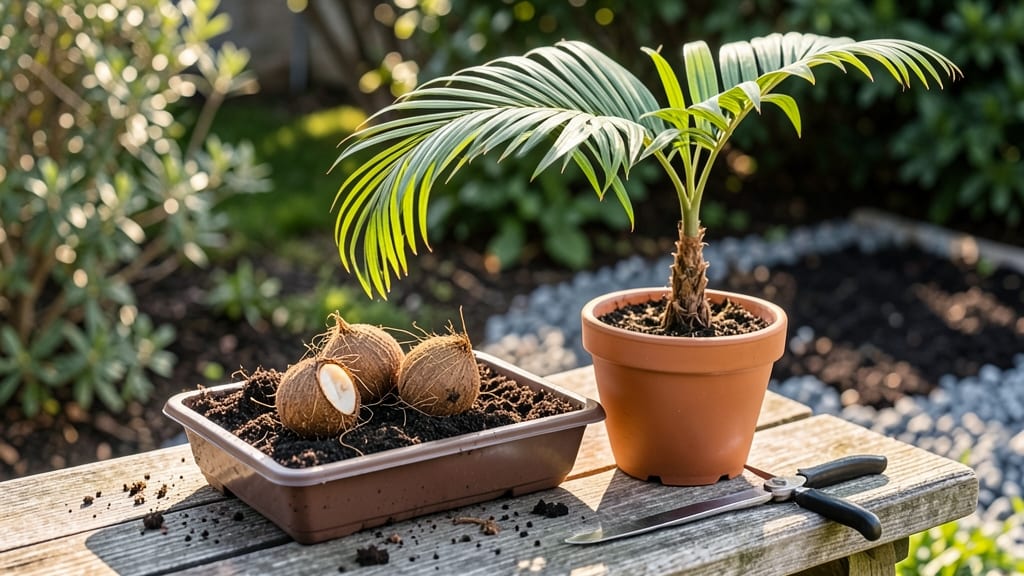
Growing coconut palm trees from seeds unlocks a taste of the tropics right in your own yard—if you know the right tricks. 🌴 The key isn’t just planting the seed; it’s understanding how to break through that tough outer shell and coax life from something that looks more like a hard nut than a future 60-foot giant.
I’ve learned the hard way that patience and the right conditions make all the difference between a thriving seedling and a sad, rotting husk.
You’ll need a few simple supplies: a coconut with a viable seed (look for one that’s heavy for its size), a deep container for the root to grow, and a warm spot with bright, indirect light.
The real magic happens when you soak the coconut for 24 hours to soften the husk, then plant it with the pointed end up—just a few inches deep. Most people rush this step, but letting the seedling establish strong roots before transplanting is what separates success from failure.
Once you see that first pale shoot break through the husk, you’ll know you’re on the right track. With consistent moisture and humidity, your seedling could reach 6 inches in just a few months—though don’t expect overnight miracles.
The biggest challenge is keeping it alive long enough for those fronds to unfurl, but with the right care, you’ll be watching it grow taller than your house in a decade.
This method works best in warm climates (zones 10-11), but even cooler areas can try it indoors near a sunny window. The slow growth is part of the charm—it’s a long-term project that rewards persistence. Ready to start your own tropical journey? Let’s get those seeds sprouting.
📚 In This Guide
- What you need
- Instructions
- Tips and common mistakes
- Wrapping up and next steps
What you need
- ● Fresh coconut palm seeds: 1–3 mature, brown coconuts (preferably from a healthy tree; avoid green or unripe ones).
- ● Sharp knife or coconut cutter: For safely opening the coconut without damaging the seed.
- ● Potting mix: 3–5 gallons of well-draining, sandy loam or coconut coir mix (avoid heavy clay).
- ● Large container or pot: 12–18 inches in diameter with drainage holes (or a nursery bag for germination).
- ● Watering can or spray bottle: For gentle hydration (avoid soaking).
- ● Plastic wrap or humidity dome: To maintain moisture during germination.
- ● Grow lights or sunny window: A spot with warmth (75–85°F) and indirect light (6+ hours/day).
- ○ Seedling heat mat (optional): Helps maintain warmth if your climate dips below 70°F.
- ● Fertilizer (balanced, low-nitrogen): 5-5-5 or organic compost (use sparingly after germination).
- ● Pruning shears: For trimming brown fronds as the seedling grows.
- ● pH test kit: Ensures soil pH stays between 5.5–6.5 (coconuts prefer slightly acidic soil).
- ● Transplanting pot (1–2 years later): 24+ inches deep for mature root systems.
Step-by-Step instructions for growing coconut palm tree seeds
Here's my foolproof method for coaxing those stubborn coconut seeds into life.
🌱 Step 1: Prepare the Seed for Germination
Start with a fresh coconut—look for one with a white, fibrous husk still attached. The husk protects the seed while allowing moisture to penetrate. Use a sharp knife to carefully cut off the top third of the coconut, exposing the brown, hard shell underneath. This top portion contains the "eye" (the germination point) where roots will emerge.
Here's the thing—don't rush to plant it yet. Place the coconut in a warm spot with indirect light and keep it moist by wrapping it in a damp paper towel. I like to prop it up in a glass of water so the base stays submerged by about an inch. This pre-soaking mimics tropical rainfall and softens the hard shell, making germination easier. You'll know it's ready when you see tiny white roots pushing through the eye after about 2-4 weeks.
💧 Step 2: Plant the Germinated Seed
Once roots reach about 2-3 inches long, it's time to plant. Fill a 6-inch deep container with a mix of 50% potting soil and 50% perlite—this ensures excellent drainage, which coconut palms absolutely need. Coconuts hate soggy roots, so the perlite prevents waterlogging while still holding moisture.
Make a hole in the center of the container, just deep enough to bury the coconut's base up to the point where the roots begin. Gently place the coconut in the hole and firm the soil around it lightly. Don't pack it down too hard—you want the soil to stay loose so those early roots can spread easily. Water gently until the soil feels evenly moist but not dripping.
☀️ Step 3: Provide Warmth and Humidity
Coconut palms thrive in warmth—keep your seedling in a spot where temperatures stay between 75-85°F at all times. If your home runs cooler, a seedling heat mat set to 80°F will give it the boost it needs. Place the container on a tray filled with pebbles and water to create a humidity tray—this mimics the tropical environment where coconut palms naturally grow.
Keep the soil consistently moist but never soggy. You'll see the seedling emerge from the coconut's top after 4-8 weeks, depending on warmth and humidity. Watch for the first true leaves to unfurl—they'll look like long, slender fronds. This is your signal that the seedling is actively growing and ready for more light. Move it to a bright spot with indirect sunlight for 6-8 hours daily to prevent scorching.
🌿 Step 4: Transplant and Encourage Growth
After the seedling has developed 3-4 fronds and is about 12 inches tall, it's time to transplant it into a larger container. Choose a 12-inch diameter pot with drainage holes and fill it with a well-draining mix of 60% potting soil, 20% perlite, and 20% coarse sand. This blend prevents compaction and mimics the sandy soils of tropical coastlines.
Dig a hole in the center of the new pot, gently remove the seedling from its old container, and place it in the hole. Fill around the roots with soil, pressing lightly to secure the plant. Water deeply until water runs out the drainage holes, then let it drain completely. From now on, water when the top 2 inches of soil feel dry—coconut palms are drought-tolerant once established, but young seedlings need consistent moisture.
⏰ Step 5: Maintain Tropical Conditions
As your coconut palm grows, it'll need full sun for 6-8 hours daily to develop strong, healthy fronds. If you're growing indoors, a south-facing window or a grow light positioned 12-18 inches away will work. Rotate the pot a quarter turn weekly so the plant grows straight and doesn't lean toward the light.
Fertilize lightly every 2 months with a balanced, water-soluble fertilizer diluted to half strength. Over-fertilizing can burn the delicate roots, so less is more. With patience and the right conditions, your coconut palm will reward you with lush, tropical growth—eventually reaching 10-15 feet tall indoors or much taller if planted outdoors in warm climates.
Tips & tricks for perfect coconut palm tree seedlings
Here's what I learned after watching my first coconut seedling struggle through the early stages—these tricks make all the difference.
Root Development Watch: In Step 1, when you're waiting for those first roots to appear (after about 2-4 weeks), check daily for signs of life. The roots should be white and firm, not brown or mushy. If you notice browning, it's a sign of rot—this means your coconut was planted too deep or the soil stayed too wet. Adjust by planting shallower next time and using less water during this stage.
Soil Mix Secrets: For Step 2, don't skimp on the perlite! I've tried using regular potting soil alone, and the roots struggled to breathe. The 50-50 mix of potting soil and perlite is non-negotiable—it prevents that dreaded waterlogging that kills coconut seedlings faster than anything. If you don't have perlite, coarse sand works in a pinch, but perlite gives better aeration.
Temperature Troubleshooting: Maintaining that 75-85°F range in Step 3 is crucial, but real talk: most homes don't stay that warm naturally. If your coconut palm seedling seems sluggish, place a small space heater near the humidity tray (but not too close—keep it 2 feet away). I've seen seedlings perk up dramatically when moved to a warmer spot, even if just for a few hours daily.
Transplanting Timing: When you're ready for Step 4, don't wait until the seedling is desperate for space. At 12 inches tall with 3-4 fronds, it's already asking for more room. I've made the mistake of waiting too long, and the roots become tangled and stressed during transplant. The earlier you move it to that 12-inch pot, the happier your palm will be long-term.
Pro Tips for Coconut Palm Tree Seeds
- Here's what I learned after watching my first coconut seedling struggle through the early stages—these tricks make al...
- Root Development Watch: In Step 1, when you're waiting for those first roots to appear (after about 2-4 weeks), check...
- Soil Mix Secrets: For Step 2, don't skimp on the perlite! I've tried using regular potting soil alone, and the roots ...
Frequently asked questions
Got questions about growing coconut palm tree seeds? You’re not alone—these tropical gems need just the right touch! Here are answers to the most common queries to help you nurture your own coconut palm from seed.
How long does it take for coconut palm seeds to germinate?
Germination can take anywhere from 1 to 6 months, depending on factors like seed freshness, temperature (ideal: 75–90°F), and moisture. Patience is key—some seeds sprout faster with a warm, humid environment and occasional soaking. Keep checking for tiny root cracks!
Do I need to soak coconut seeds before planting?
Yes! Soaking your coconut seed for 24–48 hours in warm water softens the hard shell and kickstarts germination. After soaking, plant it half-buried in moist potting mix (sphagnum moss works great) to encourage root growth. Pro tip: Use a clear container to monitor progress!
Can coconut palm seeds grow indoors?
Start them indoors in a sunny spot (or under grow lights) until they’re 1–2 feet tall. Once warm weather arrives, transplant seedlings outdoors in well-draining soil and protect them from frost. Warning: Coconut palms thrive in USDA zones 10–11—colder climates may require container growing.
Why isn’t my coconut seed sprouting?
If your seed isn’t germinating after 2–3 months, check these fixes:
- Freshness: Older seeds (over 6 months) may not sprout.
- Heat: Use a seedling heat mat if temps drop below 70°F.
- Moisture: Keep soil damp (not soggy) to prevent rot.
- Shell damage: Gently nick the seed’s hard side with a knife if it’s intact.
What’s the best alternative if coconut seeds don’t work?
If germination fails, consider buying a young coconut palm sapling (3–6 months old) from a nursery. Alternatively, try king palm or date palm seeds, which are easier for beginners. Just ensure they’re cold-hardy for your climate!
Wrapping up and next steps
Growing your own coconut palm tree from seeds is a rewarding journey that connects you to nature’s tropical magic! 🌴 With the right patience, preparation, and care, you’ll soon witness those first tender sprouts break through the soil—a symbol of resilience and potential.
Whether you’re a seasoned gardener or a curious beginner, every small step brings you closer to nurturing a stunning, sun-drenched palm.
Ready to take the next step? Start by gathering your seeds and supplies, then dive into the germination process with confidence. Who knows? You might just grow a future shade provider or even a source of fresh coconuts! Happy planting! 🌱