
Pruning
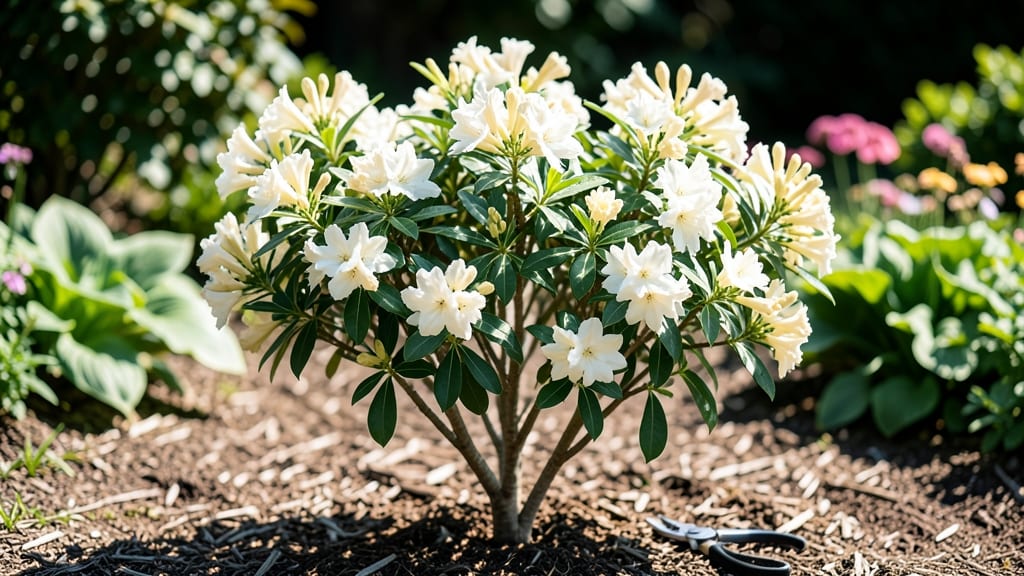
Mastering mock orange tree care is easier than you think—just a few simple steps unlock their effortless charm, from fragrant blooms to low-maintenance growth. 🌸 I’ve grown them for years, and the secret lies in well-draining soil, bright sun, and minimal fuss. spot, and just enough water to keep roots happy—not soggy.
The best part? Their blooms arrive reliably every spring, filling the air with fragrance that outshines most roses.
These trees thrive in USDA zones 4-9, making them versatile for cool climates and warmer regions alike. Start with soil that’s slightly acidic to neutral (pH 6.0-7.0), and place them where they get at least 6 hours of sunlight daily.
Watering is easy—keep the soil moist but never waterlogged, especially during the first year. Once established, they’re drought-tolerant, which means less fuss and more blooms.
Pruning is where mock orange trees truly shine. With just a few cuts per year, you encourage dense growth and even more fragrant flowers. The key? Trim back any dead or crossing branches in late winter or early spring, and shape the tree lightly after blooming.
No need for heavy-handed pruning—these trees reward patience with years of low-maintenance beauty.
Pests and diseases rarely bother them, but watch for aphids or powdery mildew in humid climates. A quick spray of water or neem oil usually does the trick.
With the right care, your mock orange will reward you with decades of fragrant blooms, proving that some of the best things in gardening require the least effort.
📚 In This Guide
- What you need
- Instructions
- Tips and common mistakes
- Wrapping up and next steps
What you need
- ● Mock orange tree (Philadelphus spp.) – Choose a healthy, disease-free plant (bare-root or potted). Popular varieties include Philadelphus coronarius (common mock orange) or Philadelphus lewisii (Lewis mock orange).
- ● Well-draining potting mix or garden soil – A blend of 60% topsoil, 30% compost, and 10% perlite or sand works best for potted trees.
- ● Garden trowel or shovel – For planting or repotting.
- ● Pruning shears or loppers – Bypass pruners (for clean cuts) or loppers (for thicker branches). Ensure they’re sterilized (rubbing alcohol or bleach wipe).
- ○ Mulch (optional but recommended) – 2–3 inches of organic mulch (e.g., shredded bark or wood chips) to retain moisture and suppress weeds.
- ● Watering can or hose with a gentle spray nozzle – Mock orange trees prefer deep but infrequent watering (1–1.5 gallons per week, depending on climate).
- ○ Fertilizer (balanced or acidic, optional) – A 10-10-10 or 20-20-20 fertilizer (spring/early summer) or acid-loving plant fertilizer (e.g., for azaleas/rhododendrons).
- ● Support stake (for young trees) – A 5–6 ft tall stake to prevent toppling in windy areas.
- ● Soil pH tester – Mock orange thrives in acidic to neutral soil (pH 6.0–7.0). Adjust with sulfur (for raising acidity) or lime (for lowering acidity) if needed.
- ● Slow-release fertilizer tablets – For potted trees, place 1–2 tablets in the soil at planting time.
- ● Tree collar guard – Protects the base of the trunk from lawnmower damage or rodent gnawing.
- ● Fungal spray (preventative) – Copper fungicide or neem oil to ward off powdery mildew (common in humid climates).
- ● Gloves & long sleeves – Mock orange has thorns—protect yourself while pruning!
Step-by-step instructions for growing a thriving mock orange tree
Here's how to coax that sweet fragrance from your mock orange—with less work than you'd think.
🪴 Step 1: Plant in the Right Spot With Proper Soil
Mock orange trees love sunlight—plant yours where it gets 6-8 hours of direct sun daily. The fragrance peaks in full sun, so don't skimp here. I dig a hole twice as wide as the root ball but only as deep as the container it came in. This keeps the roots from settling too low, which can rot over time.
Amend the native soil with 3-4 inches of compost mixed into the bottom of the hole. Mock orange tolerates many soil types but thrives in well-draining, slightly acidic soil (pH 6.0-7.0). If your soil is heavy clay, add a shovelful of pearlite to improve aeration. Tap the tree gently when placing it in the hole—this helps eliminate air pockets around the roots.
☀️ Step 2: Water Deeply and Establish a Routine
Water deeply right after planting—soak the root zone until water runs out the bottom of the hole. You'll know it's enough when the top 6 inches of soil feel moist all the way through. Overwatering now is worse than underwatering; mock orange roots need air almost as much as water.
Once established, water once a week during dry spells (check by sticking your finger 2 inches deep—if it feels dry, water). The tree's deep roots mean it's drought-tolerant once mature, but young trees need consistent moisture. Mulch with 2-3 inches of organic mulch (like shredded bark) around the base to lock in moisture and keep roots cool.
✂️ Step 3: Prune Only When Necessary
Mock orange trees are famous for their minimal pruning needs. I only prune in late winter or early spring before new growth starts. Remove dead, crossing, or diseased branches first—cut just outside the branch collar where it meets the trunk. This prevents ugly stubs and infections.
Shape lightly by thinning out overcrowded branches to improve airflow. Never prune more than 25% of the tree in one season—this can stress the plant and reduce flowering. The goal is to keep the tree open enough for sunlight to reach all branches, which is when those signature orange-blossom-scented flowers really shine.
🌿 Step 4: Feed and Protect for Year-Round Blooms
Feed your mock orange in early spring with a balanced, slow-release fertilizer (10-10-10 works well). Scatter the granules evenly under the dripline (the edge of the tree's canopy) and water deeply to activate them. Too much fertilizer later in the season can reduce flowering—mock orange blooms on old wood, so timing matters.
Watch for aphids or scale insects on new growth. I spray with neem oil at the first sign of pests—it's gentle but effective. Mock orange is generally pest-resistant, but stressed trees attract problems. If leaves yellow in summer, it's usually overwatering or poor drainage—adjust your routine and the tree bounces back quickly.
Tips & tricks for perfect mock orange tree care
Here's what I've learned after years of growing these fragrant beauties—simple tricks that make all the difference.
Sunlight Secret: That 6-8 hours of direct sun isn't just about growth—it's where the fragrance really develops. I've noticed the most intense scent comes from trees planted in full morning sun with afternoon shade in hot climates. If your yard gets intense afternoon sun, consider placing it near a wall that reflects light back to the tree during those critical morning hours.
Soil Prep Hack: When amending with compost, I always mix in a handful of egg shells (crushed) along with the 3-4 inches of compost. The calcium helps prevent blossom end rot and keeps the tree's natural pH balance. For heavy clay soil, I double the pearlite recommendation to 2 shovelfuls—this makes a noticeable difference in drainage without changing the tree's natural acidity.
Watering Wisdom: The 2-inch deep check is perfect, but I've found a better way to test moisture: press your thumb into the soil. If it springs back slowly (like pressing a sponge), it's moist enough. If it springs back immediately, water again. This method gives you a more accurate read than just sticking your finger in. And remember—the top 6 inches should stay moist, but the lower roots need air too!
Pro Tips for Mock Orange Tree Care
- Here's what I've learned after years of growing these fragrant beauties—simple tricks that make all the difference.
- Sunlight Secret: That 6-8 hours of direct sun isn't just about growth—it's where the fragrance really develops.
- Soil Prep Hack: When amending with compost, I always mix in a handful of egg shells (crushed) along with the 3-4 inches of compost.
Frequently asked questions
Got questions about keeping your mock orange tree thriving? You’re not alone!
Here are some of the most common concerns—plus quick, practical answers to keep your fragrant beauty happy all year.
How often should I prune my mock orange tree?
Prune your mock orange tree once a year, ideally in late winter or early spring (before new growth starts). This encourages healthy blooms and maintains its shape. Avoid heavy pruning in fall—it can stimulate tender new growth that won’t survive winter. Pro tip: Remove dead or crossing branches first, then thin out crowded areas for airflow.
Can mock orange trees survive winter in colder climates?
Yes! Mock orange trees (Philadelphus) are hardy in USDA Zones 4-9. In colder zones (like Zone 4), mulch the base with 3-4 inches of organic mulch and protect young trees with burlap wraps if temps drop below -20°F. Established trees usually bounce back fine with minimal care. Bonus: Their fragrant blossoms in spring are worth the wait!
Why aren’t my mock orange flowers fragrant this year?
Several factors can dull the scent: over-fertilizing with high nitrogen (focus on balanced 10-10-10 instead), poor air circulation (prune to open up the canopy), or stress from drought/overwatering. Check soil moisture—it should stay evenly moist but not soggy. If the issue persists, test your soil’s pH (ideal: 6.0-7.0).
What’s a good alternative if my mock orange tree isn’t thriving?
If your mock orange struggles with your climate or soil, try these fragrant, low-maintenance alternatives:
- Deutzia – White/pink blooms, thrives in partial shade.
- Weigela – Vibrant pink/red flowers, drought-tolerant.
- Abelia – Glossy leaves + fragrant blooms, heat-resistant.
- Daphne – Intense winter/spring scent, but needs acidic soil.
Are mock orange trees prone to pests or diseases?
Mock orange trees are generally pest-resistant, but watch for:
Prevention: Mulch properly and prune for sunlight penetration to keep issues at bay.
Wrapping up and next steps
Caring for a mock orange tree is a rewarding journey that brings year-round beauty with minimal effort! 🌿 With the right location, watering, and pruning techniques, you’ll enjoy its fragrant blooms and lush foliage for years to come.
Whether you’re a seasoned gardener or just starting, these tips make mock orange trees a low-maintenance yet stunning addition to any landscape.
Ready to transform your garden? Grab your pruners and get started—your mock orange tree will thank you with months of fragrant blooms! 🌸 For more pruning inspiration, explore our pruning guides or tag us in your garden updates!