
Pruning
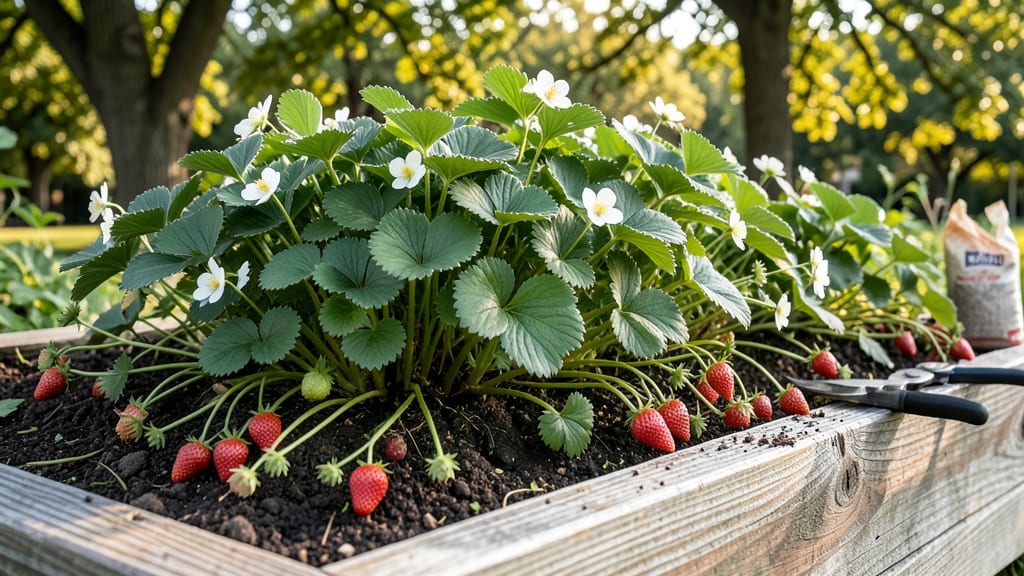
Growing a strawberry bush tree (Arbutus spp.) is like having a four-season showstopper that doubles as a snack station. 🌱 The peeling bark, fragrant white flowers, and tiny red berries (yes, they’re edible!) make this evergreen shrub a standout in any landscape—plus, it thrives with almost no fuss once established.
This plant loves well-draining soil and 6+ hours of sunlight daily, but it’s surprisingly adaptable to different climates—from coastal gardens to inland dry spots. Watering is simple: keep soil moist for the first year, then let it dry slightly between waterings once mature.
The real magic? Its minimal pruning needs—just shape it lightly after flowering to keep it tidy.
You’ll end up with a vibrant, low-maintenance plant that blooms from late spring to fall, with berries ripening in late summer. The scent alone draws pollinators, and the berries—while not as sweet as garden strawberries—are a fun, unexpected treat for birds and humans alike.
Perfect for hedges, specimen planting, or even containers in smaller spaces.
Fair warning: deer and rabbits adore these plants, so protect young specimens if wildlife is a concern. But once it’s established, the strawberry bush tree becomes a self-sufficient superstar that rewards patience with beauty and bounty.
📚 In This Guide
- What you need
- Instructions
- Tips and common mistakes
- Wrapping up and next steps
What you need
- ● Strawberry bush tree (Arbutus unedo) – Choose a healthy 1- to 3-gallon container-grown plant (or a bare-root sapling in cooler climates). Pro tip: Nursery-grown plants adapt better to transplanting! 🌱
- ● Well-draining soil mix – A blend of 60% native soil, 30% compost, and 10% perlite or coarse sand (critical for preventing root rot!).
- ● Organic mulch – 3–4 inches of shredded bark, pine needles, or wood chips (keep mulch 6 inches away from the trunk to avoid moisture buildup).
- ● Slow-release fertilizer – 10-10-10 or 5-5-5 (organic options like fish emulsion or compost tea work too!). Apply once in early spring and again in late summer.
- ● Garden trowel or spade – For digging holes and transplanting.
- ○ Pruning shears or loppers – Bypass pruners (sharp and clean) for shaping and deadheading. Optional: Sterilizing solution (70% isopropyl alcohol) to disinfect tools between cuts!
- ● Garden gloves – Heavy-duty work gloves to protect against thorns and rough bark.
- ○ Watering can or hose with a gentle nozzle – Drip irrigation (optional but ideal for consistent moisture).
- ● Measuring tape or ruler – For spacing plants 8–10 feet apart (they grow wide!).
- ● Sunlight – Full sun (6+ hours/day) for best blooms and fruit. Partial shade (4–6 hours) is tolerable but may reduce flowering.
- ● Climate zone – USDA Hardiness Zones 7–9 (can tolerate brief dips to 10°F with protection). Cold-hardy varieties like ‘Compacta’ are great for Zone 6!
- ● Water access – Deep watering 1–2 times per week (more in extreme heat). Avoid soggy soil—drought tolerance increases after establishment (Year 2+).
- ● Patience! – Strawberry bush trees take 3–5 years to mature and produce fruit, but their ornamental value (blooms, peeling bark, and glossy leaves) makes the wait worth it. ✨
Step-by-Step instructions for cultivating a thriving strawberry bush tree
Here's how to coax vibrant, low-maintenance blooms from this striking shrub—no heavy pruning required.
🌱 Step 1: Select and Prepare the Planting Site
Choose a location with partial shade to full sun—this shrub tolerates both but thrives with at least 4-6 hours of direct sunlight daily. I always test the spot by observing how quickly morning dew evaporates; if it lingers past 10 AM, the area gets too much shade. Amend the soil with 2-3 inches of compost mixed into the top 12 inches to ensure good drainage while retaining moisture.
Strawberry bush trees hate soggy roots, so if your soil drains poorly, raise the planting area by 6-8 inches using a mound of native soil mixed with 50% perlite. The roots should never sit in water more than 24 hours. Here's the thing—this shrub's native range includes rocky, well-drained slopes, so mimic those conditions.
☀️ Step 2: Plant at the Right Depth and Spacing
Dig a hole twice as wide as the root ball but only as deep as the container's root base. This prevents burying the trunk too deeply, which can cause rot. Gently loosen the roots if they're circling the pot—just tease them apart with your fingers, no need to force them. Place the plant so the top of the root ball sits 1 inch above the surrounding soil level (this helps prevent water pooling).
Space plants 8-10 feet apart for full-size shrubs, or 5-6 feet if you're growing a dwarf variety. I always mark the spot with a stake before digging to ensure proper spacing—trust me, you'll regret crowding these later when pruning becomes a nightmare. Backfill with native soil mixed with 1 cup of slow-release fertilizer (10-10-10 ratio) to give it a nutrient boost without burning tender roots.
💧 Step 3: Water Deeply and Establish a Routine
Water deeply immediately after planting—aim for 1-2 gallons spread evenly around the root zone. The soil should be moist 12 inches down, not just at the surface. You'll know it's right when water drains out the bottom of the hole within 30-60 minutes. After that, water twice weekly for the first 6-8 weeks to encourage root establishment, then taper to once weekly once new growth appears.
Real talk: Overwatering is the #1 killer of strawberry bush trees. Let the top 2 inches of soil dry out between waterings—stick your finger in to check. Mulch with 2-3 inches of shredded bark (keep it 6 inches away from the trunk) to retain moisture and suppress weeds. This mulch will also break down slowly, adding organic matter to the soil over time.
✂️ Step 4: Prune for Shape and Encourage Blooms
Here's where minimal pruning comes into play: Prune only to shape in late winter or early spring before new growth begins. Remove dead, diseased, or crossing branches first—cut back to the nearest outward-facing bud. Never leave stubs; always make clean cuts at a 45-degree angle just above a bud. The goal is to maintain an open center that allows light and air to circulate.
For year-round blooms, I lightly trim back 1/3 of the oldest stems each year to encourage new growth. This keeps the shrub compact and flowering continuously. If you notice leggy growth, it's a sign of too little light—move the plant or prune back aggressively to stimulate bushier growth. Never prune after mid-summer; new growth won't harden off before winter.
🌿 Step 5: Feed and Protect for Long-Term Health
Fertilize once in early spring with ½ cup of 10-10-10 slow-release fertilizer spread evenly over the root zone. Water it in immediately to prevent root burn. This shrub isn't a heavy feeder, so too much fertilizer leads to lush foliage but fewer flowers. I also add 1 cup of bone meal in early spring to boost phosphorus for better blooming—it's a game-changer for vibrant flowers.
Watch for spider mites or scale on the undersides of leaves, especially in hot, dry summers. Treat infestations immediately with neem oil spray (mix 1 tbsp neem oil + 1 tsp mild soap per gallon of water). Spray in the early morning on a calm day to avoid damaging the foliage. A healthy strawberry bush tree should require zero pesticides if given proper care and spacing.
Tips & tricks for cultivating a thriving strawberry bush tree
These essential insights will help you avoid common pitfalls and maximize your strawberry bush tree's potential for stunning year-round blooms.
Location Intelligence: The 4-6 hours of sunlight mentioned in Step 1 is non-negotiable for vibrant blooms. I recommend planting where morning sun hits the leaves directly—this prevents scorching while still providing the light intensity needed for photosynthesis. If your yard has limited sun, consider a dwarf variety that thrives with just 4 hours of direct light. Watch for leaves that turn yellow or develop brown patches; these are clear signs of insufficient light exposure.
Root Establishment Strategy: After planting, the 30-60 minute drainage test in Step 3 is your best indicator of proper watering. If water pools at the surface after 60 minutes, your soil is too compacted—amend with another 1-2 inches of compost and perlite mix. For container growing, ensure pots have drainage holes and use a well-draining cactus/succulent mix. I've found that adding a handful of coarse sand to the bottom of containers prevents waterlogging entirely.
Pruning Precision: When trimming back 1/3 of the oldest stems in Step 4, focus on the largest, thickest branches first—they're the most woody and least productive. Use sharp pruners to make clean cuts at a 45-degree angle just above an outward-facing bud. This technique prevents water from pooling on the cut and encourages new growth in the right direction. I always prune on a dry day to reduce the risk of fungal infections entering through fresh cuts.
Fertilization Fine-Tuning: The ½ cup of 10-10-10 fertilizer in Step 5 is perfect for spring feeding, but timing matters. Apply it when you see the first signs of new growth in early spring—typically when you notice tiny leaf buds swelling on the stems. Too early, and the fertilizer won't be utilized; too late, and you'll promote leafy growth at the expense of blooms. For established plants, I skip the fertilizer entirely after the first year unless the soil is particularly poor.
Pro Tips for Strawberry Bush Tree
- These essential insights will help you avoid common pitfalls and maximize your strawberry bush tree's potential for stunning year-round blooms.
- Location Intelligence: The 4-6 hours of sunlight mentioned in Step 1 is non-negotiable for vibrant blooms.
- Root Establishment Strategy: After planting, the 30-60 minute drainage test in Step 3 is your best indicator of proper watering.
Frequently asked questions
Got questions about growing and caring for your strawberry bush tree? You’re not alone! Here are some of the most common queries—plus straightforward answers to help you keep your plant thriving with minimal fuss.
How often should I prune my strawberry bush tree?
Prune your strawberry bush tree just once a year, ideally in late winter or early spring before new growth begins. Focus on removing dead, diseased, or crossing branches to improve airflow. Over-pruning can stress the plant, so aim for a light touch—think "less is more" for this low-maintenance beauty!
Is the strawberry bush tree frost-hardy?
Yes! Most varieties (like Arbutus unedo) are hardy in USDA zones 7-9, tolerating light frosts down to 10°F (-12°C). For colder climates, plant in a sheltered spot or mulch heavily in winter. Young plants may need extra protection until established.
Will my strawberry bush tree produce edible strawberries?
Nope—despite the name, this plant (Arbutus species) bears tiny, inedible white or pink berries (not strawberries!). The real star? Its fragrant, year-round blooms and glossy evergreen leaves. It’s all about the show, not the snack!
What’s the best alternative if I want edible strawberries?
For actual strawberries, try classic varieties like June-bearing or everbearing plants (e.g., 'Albion' or 'Seascape'). These thrive in containers or gardens but require more attention (staking, mulching, and regular pruning). The strawberry bush tree? Pure ornamental magic with zero fruit fuss!
Why aren’t my strawberry bush tree’s leaves staying green?
Yellowing or browning leaves often signal overwatering, poor drainage, or pests (like spider mites). Check soil moisture—it should stay slightly dry between waterings. If pests are the culprit, hose off leaves or treat with neem oil. Drainage issues? Amend soil with sand or gravel.
Can I grow a strawberry bush tree in a pot?
Use a large container (15+ gallons) with drainage holes and well-draining soil. Repot every 2–3 years, and place it in partial sun (morning sun + afternoon shade works best). Just avoid letting roots circle—trim them if needed to encourage outward growth.
Still stumped? Drop your question below—we’ve got answers!
Wrapping up and next steps
The strawberry bush tree is a stunning, low-maintenance addition to any garden, offering vibrant blooms and effortless charm year-round. With just a few simple pruning steps, you can keep it thriving while minimizing upkeep—making it perfect for busy gardeners or beginners!
Whether you’re drawn to its fragrant flowers or its lush foliage, this plant delivers beauty with minimal fuss.
Ready to transform your outdoor space? 🌸 Start by gathering your tools and picking a sunny spot—then watch your strawberry bush tree flourish with confidence! Next, share your progress with fellow gardeners or tag us in your photos for inspiration.