
Pruning
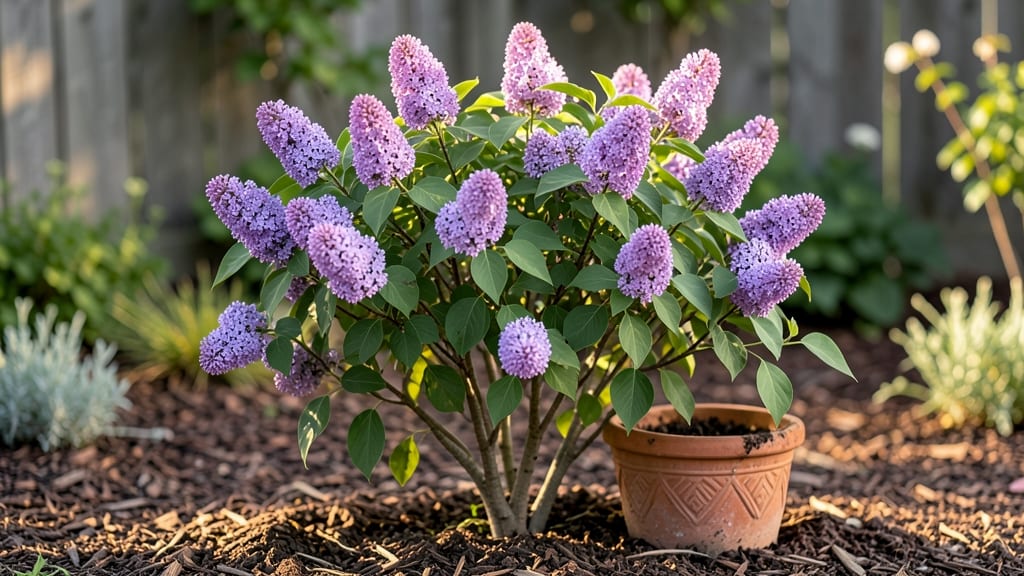
That first whiff of lilac in late spring—it’s the Pacific Northwest’s secret weapon for fragrance without the fuss. 🌿 Small lilac trees like Syringa meyeri thrive in our damp winters and mild summers, but pruning them right keeps them compact, blooming, and frost-resistant.
I’ve watched mine go from scraggly to showstopper in just two seasons with the right cuts.
The key is timing and technique: prune right after flowering, never in fall, and always with sharp shears. You’ll need gloves (those branches are thorny), a pair of bypass pruners, and a vision for your tree’s shape—whether that’s a tidy mound or a graceful arch.
Most compact lilacs need no more than 25% of their branches trimmed each year to stay healthy.
What you’ll end up with is a tree that smells like childhood summers, stays neatly contained, and blooms reliably for decades. The flowers stay vibrant even after frost, and the foliage turns a soft gold in fall. Plus, deer and rabbits leave them alone—unlike many other shrubs.
Works for urban yards, cottage gardens, or even large containers. Let’s get those shears ready—your lilac’s best years are ahead.
📚 In This Guide
- What you need
- Instructions
- Tips and common mistakes
- Wrapping up and next steps
What you need
- ● Pruning shears: Sharp, bypass-style shears (for clean cuts on stems up to ½ inch thick). Example: Felco F-2 or Corona 2-in-1.
- ● Loppers: 1 pair (for thicker branches, ¾–1½ inches in diameter). Look for ratcheting or bypass models.
- ● Hand pruners: Anvil-style for small twigs (if you prefer). Sterilize with rubbing alcohol between cuts!
- ● Gloves: Heavy-duty, cut-resistant gloves (e.g., Mechanix or garden-specific brands). Lilac thorns are no joke!
- ● Disinfectant: 70% isopropyl alcohol or copper fungicide (to prevent disease spread).
- ○ Pruning sealant: Optional but helpful for large cuts (e.g., Tanglefoot Tree Wound Pruning Sealer).
- ● Ladder or step stool: If your lilac is over 6 feet tall—safety first!
- ● Trash bags: Heavy-duty, kitchen-sized (for debris). Lilacs shed a lot!
- ● Timing: Prune right after flowering (late spring/early summer) to avoid cutting off next year’s blooms. Never prune in fall/winter!
- ● Weather: Choose a dry, overcast day to minimize stress on the tree.
- ● Safety gear: Sunglasses (for debris) and long sleeves/pants (to avoid scratches).
- ● Water: A hose or bucket to rinse tools and clean up sap.
- ● 💡 Frost prep: If pruning early, avoid heavy cuts—lilacs need energy to harden off for winter.
- ● 🌡️ Disease watch: Pacific Northwest humidity? Inspect for powdery mildew before pruning. Remove infected branches first.
- ● 🎯 Shape smart: Use a string or garden twine as a guide to maintain symmetry.
Step-by-Step guide for pruning a small lilac tree in the Pacific Northwest
Here's how I keep my frost-hardy lilacs thriving year after year.
✂️ Step 1: Prune Immediately After Flowering
Lilacs bloom on old wood, so timing matters. Wait until 2-3 weeks after flowering when the blooms have fully faded but before new growth hardens. This is your window to shape without sacrificing next year's flowers. I always check for fully browned flower stalks—those are my cue to begin.
Start by removing dead, diseased, or crossing branches first. Cut these back to the main trunk or to a healthy outward-facing bud. Use clean, sharp pruners to avoid tearing bark. The goal here is to open up the center of the tree for better air circulation and light penetration—this prevents future fungal issues that thrive in damp Pacific Northwest summers.
🌿 Step 2: Shape the Tree for Frost Resistance
Lilacs in the PNW need structural support against winter winds. Focus on creating a rounded, vase-like shape that naturally sheds snow. I start by shortening the longest branches by one-third to encourage bushier growth. Make cuts just above a bud that faces outward—this ensures new growth fills in gaps rather than creating bare spots.
For small trees, I avoid heavy pruning of the main scaffold branches. Instead, I concentrate on removing water sprouts (those fast-growing vertical shoots) and any branches growing inward. These compete for energy and weaken the tree's winter hardiness. After shaping, step back and visualize how snow might accumulate—aim for a silhouette that naturally sheds weight.
⏰ Step 3: Light Summer Maintenance Pruning
About 6-8 weeks after the initial pruning, do a quick check for any new growth that needs direction. Remove any suckers at the base of the tree immediately—they drain energy from the main structure. For small lilacs, I limit this to just 10-15 minutes of work total, focusing only on obvious problem areas.
This is also when I deadhead any remaining spent blooms. While lilacs don't require heavy deadheading, removing these prevents seed formation that can weaken the plant. Use your fingers or small pruners to pinch off just above the first set of leaves below the bloom. The tree will redirect energy to next year's buds rather than seed production.
✂️ Step 4: Prepare for Winter with Final Cuts
As frost dates approach, do one final inspection. Remove any damaged or weak branches that might break under snow or ice. Lilacs are tough, but winter storms in the PNW can be brutal. I make these cuts in late fall, about 4-6 weeks before first frost, giving the tree time to heal before winter sets in.
After pruning, apply a 2-3 inch layer of mulch around the base (but not touching the trunk) to protect roots from freeze-thaw cycles. This is especially important for young trees. I always water deeply before mulching to help the tree establish before dormancy. The mulch will also help moderate soil temperatures in spring, giving your lilac a head start.
Tips & tricks for pruning small lilac trees
Real talk: pruning lilacs right can mean the difference between a bush that thrives for decades and one that slowly declines. Here's what nobody tells you about keeping yours strong.
Timing is Everything: Those 2-3 weeks after flowering aren't flexible. If you prune too early, you'll cut off next year's buds hidden in last year's wood. If you wait too long, you risk encouraging weak growth before winter. I mark my calendar for when my lilacs' blooms turn completely brown—that's my exact cue to start. The PNW's damp summers mean fungal risks are higher, so don't delay once you spot those browned stalks.
The One-Third Rule: When shortening branches in Step 2, never cut back more than one-third of any branch's length. This maintains the tree's energy balance. I measure with my hand—if the branch is longer than my palm, I'll likely shorten it. The key is making cuts just above outward-facing buds, which creates a natural, wind-resistant shape. Think of it like sculpting: you're building a framework that can support snow without breaking.
Tool Care Matters: Your pruners are your most important tool. Clean them with rubbing alcohol between cuts to prevent spreading disease—especially important in our wet climate. I sharpen my blades annually and oil them after each pruning session. Dull tools tear bark and create entry points for fungal infections. For small lilacs, bypass pruners work best—they make cleaner cuts than anvil pruners.
Winter Prep Secret: That 2-3 inch mulch layer in Step 4 isn't just about insulation. I always add a handful of compost to the mulch mix before spreading. This gives your tree a nutrient boost as it enters dormancy. Just remember to keep mulch 2-3 inches away from the trunk to prevent rot. The mulch acts like a blanket, protecting roots from our dramatic freeze-thaw cycles.
Pro Tips for Small Lilac Tree
- Real talk: pruning lilacs right can mean the difference between a bush that thrives for decades and one that slowly declines.
- Timing is Everything: Those 2-3 weeks after flowering aren't flexible.
- The One-Third Rule: When shortening branches in Step 2, never cut back more than one-third of any branch's length.
Frequently asked questions
Got questions about keeping your small lilac tree healthy and beautiful in the Pacific Northwest? You’re not alone! Here are answers to the most common concerns—from pruning timing to frost resilience and beyond.
When is the best time to prune a small lilac tree in the PNW?
Prune your lilac right after flowering (late spring to early summer) to avoid cutting off next year’s blooms. In the PNW, this typically falls between June and July. Avoid heavy pruning in fall or winter, as lilacs are frost-sensitive and need time to harden off before cold snaps.
How do I protect my small lilac tree from Pacific Northwest frosts?
Lilacs are frost-resistant, but young trees or late blooms can suffer damage. Mulch the base with 2–3 inches of organic material (like wood chips) to insulate roots. If a hard freeze is forecast, drape frost cloth loosely over the tree—avoid plastic, which can trap moisture and cause rot.
Can I shape my lilac into a topiary or formal hedge?
Yes! Lilacs respond well to light shaping, but avoid drastic cuts. For a topiary, prune gradually in stages over 2–3 years, focusing on outer growth to maintain a rounded form. Use sharp bypass pruners for clean cuts, and water thoroughly after pruning to reduce stress.
What should I do if my lilac isn’t blooming after pruning?
Lilacs need balanced pruning—cutting too aggressively can reduce blooms. Focus on removing only dead, crossing, or overcrowded branches. If blooms are sparse, fertilize lightly in early spring with a balanced 10-10-10 formula and ensure it gets 6+ hours of sun daily.
Are there dwarf lilac varieties better suited for small spaces?
Consider these compact options for tight spaces:
- ‘Miss Kim’ (3–4 ft tall, fragrant, early bloomer)
- ‘Dwarf Korean’ (4–5 ft, heat-tolerant, great for containers)
- ‘Little Leaf’ (3–5 ft, disease-resistant, prolific blooms)
Wrapping up and next steps
Ready to give your small lilac tree the care it deserves? Pruning in the Pacific Northwest’s frost-prone climate is all about timing, technique, and patience—your efforts will reward you with stunning blooms and a healthier plant. Start with the right tools, follow seasonal cues, and don’t forget to shape with intention. 🌸
Now’s the perfect time to roll up your sleeves—grab those shears, review your notes, and transform your lilac into a showstopper for years to come. Happy pruning!