
Pruning
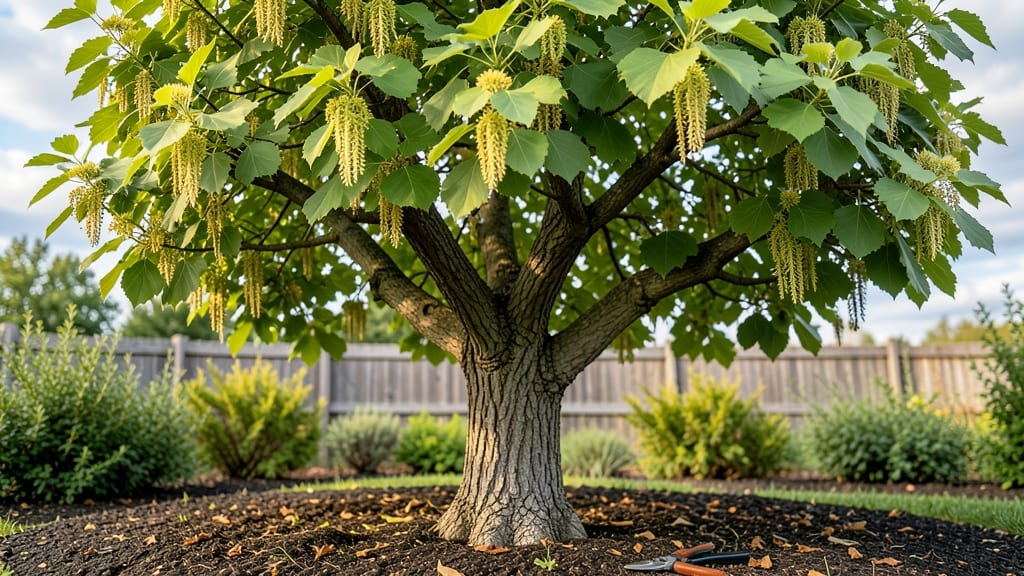
Pruning a large lime tree in the Pacific Northwest isn’t just about shaping—it’s about survival. 🌿 Frost-sensitive citrus needs careful canopy management to keep branches from snapping under winter weight or succumbing to cold damage.
I’ve watched my own tree go from a struggling sapling to a productive, frost-hardened giant by focusing on three key cuts each year.
The right tools and timing make all the difference. You’ll need sharp bypass pruners, a sturdy ladder, and a clear day when the tree isn’t stressed. Pacific Northwest winters demand extra caution—never prune after the first frost, and avoid heavy cuts that expose tender wood.
The goal is to open the canopy for airflow while keeping the structure strong enough to handle wind and snow.
With proper pruning, you’ll end up with a tree that produces more fruit, resists disease better, and stands tall through our damp winters. The branches will be evenly spaced, sunlight reaches all the way to the ground, and you’ll harvest limes that taste sweeter because they ripen evenly.
It’s the difference between a tree that barely survives and one that thrives.
This method works for both dwarf and standard varieties, though larger trees need more frequent attention. Whether you’re dealing with a young tree or a mature specimen, the principles stay the same—just scale up the tools and patience. Let’s get those branches in shape before winter hits.
📚 In This Guide
- What you need
- Instructions
- Tips and common mistakes
- Wrapping up and next steps
What you need
- ● Pruning shears: Bypass pruners (for small branches, ¼"–½" diameter). Pro tip: 💡 Sharpen blades beforehand for clean cuts!
- ● Loppers: 6"–8" bypass loppers (for branches ½"–2" thick). Pro tip: 🔥 Use a ratchet-style for leverage on stubborn branches.
- ● Pruning saw: Curved-tooth saw (for branches >2" thick). Pro tip: 🌡️ Avoid sawing in wet wood—it splinters!
- ● Ladder: Extendable aluminum ladder (20–30 ft, weight-rated for 300+ lbs). Pro tip: ✨ Place on level ground and secure with stabilizers.
- ● Gloves: Heavy-duty, cut-resistant gloves (e.g., mechanics’ gloves with grip pads).
- ● Disinfectant: 70% isopropyl alcohol or bleach solution (1:9 ratio) to sterilize tools between cuts.
- ● Heavy-duty trash bags: 30–50 gallon bags for debris. Pro tip: 🎯 Tie bags tightly to prevent pests from nesting!
- ● Pole saw: For high branches (10–20 ft reach).
- ● Tree wound dressing: Pruning sealant (controversial but useful for large cuts >1.5").
- ● Safety gear: Goggles, ear protection (if using a chainsaw), and a harness for ladders >15 ft.
- ● Marking twine: Colored string to outline pruning zones before cutting.
- ● Timing: Prune late winter/early spring (Feb–March in PNW) to avoid frost damage. Pro tip: 🌡️ Wait until last frost date in your zone!
- ● Weather: Choose a dry, calm day (no rain/fog for 24 hours post-pruning).
- ● Tree health check: Inspect for diseases (e.g., citrus greening) or pests before pruning.
- ● Permits: Check local PNW regulations—some areas require permits for trees >10" diameter.
Step-by-step guide to pruning a large lime tree in the Pacific Northwest
Here's how I maintain frost-resistant canopies for mature citrus—keeping trees healthy and productive through our chilly winters.
☀️ Step 1: Time Your Pruning for Frost Resistance
Prune your lime tree during late winter or early spring, ideally 4-6 weeks before the last expected frost in your area. The Pacific Northwest's cool climate means timing matters—waiting too late risks exposing fresh cuts to cold snaps, which can invite disease. I aim for February or March when nights are still chilly but days are warming.
Look for new growth buds along the branches as your cue. These plump, swollen areas signal the tree's readiness to respond to pruning. Avoid pruning in fall, as winter's damp conditions create perfect conditions for fungal infections in open wounds.
✂️ Step 2: Remove Dead, Diseased, or Crossing Branches First
Start by eliminating dead wood—branches that are brittle, cracked, or have no green leaves. These are easy to spot: they'll snap when bent slightly or show dark, hollow centers when cut open. Next, remove any branches showing signs of disease like oozing sap, cankers, or discolored patches.
Look for branches that cross or rub against each other—they'll develop wounds that weaken the tree. Use clean, sharp pruning shears to make 45-degree cuts just outside the branch collar (the swollen area where the branch meets the trunk). I always sterilize my tools with 70% rubbing alcohol between cuts to prevent spreading disease.
🌿 Step 3: Thin the Canopy for Airflow and Light Penetration
Step back and visualize your tree's shape. Aim to remove 15-20% of the total canopy to improve airflow and sunlight distribution. Focus on branches growing inward or downward—they block light from reaching the center. I target branches that are thinner than a pencil for removal, as these compete with stronger growth.
Make your cuts just above an outward-facing bud or branch to encourage growth in the right direction. For larger branches over 1 inch thick, use a pruning saw and cut slowly to avoid tearing the bark. Leave no stubs—always cut cleanly to prevent decay. You'll see the tree's structure open up immediately, letting more light reach the center.
🌱 Step 4: Shape the Tree for Wind Resistance
Pacific Northwest winds demand a sturdy structure. Prune to create a rounded, vase-like shape with a strong central leader (main trunk). Remove any branches growing straight upward—they're weak and prone to breakage. Instead, encourage horizontal branches that spread out naturally.
Pay special attention to the tree's lower branches. While you might be tempted to remove them for clearance, leave 4-6 strong branches near the base. These provide wind resistance and help anchor the tree. If you must remove lower branches, do so gradually over several years to avoid shocking the tree.
⏰ Step 5: Clean Up and Protect Fresh Cuts
After pruning, remove all fallen branches and debris from the area. This reduces hiding spots for pests and prevents disease spread. I use a hose to spray down the tree and surrounding soil to wash away any lingering spores or insects.
Apply a wound sealant (like horticultural sealant) to cuts larger than ½ inch to protect against moisture loss and disease. For smaller cuts, let them heal naturally—they'll seal better without interference. Water the tree deeply after pruning to help it recover, especially if we've had a dry spell.
Tips & tricks for pruning large lime trees in the Pacific Northwest
A few strategic adjustments can make all the difference when pruning citrus trees in our chilly climate. Here's what I've learned through years of trial and error.
Timing is Everything: The 4-6 week window before last frost is non-negotiable for Pacific Northwest trees. If you're unsure about frost dates, check your local agricultural extension service—they provide precise forecasts. I've seen trees pruned too late develop fungal infections within weeks, so don't rush this step. That said, if you absolutely must prune later, wait until the tree has fully leafed out in spring to minimize stress.
Tool Preparation Makes All the Difference: Sterilizing your pruning shears with rubbing alcohol between cuts is crucial, but here's what nobody tells you—heat sterilization works even better. Run your tools through a flame after each cut on larger branches to kill any lingering pathogens. For stubborn branches, I keep a small bottle of rubbing alcohol in my tool pouch and wipe down blades after every 3-4 cuts, especially when working with diseased wood.
Visualizing the Canopy Transformation: Before making any cuts in Step 3, step back 10 feet and take a photo of your tree. Then, use a whiteboard or computer program to sketch the ideal shape you want to achieve. This mental exercise helps you visualize how removing 15-20% of the canopy will actually improve light penetration. I've found that marking branches with colored tape before cutting helps me stay organized and ensures I don't over-prune any section.
Wind Resistance Secret: When shaping for wind resistance in Step 4, pay special attention to the tree's natural growth patterns. Look for branches that form a natural "V" shape—they're inherently stronger. If you must remove a lower branch for clearance, cut it back to a lateral branch that's at least ⅓ the diameter of the parent branch. This creates a natural scaffold that won't weaken the tree's structure.
Pro Tips for Lime Tree Large
- A few strategic adjustments can make all the difference when pruning citrus trees in our chilly climate.
- Timing is Everything: The 4-6 week window before last frost is non-negotiable for Pacific Northwest trees.
- Tool Preparation Makes All the Difference: Sterilizing your pruning shears with rubbing alcohol between cuts is crucial, but here's what nobody tells you—heat sterilization works even better.
Frequently asked questions
Got questions about pruning your large lime tree in the Pacific Northwest? You’re not alone!
Here are answers to the most common concerns—from timing to frost resilience and beyond.
When is the best time to prune a large lime tree in the PNW?
Prune your lime tree late winter to early spring (February–March) before new growth starts. Avoid pruning in fall—it can stimulate tender new shoots vulnerable to frost. If you must prune in summer, do it early morning to reduce stress from heat and sun exposure.
How do I protect my lime tree from frost in the Pacific Northwest?
Lime trees are frost-sensitive, so take these steps:
- Prune to open the canopy for airflow and sunlight penetration.
- Apply a lightweight frost cloth on young trees or new growth during cold snaps.
- Water trees before a freeze to insulate roots (avoid overwatering).
- Plant in a sheltered microclimate (e.g., near a south-facing wall).
How much can I trim off a large lime tree at once?
Never remove more than 25% of the tree’s canopy in one session—this prevents shock and weakens the tree. For mature trees, spread pruning over 2–3 years if heavy shaping is needed. Focus on dead, diseased, or crossing branches first.
What’s a good alternative to a lime tree if I need frost resistance?
If frost is a major concern, consider these PNW-friendly alternatives:
- Yuzu (Citrus junos) – Hardy to 10°F and produces tart, fragrant fruit.
- Kumquat (Fortunella spp.) – Thrives in 15–20°F and is compact.
- Loquat (Eriobotrya japonica) – Tolerates 15°F and blooms in winter.
- Hardy Meyer Lemon – More cold-tolerant than standard limes (down to 20°F).
Why are my lime tree’s leaves turning yellow after pruning?
Yellowing leaves post-pruning are often normal if the tree is otherwise healthy. However, check for:
- Over-pruning – Too many cuts can stress the tree.
- Nutrient deficiency – Fertilize with citrus-specific food (high in nitrogen).
- Fungal issues – Prune in dry conditions to avoid spreading disease.
- Root damage – Avoid compacting soil around the base.
Wrapping up and next steps
Pruning your large lime tree in the Pacific Northwest doesn’t have to be intimidating! With the right tools, timing, and techniques—especially for frost-resistant varieties—you can maintain a healthy, thriving canopy while encouraging lush fruit production. Remember, safety first and patience are key when tackling a mature tree.
Ready to take action? Start by scheduling your next pruning session during the dormant season (late winter or early spring) and gradually work on shaping your tree over time. Your lime tree will thank you with vibrant growth and delicious harvests for years to come! 🌿✨
- Next step: Gather your tools and mark your calendar for the ideal pruning window.
- Pro tip: Document your progress with photos to track growth and adjustments!