
Pruning
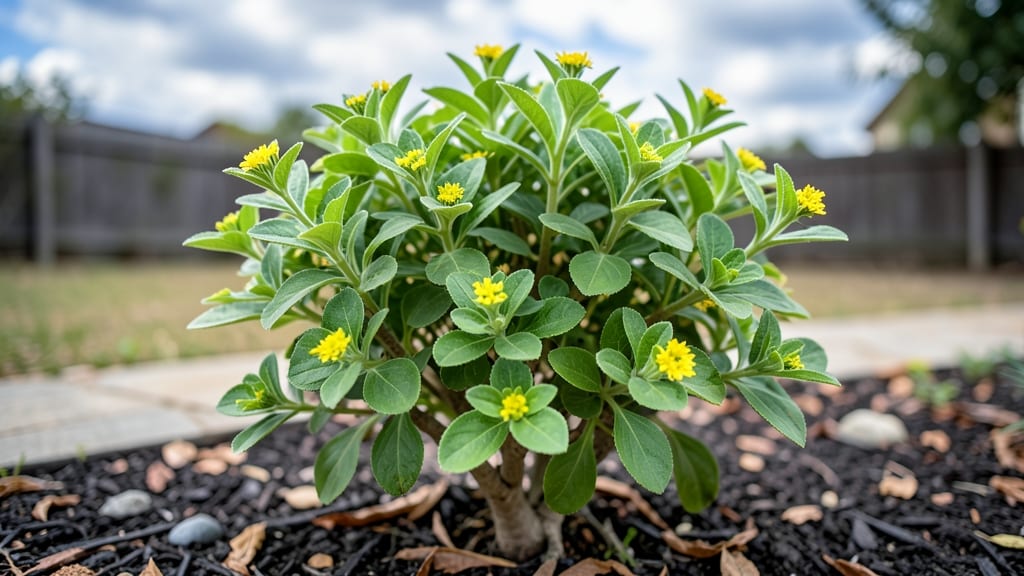
Pruning a wax jambu tree (Syzygium samarangense) in the Pacific Northwest means keeping its lush, glossy foliage thriving despite our chilly winters—something I learned the hard way after my first frost-damaged branches.
This tropical stunner can actually handle surprisingly cold snaps if you prune strategically, and I'll show you exactly how to shape it for resilience without sacrificing its signature fruit production. The key?
Timing cuts to encourage new growth before winter sets in, while still maintaining that perfect rounded canopy that makes neighbors stop and stare.
You'll need sharp pruning shears, a pair of gloves (those thorns don't play nice), and about 30 minutes of focused work during late winter or early spring. The goal isn't just to tidy up—it's to create a stronger framework that can withstand our damp, cool summers and occasional frost.
I've found that wax jambu trees respond best when you remove no more than 25% of the foliage in one session, focusing on crossing branches and any dead or yellowing leaves that signal winter stress. This approach keeps your tree looking polished while building its cold-hardiness over time.
What you end up with is a tree that produces those rosy, waxy fruits we all love while staying compact enough for smaller yards—mine now fits perfectly in my 6-foot-wide urban garden spot.
The pruned branches reveal fresh green shoots within weeks, and by summer you'll have a tree that's both productive and picturesque. Plus, the strategic cuts open up airflow, which is your best defense against fungal issues that plague many Pacific Northwest gardens.
This method works equally well for container-grown wax jambu trees or those planted directly in the ground, though potted specimens need slightly more frequent pruning to control their size.
The same principles apply whether you're shaping a young tree or maintaining an established one—just adjust the intensity based on how much growth you see each season. Ready to transform your wax jambu into a frost-smart showstopper?
📚 In This Guide
- What you need
- Instructions
- Tips and common mistakes
- Wrapping up and next steps
What you need
- ● Pruning shears: Sharp, bypass-style (for clean cuts), 1 pair (at least 6-inch blades).
- ● Loppers: Heavy-duty, 1 pair (for thicker branches, 8–10-inch reach).
- ● Pruning saw: Curved-tooth saw for larger branches, 1 unit (8-inch blade).
- ● Disinfectant: 70% isopropyl alcohol or bleach solution (1 part bleach:9 parts water) to sterilize tools.
- ● Garden gloves: Cut-resistant (e.g., leather or synthetic mesh), 1 pair.
- ● Rubbing alcohol or hand sanitizer: For cleaning hands between cuts.
- ● Heavy-duty trash bags: 2–3 bags (for debris disposal).
- ○ Pruning sealant (optional but recommended): Tree wound paint (e.g., Tanglefoot Tree Wound Pruning Sealer).
- ● Weather check: Prune on a dry, cloudy day (avoid frost or extreme heat).
- ● Safety gear: Safety glasses (if dealing with large branches).
- ● Tree health assessment: Inspect for diseased or dead branches (look for brown, brittle wood or fungal growth).
- ● Ladder (if needed): Sturdy, extendable (ensure it’s rated for your height/weight).
- ● Work area setup: Lay down tarps or cardboard to collect debris easily.
- ● 🔥 Sharpen your tools before starting—dull blades tear wood, inviting disease.
- ● 🌡️ Prune in late winter/early spring (PNW’s ideal window: February–March) to avoid frost damage.
- ● ✨ Sterilize tools between cuts if your tree has signs of infection (e.g., anthracnose).
Step-by-Step guide to pruning wax jambu trees for Pacific Northwest resilience
Here's how to shape your wax jambu for strong, cold-hardy growth—my go-to method for PNW climates.
Time Your Pruning for Frost Readiness
Prune late winter to early spring, just as buds begin to swell but before new growth starts. In the Pacific Northwest, this means February to March—timing is everything. You'll see tiny green buds forming along branches; that's your cue to act. Pruning too early leaves branches vulnerable to winter dieback, while waiting too long encourages tender new growth that won't survive frost.
If you missed the window, wait until after the last frost date in your area. Check local frost forecasts—delaying pruning by a month can mean the difference between a thriving tree and one struggling to recover. I always mark my calendar with the last frost date and set a reminder two weeks before to prepare tools and gather supplies.
Remove Dead, Damaged, or Crossing Branches First
Start by cutting out any dead, diseased, or broken branches—these are easy to spot as they're brown, brittle, or lack leaves. Use clean, sharp pruners to make cuts just outside the branch collar (the swollen area where the branch meets the trunk). This prevents unsightly stubs and promotes faster healing.
Next, remove branches that cross or rub against each other. These create wounds that invite pests and disease. Look for branches growing inward or downward—they'll compete with stronger upward-growing branches for sunlight and nutrients. I like to step back and visually assess the tree's structure, imagining how light and air will move through the canopy after pruning.
Thin the Canopy for Airflow and Sun Penetration
Thin the tree's interior by selectively removing up to 25% of the total branches, focusing on the center. Wax jambu trees need good airflow to prevent fungal issues, especially in the damp PNW climate. Aim to create an open, vase-like shape that allows sunlight to reach the inner branches.
Start from the bottom and work your way up, removing branches that are too close together. You'll see where sunlight struggles to penetrate—those are the branches that need to go. Leave the strongest, most vigorous branches, and avoid cutting back more than one-third of any branch's length in a single pruning session. This ensures the tree retains enough foliage to photosynthesize and support itself.
Shape for Frost Resistance and Structural Strength
Now, focus on shaping the tree's outline to encourage a strong, balanced structure. Wax jambu trees benefit from a slightly rounded or oval shape, which helps them shed snow and ice more easily in winter. Use hand pruners for smaller branches and loppers for thicker ones—never remove more than one-quarter of the tree's total foliage in a single session.
Pay special attention to the tree's scaffold branches (the main structural branches). These should be spaced 8-12 inches apart and angled outward at about 45 degrees. If you see branches growing straight up or downward, prune them back to encourage outward growth. This creates a sturdy framework that can better withstand winter winds and frost. I often sketch a rough outline of the tree's ideal shape before I start pruning—it helps me visualize the end result.
Clean Up and Protect the Tree
After pruning, sterilize your tools with rubbing alcohol to prevent the spread of disease. Collect and dispose of all pruned branches—never leave them on the ground, as they can harbor pests and pathogens. If you have a compost bin, you can add the branches there, but avoid composting if the tree had signs of disease.
Apply a dormant oil spray in late winter (before bud break) to smother any overwintering pests like scale or mites. This is a great time to also mulch around the base of the tree with 2-3 inches of organic mulch, like wood chips or shredded bark. Keep the mulch 6 inches away from the trunk to prevent rot. This helps insulate the roots and retain moisture, which is especially important in the PNW's rainy winters.
Finally, water the tree deeply—1-2 gallons per inch of trunk diameter—to help it recover from pruning. You'll notice new growth starting within 4-6 weeks, signaling that the tree is healing and preparing for the growing season. Keep an eye out for any signs of stress, like yellowing leaves or wilting branches, and adjust your care accordingly.
Tips & tricks for perfect wax jambu tree pruning in the Pacific Northwest
Timing and technique make all the difference when pruning wax jambu trees for PNW resilience—here's how to avoid common pitfalls and get it right the first time.
Timing is Everything: The February to March window is critical because wax jambu trees in the Pacific Northwest need time to harden off before spring growth begins. I've seen trees struggle when pruned too early—look for those tiny green buds as your cue. If you miss this window, waiting until after your last frost date is better than pruning too soon. Check your local frost forecast and mark your calendar two weeks before to prepare tools and gather supplies. This proactive approach prevents winter dieback and gives your tree the best chance to recover.
Branch Collar Matters: When removing branches in Step 2, always cut just outside the branch collar—the swollen area where the branch meets the trunk. This might seem like a small detail, but cutting too close to the trunk creates unsightly stubs that never heal properly. I learned this the hard way after seeing several trees develop cankers from improper cuts. Using clean, sharp pruners makes these precise cuts easier and prevents tearing the bark, which can invite disease. Sterilize your tools between cuts to maintain tree health.
Visual Assessment Before Cutting: Before you make any cuts, step back and visually assess your tree's structure. In Step 3, when thinning the canopy, imagine how sunlight and air will move through the branches after pruning. Look for branches growing inward or downward—they'll compete with stronger upward branches. I often sketch a rough outline of the ideal shape before I start cutting. This helps me visualize the open, vase-like shape that allows sunlight to reach inner branches and prevents fungal issues in our damp climate.
Scaffold Branch Spacing: Pay special attention to your scaffold branches—the main structural branches that should be spaced 8-12 inches apart and angled outward at about 45 degrees. These branches form the tree's framework and should be able to support the weight of snow and ice during PNW winters. If you see branches growing straight up or downward, prune them back to encourage outward growth. This creates a sturdy structure that can better withstand winter winds and frost. Remember, you're shaping the tree for long-term resilience, not just immediate aesthetics.
Pro Tips for Wax Jambu Tree
- Timing and technique make all the difference when pruning wax jambu trees for PNW resilience—here's how to avoid common pitfalls and get it right the first time.
- Timing is Everything: The February to March window is critical because wax jambu trees in the Pacific Northwest need time to harden off before spring growth begins.
- Branch Collar Matters: When removing branches in Step 2, always cut just outside the branch collar—the swollen area where the branch meets the trunk.
Frequently asked questions
Got questions about pruning your wax jambu tree in the Pacific Northwest? You’re not alone! Here are some of the most common queries—and straightforward answers—to keep your tree thriving, even through frost.
When is the best time to prune a wax jambu tree in the PNW?
The ideal window is late winter to early spring (February–March), before new growth starts. This timing minimizes stress and helps the tree recover faster. Avoid pruning in fall or winter if frost is forecasted—cold snaps can damage exposed cuts. For minor shaping, you can trim lightly in summer, but avoid heavy pruning then.
How do I protect my wax jambu tree from Pacific Northwest frost?
Wax jambu trees are frost-resistant, but young trees or unexpected deep freezes (below 15°F) may need help. Mulch the base with 2–3 inches of organic material (like wood chips) and wrap the trunk with burlap if temps drop sharply. For potted trees, move them to a sheltered spot or cover with frost cloth. Prune damaged branches after the last frost in spring.
Can I prune a wax jambu tree too much? What are the signs?
Yes! Over-pruning stresses the tree, leading to stunted growth, leaf drop, or susceptibility to pests/disease. Never remove more than 25–30% of the canopy in one session. Signs of over-pruning include yellowing leaves, weak new shoots, or excessive water sprouts. If you’ve pruned too aggressively, focus on light maintenance for a season and fertilize to support recovery.
What should I do if my wax jambu tree isn’t blooming after pruning?
Wax jambu trees bloom on new wood, so light pruning in late winter (not heavy cuts) encourages fresh growth—and flowers! If it’s still not blooming, check for nutrient deficiencies (add balanced fertilizer in early spring) or poor sunlight (they need 6+ hours of direct light). Avoid pruning after flowering, as this removes next year’s buds.
Are there alternatives to traditional pruning tools for wax jambu trees?
While bypass pruners, loppers, and a pruning saw are essential for clean cuts, you can use sterilized shears for small branches or electric pruners for larger jobs (great for reducing physical strain). For organic shaping, some gardeners use sharp, disinfected knives for precision cuts. Always sterilize tools with rubbing alcohol between cuts to prevent disease spread.
Wrapping up and next steps
The wax jambu tree is a resilient, frost-resistant gem for Pacific Northwest gardens—when pruned with care! By following the right techniques, you’ll encourage lush growth, better fruit yield, and a stronger, healthier tree that thrives in cooler climates.
Whether you’re a beginner or seasoned gardener, confidence in pruning is just a few strategic cuts away!
Ready to transform your garden? Grab your tools, mark your calendar for the best pruning times, and start shaping your wax jambu tree today—your future harvest (and happy tree!) will thank you. 🌿✨