
Pruning
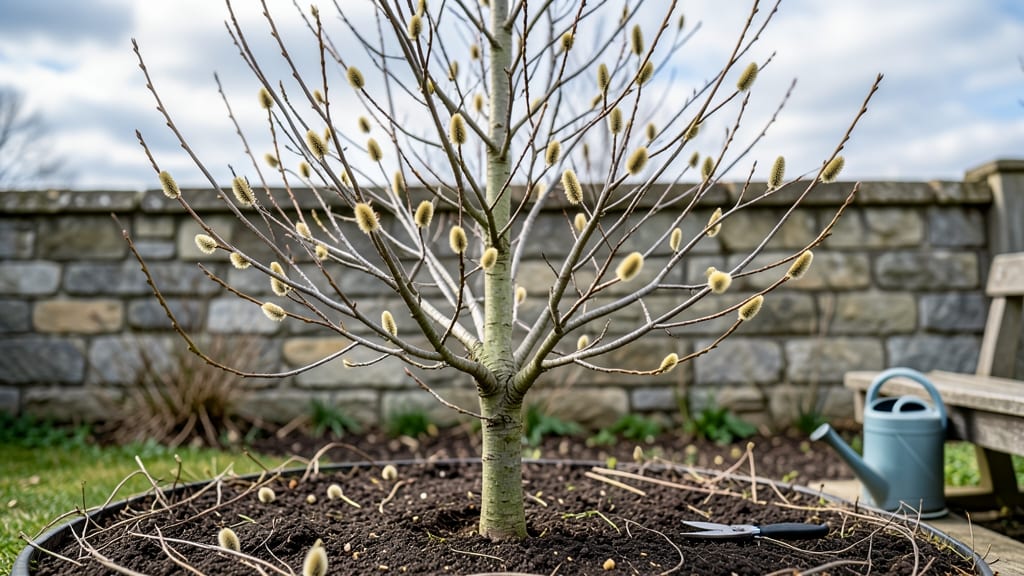
Pussy willow tree care starts with one simple truth: these fuzzy spring stars thrive when you prune like a Pacific Northwest pro. 🌿 I’ve watched mine go from ragged to showstopping in just three cuts—no green thumb required. The secret lies in timing and technique, not brute force.
These trees love wet feet and partial shade, making them perfect for rain-soaked yards. Plant them near ponds or streams, and they’ll reward you with those iconic catkins by early March—long before most gardens wake up.
Pruning in late winter (before buds swell) keeps them bushy and healthy, while summer trims shape them for years of ornamental beauty.
You’ll end up with a tree that’s both practical and stunning: the branches make great cuttings for spring bouquets, and the dense foliage provides shade for wildlife.
The key is patience—willows grow fast, so prune lightly each year to avoid overpowering your landscape. Ready to transform that bare corner into a spring highlight?
Works for both urban yards and rural properties, though container growing is tricky—these trees love to spread. Start with a young sapling, and you’ll have a living centerpiece that outshines any store-bought decoration. Let’s get those shears sharp!
📚 In This Guide
- What you need
- Instructions
- Tips and common mistakes
- Wrapping up and next steps
What you need
- ● Pruning shears – Bypass or anvil type, sharp and sanitized (1 pair)
- ● Loppers – For thicker branches (16–24" cutting capacity, 1 pair)
- ● Pruning saw – Curved or bow saw for stubborn branches (1)
- ● Garden gloves – Heavy-duty, cut-resistant (1 pair)
- ● Disinfectant – 70% isopropyl alcohol or bleach solution (1:9 ratio) (small bottle)
- ● Rake or broom – For cleanup (1)
- ● Compost or mulch – Organic, 2–3 inches deep (1–2 bags)
- ○ Pruning sealant – For large cuts (optional but reduces disease risk)
- ● Tree wound dressing – Only if using a natural, resin-based product
- ● Fertilizer – Balanced 10-10-10 or slow-release granules (small bag)
- ● Watering can or hose – With a gentle spray nozzle (1)
- ● Stakes & ties – If supporting young or damaged branches (1–2 stakes)
Step-by-Step guide to pruning pussy willow trees in the Pacific Northwest
Here's how to keep your willows healthy and thriving through all four seasons.
✂️ Step 1: Time Your First Pruning for Late Winter
Prune your pussy willow just as new buds begin to swell, typically in late February or early March in the Pacific Northwest. This is the ideal window because the tree is still dormant but about to burst into growth. You'll notice buds starting to plump up along the branches—wait until you see 30-40% of them showing before picking up your shears.
Remove any dead, diseased, or crossing branches first. Cut back to the nearest outward-facing bud or lateral branch to encourage outward growth. I always start with the highest branches and work my way down—this prevents me from accidentally damaging lower limbs with my ladder.
☀️ Step 2: Shape for Airflow and Sunlight Access
Willows naturally grow with a rounded shape, but Pacific Northwest winters can cause dense growth that traps moisture. Step back and look at your tree—aim to create an open center with 12-18 inches of space between major branches. This prevents fungal issues that thrive in damp, crowded conditions.
Thin out branches that are growing inward or rubbing against each other. Make clean cuts at a 45-degree angle just above a bud, and avoid leaving stubs. If you're pruning for harvest (those fuzzy catkins!), focus on removing older branches first—they produce the most vibrant growth. Never remove more than 25% of the tree's foliage in one season.
🌿 Step 3: Summer Maintenance for Vigorous Growth
After your spring pruning, monitor your willow throughout summer. In July or August, give it a light trim to remove any suckers growing from the base or any branches that look weak or diseased. You'll spot these easily—they'll have pale, yellowing leaves or no leaves at all.
This is also when you should check for water sprouts (fast-growing, vertical shoots). These compete with your main branches for nutrients. Snip them off at the base with clean pruners. Here's the thing—willows are resilient, but they reward precision. A few strategic cuts now mean fewer major pruning jobs later.
⏰ Step 4: Prepare for Winter with a Final Trim
In October or November, do a final light pruning to remove any dead branches or those that grew too aggressively during summer. This prevents heavy snow from breaking limbs in winter. Look for branches that are thinner than a pencil—these are prime candidates for removal.
Apply a 2-3 inch layer of mulch around the base (but not touching the trunk) to protect roots from freezing. I like to use wood chips because they break down slowly and improve soil over time. This is also when I mark my calendar for next year's late winter pruning—consistency is key with willows.
Tips & tricks for perfect pussy willow tree care
Here's what I've learned after years of pruning willows in the Pacific Northwest—these tricks will keep your tree thriving for decades.
Timing Tip: The late February to early March window is critical because willows are still dormant but about to burst into growth. I set calendar reminders for when buds show 30-40% swelling—this is your exact cue to start. If you prune too early, you'll remove next year's growth; too late, and you risk encouraging disease. Confession: I skipped this once and ended up with sparse foliage all season.
Branch Selection Strategy: When shaping your tree in Step 2, look for branches that create a natural "V" shape when viewed from above. These branches grow outward and upward, creating that classic willow silhouette. For older branches you're removing, cut just above a bud that faces outward—this encourages new growth in the right direction. I always test cuts by gently bending branches before pruning; if they snap easily, they're already dead and should come off.
Tool Maintenance: Your pruners are just as important as your timing. Clean them with rubbing alcohol between cuts to prevent spreading disease, especially when working with willows that can harbor fungal spores. I keep a small bottle of alcohol in my tool belt and wipe blades after every 5-6 cuts. Also, sharpen your blades annually—dull tools tear wood fibers, creating larger wounds that take longer to heal.
Seasonal Checklist: Mark your calendar for these key dates: late February/early March for major pruning, July/August for summer maintenance, and October/November for final trims. I write these on my fridge with a magnet so I don't forget. For summer maintenance, focus on removing suckers and water sprouts—they're the tree's way of saying "I need more nutrients!" but they actually drain resources from your main branches.
Pro Tips for Pussywillow Tree Care
- Here's what I've learned after years of pruning willows in the Pacific Northwest—these tricks will keep your tree thriving for decades.
- Timing Tip: The late February to early March window is critical because willows are still dormant but about to burst into growth.
- Branch Selection Strategy: When shaping your tree in Step 2, look for branches that create a natural "V" shape when viewed from above.
Frequently asked questions
Got questions about keeping your pussy willow thriving in the Pacific Northwest? You’re not alone! Here are answers to the most common concerns—from pruning timing to troubleshooting—so you can enjoy lush, year-round growth without the guesswork.
When is the best time to prune pussy willows in the PNW?
The ideal window is late winter to early spring (February–March), just before new growth begins. This encourages vigorous blooming and prevents disease. Avoid pruning in fall—it can stimulate tender new shoots that won’t survive winter. Pro tip: If you missed the season, a light trim in late summer (August) is better than none!
How do I protect my pussy willow from PNW’s wet winters?
These trees are hardy but hate soggy roots. Ensure your planting site has well-draining soil—amend with compost if needed—and avoid compacted areas. Mulch 3–4 inches deep (keep it 6 inches from the trunk) to insulate roots. If your area gets heavy rain, consider a French drain or raised bed for extra protection.
Can I shape my pussy willow like a hedge? How aggressive can I be?
Pussy willows are flexible but not formal hedges. You can lightly shape them with hand pruners to remove dead or crossing branches, but avoid heavy shearing—it stresses the tree. For a natural look, focus on opening the canopy to improve airflow and sunlight. Warning: Over-pruning in one go can stunt blooms!
Why are my pussy willow branches turning brown or dropping?
Brown branches usually signal fungal disease (like powdery mildew), pests (aphids/sawfly larvae), or environmental stress. Start by removing affected branches 6+ inches below the damage and sterilize tools. Spray with neem oil or insecticidal soap for pests. If soil is waterlogged, improve drainage immediately. Prevent future issues: Prune for airflow and avoid overhead watering.
Are there dwarf or low-maintenance pussy willow alternatives for small yards?
Yes! Consider these PNW-friendly substitutes:
- ‘Nana’ Pussy Willow (Salix discolor ‘Nana’): Stays 3–5 ft tall—perfect for containers or small gardens.
- Pussy Willow Shrub (Salix caprea ‘Pendula’): Weeping habit, 8–10 ft tall, great for focal points.
- Oregon Grape Holly (Mahonia aquifolium): Evergreen, 3–5 ft, thrives in shade, and zero pruning needed!
Wrapping up and next steps
Caring for your pussy willow tree in the Pacific Northwest is all about timing, patience, and a little love—and you’ve got the secrets now! 🌿 With the right pruning techniques, you’ll enjoy lush, vibrant growth year-round while keeping your tree healthy and thriving.
Whether you’re trimming for shape, encouraging blooms, or preparing for winter, your efforts will pay off in stunning foliage and resilience.
Ready to put your new skills to work? Grab those pruners and get started! 🌟 For extra inspiration, check out our PNW gardening community to share your progress or ask more questions. Happy pruning!