
Pruning
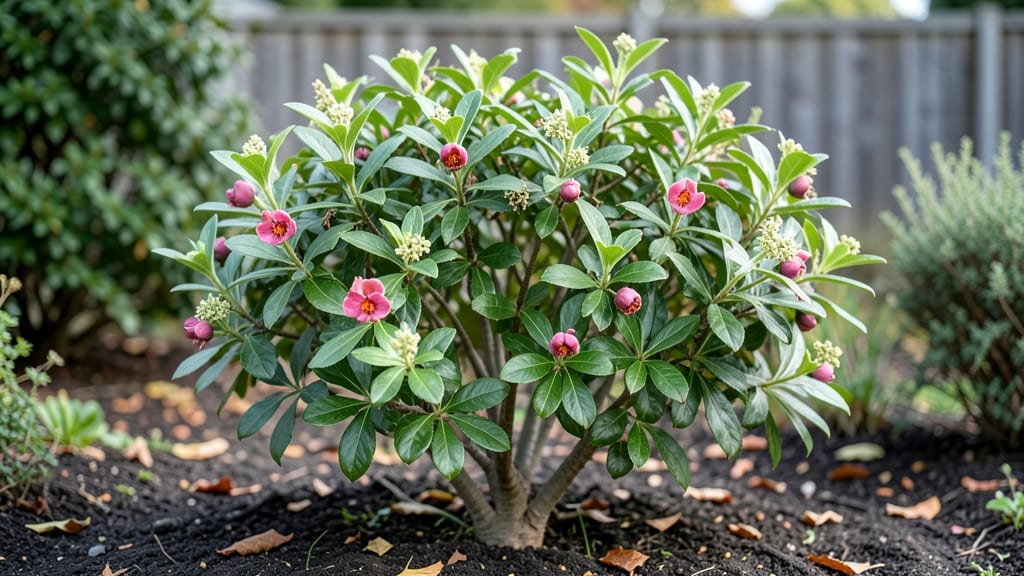
The euonymus tree care secret isn't just about pruning—it's about understanding how these tough, adaptable trees reward patience with shockingly lush foliage and seasonal color.
I've been growing Euonymus alatus for years, and the difference between a neglected bush and one that thrives comes down to two things: timing and technique.
Most gardeners over-prune in spring, which stresses the plant, but the real magic happens in late winter when dormant buds are ready to burst.
You'll need basic tools—a pair of sharp bypass pruners, gloves, and a clear day to assess the branches. Euonymus handles pruning better than most shrubs, so don't shy away from shaping it.
The goal is to open up the center for airflow and light, which prevents those pesky fungal issues. My Euonymus japonicus now gets fuller every year because I prune once in late winter and again lightly after flowering—no complicated schedules, just consistent care.
What you end up with is a tree that stays healthy year-round, with vibrant green leaves in summer and fiery red berries or foliage in fall. The pruning itself takes under 30 minutes if you focus on removing dead wood and thinning crowded branches.
Plus, euonymus is forgiving—even if you skip a year, it bounces back faster than most shrubs.
Works for both sunny borders and partially shaded spots, and thrives in zones 4-8. The key is matching your pruning to the variety—some like Euonymus alatus (the burning bush) need more aggressive shaping, while others like Euonymus japonicus prefer gentle maintenance. Let's get those branches in shape!
📚 In This Guide
- What you need
- Instructions
- Tips and common mistakes
- Wrapping up and next steps
What you need
- ● Pruning shears: Bypass pruners (sharp, 6–8 inch blades) for small branches.
- ● Loppers: 8–12 inch loppers for thicker branches (up to 1.5 inches in diameter).
- ● Pruning saw: A curved-tooth pruning saw for branches over 1.5 inches thick.
- ● Gloves: Heavy-duty, cut-resistant gloves (gardening or pruning-specific).
- ● Disinfectant: 70% isopropyl alcohol or a commercial pruning sealant (to prevent disease spread).
- ○ Pruning sealant (optional): For larger cuts (1+ inch diameter) to promote faster healing.
- ● Ladder or step stool: If your tree is taller than 6 feet.
- ● Trash bags or bucket: For collecting pruned branches and debris.
- ● Hand saw: For stubborn, thick branches that loppers can’t handle.
- ● Extension pole pruners: For high branches without a ladder.
- ● Sharpener: A file or sharpening stone to keep blades in top condition.
- ● Safety glasses: To protect your eyes from debris.
- ● Notebook & pen: To jot down pruning notes or mark areas for future attention.
- ● A clear, dry day (avoid pruning when the tree is wet or in extreme heat).
- ● Basic knowledge of euonymus tree anatomy (identify dead, diseased, or crossing branches).
- ● Patience! Pruning is a gradual process—don’t rush it.
Step-by-Step guide for year-round euonymus tree maintenance
Pruning euonymus trees isn’t just seasonal—it’s a year-round commitment to health and shape.
Assess and Plan Your Pruning Strategy
Start by examining your euonymus tree for dead, diseased, or crossing branches. These are your top priorities—removing them first prevents stress on the plant and opens the canopy for better airflow. Use clean, sharp pruning shears to make cuts at a 45-degree angle, about ¼ inch above an outward-facing bud. This ensures new growth emerges in the right direction.
I always sketch a rough outline of my pruning plan. Step back and visualize how the tree will look after each cut. Euonymus responds well to shaping, but aggressive pruning in one session can shock the plant. Break larger jobs into 2-3 sessions spaced 2-3 weeks apart, especially if you’re dealing with a mature specimen.
Timing matters too. For structural pruning, late winter or early spring—just before new growth begins—is ideal. This lets the tree heal before summer heat stress. If you’re light pruning to encourage bushiness, summer trims work well, but avoid heavy cuts after mid-August in colder climates. The tree needs time to harden off before winter.
Perform Seasonal Pruning Tasks
Spring is all about corrective pruning. Focus on removing any winter-damaged branches (they’ll be brittle and snap easily) and thinning out the center to improve light penetration. Euonymus can get dense, and without proper airflow, fungal issues like powdery mildew creep in. I target 10-20% of the canopy in spring—never more, or you risk weakening the tree.
Summer pruning shifts to maintenance and shaping. Pinch back new growth to encourage branching, especially if your euonymus is leggy. Use your fingers or small pruners to snip just above a leaf node. This is also the time to remove any suckers at the base—those saplings steal energy from your main tree. Watch for new leaf growth after pruning; vibrant green leaves mean the tree is responding well.
Fall pruning is minimal but critical. Remove any branches with yellowing or spotted leaves—these are signs of stress or disease. Avoid heavy cuts now, but deadhead spent flowers if your variety blooms. This keeps the tree’s energy focused on root development over winter. In colder zones, a light pruning in late fall (after the first frost) can reduce snow damage by opening the canopy slightly.
Monitor and Adjust for Long-Term Health
After each pruning session, inspect the cuts for smooth, white cambium (the greenish layer under the bark). If you see brown or black, you’ve cut too deeply into old wood. In that case, make a second cut just above the damaged area to expose fresh cambium. Seal larger wounds (over ½ inch in diameter) with pruning sealant to prevent disease entry.
Euonymus trees reward consistent care. I check mine monthly for signs of stress—wilting leaves, yellowing foliage, or unusual growth patterns. Adjust your pruning approach based on what you observe. For example, if the tree’s growth is sparse, focus on light, frequent pruning to stimulate new shoots. If it’s growing too vigorously, prune back by 25-30% to control size.
Fertilize lightly in early spring with a balanced, slow-release fertilizer (10-10-10) to support new growth. Avoid heavy feeding after mid-summer, as it encourages tender shoots that won’t survive winter. Mulch around the base with 2-3 inches of organic mulch to retain moisture and regulate soil temperature. Keep mulch 6 inches away from the trunk to prevent rot.
Tips & tricks for perfect euonymus tree pruning
Keeping your euonymus thriving year-round requires a strategic approach—here’s how to refine your pruning technique for optimal health and shape.
Precision Cutting Technique: When making cuts at a 45-degree angle in Step 1, use a sharp bypass pruner to avoid tearing the bark. The goal is to expose the smooth, white cambium layer—if you see brown or black underneath, you’ve cut too deeply. For branches thicker than ½ inch, make a second cut just above the damaged area to create a clean wound that heals faster. This attention to detail prevents disease entry points and promotes healthy regrowth.
Seasonal Timing Strategy: The late winter/early spring window for structural pruning is non-negotiable, but summer pruning deserves special attention. In Step 2, when pinching back new growth, focus on the top third of leggy branches to encourage bushier growth. The key is to work when new leaves are just emerging—this ensures the tree can quickly recover from the stress of pruning. In colder climates, that mid-August cutoff is critical for allowing proper hardening before winter.
Stress Reduction Tactics: Breaking large pruning jobs into 2-3 sessions (as mentioned in Step 1) is one of the most underrated pruning strategies. I’ve seen euonymus trees go into shock from aggressive single-session pruning, especially mature specimens. Space your cuts 2-3 weeks apart, and always prioritize removing dead, diseased, or crossing branches first—they’re the biggest stress points. Think of it as giving your tree time to adjust between sessions.
Visual Growth Cues: After pruning, monitor for vibrant green leaves as your success indicator. In Step 2, when you see new leaf growth appearing within 2-3 weeks of summer pruning, you’ve struck the right balance. For winter-damaged branches, look for brittle texture—they’ll snap easily when bent, unlike healthy wood. These visual cues help you adjust your approach before problems become severe.
Pro Tips for Euonymus Tree Care
- Keeping your euonymus thriving year-round requires a strategic approach—here’s how to refine your pruning technique for optimal health and shape.
- Precision Cutting Technique: When making cuts at a 45-degree angle in Step 1, use a sharp bypass pruner to avoid tearing the bark.
- Seasonal Timing Strategy: The late winter/early spring window for structural pruning is non-negotiable, but summer pruning deserves special attention.
Frequently asked questions
Got questions about keeping your euonymus tree thriving? Here are answers to the most common concerns—from pruning tips to troubleshooting—so you can enjoy a stunning, healthy tree year-round!
When is the best time to prune a euonymus tree?
Prune your euonymus tree late winter or early spring (before new growth starts) for best results. Light shaping can also be done in summer after flowering, but avoid heavy pruning then—it may stress the tree. Never prune in fall, as it can encourage new growth that won’t harden off before winter.
How much can I trim back my euonymus tree?
Euonymus trees are highly resilient—you can safely remove up to 25-30% of the foliage in one pruning session. For dramatic shaping or rejuvenation, thin out dead or crossing branches first, then prune selectively. Avoid over-pruning; euonymus recovers well but may take a season to bounce back.
Why are my euonymus leaves turning yellow or brown?
Yellowing leaves often signal overwatering or poor drainage, while brown edges can mean underwatering or sunburn. Check soil moisture (it should be evenly damp but not soggy) and ensure your tree gets morning sun + afternoon shade. Fungal issues (like powdery mildew) may also cause browning—prune for airflow and apply fungicide if needed.
Can I grow euonymus in containers? What’s the care difference?
Yes! Dwarf varieties like Euonymus japonicus ‘Microphyllus’ thrive in containers. Use well-draining potting mix and a pot with drainage holes. Water more frequently (containers dry out faster) and fertilize every 4-6 weeks in growing season. Move containers indoors or to a sheltered spot in winter if temps drop below 15°F (-9°C).
Do I need special tools to prune euonymus?
Basic tools suffice! Use clean, sharp pruning shears for small branches and loppers for thicker stems. Disinfect tools with rubbing alcohol between cuts to prevent disease spread. For large-scale pruning, a pruning saw may help. Avoid dull tools—ragged cuts slow healing and invite pests.
Wrapping up and next steps
Caring for your euonymus tree doesn’t have to be complicated—just consistent!
With the right tools, seasonal pruning, and a little attention to detail, you’ll reward yourself with vibrant foliage, striking bark, and a thriving landscape centerpiece. 🌿 Whether you’re trimming for shape, health, or winter prep, your efforts will pay off in lush, healthy growth year after year.
Ready to take the next step? Grab your pruners, mark your calendar for seasonal checks, and enjoy the satisfaction of nurturing your euonymus tree into a stunning addition to your outdoor space! 🌟