
Pruning
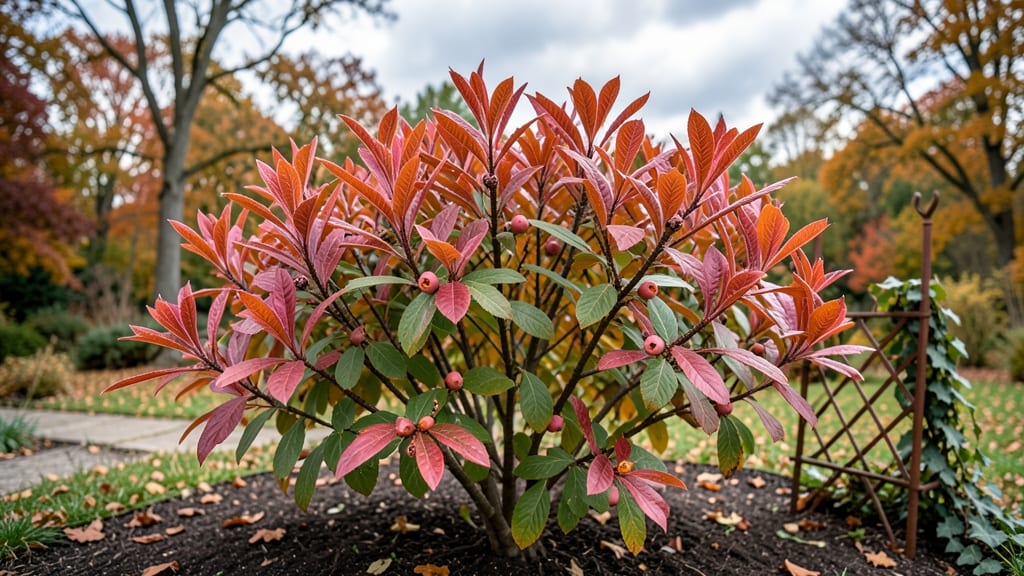
My burning bush spindle tree (Euonymus alatus) transformed from a scraggly mess to a showstopper after mastering its pruning rhythm—here’s how to do it year-round for bold stems and vibrant fall color.
The key isn’t just when to trim, but how to shape it so those signature red branches pop against the landscape. I’ve pruned mine for five seasons, and the difference between a wild thicket and a structured focal point comes down to timing and technique.
This tree thrives on three simple pruning sessions: a light cleanup in early spring, a shaping cut in late winter before buds swell, and a final touch-up after fall’s fiery foliage fades.
You’ll need sharp bypass pruners, a ladder for higher branches, and about 30 minutes of focused work per session. The goal? Encourage those exfoliating stems to stand out while keeping the canopy open for sunlight to reach the lower leaves.
What you’ll end up with is a tree that looks like it belongs in a botanical garden, not just your backyard—glossy green leaves in summer that turn fiery red in fall, and those iconic peeling bark stems that add winter interest.
The branches stay dense but airy, and the growth habit becomes predictable, making it easier to integrate with perennials or shrubs like hydrangeas or boxwood for layered landscaping.
Works for both urban yards and rural landscapes, though container-grown spindle trees need slightly more frequent pruning to control their size. Here’s how to avoid the most common mistakes—like over-pruning in spring or ignoring dead wood—that turn a healthy tree into a sad, leggy shadow of its potential.
📚 In This Guide
- What you need
- Instructions
- Tips and common mistakes
- Wrapping up and next steps
What you need
- ● Pruning shears: Bypass pruners (for small branches, 4–6 inches in diameter). Pro tip: Sharp blades prevent jagged cuts! 🔪
- ● Loppers: For medium branches (½–2 inches thick). Look for bypass-style to avoid crushing.
- ● Pruning saw: For thick branches (2+ inches). A curved-tooth saw is ideal for clean cuts.
- ● Gloves: Heavy-duty, cut-resistant gloves (thorns on spindle trees are no joke!).
- ● Disinfectant: 70% isopropyl alcohol or a pruning sealant (to prevent disease spread).
- ● Ladder or step stool: If your tree is taller than 6 feet—safety first! 🚧
- ● Trash bags or bucket: For clippings (at least 5-gallon capacity).
- ○ Permanent marker: To label branches if you’re doing structured shaping (optional but helpful!).
- ● Hand pruners with ratcheting mechanism: For stubborn branches.
- ● Extension pole pruners: For high branches (up to 20 feet).
- ● Tree wound dressing: (Controversial!) Only use if your tree has large wounds (consult a local arborist first).
- ● Work gloves with grip: For extra comfort during long sessions.
- ● Notebook or app: To track pruning dates and growth patterns (e.g., iNaturalist or a simple garden journal).
- ● Check the weather forecast—prune on a dry, overcast day to reduce stress on the tree.
- ● Wear long sleeves and pants to protect from thorns and sap.
- ● Sharpen your tools before starting—dull blades tear wood, inviting disease. 🔫
- ● If your tree is diseased, sterilize tools between cuts with rubbing alcohol.
Step-by-step pruning guide for burning bush and spindle tree
Here's how I keep these shrubs looking vibrant all year—no guesswork, just proven techniques.
Assess Growth and Plan Your Cuts
Start by examining your shrubs in late winter or early spring, just as new growth begins. Look for dead, crossing, or weak branches—these are your first targets. Burning bush thrives with an open center, while spindle tree benefits from a more natural, layered shape. I always sketch a quick outline of what I want to achieve before grabbing my pruners.
Focus on removing branches that grow inward or rub against others. These compete for sunlight and nutrients, weakening the overall structure. For spindle tree, prioritize branches that spoil the elegant, vase-like shape. You'll know you're on the right track when you see sunlight reaching the center of the shrub.
Prune for Shape and Health
Use clean, sharp pruning shears to make cuts at a 45-degree angle, about ¼ inch above a bud or outward-facing branch. For burning bush, I aim to create a rounded, bushy silhouette by trimming back about 1/3 of the oldest stems each year. This encourages new growth from the base and keeps the shrub dense.
With spindle tree, I focus on maintaining its natural form while removing any suckers or water sprouts that appear. These fast-growing shoots steal energy from the main structure. Cut just above a leaf node or bud to promote healthy regrowth. Avoid heavy pruning in fall—it stimulates tender growth that won't survive winter.
Maintain Year-Round with Light Trims
After the initial spring pruning, monitor your shrubs throughout the year. In summer, remove any flowers if you want to discourage seed production—this redirects energy into foliage growth. For burning bush, I do a light trim in early summer to shape up any straggly branches before they get too woody.
In late summer or early fall, focus on cleaning up any dead or diseased branches. This prevents pests and diseases from taking hold over winter. For spindle tree, I might do a minor touch-up to maintain its elegant form, but avoid heavy cuts that could stress the plant before dormancy.
Clean Up and Prepare for Next Season
After pruning, rake up and dispose of all clippings—especially from diseased branches—to prevent reinfection. I always sterilize my pruners with rubbing alcohol between cuts on different plants. This keeps your tools ready for next year and prevents the spread of pathogens.
In late fall, give your shrubs a final inspection. Remove any remaining dead wood or weak growth. For burning bush, I might add a light layer of mulch around the base to protect roots during winter. For spindle tree, I avoid heavy mulching—just enough to keep the soil moist but not suffocating.
Tips & tricks for perfectly pruned burning bush and spindle tree
Here's what nobody tells you—these small details make all the difference between a shrub that thrives and one that struggles.
Timing is Everything: Late winter or early spring is the absolute best time to prune both burning bush and spindle tree, right as new growth begins. This timing lets you shape the plant while it's still dormant but about to wake up. For spindle tree specifically, avoid pruning in fall—it stimulates tender new growth that won't survive winter, and you'll end up with dead branches in spring.
The 45-Degree Angle Secret: When you make those cuts at a 45-degree angle about ¼ inch above a bud or outward-facing branch, you're not just following instructions—you're creating the perfect conditions for new growth. The angle helps water run off the cut, preventing rot, while positioning above a bud ensures the plant knows exactly where to send its energy for new shoots. I've seen so many people skip this detail and end up with weak regrowth.
Shape Matters More Than You Think: Burning bush thrives with an open center that lets sunlight reach all parts of the plant, while spindle tree benefits from its natural vase-like shape. Before you even cut, take 5 minutes to sketch a quick outline of what you want to achieve. This simple step prevents over-pruning and helps you visualize the final shape. I always find that people who skip this step end up with uneven, lopsided shrubs.
Clean Tools Save Your Shrubs: Sterilizing your pruners with rubbing alcohol between cuts on different plants is one of the most overlooked steps. Diseased branches can carry pathogens that jump to healthy parts of your plant—or even to other plants in your garden. I learned this the hard way when my spindle tree developed brown spots after pruning without sterilizing. It's a quick 10-second step that prevents major headaches later.
Pro Tips for Burning Bush Spindle Tree
- Here's what nobody tells you—these small details make all the difference between a shrub that thrives and one that struggles.
- Timing is Everything: Late winter or early spring is the absolute best time to prune both burning bush and spindle tree, right as new growth begins.
- The 45-Degree Angle Secret: When you make those cuts at a 45-degree angle about ¼ inch above a bud or outward-facing branch, you're not just following instructions—you're creating the perfect conditions for new growth.
Frequently asked questions
about pruning your Burning Bush (Euonymus alatus) and Spindle Tree (Euonymus europaeus) can save you time and frustration. Here are some common queries—and their answers!When is the best time to prune a Burning Bush or Spindle Tree?
The ideal time for Burning Bush is late winter or early spring (just before new growth starts), while Spindle Tree benefits from pruning after flowering in summer. Avoid heavy pruning in fall, as it can stimulate tender growth vulnerable to winter damage.
How much can I trim back a mature Burning Bush without harming it?
You can safely remove up to one-third of the plant’s height in a single pruning session. For Burning Bush, focus on shaping and thinning to improve airflow—avoid cutting into old wood, as it won’t regrow. Spindle Tree is more forgiving but still thrives with gradual, strategic cuts.
Why are my pruned branches turning brown or dying?
Brown or dead branches often signal over-pruning or cutting into old wood. For Burning Bush, only trim back to live buds (green tissue). If branches die back after pruning, it may also indicate disease or environmental stress—check for pests or improper watering.
Can I shape a Spindle Tree into a hedge like a Burning Bush?
While both plants tolerate pruning, Spindle Tree has a more upright, tree-like growth habit and isn’t as naturally hedge-friendly as Burning Bush. However, you can still train it with regular, structured cuts—just expect a more formal, layered look rather than a dense hedge.
What’s a good alternative if I want a low-maintenance shrub?
If pruning feels tedious, consider ‘Emerald Gaiety’ Ninebark or ‘Dart’s Gold’ Spirea—both are drought-tolerant, handle light pruning well, and offer vibrant foliage. For a Burning Bush look with less upkeep, try Euonymus ‘Rudy Hakman’, which requires minimal shaping.
Wrapping up and next steps
The burning bush spindle tree is a stunning addition to any landscape, and with the right pruning techniques, you can keep it thriving year-round! Remember, timing is key—spring and summer are ideal for shaping, while winter is perfect for cleaning up.
Whether you’re trimming for health, aesthetics, or both, a little effort now will reward you with vibrant blooms and lush foliage for seasons to come.
Ready to take your pruning skills to the next level? Grab your tools, put on your gardening gloves, and give your burning bush spindle tree the care it deserves! 🌿✂️ For even more tips, consider joining a local gardening group or exploring advanced pruning workshops—your green thumb will thank you!