
Pruning
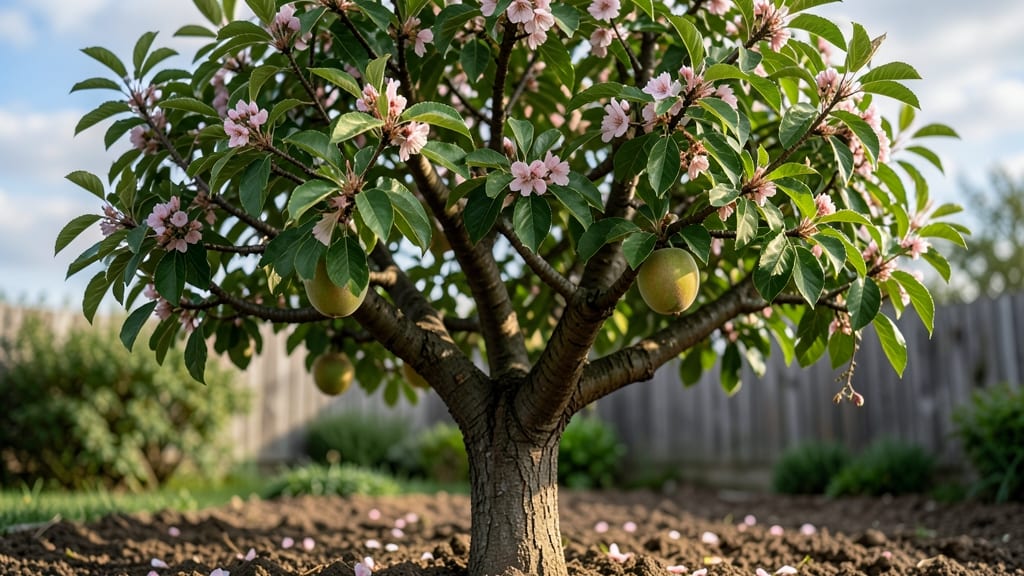
Proper peach tree care in the Pacific Northwest isn’t just about shaping branches—it’s about outsmarting frost while unlocking bigger harvests. 🌱 I’ve spent years watching trees here struggle with late frosts, and the right cuts make all the difference between a sparse crop and a lush, fruit-filled canopy.
The secret lies in timing, technique, and knowing which growth to encourage (or remove) before winter sets in.
You’ll need basic tools—a sharp pruning saw, loppers, and clean hand pruners—plus a clear day when the tree isn’t stressed by heat or drought. The goal is to open the center for airflow, remove weak wood, and leave strong branches that can withstand frost without damage.
Even beginners can master this with a few key rules, like cutting at a 45-degree angle and avoiding heavy pruning in fall.
What you’ll end up with is a tree that resists frost damage, produces fruit more reliably, and stays healthy for decades. The branches will be sturdy, the fruit will ripen evenly, and you’ll spend less time fixing winter damage.
This method works for both young trees and mature ones—just adjust the intensity based on their size.
Ready to transform your peach tree’s future? We’ll cover when to prune, how to spot frost-prone branches, and the simple tricks that keep trees thriving in our unpredictable climate. Let’s get those branches in shape before winter hits.
📚 In This Guide
- What you need
- Instructions
- Tips and common mistakes
- Wrapping up and next steps
What you need
- ● Pruning shears (bypass or anvil type) – 1 pair, sharp, with 4–6" blades for clean cuts.
- ● Loppers – 1 pair, 8–10" cutting capacity for thicker branches.
- ● Pruning saw – 1, bow or folding type for branches 2"+ in diameter.
- ● Garden gloves – 1 pair, cut-resistant (e.g., mechanix or workman’s brand).
- ● Disinfectant (70% isopropyl alcohol or pruning sealant) – Small bottle to sterilize tools between cuts.
- ● Rubbing alcohol wipes – 5–10 wipes for quick tool cleaning.
- ○ Tree wound pruning paste – Small tube (optional but helpful for large cuts to prevent disease).
- ● Ladder or sturdy step stool – 1, extendable if tree is 10'+ tall.
- ● Tarp or drop cloth – 1–2, 6'+ x 8'+ to collect debris.
- ● Sharpie or permanent marker – 1 for marking branches to remove.
- ● Extension pole pruners – For high branches without a ladder.
- ● Safety glasses – Protects eyes from debris.
- ● Earplugs – If pruning in windy conditions (loud cuts!).
- ● Tree spray (copper fungicide) – 1 gallon for post-pruning treatment if needed.
- ● Notebook & pen – To sketch your pruning plan or track progress.
Step-by-step pruning guide for Pacific Northwest peach trees
Here's how to shape your tree for cold winters and bountiful fruit.
✂️ Step 1: Time Your Pruning for Winter Resilience
Prune your peach tree in late winter or early spring, just before buds swell but before new growth begins. In the Pacific Northwest, aim for February or March—this timing lets the tree heal before late frosts hit. Avoid pruning in fall, as fresh cuts won't harden off before winter and may invite disease.
Real talk: If you missed the window, prune in early summer after harvest, but expect smaller fruit yields that season. Check your local frost dates—pruning too early can stimulate growth that won't survive cold snaps.
🌿 Step 2: Remove Dead, Damaged, or Crossing Branches First
Start by cutting out any branches that are dead, broken, or diseased—these are easy to spot as they'll be brown, brittle, or oozing sap. Next, remove branches that rub against each other (crossing branches) to prevent bark damage. Use sharp, clean pruners to make 45-degree cuts just outside the branch collar—this ensures clean wounds that heal faster.
Here's the thing—peach trees are sensitive to over-pruning. Never remove more than 25% of the tree's canopy in one season. If you're unsure, err on the side of caution and leave more branches than you think you need.
☀️ Step 3: Thin Out the Canopy for Light and Airflow
Peach trees need sunlight to reach the inner branches, so thin out crowded areas by removing smaller, weaker branches that shade the center. Focus on branches growing inward or downward—they compete with stronger, outward-facing branches. Aim to create an open, vase-like shape with sunlight reaching the core.
You'll notice the tree's natural structure more clearly once you start cutting. Look for the main scaffold branches (the thick, sturdy limbs forming the tree's frame) and prioritize keeping those. Remove any branches growing straight up from the trunk—they'll never bear fruit well and create weak attachment points.
⏰ Step 4: Shape for Cold Resistance and Fruit Production
In colder Pacific Northwest climates, focus on creating a low, broad canopy that sheds snow easily. Shorten the outer branches by one-third to one-half to reduce weight and prevent winter damage. Avoid heavy pruning on young trees—let them establish strong structure first.
This is the moment that matters: Pay attention to where fruit buds form. They appear as plump, rounded swellings along last year's growth. Prune just above these buds to encourage heavy fruiting next season. If you see water sprouts (fast-growing, vertical shoots), cut them back immediately—they drain energy from fruit production.
💧 Step 5: Clean Up and Protect Your Tree
After pruning, sterilize your tools with rubbing alcohol to prevent spreading disease. Collect and dispose of all cuttings—don't leave them on the ground, as they can harbor pests. Apply a thin layer of dormant oil (if recommended for your region) to protect against overwintering pests like scale insects.
Finally, water deeply around the base of the tree to help it recover. In the Pacific Northwest, where winters can be damp but springs are often dry, this extra moisture encourages strong new growth. Mulch with 3-4 inches of organic mulch (like wood chips) to insulate roots and retain moisture.
Tips & tricks for frost-resistant peach tree pruning
Here's what nobody tells you about keeping your Pacific Northwest peach tree thriving through winter—these tricks make all the difference.
Timing is Everything: The late winter to early spring window (February-March) is critical because it gives your tree time to heal before late frosts arrive. If you're unsure about your local frost dates, check with your local extension office—they'll have precise data for your microclimate. I learned this the hard way after pruning too early and watching new growth get nipped by unexpected cold snaps.
Branch Collar Matters More Than You Think: When making those 45-degree cuts in Step 2, don't just cut anywhere—look for the branch collar, that swollen area where the branch meets the trunk. Cutting just outside this collar (about ¼ inch) ensures the tree can seal the wound properly. I've seen too many pruning mistakes where people cut flush with the trunk, creating permanent entry points for disease.
Visual Cues for Fruit Buds: Those plump, rounded swellings you see in Step 4? Those are your fruit buds, and they're your best friend. They'll be slightly larger than leaf buds and often have a reddish tint. When you prune just above these buds, you're telling the tree "this is where I want my fruit next year." I always do a quick visual scan of last year's growth before making any cuts—it's like reading the tree's growth diary!
Post-Pruning Recovery Boost: After you've finished pruning, don't just walk away—give your tree a proper recovery drink. Water deeply around the base (about 1 gallon per inch of trunk diameter) to help it recover from the stress. In the Pacific Northwest's damp winters followed by dry springs, this extra moisture makes a huge difference in root recovery. I've seen trees that were pruned but not watered properly struggle through the first growing season.
Pro Tips for Peach Tree Care
- Here's what nobody tells you about keeping your Pacific Northwest peach tree thriving through winter—these tricks make all the difference.
- Timing is Everything: The late winter to early spring window (February-March) is critical because it gives your tree time to heal before late frosts arrive.
- Branch Collar Matters More Than You Think: When making those 45-degree cuts in Step 2, don't just cut anywhere—look for the branch collar, that swollen area where the branch meets the trunk.
Frequently asked questions
Got questions about peach tree care in the Pacific Northwest? We’ve got answers!
Whether you're dealing with frost, pruning, or pesky pests, these FAQs will help you keep your peach tree thriving.
When is the best time to prune a peach tree in the PNW?
Prune dormant peach trees in late winter (January–February) to avoid frost damage. If you live in a milder PNW microclimate, early spring (March) works too. Never prune in fall—it invites disease and pests. Light summer pruning (after harvest) is okay for shaping, but avoid heavy cuts.
How do I protect my peach tree from late frosts?
Peaches are frost-sensitive! Use frost cloths or row covers on young trees during late spring blooms. For mature trees, water roots deeply before frost—it releases heat as it freezes. Avoid overhead irrigation, which can damage blossoms. Timing is key: Check your local frost dates and prune early to delay bloom.
Can I grow a peach tree in a container in the PNW?
Yes, but choose dwarf varieties (like ‘Bonanza’ or ‘Redhaven’) and a large pot (20+ gallons) with drainage. Move containers to a sheltered spot in winter (e.g., against a south-facing wall) to protect roots. Pro tip: Use a fast-draining mix (60% soil, 30% compost, 10% perlite) to prevent root rot.
What should I do if my peach tree leaves are curling or spotted?
Curling leaves often signal peach leaf curl (a fungal disease). Act fast: Spray copper fungicide in late fall or early spring (before buds swell). For spots, check for bacterial spot—remove infected leaves and prune for airflow. Prevention: Clean tools with rubbing alcohol and avoid overhead watering.
How often should I fertilize a young peach tree?
Young trees (1–3 years) need balanced fertilizer (10-10-10) in early spring and again after harvest. Mature trees: Use low-nitrogen (5-10-10) in late winter. PNW tip: Test soil first—PNW clay may need organic matter (compost) to improve drainage. Avoid over-fertilizing; it attracts pests!
Why aren’t my peaches ripening in the PNW?
Peaches need 200–500 chill hours (below 45°F). If your tree isn’t producing, it may lack chill hours. Try low-chill varieties (e.g., ‘Springcrest’ or ‘Sanguinelle’). Also check for poor pollination—plant a second tree nearby or hand-pollinate with a paintbrush. Sunlight matters: Ensure 6+ hours of direct sun daily.
Wrapping up and next steps
Caring for your peach tree in the Pacific Northwest doesn’t have to be daunting—especially when you focus on frost-resistant pruning and thoughtful maintenance. By following the right techniques, you’ll encourage a healthier, more productive tree that thrives in your climate. 🌱
Now that you’re armed with the knowledge, roll up your sleeves and get pruning! Start with a fresh assessment of your tree, then take it step by step.
Before you know it, you’ll be enjoying juicy, homegrown peaches for years to come. Ready to dive in? Grab your tools and make this growing season your best yet!