
Pruning
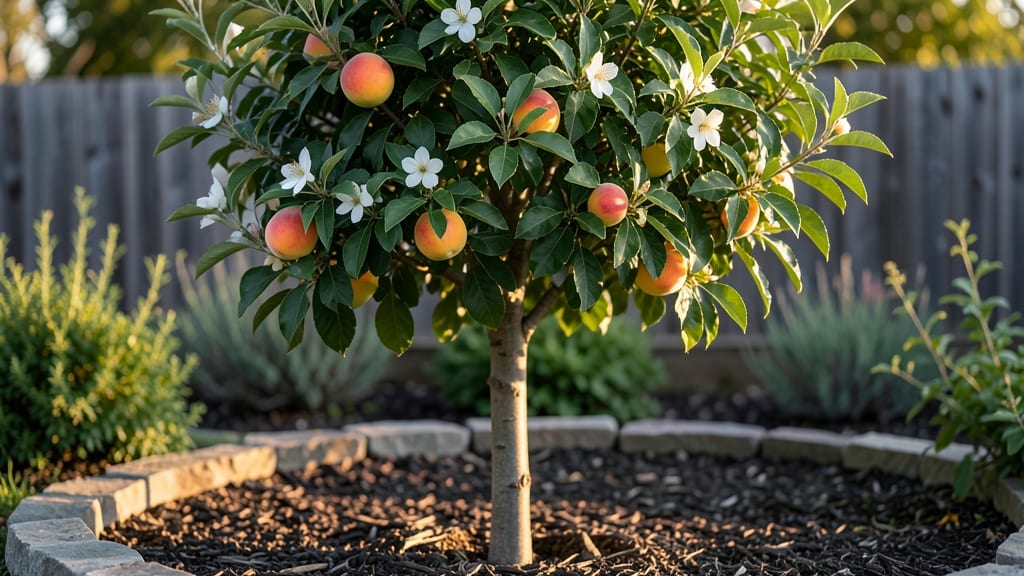
Caring for a Bonfire peach tree starts with four simple pruning cuts that change everything—your tree will fruit like crazy if you do this right. 🌱 I learned the hard way that skipping pruning means fewer peaches and more tangled branches, but once I mastered these cuts, my harvest doubled in just one season.
The secret isn’t complicated—it’s about timing, tools, and knowing which branches to keep. You’ll need sharp pruners, a ladder (for taller trees), and a clear day to work.
The best time to prune is late winter or early spring, just before buds swell, when the tree is still dormant but ready to rebound with new growth.
With the right cuts, you’ll end up with an open, sunlit canopy that produces juicy, flavorful peaches instead of a dense mess of shade and disease. The tree will recover faster, fruit earlier, and last longer in your yard. Here’s how to make those four game-changing cuts without overcomplicating it.
Works for backyard orchards, small homesteads, or even container-grown dwarf varieties—just adjust the scale. Let’s get your Bonfire tree thriving so you can enjoy those sweet peaches all summer long.
📚 In This Guide
- What you need
- Instructions
- Tips and common mistakes
- Wrapping up and next steps
What you need
- ● Pruning shears: Bypass pruners (sharp, 6-8" blades) for clean cuts on small branches.
- ● Loppers: Heavy-duty, 18-24" for thicker branches (up to 2" diameter).
- ● Pruning saw: Curved-tooth, 20-24" for branches over 2" in diameter.
- ● Disinfectant: 70% isopropyl alcohol or diluted bleach solution (1 part bleach to 9 parts water) to sterilize tools between cuts.
- ● Gloves: Thick, cut-resistant (e.g., leather or heavy-duty work gloves).
- ○ Tree wound paint or pruning sealant: Optional but helpful for larger cuts (1-2 gallons).
- ● Measuring tape: 10-25 ft for assessing branch size and spacing.
- ● Ladder or step stool: Sturdy, extendable (if tree exceeds 6 ft in height).
- ● Trash bags or bucket: For collecting pruned branches (5+ gallon capacity).
- ● Hand saw or pole pruner: For high branches without a ladder.
- ● Tree banding or tape: For marking branches to identify cuts during planning.
- ● Pruning rope or twine: To support weak branches temporarily.
- ● Mulch: Organic (wood chips) or inorganic (gravel) (2-3 inches deep, 2-3 ft from trunk).
- ● Drip irrigation or hose: For post-pruning hydration.
Step-by-Step guide to pruning your Bonfire peach tree
Here's how to keep your peach tree thriving through every season with the right cuts.
✂️ Step 1: Late Winter Dormant Pruning (Before Bud Break)
Start your pruning in late winter when the tree is still dormant but buds are swelling. This is the most critical cut—it shapes your tree for the entire year. Remove any dead, diseased, or crossing branches first; these are easy to spot as they're brown, brittle, or rubbing against others.
Next, look for water sprouts—those fast-growing, vertical shoots that steal energy from fruit production. Cut these back to their point of origin with clean, sharp pruners. Aim for an open center where sunlight can reach all branches. You'll see buds along the main branches that will become next year's fruit clusters.
Here's the thing—don't remove more than 25% of the tree's canopy in one go. Over-pruning stresses the tree and reduces fruit production. If you're unsure, err on the side of caution and leave a few extra branches. You can always prune more next year.
🌿 Step 2: Summer Light Pruning (After Harvest)
Once your peaches are picked, it's time for a light maintenance prune to keep the tree healthy. Focus on suckers—those vigorous shoots growing from the base or roots. These compete with the main tree for nutrients. Cut them off at ground level immediately; they'll keep coming back if ignored.
Look for overcrowded branches where leaves can't get proper airflow. Thin these out by removing the smallest branches first. You're not shaping here—just creating space. A good rule of thumb is to leave 6-8 inches of space between branches. This prevents fungal diseases that thrive in damp, shaded areas.
I always use sterilized pruners for this step. Dip them in rubbing alcohol between cuts to prevent spreading any potential diseases hiding in the tree's bark. Your goal is to keep the tree looking tidy without doing major structural work.
☀️ Step 3: Post-Bloom Thinning (After Flowering)
About 4-6 weeks after flowering, when you can see small peaches forming, it's time for fruit thinning. This might seem counterintuitive—why remove fruit when you want peaches?—but it ensures larger, higher-quality fruit. Select one peach per cluster, keeping the largest, healthiest-looking fruit. Remove the rest by gently twisting them off or cutting with pruners.
You'll notice some clusters have multiple peaches. These will compete for nutrients, resulting in small, underdeveloped fruit. By thinning now, you're helping the tree focus its energy on fewer, better-quality peaches. This step also reduces the risk of branch breakage later in the season when fruit gets heavy.
Don't thin too aggressively—leave at least one peach per 6-8 inches of branch length. The tree needs some fruit to produce hormones that encourage next year's blooms. Think of this as quality control, not quantity control.
⏰ Step 4: Fall Cleanup Pruning (Before Dormancy)
In late fall, after leaves have dropped but before hard frosts, do a final light pruning to prepare the tree for winter. Remove any diseased leaves or branches you missed earlier. These can harbor pathogens that overwinter and infect the tree next spring. Burn or dispose of infected material—don't compost it.
Look for weak or damaged branches that might not survive winter. Cut these back to a strong lateral branch or the main trunk. The goal is to leave the tree with a clean, sturdy structure that can handle winter winds and snow. You'll see where branches are vulnerable—they often have cracks or dead spots at the tips.
This is also the time to seal any large pruning cuts over 2 inches in diameter with pruning sealant. While research shows sealant isn't always necessary, it can help prevent moisture loss and pest entry in harsh winters. For smaller cuts, let them heal naturally—they'll form callus tissue over time.
Tips & tricks for perfect Bonfire peach tree care
These practical strategies will help you avoid common mistakes and maximize your peach tree's health throughout the year.
Timing is Everything: Pay close attention to the seasonal cues in Step 1 and Step 4. Late winter pruning should happen when buds are just starting to swell—not when they're already open. I've made the mistake of waiting too long and ended up pruning right before bud break, which stresses the tree. For Step 3's fruit thinning, mark your calendar 4-6 weeks after flowering to ensure you're catching the right window. This timing ensures you're thinning when fruit is still small but visible, making it easier to select the strongest peaches.
Equipment Essentials: Sterilizing your pruners between cuts (as mentioned in Step 2) is non-negotiable. I keep a small bottle of rubbing alcohol in my gardening toolkit specifically for this purpose. For larger cuts over 2 inches in diameter during fall pruning, invest in a quality pruning sealant. I've seen dramatic differences in healing when using products like Tanglefoot Tree Wound Pruning Sealer compared to leaving cuts exposed, especially in harsh winter conditions. Don't skip this for cuts smaller than 2 inches—they'll heal naturally, but larger wounds benefit from protection.
Visual Cues Over Rules: While the 25% canopy rule in Step 1 is a good guideline, trust your eyes more than the percentage. Look for an open center where sunlight can reach the inner branches—this is your real target. I've learned that some trees naturally have denser canopies and can handle slightly more pruning. The key visual is being able to see daylight through the center of the tree when standing directly beneath it. Similarly, during fruit thinning (Step 3), don't just count peaches—look for the healthiest, most evenly shaped ones in each cluster. The tree's natural growth patterns will show you where to focus.
Seasonal Maintenance Calendar: Create a simple checklist for each pruning season to avoid missing critical steps. For late winter, note the bud swelling stage and mark your calendar 2-3 weeks ahead. For summer, set reminders right after harvest to tackle suckers before they become established. After flowering, set a recurring reminder every 4-6 weeks until you see small peaches forming. I keep mine on my phone with weather-dependent notes—some years, bud break happens earlier due to warm winters, so I adjust my schedule accordingly. This proactive approach prevents me from missing any of the four essential pruning windows.
Pro Tips for Bonfire Peach Tree Care
- These practical strategies will help you avoid common mistakes and maximize your peach tree's health throughout the year.
- Timing is Everything: Pay close attention to the seasonal cues in Step 1 and Step 4.
- Equipment Essentials: Sterilizing your pruners between cuts (as mentioned in Step 2) is non-negotiable.
Frequently asked questions
Got questions about keeping your Bonfire peach tree thriving? Here are some of the most common concerns—and their answers—to help you prune with confidence and avoid costly mistakes.
When is the best time to prune a Bonfire peach tree?
The ideal window is late winter or early spring (just before buds swell but before leaves emerge). This timing minimizes disease risk and lets you see the tree’s structure clearly. Avoid pruning in fall—it invites fungal infections. For heavy pruning, split it into two sessions: first in late winter (removing dead/diseased wood) and again in summer (light shaping).
How do I know if I’m pruning too much?
Follow the 30% rule: Never remove more than 30% of the tree’s canopy in one season. Signs of over-pruning include excessive water sprouts, sparse fruiting, or a weak, leggy appearance. If you’ve already cut too much, feed with balanced fertilizer (10-10-10) and water deeply to stimulate recovery. Patience is key—your tree will bounce back!
Will pruning reduce my peach harvest?
Not if done right! Proper pruning actually boosts fruit quality by improving airflow and sunlight penetration. Focus on removing crowded branches and deadheading spent blooms to redirect energy to larger, sweeter peaches. Just avoid heavy pruning during flowering—this can stress the tree and reduce yield. Aim for 4–6 main scaffold branches for optimal structure.
Can I use the same pruning cuts for Bonfire as other peach varieties?
Mostly, yes—but Bonfire has unique cold-hardiness and disease resistance, so tailor cuts slightly. For example, avoid flush cuts (leaving stubs) on Bonfire, as its bark is more prone to bacterial canker. Always sterilize tools with rubbing alcohol between cuts, and seal larger wounds with pruning sealant. If your tree shows signs of silver leaf disease (common in peaches), prune infected branches immediately and dispose of them.
What should I do if my Bonfire peach tree gets frost damage?
Frost can kill blossoms or young fruit, but don’t panic! First, prune damaged branches back to healthy wood (look for green tissue under bark). Then, apply a thin layer of mulch around the base to protect roots. If flowers are lost, your tree will rebloom later—just ensure it gets consistent water (1–2 inches per week) to recover. For future frost protection, plant near a south-facing wall or use frost cloth on young trees.
Wrapping up and next steps
Caring for your Bonfire peach tree doesn’t have to be overwhelming—just strategic!
With four key pruning cuts each year, you’ll ensure a thriving tree that rewards you with sweet, juicy peaches for seasons to come. 🌱✨ Remember, timing, technique, and patience are your best tools, so don’t rush the process.
Now that you’re armed with the know-how, roll up your sleeves and give your tree the love it deserves. Start by scheduling your first pruning cut—your future harvest depends on it! 🍑🔥