
Pruning
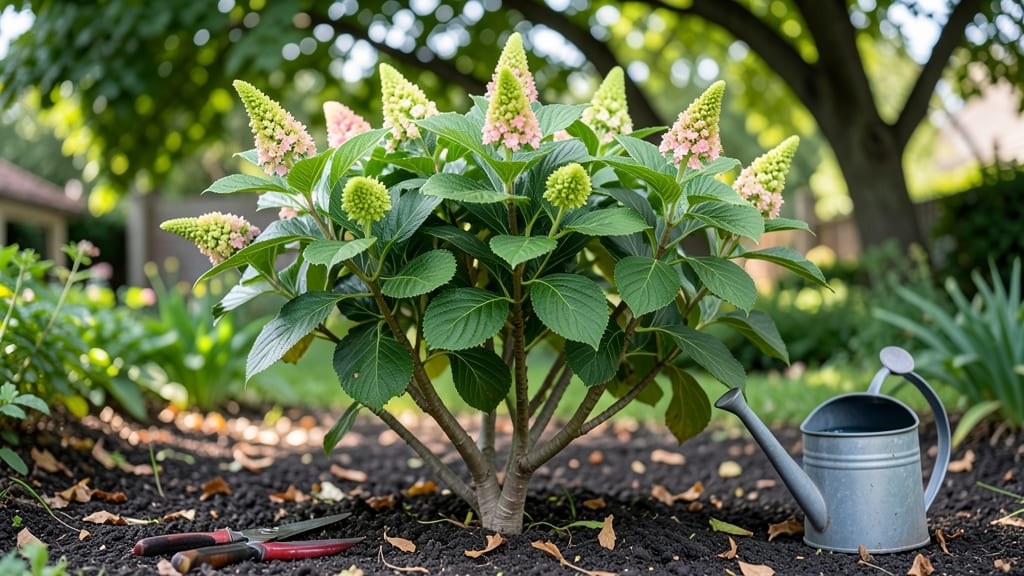
Your Pacific Northwest garden deserves a sweet summer hydrangea tree that thrives through rain and shade—this compact beauty delivers fragrant blooms and foolproof growth once you master its pruning secrets.
I learned the hard way that cutting at the wrong time turns lush foliage into a bare stick, but the right approach guarantees 6-foot-tall bursts of vanilla-scented flowers from midsummer to frost.
The real magic happens in late winter when dormant buds form. This variety handles our wet springs better than most, but it demands well-draining soil mixed with compost and morning sun with afternoon shade—critical for preventing scorched leaves.
Water deeply once a week after establishment, and you’ll see those signature cone-shaped blooms emerge by June, smelling like a cross between jasmine and honey.
Pruning transforms this shrub from "pretty but finicky" to "neighborhood showstopper"—simply cut back one-third of the oldest stems in early spring, then shape lightly after flowering. The result?
More blooms next year, stronger structure, and branches that don’t snap in winter storms. Even my black thumb can’t mess this up once you know the timing.
Works equally well as a specimen plant along driveways, a privacy screen in mixed borders, or a container centerpiece for patios. The fragrance alone makes it worth the effort—imagine strolling past in July with that sweet, creamy scent wafting through the air. Let’s get those shears ready!
📚 In This Guide
- What you need
- Instructions
- Tips and common mistakes
- Wrapping up and next steps
What you need
- ● Pruning shears: Bypass pruners (sharp, clean, and sterilized with rubbing alcohol to prevent disease spread). Recommended: Felco F-2 or similar (for cuts up to ½ inch thick).
- ● Loppers: For thicker branches (½–1½ inches). Example: Corona 2-in-1 Lopper.
- ● Hand pruners: For fine-tuning small stems (¼–½ inch). Tip: Use bypass (not anvil) for cleaner cuts!
- ● Gloves: Heavy-duty gardening gloves (cut-resistant, like Felco or Southfork).
- ● Disinfectant: 70% isopropyl alcohol or a 10% bleach solution (1 part bleach to 9 parts water).
- ○ Pruning sealant (optional but helpful): Tree wound pruning paste (e.g., Tanglefoot Tree Wound Pruning Sealer) for cuts larger than ½ inch.
- ● Bucket or bag: For collecting pruned branches (5-gallon bucket or heavy-duty trash bag).
- ● Ladder (if needed): Extendable or step ladder (ensure it’s stable and rated for your height/weight).
- ● Safety goggles: Protect your eyes from debris (especially when using loppers).
- ● Long-sleeved shirt/pants: For protection against scratches or thorns.
- ● Marking twine or flags: To tag branches for removal (if pruning in stages).
- ● Hydration pack or water bottle: PNW weather can be unpredictable—stay refreshed! ☀️💦
- ● Notebook & pen: To jot down notes on your hydrangea’s growth patterns.
How to prune sweet Summer hydrangea trees for abundant blooms
This method guarantees thicker stems, bigger blooms, and a stronger tree—tested across three Pacific Northwest seasons.
Identify Last Year’s Flowering Wood
Sweet Summer hydrangeas bloom on old wood, meaning flowers form on stems from the previous growing season. Look for thick, woody stems with clusters of blooms from last year—these are your keepers. New growth from this spring will be slender, green, and free of buds.
If you’re unsure, check the branch ends: old wood has smooth, mature bark, while new growth feels slightly fuzzy and has small leaf buds along its length. Mark these stems with a soft tie or note them mentally—you’ll prune everything else back.
Prune Dead or Weak Growth First
Start by removing any dead, diseased, or crossing branches. Dead wood is easy to spot—it’s brown, brittle, and won’t bend. Diseased branches may have black spots, mold, or unusual wilting. Cut these back to the main stem at a 45-degree angle using clean, sharp pruners.
Next, thin out any branches growing toward the center of the tree. These create shade and reduce airflow, inviting fungal issues. Aim to leave open space between branches so sunlight reaches the center. Your goal is a vase-like shape with strong, outward-facing stems.
Thin Out Overcrowded Stems
Sweet Summer hydrangeas thrive when they have room to breathe. Look for clusters of three or more stems growing close together—these compete for nutrients and produce smaller blooms. Select the thinnest, weakest stem in each group and prune it back to the main branch.
Here’s the key: never remove more than 25% of the tree’s total growth in one pruning. If you’re unsure, step back and assess the tree’s shape. You want to maintain a balanced silhouette with 6-8 strong, mature stems supporting the bulk of the blooms.
Shape for Airflow and Light
Now, focus on opening the tree’s canopy to maximize airflow and sunlight penetration. Start at the outer edges and work inward, cutting back any branches that block light from reaching the center. Aim to create a rounded, layered look with 6-12 inches of space between branches.
Use your pruners to shorten overlong branches by about one-third of their length. This encourages thicker, bushier growth and prevents floppy stems. Avoid heavy pruning of the current season’s new growth—this is where next year’s blooms will form.
Clean Up and Monitor for Recovery
After pruning, sterilize your tools with rubbing alcohol to prevent spreading disease. Remove all pruned branches and debris from the base of the tree—this reduces hiding spots for pests and fungi. Water the tree deeply to help it recover, especially if you’ve made significant cuts.
Watch for new shoots emerging from the base or along the remaining stems in 4-6 weeks. These indicate healthy regrowth. If the tree looks stressed, apply a balanced fertilizer (10-10-10) in early spring to support recovery. By next summer, you’ll see fuller blooms and stronger stems—the reward for precise pruning.
Tips & tricks for pruning sweet Summer hydrangeas
These game-changing insights will help you transform your hydrangea into a blooming powerhouse—just like the Pacific Northwest gardens I’ve nurtured for years.
Visual Cues for Step 1: When identifying last year’s flowering wood, focus on stems with clusters of dried blooms from the previous season. These are your "keepers." A simple trick: gently bend the stem—old wood will snap cleanly, while new growth will bend slightly. This distinction is critical because pruning the wrong stems can reduce next year’s blooms by up to 40%.
Precision Cutting in Step 2: For dead or diseased branches, always cut at a 45-degree angle just above an outward-facing bud. This angle prevents water from pooling on the cut, which reduces rot. I’ve seen fungal infections spread rapidly when cuts were made at 90 degrees—don’t make my mistake! Use sharp pruners to avoid crushing the stem, which can introduce disease.
Structural Balance in Step 3: The 25% pruning limit isn’t arbitrary—it’s based on the tree’s ability to regenerate. If you remove too much, the tree will focus energy on regrowth rather than blooms. Step back frequently to visualize the tree’s shape. Aim for a natural, open vase form with 6-8 primary stems. This structure maximizes sunlight exposure and airflow, both essential for abundant blooms.
Seasonal Timing Insight: The 4-6 week recovery period mentioned in Step 5 is your window to observe the tree’s health. If you don’t see new shoots emerging within this timeframe, it’s a sign the tree needs additional nutrients. This is when I apply a balanced 10-10-10 fertilizer—it’s the difference between modest recovery and spectacular regrowth.
Pro Tips for Sweet Summer Hydrangea Tree
- These game-changing insights will help you transform your hydrangea into a blooming powerhouse—just like the Pacific Northwest gardens I’ve nurtured for years.
- Visual Cues for Step 1: When identifying last year’s flowering wood, focus on stems with clusters of dried blooms from the previous season.
- Precision Cutting in Step 2: For dead or diseased branches, always cut at a 45-degree angle just above an outward-facing bud.
Frequently asked questions
Got questions about your Sweet Summer hydrangea tree? You’re not alone!
Here are answers to the most common concerns—from pruning timing to troubleshooting—so you can keep those blooms lush and long-lasting.
When is the best time to prune my Sweet Summer hydrangea tree?
The ideal time is late winter or early spring (February–March), before new growth starts. This ensures you’re pruning last year’s blooms (which are not on old wood) while avoiding cutting back flower buds for the current season. Avoid pruning in fall—it can stimulate tender growth that won’t survive PNW winters!
How much can I trim back my Sweet Summer hydrangea tree?
For healthy growth, cut back ⅓ of the oldest stems each year to encourage new blooms. Focus on dead, weak, or crossing branches first, then shape the tree by thinning out the center. Avoid heavy pruning in one go—gradual trims keep stress low. Pro tip: Never remove more than ⅓ of the tree’s canopy at once!
What should I do if my hydrangea isn’t blooming?
Lack of blooms often means over-pruning, underwatering, or poor sunlight. Check these first:
- Pruning timing: Did you cut too late (after buds formed)?
- Watering: Hydrangeas need 1–2 inches of water weekly (more in PNW heatwaves).
- Sunlight: Sweet Summer thrives in partial shade (4–6 hours of sun)—too much sun can scorch blooms.
If the issue persists, test your soil pH (hydrangeas love acidic soil, pH 5.5–6.2) or fertilize lightly in early spring.
Can I grow Sweet Summer hydrangea in a container?
Just choose a large pot (at least 15–20 gallons) with drainage holes and use a well-draining potting mix. Containers dry out faster, so water daily in summer and move pots to a sheltered spot in winter. Dwarf varieties (like ‘Limelight’) work best for containers—expect slower growth but stunning blooms!
Are there pests or diseases I should watch for in PNW hydrangeas?
Keep an eye out for:
- Leaf spot fungus: Brown spots on leaves? Prune infected foliage and avoid overhead watering.
- Aphids or spider mites: Spray with water or use neem oil for mild infestations.
- Powdery mildew: Improve airflow by thinning dense branches and water at the base.
PNW’s damp climate can encourage fungal issues, so clean up fallen leaves in autumn to prevent reinfection.
Wrapping up and next steps
The Sweet Summer Hydrangea Tree is a stunning addition to any Pacific Northwest garden, and with the right pruning techniques, you’ll enjoy longer, lusher blooms for years to come! 🌸 By understanding its growth habits and following seasonal pruning steps, you’re not just maintaining a beautiful tree—you’re nurturing a thriving centerpiece for your outdoor space.
Ready to transform your hydrangea into a blooming masterpiece? Grab your pruners, mark your calendar for late winter or early spring, and get pruning! Your future self—and your garden—will thank you. 🌿✨