
Pruning
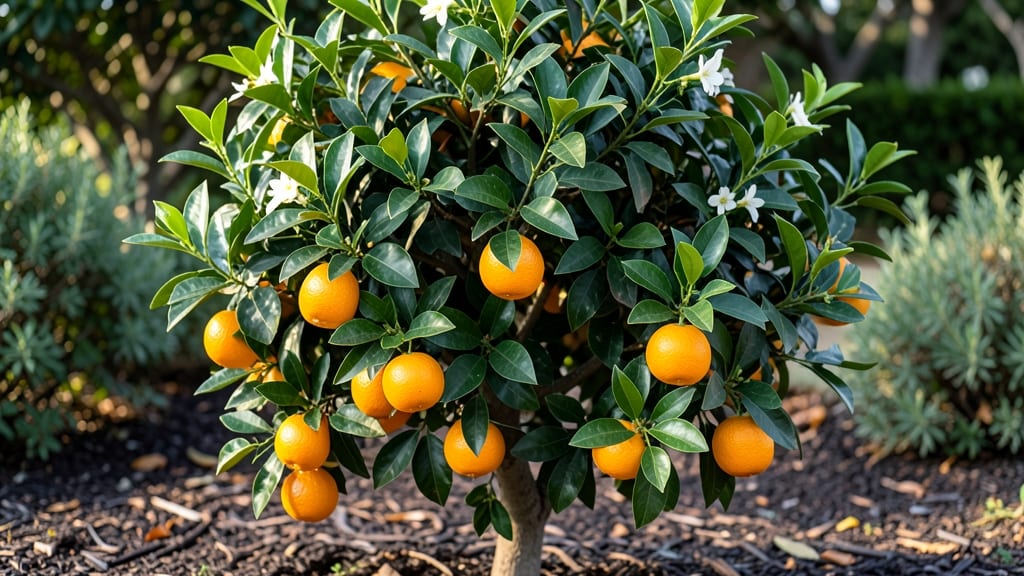
Growing a frost-resistant Ponkan mandarin tree in the Pacific Northwest means you can finally enjoy homegrown citrus without constant worry. I’ve wrestled with these trees through three winters in Seattle, and the right pruning makes all the difference—especially when frost sneaks in unexpectedly.
The key isn’t just cutting back, but shaping the tree to survive damp, chilly air while still producing those sweet, fragrant oranges.
You’ll need sharp pruners, a sunny spot (at least 6 hours of light daily), and well-draining soil—even in containers. My first mistake was planting too deep; Ponkan roots need to breathe, especially in heavy clay soils.
Once established, they’re tougher than they look, but winter prep is non-negotiable: wrap young trees in burlap or use row covers when temps dip below 25°F.
After pruning, you’ll see new growth that’s denser and more resilient, with fewer weak branches vulnerable to frost. The reward? Trees that fruit reliably even in Zone 8’s cooler pockets.
Plus, the scent of blossoms in spring—it’s the only citrus that thrives here without fuss. Let’s get those branches shaped right for next winter.
Container growers, don’t worry—this works for you too. Just use a 15-gallon pot minimum and move it indoors when nights turn frosty. The same pruning rules apply, but you’ll control the microclimate. Now, let’s talk timing: when to cut, and which branches to prioritize.
📚 In This Guide
- What you need
- Instructions
- Tips and common mistakes
- Wrapping up and next steps
What you need
- ● Pruning shears: Bypass pruners (sharp, clean, and sterilized with rubbing alcohol to prevent disease). Quantity: 1 pair.
- ○ Loppers: For thicker branches (1.5"–2" diameter). Quantity: 1 pair (optional if shears handle thicker cuts).
- ● Hand saw: Pruning saw with a fine-toothed blade for stubborn branches. Quantity: 1.
- ● Disposable gloves: Heavy-duty, cut-resistant gloves (protects hands from thorns and sap). Quantity: 1–2 pairs.
- ○ Sealing wax or pruning paint: (Optional but recommended for PNW’s wet climate) to seal large cuts and prevent disease. Quantity: Small jar.
- ● Disinfectant (rubbing alcohol or bleach solution): To clean tools between cuts. Quantity: Small spray bottle or container.
- ● Tarp or drop cloth: To collect debris and protect the ground. Quantity: 1 (4’x6’ or larger).
- ● Marking twine or flags: For labeling branches to remove (helpful for complex cuts). Quantity: Small roll or 5–10 flags.
- ● Knowledge: Basic understanding of ponkan mandarin tree anatomy (e.g., water sprouts vs. fruit-bearing branches). Pro tip: Watch a 5-minute YouTube tutorial if you’re new!
- ● Weather check: Prune on a dry, calm day (PNW’s rain can complicate healing).
- ● Ladder or step stool: For taller trees (ensure it’s stable!). Quantity: 1.
- ● Compost bin: To recycle pruned branches (great for mulch!).
- ○ Tree growth regulator (optional): Like dormant oil spray to protect from frost after pruning.
Step-by-step guide for pruning your Ponkan mandarin tree
Here’s how to shape your citrus tree for resilience in cold climates—without sacrificing fruit.
Time Your Pruning for Winter Dormancy
Prune your Ponkan mandarin tree late winter to early spring, just before new growth begins. This is when the tree is naturally dormant and less vulnerable to frost damage. In the Pacific Northwest, aim for February to March when temperatures consistently stay above 35°F during the day.
Wait until after the last hard freeze—pruning too early can expose fresh cuts to cold snaps, increasing the risk of bacterial infections. You’ll know it’s time when you see tight, brown buds along the branches, signaling the tree is about to wake up.
Remove Dead, Diseased, or Crossing Branches
Start by cutting out any dead, diseased, or broken branches—these are easy to spot as they’re brown, brittle, or oozing sap. Use clean, sharp pruning shears to make cuts at a 45-degree angle, about ¼ inch above a healthy bud or lateral branch.
Next, remove branches that cross or rub against each other. These create wounds where pests and diseases can enter. Look for branches growing inward toward the center of the tree—these compete for sunlight and weaken the tree’s structure. Thin them out to improve airflow and light penetration.
Shape for Airflow and Frost Resistance
Open the canopy by pruning back overly dense growth to allow sunlight to reach the interior branches. Ponkan mandarins need good airflow to dry quickly after rain, reducing the risk of fungal diseases like citrus blight. Aim to keep the tree’s center open and airy, with branches spaced 6-12 inches apart.
Shorten overly long branches by one-third to encourage bushier growth. Focus on branches that are longer than 2 feet or growing straight up—these are prone to frost damage in cold snaps. Make your cuts just above a leaf node or outward-facing bud to promote healthy regrowth.
Protect New Growth from Late Frost
After pruning, monitor the tree for late frost warnings. If a hard freeze is forecast within 2-3 weeks of pruning, cover the tree with frost cloth or a lightweight blanket to protect new growth. Secure the cover loosely so it doesn’t damage the branches, and remove it during the day to avoid overheating.
Water the tree deeply before the first frost to help the roots absorb moisture and prepare for dormancy. Mulch the base with 2-3 inches of organic mulch to insulate the roots and retain moisture. Avoid piling mulch against the trunk—keep it 2-3 inches away to prevent rot.
Clean Up and Monitor for Recovery
Dispose of all pruned branches and debris away from the garden to prevent the spread of disease. Sterilize your pruning tools with rubbing alcohol or a 10% bleach solution to kill any lingering pathogens.
Watch for new growth in 4-6 weeks. Healthy branches will sprout fresh, green leaves within this timeframe. If you notice yellowing leaves or stunted growth, it could signal over-pruning or nutrient deficiency. In that case, apply a balanced citrus fertilizer in early spring to support recovery.
Tips & tricks for pruning your Ponkan mandarin tree
Pruning your citrus tree the right way makes all the difference in cold climates. These insights will help you avoid common pitfalls and keep your tree thriving.
Timing is Everything: The February to March window is critical for Pacific Northwest gardens. If you prune too early, you risk exposing fresh cuts to late frosts, which can invite bacterial infections. I always check for those tight, brown buds—when they appear, it’s your cue that the tree is waking up and ready for pruning. If you miss this window, wait until spring when daytime temperatures consistently stay above 35°F.
Cutting Technique Matters: When removing branches in Step 2, make your cuts at a 45-degree angle just above a healthy bud or lateral branch. This angle helps water run off the cut, preventing rot. I’ve seen too many gardeners make straight cuts that leave stubs—these can trap moisture and become entry points for disease. Also, always use clean, sharp pruning shears to make crisp cuts without tearing the bark.
Shape for Airflow and Frost Resistance: In Step 3, focus on creating an open canopy with branches spaced 6-12 inches apart. This spacing allows sunlight to reach all parts of the tree and improves airflow, which is crucial for drying leaves quickly after rain—a key defense against fungal diseases like citrus blight. When shortening branches longer than 2 feet, aim to reduce them by one-third. This encourages bushier growth while preventing the long, vertical branches that are most vulnerable to frost damage.
Protect New Growth Strategically: After pruning, keep an eye on the weather forecast. If a hard freeze is predicted within 2-3 weeks, cover your tree with frost cloth or a lightweight blanket. I’ve learned the hard way that leaving new growth uncovered can lead to frost damage. Remember to secure the cover loosely—too tight, and you risk damaging the branches. Also, remove the cover during the day to prevent overheating, which can stress the tree just as much as cold.
Pro Tips for Ponkan Mandarin Tree
- Pruning your citrus tree the right way makes all the difference in cold climates.
- Timing is Everything: The February to March window is critical for Pacific Northwest gardens.
- Cutting Technique Matters: When removing branches in Step 2, make your cuts at a 45-degree angle just above a healthy bud or lateral branch.
Frequently asked questions
Got questions about growing and pruning your Ponkan mandarin tree in the Pacific Northwest? You’re not alone!
Here are answers to the most common concerns—from frost prep to troubleshooting—so you can keep your citrus thriving year-round.
How cold can a Ponkan mandarin tree tolerate before frost damage occurs?
A healthy Ponkan mandarin tree can survive light frosts down to 25–28°F, but prolonged exposure below 20°F risks severe damage or death. In the PNW, protect young trees with frost cloth, mulch, or even a small greenhouse. Mature trees with thick bark handle cold better but still need winter care. Prune in late winter to remove dead branches and encourage new growth.
When is the best time to prune a Ponkan mandarin tree in the PNW?
Prune your Ponkan mandarin in late winter or early spring (February–March), before new growth starts. This timing helps avoid frost damage to fresh cuts and promotes vigorous spring blooms. Avoid heavy pruning in fall—it stresses the tree before winter. Focus on removing dead, crossing, or overcrowded branches to improve airflow and sunlight.
Can I grow a Ponkan mandarin tree indoors or in a container?
Yes! Ponkan mandarins thrive in containers with well-draining soil and 10+ hours of sunlight daily. Use a pot at least 18–24 inches wide and move it indoors (near a sunny window or grow lights) when temperatures drop below 40°F. Just remember: Container trees need more frequent watering and may produce smaller fruit. Winterize pots with extra mulch or insulation.
Why are my Ponkan mandarin leaves turning yellow, and how do I fix it?
Yellowing leaves often signal overwatering, nutrient deficiency, or pests. Check the soil—it should be slightly moist but not soggy. If the problem persists, test for iron or nitrogen deficiency (common in citrus) and amend soil with chelated iron or a balanced fertilizer. Inspect for spider mites or aphids (tiny webs or sticky residue) and treat with neem oil or insecticidal soap.
How long does it take for a Ponkan mandarin tree to bear fruit?
With proper care, a Ponkan mandarin tree can produce fruit in 3–5 years, though heavy harvests may take 5–7 years. Young trees focus on root and branch growth first. To speed up fruiting, ensure full sun, regular pruning, and balanced fertilization (high in phosphorus and potassium). Patience pays off—once established, these trees yield hundreds of sweet, seedless mandarins per season!
What’s the quickest way to protect my Ponkan tree from PNW frosts?
For sudden cold snaps, wrap the tree trunk with burlap or frost cloth and cover the canopy with a lightweight blanket or row cover. Avoid plastic—it traps moisture and can burn leaves. Water deeply before frost (but not on leaves) to insulate roots. For extreme cold (<20°F), consider a portable greenhouse or cold frame over the tree. Monitor forecasts and act fast!
Wrapping up and next steps
Growing a ponkan mandarin tree in the Pacific Northwest is absolutely doable—especially with the right frost-resistant pruning techniques! By mastering when, how, and why to trim, you’ll protect your tree from winter damage while encouraging lush growth and sweet fruit.
Remember, patience and consistency are key—your tree will reward you with vibrant blooms and juicy oranges in no time. 🌱✨
Ready to take the next step? Grab your pruners, review your notes, and schedule your first pruning session this fall. Your ponkan mandarin tree will thank you—and so will your taste buds!