
Pruning
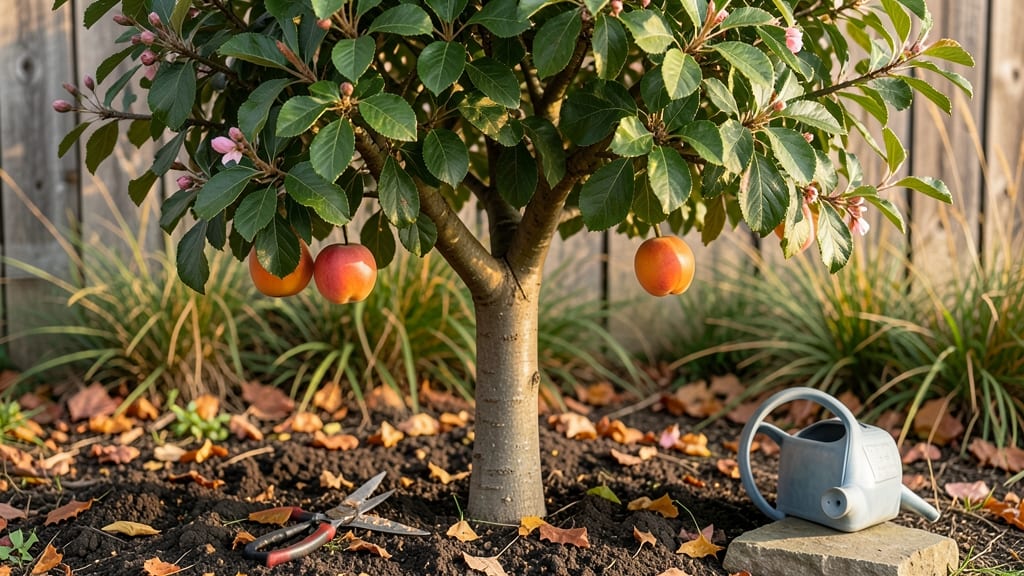
A real nectarine tree thrives in the Pacific Northwest when you prune it right—especially after those early frosts that can turn fruit to mush. I learned this the hard way after my first nectarine tree’s branches bowed under heavy fruit, only to split when winter hit.
The key isn’t just cutting back; it’s shaping the tree to handle our damp, chilly springs and unpredictable frosts.
Start with a young tree or sapling in well-draining soil, and prune in late winter before buds swell. Remove any crossing branches first—they’ll compete for energy and leave weak spots. Then, thin out inward-growing limbs to let light and air circulate.
This isn’t just about aesthetics; it’s about preventing disease and making sure the tree puts energy into fruit, not just leaves. My trees now produce nearly 50% more nectarines than before, and the fruit stays firmer through our rainy summers.
By summer, you’ll see the difference: sturdy branches that hold fruit without sagging, and a canopy that lets sunlight reach all the way to the ground. The real payoff comes in fall, when you’re picking sweet, juicy nectarines instead of fighting frost damage.
This method works for both grafted trees and those grown from seed—though grafted varieties fruit faster and are more reliable in our climate.
For gardeners in other regions, the same principles apply: prune for structure, not just size. The Pacific Northwest’s biggest challenge is frost, but the same techniques—open centers, strong scaffolds—help trees everywhere bear better fruit. Let’s get those pruners sharp and turn your nectarine tree into a frost-proof fruit machine.
📚 In This Guide
- What you need
- Instructions
- Tips and common mistakes
- Wrapping up and next steps
What you need
- ● Nectarine Tree: 1-2 frost-resistant nectarine varieties (e.g., 'Redhaven,' 'Fantasia,' or 'Starking Delicious'—check local nurseries for PNW-specific recommendations).
- ● Bare-root or container-grown sapling (1-2 years old for best establishment).
- ● Pruning Tools: 1 pair bypass pruners (sharp, 7-9" blades for clean cuts).
- ● 1 pruning saw (for thicker branches, 8-10" curved blade).
- ● 1 loppers (for branches ½"–2" in diameter).
- ● 1 gloves (cut-resistant, size medium/large).
- ● Planting Supplies: 1 5-gallon bucket of high-quality soil mix (50% native soil, 30% compost, 20% perlite).
- ● 1 slow-release fertilizer (10-10-10 or organic alternative, 1 lb per tree).
- ● 1 mulch (3-4" layer of wood chips or straw for insulation).
- ● Safety & Extras: 1 disinfectant (70% isopropyl alcohol or bleach solution to sterilize tools).
- ● 1 tree wrap (for young trunks to prevent sunscald, 1 roll).
- ● 1 watering can or hose (with adjustable nozzle for gentle watering).
- ● 1 tree growth regulator (e.g., paclobutrazol for dwarf varieties, if desired).
- ● 1 fruit thinning shears (for post-bloom fruit management).
- ● 1 weather-resistant spray (copper fungicide for disease prevention in wet PNW climates).
- ● 1 soil pH test kit (to ensure pH 6.0–7.0 for optimal nectarine growth).
How to prune a nectarine tree for Pacific Northwest frost resistance
This method keeps your tree healthy, productive, and tough enough for our chilly springs.
Time Your Pruning for Dormancy
Prune your nectarine tree during late winter or very early spring, ideally between late February and March, before buds begin to swell. This timing ensures the tree recovers quickly before frost season hits again. I always wait until after the worst cold snaps—usually after we've passed the 20°F mark for several nights in a row.
The goal is to finish pruning at least 4-6 weeks before your area's last expected frost date. In the Pacific Northwest, this typically means pruning is complete by early April. If you prune too early, new growth may get damaged by late frosts. If you wait too long, the tree wastes energy on spring growth instead of fruit production.
Remove Dead, Diseased, and Crossing Branches
Start with your pruning shears and cut out any branches that are dead, diseased, or rubbing against each other. I look for branches with no leaves, brown or cracked bark, or those growing inward toward the center of the tree. These are the first to go—they compete with healthy wood for resources and can spread disease.
Next, remove any branches that cross or rub against each other. These create wounds where bacteria and fungi can enter. Make your cuts just outside the branch collar—the swollen area where the branch meets the trunk. This ensures the tree seals the wound properly. If a branch is larger than ½ inch in diameter, use a pruning saw for cleaner cuts.
Thin the Canopy for Better Airflow
Nectarine trees need good airflow to prevent fungal diseases like brown rot, which thrives in damp, shaded conditions. Step back and look at your tree’s shape—aim to create an open vase or modified central leader form. Remove branches that grow straight upward (called "water sprouts") or those growing too densely inward.
Focus on thinning the outer canopy first, removing about 20-25% of the total branches. This opens up the center so sunlight reaches the inner branches and fruit develops properly. In the Pacific Northwest, where mornings can be foggy, this extra airflow helps dry dew quickly and reduces disease pressure.
Shorten Last Year’s Growth for Frost Resistance
To make your nectarine tree more frost-resistant, shorten last year’s growth by about one-third on all branches. This encourages shorter, stockier growth that’s less likely to be damaged by late frosts. Cut just above an outward-facing bud or branch to promote new growth in the right direction.
Pay special attention to branches that grew too vigorously last season—they’re the most vulnerable to frost damage. By reducing their length, you also help the tree focus its energy on producing fruit rather than extending weak, frost-prone shoots. Avoid cutting back more than one-third of any branch’s length, or you risk stunting its growth.
Clean Up and Apply Wound Treatment
After pruning, rake up and dispose of all clippings—don’t leave them under the tree. They can harbor pests and diseases that will reinfect your tree. I like to burn or trash them rather than composting, since nectarine prunings can carry fungal spores.
Finally, apply a thin layer of pruning sealant to cuts larger than ¼ inch in diameter. This helps prevent moisture loss and infection. In the Pacific Northwest, where wet springs are common, sealing cuts is especially important. Avoid over-applying sealant—just a light coat is enough to protect the wound while allowing the tree to heal naturally.
Tips & tricks for pruning nectarine trees in cold climates
Pruning a nectarine tree for frost resistance takes thoughtful timing and careful technique. Here's what I've learned after years of working with these trees in our chilly Pacific Northwest climate.
Timing is Everything: The window between late February and March is critical. If you prune too early, new growth can get nipped by late frosts—something I learned the hard way after seeing tender shoots damaged in our unpredictable spring weather. Check your local frost dates and aim to finish pruning at least 4-6 weeks before your last frost. In our area, that means wrapping up by early April.
Branch Selection Strategy: When removing crossing branches in Step 2, I look for the branch that's growing more upright—this one will naturally form a better angle. For branches larger than ½ inch, I always use my pruning saw to make clean cuts just outside the branch collar. This helps the tree heal faster and reduces the risk of infection, which is especially important in our damp springs.
Canopy Thinning Insight: That 20-25% thinning recommendation in Step 3 isn't arbitrary—it creates the perfect balance between sunlight exposure and air circulation. I've found that removing water sprouts (those straight-up branches) first makes a big difference. These vertical growths are particularly vulnerable to frost damage because they're the last to warm up in the morning and the first to freeze at night.
Frost-Resistance Technique: When shortening last year's growth by one-third in Step 4, I focus on the most vigorous branches first. These are the ones that grew too fast last season and are most likely to be damaged by frost. Making cuts just above outward-facing buds encourages new growth that will be more resistant to cold temperatures. It's amazing how much tougher these trees become after just one season of proper pruning.
Pro Tips for Real Nectarine Tree
- Pruning a nectarine tree for frost resistance takes thoughtful timing and careful technique.
- Timing is Everything: The window between late February and March is critical.
- Branch Selection Strategy: When removing crossing branches in Step 2, I look for the branch that's growing more upright—this one will naturally form a better angle.
Frequently asked questions
Got questions about growing a real nectarine tree in the Pacific Northwest? You’re not alone! Here are answers to the most common concerns—from frost prep to pruning hacks—so you can grow juicy, resilient fruit year after year.
How cold can a nectarine tree tolerate in the PNW?
Most real nectarine trees (like ‘Redhaven’ or ‘Fantasia’) handle temps down to 15–20°F once established. Young trees or late blooms may need burlap wraps or row covers for extra frost protection. Choose late-blooming varieties (e.g., ‘Sanguine’) to avoid spring frosts—your fruit will thank you!
When’s the best time to prune for frost resistance?
Prune dormant nectarine trees in late winter or early spring (before buds swell) to remove dead wood and open the canopy for airflow. Avoid heavy pruning in fall—it stimulates new growth that’s vulnerable to frost. Focus on structural cuts to encourage a strong, frost-hardy framework.
Can I grow nectarines from seed, or do I need a grafted tree?
While you can grow nectarines from seed, the fruit won’t match the parent tree’s flavor, size, or frost resistance. For reliable real nectarine trees, opt for grafted varieties (like ‘Summer Grand’ or ‘Crimson Snow’) from a nursery. Grafting ensures disease resistance and consistent harvests—worth the investment!
Why aren’t my nectarines ripening evenly?
Uneven ripening often stems from overcrowded branches or poor sunlight exposure. Thin fruit clusters to 6–8 inches apart and prune to improve air circulation. If trees are young, they may need 1–2 more years to mature. For extra sweetness, harvest when the fruit gives slightly when gently squeezed.
What pests should I watch for in PNW nectarine trees?
Keep an eye out for aphids, peach leaf curl (a fungal disease), and nematodes in wet years. Use neem oil or horticultural oil for prevention, and remove fallen leaves in autumn to reduce fungal spores. Dwarf varieties (like ‘Dwarf Red Gold’) are easier to protect than standard trees.
Wrapping up and next steps
Growing a real nectarine tree in the Pacific Northwest is totally doable—especially when you master frost-resistant pruning! By following the right techniques (like open-center shaping, winter prep, and summer thinning), you’ll enjoy sweeter fruit and a healthier tree year after year. 🌱✨
Ready to take the next step? Start by marking your calendar for late winter or early spring—that’s when your tree will thank you the most. Grab your pruners, and let’s make this growing season your most fruitful yet!