
Pruning
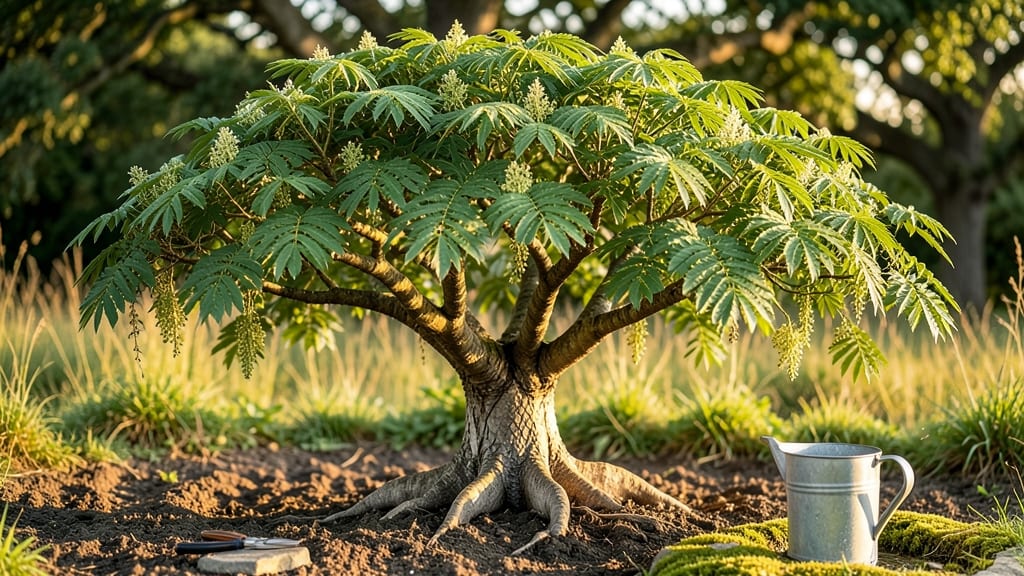
The tree of heaven thrives in the Pacific Northwest’s damp winters, but its aggressive roots demand smart pruning to keep it in check. I’ve wrestled with this fast-growing tree for years—its compound leaves and citrusy scent are iconic, but its invasive tendencies make it a garden wildcard.
The key isn’t just cutting branches; it’s timing and technique to prevent regrowth while keeping the tree manageable.
Most gardeners in the UK’s Zone 8-9 underestimate how hardy this tree is—it handles frost like a champ but needs late-winter pruning to stay contained. Grab your loppers and gloves: focus on removing suckers at the base and thinning crowded branches to improve airflow.
A sharp cut just above a leaf node stops stubborn regrowth better than half-hearted trims. Between you and me, I’ve learned the hard way that skipping this step means wrestling with a 20-foot monster in five years.
What you’ll end up with is a tree that stays compact yet striking, with fewer pests and diseases creeping in. The pruned branches make great firewood (if you’re into that), and the tree’s resilience means you won’t need to babysit it through UK winters.
Just don’t let it escape your yard—this one spreads like gossip. We’ll cover how to contain it without turning your garden into a jungle.
This method works for urban gardens, large estates, or even container-grown specimens (yes, really). The Pacific Northwest’s climate is similar to parts of southern England, so the same pruning tricks apply. Ready to tame this tree without losing its charm?
📚 In This Guide
- What you need
- Instructions
- Tips and common mistakes
- Wrapping up and next steps
What you need
- ● Pruning shears: Bypass pruners (for small branches, 10-15 cm in diameter). Recommended: Felco F2 or equivalent.
- ● Loppers: For branches 15-40 cm thick. Look for ratcheting or bypass models for precision.
- ● Pruning saw: A curved-tooth saw (e.g., Fiskars X27) for thick branches 40+ cm in diameter.
- ● Disposable gloves: Heavy-duty, nitrile-coated gloves (e.g., Ansell) to protect against sap and thorns.
- ● Safety glasses: ANSI-rated for debris protection.
- ○ Rubbing alcohol (70%+) or pruning sealant: To disinfect tools and cuts (optional but highly recommended to prevent disease).
- ● Plastic bags or bucket: For collecting large pruned debris (check local UK waste guidelines).
- ● Extension pole saw: For high branches (e.g., Silky 2609 with 10-12m reach).
- ● Ladder (stable, 3-section): Aluminum or fiberglass (avoid wood near sap). Max height: 6m for safety.
- ● Tree rope or harness: For working at heights above 3m (UK HSE-compliant).
- ● Hose or bucket of water: To rinse sap off tools and skin post-pruning.
- ○ Marking spray (optional): Bright paint to tag branches for removal (e.g., Farrow & Ball color).
- ● Weather check: Prune on a dry, calm day (avoid frost or rain within 24 hours).
- ● UK legal compliance: Verify if your tree is protected (check blank">UK government guidelines).
- ● Safety brief: Ensure no power lines are nearby (call blank">UK Power Networks if unsure).
Step-by-Step pruning guide for Pacific Northwest tree of Heaven
Here's my go-to method for keeping this hardy tree healthy through our cold winters.
Identify the Right Time to Prune
Prune your Tree of Heaven in late winter or early spring, just before new growth begins. This is typically between February and March in the Pacific Northwest, when temperatures hover around 40-50°F. You'll know it's time when you see swollen buds starting to plump up along the branches.
Never prune during fall or winter when the tree is dormant. Pruning at this time can stimulate new growth that won't harden off before cold snaps, leaving it vulnerable to frost damage. The tree's natural resilience makes it perfect for our climate, but timing still matters.
Remove Dead, Diseased, or Weak Branches
Start by cutting out any branches that are dead, diseased, or crossing. Use clean, sharp pruning shears to make cuts just outside the branch collar—the swollen area where the branch meets the trunk. Look for branches with no green tissue when you scrape them with your thumbnail.
Remove any branches that are rubbing against each other, as this creates wounds that can invite pests and disease. You'll also want to thin out the canopy by about 20-30% to improve air circulation. This helps prevent fungal issues common in dense foliage.
Shape the Tree for Winter Hardiness
Focus on opening up the center of the tree to allow sunlight and warmth to reach the inner branches. This is especially important in our damp Pacific Northwest climate, where stagnant air can lead to rot. Cut back any branches growing inward at an angle greater than 45 degrees from vertical.
Shorten the outer branches by about one-third to encourage a bushier, more compact growth habit. This makes the tree more resistant to wind damage during our winter storms. Avoid heavy pruning in one season—spread it out over 2-3 years to avoid shocking the tree.
Clean Up and Monitor for Frost Damage
After pruning, dispose of all cuttings properly by bagging them and removing them from your property. This prevents the tree's invasive seeds from spreading. Once the tree is pruned, keep an eye on it during late winter frost events.
If you notice any browning or wilting after a hard freeze, don't panic. The Tree of Heaven is remarkably frost-resistant, and new growth will typically emerge once temperatures warm up. Water the base of the tree if the soil feels dry to the touch, but avoid overwatering—this tree prefers well-draining soil.
Tips & tricks for frost-resistant tree of Heaven pruning
These practical pointers will help you prune your Tree of Heaven like a pro while keeping it thriving through Pacific Northwest winters.
Timing is Everything: The February-March window between 40-50°F is your sweet spot for pruning. I've learned the hard way that pruning too early can leave your tree vulnerable to late-season frost. Watch for those swollen buds—they're your clear signal it's time. If you miss this window, wait until absolutely necessary, but remember that late pruning can stimulate tender new growth that won't survive our cold snaps.
Tool Preparation Matters: Before you even touch a branch, make sure your pruning shears are clean and sharp. I sterilize mine with rubbing alcohol between cuts to prevent spreading disease. Dull blades tear wood instead of making clean cuts, which weakens the tree. For larger branches, use loppers or a pruning saw—never try to force small shears on thick growth. Remember, clean cuts heal better and faster.
Visual Cues for Healthy Pruning: When removing branches in Step 2, look for these telltale signs: branches with no green tissue when scraped are dead, while those rubbing against neighbors create perfect entry points for pests. For shaping in Step 3, imagine you're creating a dome shape—this opens up the center for better airflow and sunlight penetration. The 45-degree angle rule is your guide for removing inward-growing branches that would otherwise block light from reaching the inner canopy.
Post-Pruning Care: After you've finished, don't just leave the cuttings lying around. Bag them up and dispose of them properly—this tree's invasive seeds can spread easily. I've seen neighbors accidentally plant these cuttings in their gardens, only to deal with unwanted Tree of Heaven sprouts later. Once pruned, keep an eye on your tree during late winter frost events. While it's frost-resistant, extreme cold can still cause some browning, but new growth usually emerges once temperatures warm up.
Pro Tips for Tree Of Heaven Uk
- These practical pointers will help you prune your Tree of Heaven like a pro while keeping it thriving through Pacific Northwest winters.
- Timing is Everything: The February-March window between 40-50°F is your sweet spot for pruning.
- Tool Preparation Matters: Before you even touch a branch, make sure your pruning shears are clean and sharp.
Frequently asked questions
about the Tree of Heaven (Ailanthus altissima) in UK gardens—especially when considering its frost-resistant traits for Pacific Northwest climates.Is the Tree of Heaven truly frost-resistant in the UK?
The Tree of Heaven is highly frost-tolerant, surviving temperatures as low as -15°C (5°F). However, young plants may need winter protection in colder UK microclimates. In the Pacific Northwest, where winters are milder, it thrives with minimal care—just avoid heavy pruning in late fall to prevent frost damage.
When is the best time to prune a Tree of Heaven in the UK?
Prune in late winter or early spring (February–March) before new growth starts. Avoid pruning in autumn, as wounds may not heal before frost sets in. For shaping, use clean, sharp tools and remove dead branches first—this keeps the tree healthy and frost-resistant.
Can I grow a Tree of Heaven as a hedge in the UK?
Yes! It’s fast-growing and dense, making it a great hedge option. However, its aggressive roots may outcompete nearby plants. Space them 3–5 meters apart and prune regularly to control spread. For a Pacific Northwest garden, it’s a low-maintenance, drought-tolerant choice.
What are some alternatives if I don’t want the Tree of Heaven’s aggressive growth?
Consider these frost-hardy, fast-growing UK alternatives:
- Silver Birch (Betula pendula) – Graceful but non-invasive.
- Rowan (Sorbus aucuparia) – Hardy and wildlife-friendly.
- Hornbeam (Carpinus betulus) – Drought-tolerant with neat foliage.
Why does my Tree of Heaven have yellow leaves, even in winter?
Yellowing leaves in winter can signal root stress (often from invasive roots) or nutrient deficiency. Check for competing plants and mulch well in autumn. If the issue persists, test soil pH—Tree of Heaven prefers slightly acidic to neutral soil (pH 6.0–7.5).
Wrapping up and next steps
The Tree of Heaven is a resilient, fast-growing addition to UK gardens—especially in the Pacific Northwest’s chilly climate. With the right pruning techniques, you can keep it healthy, manageable, and stunning year-round.
Whether you’re trimming for shape, controlling growth, or preparing for winter, these steps ensure your tree thrives while staying true to its hardy nature.
Ready to take action? Grab your pruners and get started! Start small—even a single session makes a difference. If you’re unsure, consult a local arborist or gardening community for tailored advice. Your Tree of Heaven will thank you with lush, vibrant growth! 🌿✨