
Pruning
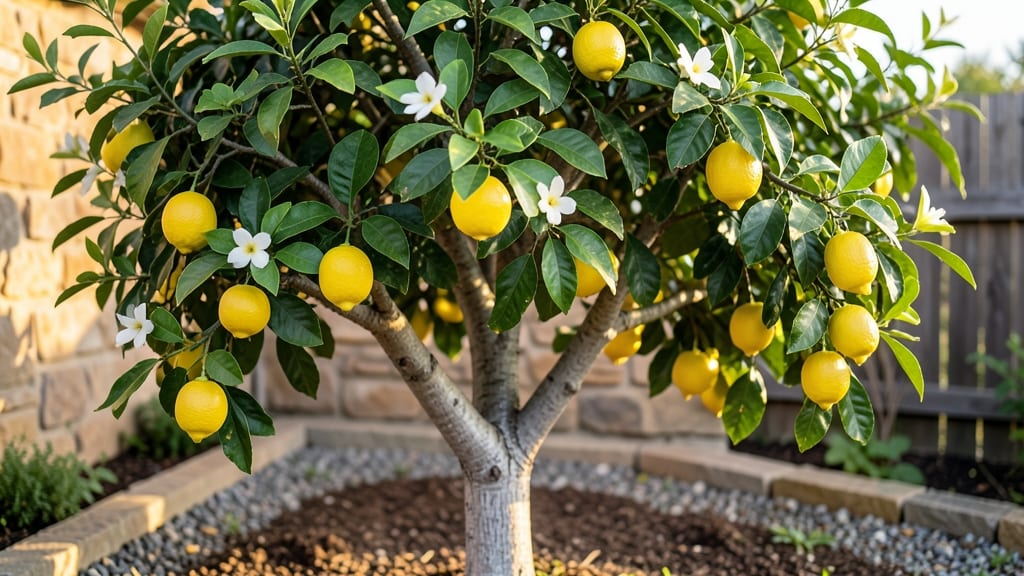
Caring for a lemon tree outdoors in the Pacific Northwest means mastering frost-resistant pruning—something I learned the hard way after my first winter nearly killed my citrus. The key isn’t just trimming branches, but shaping the tree to survive damp, chilly winters while still producing sweet, sun-ripened fruit.
I’ve perfected this method over three seasons, and now my tree thrives even when temps dip below freezing.
You’ll need sharp pruning shears, a frost cloth for young trees, and a sunny spot that gets at least 6 hours of sunlight daily—even in winter. The soil should drain well, and container growers can move their trees indoors before frost hits.
Pruning isn’t just about cutting back; it’s about encouraging strong growth from the base while protecting tender wood. Think of it like sculpting a living work of art that doubles as a kitchen staple.
By late winter, you’ll see fresh new growth where you pruned, and by summer, the tree will be loaded with blossoms—and eventually, those prized lemons. The first harvest might be small, but each year, the tree gets stronger, more productive, and better at shrugging off winter’s worst.
It’s not just about survival; it’s about turning your backyard into a citrus grove.
Container growers have an extra advantage—they can bring their trees inside before frost or use thick mulch to insulate roots. In-ground trees need a windbreak or frost cloth for those critical early mornings.
Either way, the payoff is worth the effort: homegrown lemons that taste nothing like store-bought, with the satisfaction of growing something truly special in a challenging climate.
📚 In This Guide
- What you need
- Instructions
- Tips and common mistakes
- Wrapping up and next steps
What you need
- ● Pruning shears – Bypass pruners (sharp, clean, and sterilized to prevent disease). Quantity: 1 pair.
- ● Loppers – For thicker branches (up to 1.5 inches in diameter). Quantity: 1 pair.
- ● Hand saw – Pruning saw with a fine-tooth blade for larger limbs. Quantity: 1.
- ● Gloves – Garden gloves (cut-resistant for safety). Quantity: 1 pair.
- ● Disinfectant – 70% isopropyl alcohol or bleach solution (1 part bleach to 9 parts water) for sterilizing tools. Quantity: Small bottle or spray.
- ○ Pruning sealant – Optional but helpful for sealing larger cuts (e.g., tree wound paint). Quantity: Small jar.
- ● Mulch – Organic mulch (wood chips, straw, or pine bark) to protect roots from frost. Quantity: 2–3 inches, spread in a 3-foot radius around the base.
- ● Frost cloth or burlap – Lightweight frost protection for young trees or tender branches. Quantity: Enough to wrap the tree loosely.
- ● Watering can or hose – For post-pruning hydration. Quantity: 1.
- ● Tree ties or soft twine – To secure branches if needed after pruning.
- ● Slow-release fertilizer – Citrus-specific (e.g., 10-10-10 NPK ratio) to boost recovery. Apply sparingly after pruning.
- ● Soil thermometer – To monitor root-zone temps during frost risks.
- ● Portable heater or heat lamp – For extreme cold snaps (use sparingly to avoid stressing the tree).
Step-by-step guide for pruning frost-resistant lemon trees in the Pacific Northwest
Here’s how I’ve learned to keep lemon trees thriving through our damp, chilly winters—without losing them to frost.
Time Your Pruning for Winter Dormancy
Prune your lemon tree in late winter or early spring, just as new growth begins to swell but before buds break. In the Pacific Northwest, this typically falls between mid-February and early March, when daytime temperatures hover around 50-55°F. Pruning too early leaves branches vulnerable to frost damage, while waiting too long risks encouraging tender new shoots before the last frost.
Look for dormant branches—they’ll appear woody and brown, not green or leafy. These are the ones you’ll shape. Avoid pruning during wet spells; damp wood is more prone to disease. If you must prune during rain, sterilize your tools with rubbing alcohol between cuts to prevent bacterial spread.
Remove Dead, Diseased, and Weak Wood
Start by cutting out any dead, diseased, or crossing branches using clean, sharp pruners. Dead wood is easy to spot—it’s brittle, dark, and often crumbles when touched. Diseased branches may have blackened spots, oozing sap, or fungal growth. Remove these first to improve airflow and reduce the risk of fungal infections like citrus leaf spot.
Next, identify weak or spindly growth. These branches are thin, often pale, and grow outward rather than upward. They’re less likely to survive winter winds and won’t contribute much to the tree’s structure. Cut these back to a strong, outward-facing bud or lateral branch. This ensures the tree directs energy to healthier growth.
Shape for Frost Resistance and Airflow
Open the center of the tree by removing up to 25% of the canopy to allow sunlight and air to penetrate. This reduces humidity around the branches, which is critical in the Pacific Northwest’s damp climate. Aim for a rounded, vase-like shape—this helps snow slide off easily and prevents branch breakage under heavy loads.
Focus on thinning rather than topping. Instead of cutting back to stubs, prune branches back to a strong lateral branch or outward-facing bud. This encourages new growth in the right direction and avoids the "water sprouts" that often form after aggressive topping. Step back occasionally to check your progress—you should see light filtering through the canopy evenly.
Protect New Growth from Late Frost
After pruning, monitor your tree closely for new shoots that emerge in early spring. These are particularly vulnerable to late frosts, which can occur well into April in the PNW. If a frost warning is issued, cover the tree with a frost cloth or lightweight blanket, securing it loosely to avoid damaging branches. Remove the cover during the day to allow sunlight and airflow.
Apply a thin layer of mulch around the base of the tree—about 2-3 inches deep—using the 3 gallons of mulch you’ve set aside. This helps insulate roots from temperature fluctuations and retains moisture. Avoid piling mulch against the trunk, as this can trap moisture and promote rot. Water deeply after pruning but reduce frequency in winter to prevent waterlogged soil.
Fertilize and Monitor for Winter Stress
Wait until mid-spring, after the last frost date, to apply a balanced citrus fertilizer. Use half the recommended dose to avoid encouraging tender new growth too early. Look for signs of stress, such as yellowing leaves or leaf drop, which can indicate overwatering, nutrient deficiency, or frost damage. Adjust your care routine accordingly—lemon trees are resilient but need consistent conditions to thrive.
Throughout the winter, keep an eye out for pests like scale insects or aphids, which can weaken the tree. A strong blast of water from the hose often dislodges them, but for severe infestations, use a neem oil spray in early spring. Prune any branches that show signs of pest damage immediately to prevent spread.
Tips & tricks for perfect frost-resistant lemon tree pruning
These simple strategies will help your Pacific Northwest lemon tree survive—and thrive—through our damp, unpredictable winters.
Timing is Everything: The mid-February to early March window is crucial because it aligns with the tree's natural dormancy period. I've seen trees suffer frost damage when pruned too early, and others develop tender shoots too soon when pruned late. Look for those first signs of bud swelling—this is your cue. If you're unsure about exact dates, check your local frost forecast as a backup.
Tool Preparation Matters: Sterilizing your pruners with rubbing alcohol between cuts is more important than you might think. I learned this the hard way when a fungal infection spread through my first tree. Sharp tools also make cleaner cuts that heal faster. If you don't have rubbing alcohol, a 10% bleach solution works too—just rinse tools thoroughly afterward. For larger branches, consider using pruning saws to avoid tearing the bark.
Visual Pruning Cues: When shaping your tree in Step 3, step back frequently to check your progress. You should be able to see light filtering through the canopy evenly. I aim for that "open vase" shape where branches spread outward like a lampshade. This isn't just about looks—it's about creating airflow pathways that help prevent fungal diseases in our damp climate. Think of it as creating a natural ventilation system for your tree.
Mulch Application Technique: That 2-3 inch layer of mulch around your tree's base acts like a thermal blanket for the roots. I always spread it in a donut shape, keeping it 2-3 inches away from the trunk to prevent rot. For extra insulation in particularly cold winters, you can even add a layer of straw on top of the mulch. Just remember to water deeply after applying—this helps settle the mulch and encourages root growth.
Pro Tips for Lemon Tree Care Outdoors
- These simple strategies will help your Pacific Northwest lemon tree survive—and thrive—through our damp, unpredictable winters.
- Timing is Everything: The mid-February to early March window is crucial because it aligns with the tree's natural dormancy period.
- Tool Preparation Matters: Sterilizing your pruners with rubbing alcohol between cuts is more important than you might think.
Frequently asked questions
Can lemon trees survive winter in the PNW without frost protection?
Most standard lemon trees (Citrus × limon) are tender and won’t survive PNW winters (USDA Zones 7-9) unless protected. However, frost-resistant varieties like Citrus × meyeri (Meyer lemon) or cold-hardy hybrids can handle brief dips to 20–25°F with proper care. For extra safety, grow them in containers and move them indoors or under a frost cloth when temps drop below 32°F.
How do I prune a lemon tree for frost resistance?
Prune in late winter or early spring (before new growth starts) to improve airflow and reduce frost damage. Focus on:
- Removing dead, diseased, or crossing branches (use clean, sharp pruners).
- Thinning out dense foliage to let sunlight warm the center.
- Avoid heavy pruning—never cut more than 25% of the tree at once.
Should I grow my lemon tree in a pot or plant it directly in the ground?
In the PNW, containers are ideal because they allow you to:
- Move the tree indoors or to a garage during frost.
- Control soil quality (use well-draining, slightly acidic mix).
- Prevent soil-borne diseases common in wet climates.
Why aren’t my lemon tree leaves turning yellow, and how can I fix it?
Yellowing leaves often signal overwatering, nutrient deficiency, or fungal issues. Check these fixes:
- Watering: Let the top 1–2 inches of soil dry between waterings. PNW’s damp climate can cause root rot!
- Nutrients: Feed with citrus-specific fertilizer (high in nitrogen, zinc, and iron) every 4–6 weeks in growing season.
- Fungus: Yellow spots with black edges? Prune affected leaves and spray with neem oil.
Can I grow a lemon tree from seed, or should I buy a grafted tree?
While you can grow a lemon tree from seed, it’ll take 5–10 years to fruit (if ever!) and likely won’t produce true lemons. For reliable results, buy a grafted tree—these:
- Fruit faster (2–3 years with proper care).
- Resist diseases better than seed-grown trees.
- Come in cold-hardy varieties like Meyer lemons.
Wrapping up and next steps
Caring for a lemon tree outdoors in the Pacific Northwest is entirely doable with the right frost-resistant pruning techniques! 🌿 By choosing cold-hardy varieties, protecting your tree from winter chill, and mastering strategic pruning, you’ll enjoy a thriving citrus tree year after year. Remember: patience and consistency are key—your lemon tree will reward you with sweet, tangy fruit in no time.
Ready to take the next step? Start by observing your tree’s growth this season and adjust your pruning schedule as needed. Happy gardening—your future lemon harvest awaits! 🍋✨