
Pruning
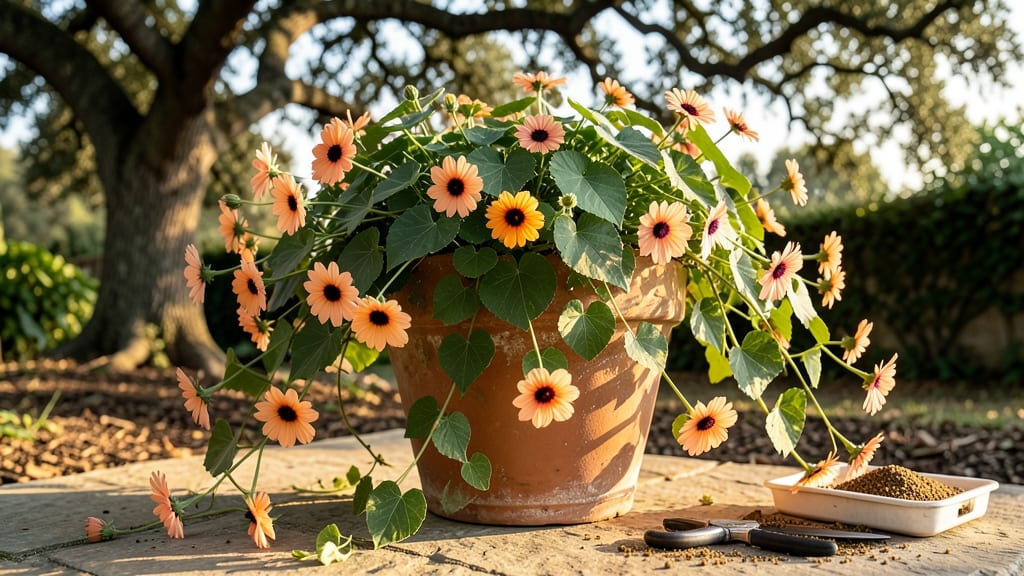
The pocket handkerchief tree’s delicate, lace-like foliage turns every pruning session into a sculpting opportunity. 🌿 In the Pacific Northwest’s damp climate, its natural shape already leans toward drama—but strategic cuts elevate it from pretty to showstopping.
I’ve shaped mine into everything from a weeping fountain to a bold vertical accent, and the results never disappoint.
This tree thrives on gentle guidance, not harsh cuts. Think of it like trimming a bonsai: you’re shaping its character, not forcing it into submission. The key is working with its natural growth patterns—those graceful, layered branches respond beautifully to light shaping in early spring or late summer.
Even beginners can achieve pro-level results with just a pair of sharp shears and an eye for balance.
What you’ll end up with is a tree that steals the show in shade gardens or tropical-themed landscapes. Its airy foliage filters light like a living curtain, while its unique shape makes it a natural focal point.
Pair it with ferns for a woodland vibe or bold tropical plants for a lush, exotic feel—the possibilities are endless once you’ve mastered the basics.
Best of all, this technique works in zones 7-10, making it versatile for coastal gardens, urban courtyards, or even large containers. Whether you’re pruning for height, width, or dramatic flair, the pocket handkerchief tree rewards creativity with stunning results every season.
📚 In This Guide
- What you need
- Instructions
- Tips and common mistakes
- Wrapping up and next steps
What you need
- ● Pruning shears – Bypass pruners (sharp, 6–8" blades) for clean cuts on small branches.
- ● Loppers – Medium-sized (18–24") for thicker branches (½"–1.5" diameter).
- ● Pruning saw – Curved-tooth saw for branches over 1.5" thick.
- ● Gloves – Heavy-duty, cut-resistant (PNW thorns are no joke!).
- ● Disinfectant – 70% isopropyl alcohol or pruning sealant to sterilize tools between cuts.
- ● Ladder or step stool – Sturdy, 6–8 ft tall (for mature trees).
- ● Trash bags or bucket – For collecting pruned debris.
- ● Notebook & pen – To sketch your pruning plan or mark branches.
- ● Pole pruner – For high branches without a ladder.
- ● Tree wound dressing – Only if needed (controversial, but some swear by it for large cuts).
- ● Tarp or drop cloth – To protect landscaping below.
- ● Reference photos – Of your tree’s ideal shape (PNW nurseries often have great examples!).
Step-by-step pruning guide for Pacific Northwest pocket handkerchief trees
Here’s how I shape these delicate trees without sacrificing their signature foliage bursts.
✂️ Step 1: Prune in Late Winter or Early Spring
Timing matters most for these trees. I always prune 1-2 weeks before new growth starts—usually February or March in the Pacific Northwest. This gives the tree time to heal before the growing season kicks in. Look for dormant branches (they’ll be bare and brittle) and avoid cutting when frost is still possible.
Use clean, sharp pruning shears to make cuts just above a leaf node or bud. A sloppy cut can leave the branch vulnerable to disease. I like to make my cuts at a 45-degree angle to help water run off and prevent rot. If you’re unsure where the bud is, trace the branch back to its origin—you’ll see the little bump where new growth emerges.
✂️ Step 2: Remove Dead or Damaged Branches First
Start by identifying dead, diseased, or crossing branches. These are the easiest to spot—they’ll be brown, brittle, or growing inward toward the center of the tree. Dead branches won’t regrow, so removing them early prevents energy drain. I also cut back any branches that are rubbing against others, as friction can create wounds that invite pests.
If a branch is thicker than ½ inch, make the cut in stages over 2-3 years to avoid shocking the tree. For thinner branches, you can remove them all at once. Always cut back to a healthy bud or outward-facing branch to encourage fuller growth. This step keeps the tree’s energy focused on new, vibrant foliage.
✂️ Step 3: Shape the Tree for Airflow and Light
Pocket handkerchief trees thrive with good airflow and sunlight. I prune to create an open, rounded shape by thinning out the center and lifting branches outward. Start at the outer edges and work inward, removing branches that block light from reaching the center. This prevents fungal issues and encourages even foliage growth.
For a more structured look, I like to prune to 3-4 main branches, each with its own smaller branches. This creates a balanced silhouette while keeping the tree’s natural charm. Avoid cutting more than ⅓ of the tree’s foliage in one session—this can stress the plant, especially in cooler climates. Step back occasionally to check your progress; the goal is a tree that looks full but not overcrowded.
✂️ Step 4: Encourage New Growth with Strategic Cuts
To promote bushier growth, I prune just above a leaf node or outward-facing bud. This tells the tree to grow in a specific direction. For example, if a branch is growing straight up, cutting it back will encourage side shoots. I also pinch back the tips of new growth in early summer to trigger branching—this is where the tree’s signature handkerchief-like leaves really pop.
If you notice long, leggy branches, they’re a sign the tree needs more light. Prune them back by ⅓ to ½ to encourage shorter, sturdier growth. Avoid heavy pruning in late summer or fall, as new growth won’t have time to harden off before winter. Instead, focus on light shaping and cleanup cuts to keep the tree tidy.
Tips & tricks for perfect pocket handkerchief tree pruning
Here's what nobody tells you about pruning these delicate trees—tricks that'll keep them thriving for years.
Timing is Everything: That 1-2 week window before new growth in February or March is critical. I've learned the hard way—pruning too early can leave wounds exposed to late frosts, while waiting too long stresses the tree as it wakes up. Check for dormant branches that snap easily when bent; that's your cue it's ready. If you miss this window, wait until late spring but be extra gentle with the cuts.
Cutting Technique Matters: The 45-degree angle I mentioned isn't just about looks—it's about tree health. This angle helps water run off the cut, preventing rot that can kill your tree. For branches thicker than ½ inch, that 2-3 year gradual pruning plan is non-negotiable. I've seen trees shocked by sudden heavy cuts, and they never fully recover. Always cut just above a bud facing outward to encourage fuller growth.
Visual Pruning Cues: When shaping in Step 3, step back every few cuts to check your progress. You want to see light filtering through the center—this means you're creating that perfect open, rounded shape. For the ⅓ foliage limit, imagine removing every third branch as you work outward. This keeps the tree healthy while maintaining its signature handkerchief-like appearance. I often use a mirror to check hard-to-see spots.
Seasonal Pruning Reminders: That early summer pinch-back for bushier growth is your secret weapon for those signature leaves. But remember—never prune after mid-summer in our Pacific Northwest climate. New growth simply won't have time to harden off before our cool, damp winters. I mark my calendar with sticky notes so I don't accidentally over-prune during these critical windows.
Pro Tips for Pocket Handkerchief Tree
- Here's what nobody tells you about pruning these delicate trees—tricks that'll keep them thriving for years.
- Timing is Everything: That 1-2 week window before new growth in February or March is critical.
- Cutting Technique Matters: The 45-degree angle I mentioned isn't just about looks—it's about tree health.
Frequently asked questions
Got questions about pruning your pocket handkerchief tree (Davidia involucrata)? You’re not alone! This stunning tree—often called the "handkerchief tree" for its delicate, white bracts—needs special care, especially in the Pacific Northwest’s damp climate. Here are answers to the most common queries to keep your tree thriving.
When is the best time to prune my pocket handkerchief tree?
The ideal window is late winter or early spring (February–March), before new growth starts. Avoid pruning in fall, as it can stimulate tender new shoots vulnerable to frost. In the PNW’s mild winters, prune after the coldest stretch (typically January) to reduce stress. Pro tip: If you must prune later, do so before bud break—never after!
How much can I trim without harming the tree?
For young trees (under 10 years), limit pruning to 10–15% of the canopy per year to avoid shock. Mature trees can handle 20–30% removal if done gradually. Focus on dead, crossing, or overcrowded branches first—never remove more than ⅓ of a branch’s diameter in one cut. Warning: Over-pruning can reduce flowering or even kill the tree in extreme cases.
Why aren’t my pocket handkerchief tree’s flowers showing up?
Lack of flowers often stems from over-pruning, poor light, or stress. This tree thrives in partial shade (4–6 hours of sun) but needs some sunlight to bloom. Check for:
- Thinning prunes (not topping) to improve airflow.
- Avoid heavy pruning in the year before flowering (spring blooms appear on old wood).
- Well-draining soil—PNW’s clay-heavy soils? Amend with compost!
What’s the best tool for pruning thick branches?
For branches over 2 inches thick, use a sharp bypass pruner or loppers for clean cuts. For larger limbs (3+ inches), a pruning saw (like a bow saw or folding pruner) is a must. Key rule: Make cuts just outside the branch collar (the swollen area where the branch meets the trunk) at a 45-degree angle. Never leave stubs—this invites disease!
Can I shape my pocket handkerchief tree like a hedge?
While possible, this tree isn’t ideal for formal hedging. Its delicate branches and slow growth (1–2 feet per year) make it better suited for specimen planting or natural shapes. If you must shape it:
- Use light, selective pruning to encourage a rounded form.
- Avoid shearing—it can damage the bark and reduce flowering.
- Focus on removing only the outermost growth to maintain a soft, airy look.
My tree has yellow leaves—what’s wrong?
Yellow leaves often signal overwatering, nutrient deficiency, or fungal issues. In the PNW:
- Check soil moisture—pocket handkerchief trees prefer moist but well-draining soil. Yellowing from bottom to top = overwatering.
- Test soil pH (ideal: 5.0–6.5). Amend with peat moss or sulfur if too alkaline.
- Look for powdery mildew (white coating on leaves). Prune for airflow and treat with neem oil if needed.
Wrapping up and next steps
The pocket handkerchief tree is a stunning addition to Pacific Northwest gardens, but its unique shape thrives on thoughtful pruning. By mastering the art of selective trimming—balancing structure, light, and seasonal timing—you’ll unlock its full beauty while keeping it healthy.
Remember, patience and observation are your best tools! 🌿
Ready to give your tree the TLC it deserves? Grab your pruners and start with small adjustments—you’ll see the difference in no time. Happy pruning!