
Pruning
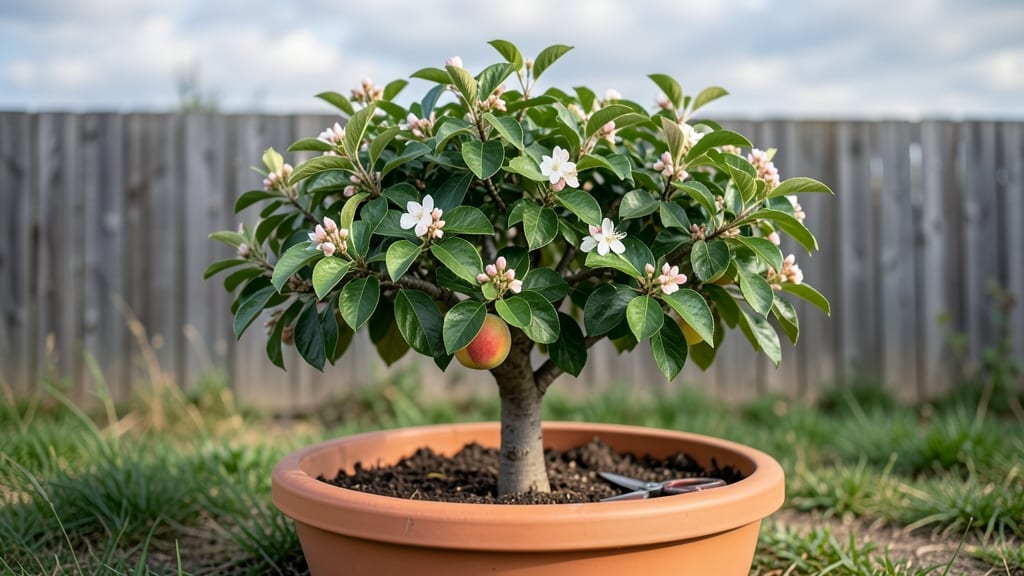
The Saturn Donut peach tree transforms your backyard into a sweet, sunlit haven—but only if you master its pruning rhythm. I’ve spent three seasons wrestling with this variety, learning how to coax those famous flat, donut-shaped fruits while keeping the tree healthy and productive.
The key isn’t just cutting branches; it’s understanding when to prune for shape, when to encourage blooms, and how to avoid the dreaded "biennial bearing" trap where one year’s harvest disappears.
This tree thrives with open-center pruning year-round, not just in winter. You’ll need sharp pruners, a ladder for higher branches, and a clear plan for removing dead wood, thinning crowded limbs, and shaping the canopy. The goal?
A tree that lets sunlight reach every branch—because those donut fruits need full exposure to ripen properly. I’ll show you exactly where to make cuts for maximum airflow and fruit development, even if you’ve never pruned a peach tree before.
By summer’s end, you’ll have a tree that produces abundant, uniform donut-shaped peaches with minimal effort. The fruits stay firm longer, resist cracking, and develop that signature flat shape that makes them perfect for slicing or fresh eating.
Plus, the tree’s compact size means you won’t need acres to grow it—just a sunny spot and a little pruning discipline. Let’s get those branches in shape for a harvest you’ll actually want to share.
Whether you’re dealing with a young sapling or a mature tree, the same principles apply. We’ll cover seasonal adjustments, how to handle pests that target peach trees, and why some gardeners swear by a late-winter pruning session.
The Saturn Donut isn’t just another peach—it’s a conversation piece, and with the right care, it’ll be the star of your orchard for decades.
📚 In This Guide
- What you need
- Instructions
- Tips and common mistakes
- Wrapping up and next steps
What you need
- ● Pruning shears: Sharp, bypass-style shears (for cuts under ½ inch thick). Quantity: 1 pair.
- ● Loppers: For thicker branches (½ to 1½ inches). Quantity: 1 pair.
- ● Pruning saw: For branches over 1½ inches in diameter. Quantity: 1.
- ● Gloves: Heavy-duty, cut-resistant gloves (to protect from thorns and sap). Quantity: 1 pair.
- ● Disinfectant: 70% isopropyl alcohol or a 10% bleach solution (to sterilize tools between cuts). Quantity: Small bottle.
- ○ Pruning sealant: Optional but helpful for sealing larger wounds (e.g., Tanglefoot Tree Wound Pruning Seal). Quantity: Small tube.
- ● Ladder or step stool: If your tree is taller than 6–8 feet. Quantity: 1.
- ● Tarp or drop cloth: To collect debris and protect the ground. Quantity: 1.
- ● Marking twine or flags: For tagging branches to prune later (if needed). Quantity: Small roll.
- ● Handheld leaf blower: For quick cleanup of small debris.
- ● Pruning paint: To seal cuts on larger branches (e.g., Tree Seal).
- ● Safety glasses: To protect from flying debris.
- ● Work gloves (non-cut-resistant): For handling larger branches or cleanup.
- ● Extension pole pruners: For high branches (if you don’t want a ladder).
- ● Check the weather forecast—prune on a dry, cloudy day to reduce stress on the tree.
- ● Gather tree records (if available), including past pruning notes or disease history.
- ● Clear the work area of obstacles (e.g., hoses, toys, or pets).
- ● Have a bucket of water nearby to clean tools if using a bleach solution.
How to prune a Saturn Donut peach tree for year-round health
This is the pruning routine I’ve used for years to keep my Saturn Donut peach tree compact, productive, and disease-free.
✂️ Step 1: Late Winter Cleanup (Before Bud Break)
Start pruning in late winter when the tree is still dormant but just before buds swell. This is the best time to remove dead, diseased, or crossing branches. I use sterilized pruning shears to make clean cuts just outside the branch collar—never leave stubs. The goal here is to open up the center of the tree for airflow and sunlight, which prevents fungal issues and encourages strong new growth.
Look for branches that are rubbing against each other or growing inward. These compete for energy and can create entry points for pests. Remove any branches that are smaller than a pencil in diameter—they won’t contribute much to the tree’s structure. If you see any dead wood (brown, brittle, or hollow), cut it back to healthy tissue. This step sets the foundation for the entire growing season.
☀️ Step 2: Summer Light Pruning (After Harvest)
After the tree finishes fruiting in late summer, do a lighter round of pruning to shape the tree and encourage next year’s blooms. Focus on thinning out overly dense branches to improve air circulation. I like to step back and look at the tree from all sides—this helps me spot areas where branches are too close together or growing in awkward directions.
For the Saturn Donut variety, which is naturally compact, I avoid heavy pruning. Instead, I remove only the smallest water sprouts (shoots growing straight up from the trunk or branches) and any suckers at the base. These compete with the tree’s energy and can lead to a messy, overgrown appearance. A quick pass with the shears here keeps the tree tidy without stressing it.
⏰ Step 3: Post-Bloom Thinning (Early Spring)
Once the tree has finished blooming but before the fruit sets, do a final light pruning to thin out some of the fruit clusters. This might sound counterintuitive, but thinning ensures larger, higher-quality peaches. I aim to leave 6-8 inches of space between fruit on each branch. This prevents overcrowding, which can lead to smaller peaches and increased disease risk.
If you’re new to fruit thinning, start by removing the smallest or misshapen fruit first. You’ll know you’ve done enough when sunlight can reach the center of the tree and branches aren’t sagging under the weight of too many peaches. This step is all about balance—too little thinning means poor fruit quality, and too much means the tree won’t produce enough to harvest.
🌿 Step 4: Year-Round Maintenance (Watch for Problems)
Throughout the year, keep an eye out for any branches that look stressed, diseased, or damaged by storms. If you notice a branch with black spots, oozing sap, or unusual dieback, prune it back immediately to prevent the issue from spreading. I also check for any new water sprouts or suckers that might have popped up after the last pruning session—these should be removed as soon as they appear.
Don’t forget to sterilize your pruning tools between cuts, especially if you’re working with a diseased branch. A quick wipe with rubbing alcohol or a bleach solution keeps your tools clean and prevents cross-contamination. A little maintenance now saves a lot of trouble later, and your Saturn Donut will reward you with years of sweet, easy-to-pick peaches.
Tips & tricks for perfect Saturn Donut peach tree pruning
A few well-timed tricks will help you maintain your Saturn Donut peach tree's health and productivity without overstressing it.
Branch Collar Precision: When pruning in Step 1, focus on cutting just outside the branch collar—the swollen area where the branch meets the trunk. This is where the tree naturally heals, and cutting here prevents unsightly stubs that can trap moisture and invite disease. I’ve seen many gardeners leave stubs, which eventually rot and create entry points for pests. Take your time with this step—it’s the foundation for everything else.
Seasonal Timing Matters: The late winter timing in Step 1 is critical because the tree is fully dormant, making it less stressful. If you prune too early, you risk exposing fresh cuts to winter cold, which can harm the tree. Conversely, pruning too late—after buds swell—can remove potential blooms. For Step 2, wait until after harvest when the tree has directed its energy into fruit production rather than new growth.
Visual Fruit Spacing: In Step 3, when thinning fruit clusters, use your hand as a guide for the 6-8 inch spacing. Hold your palm out and count fingers to visualize the distance. This ensures consistent spacing without needing a ruler. You’ll notice the branches become more visible through the canopy, which means better airflow and sunlight penetration—both key for preventing fungal diseases like brown rot.
Tool Sterilization: This might seem like a small detail, but sterilizing your pruning tools between cuts (especially in Step 4) is non-negotiable. I keep a small bottle of rubbing alcohol with me and wipe down tools after every diseased branch. This simple step has saved my trees from multiple outbreaks of bacterial canker, which can be devastating to peach trees. Don’t skip it—your future harvests will thank you.
Pro Tips for Saturn Donut Peach Tree
- A few well-timed tricks will help you maintain your Saturn Donut peach tree's health and productivity without overstressing it.
- Branch Collar Precision: When pruning in Step 1, focus on cutting just outside the branch collar—the swollen area where the branch meets the trunk.
- Seasonal Timing Matters: The late winter timing in Step 1 is critical because the tree is fully dormant, making it less stressful.
Frequently asked questions
Got questions about pruning your Saturn Donut Peach Tree? You’re not alone! Here are answers to the most common concerns—from timing to troubleshooting—to keep your tree thriving and productive.
When is the best time to prune a Saturn Donut Peach Tree?
The ideal window is late winter or early spring (before buds swell) or immediately after harvest. Avoid heavy pruning in fall—it can stimulate new growth that’s vulnerable to frost. For shaping, light pruning can happen year-round, but prioritize dormant season for major cuts.
How much can I prune without harming the tree?
Remove no more than 20-25% of the canopy in a single session to avoid stress. Focus on dead, diseased, or crossing branches first, then thin out crowded areas to improve airflow. The Saturn Donut’s compact shape benefits from selective pruning—think “less is more” to preserve fruit production.
Why aren’t there as many donuts (fruits) as last year?
Over-pruning, nutrient deficiencies, or extreme weather can reduce fruit set. Check for thinning fruit (remove excess early blooms for larger donuts) and ensure your tree gets balanced fertilizer (high in nitrogen early, potassium later). If blooms drop, it may signal pollination issues—hand-pollinate if bees are scarce.
Can I prune during summer heat or after a frost?
Avoid pruning during heatwaves or frost events—both stress the tree. If you must prune in summer, do it early morning or late evening to minimize shock. After frost, wait until new growth appears (usually 2–3 weeks) before trimming. Winter pruning is safest, but never prune when temps are below 40°F.
What’s an alternative if I miss the dormant-season pruning window?
Don’t panic! Lightly shape the tree in late spring (after last frost) by removing only water sprouts or suckers. For major work, wait until next dormant season. If you’re behind, focus on airflow and light penetration—even small adjustments help. Pro tip: Use sterilized tools to prevent disease spread during any pruning.
| Quick Troubleshooting | Likely Cause | Fix It! |
|---|---|---|
| Yellow leaves | Nutrient deficiency or overwatering | Test soil pH; fertilize with citrus-specific mix or adjust watering. |
| No blooms | Over-pruning or age-related | Reduce pruning; feed with phosphorus-rich fertilizer in fall. |
| Cracked bark | Winter injury or pests | Prune damaged areas; apply tree wound sealant if needed. |
Wrapping up and next steps
Growing a Saturn Donut Peach Tree is a rewarding journey, and mastering its pruning ensures a bountiful harvest and stunning blooms year after year.
By following seasonal techniques—from winter’s structural cuts to summer’s bloom control—you’ll keep your tree healthy, productive, and visually stunning. Now’s the perfect time to grab your pruners and give your tree the care it deserves!
Ready to take the next step? Start small:
- Review your tree’s growth habits after this season’s pruning.
- Mark next year’s pruning calendar (winter, spring, and summer).
- Share your progress with fellow gardeners—inspiration grows together! 🌱✨