
Pruning
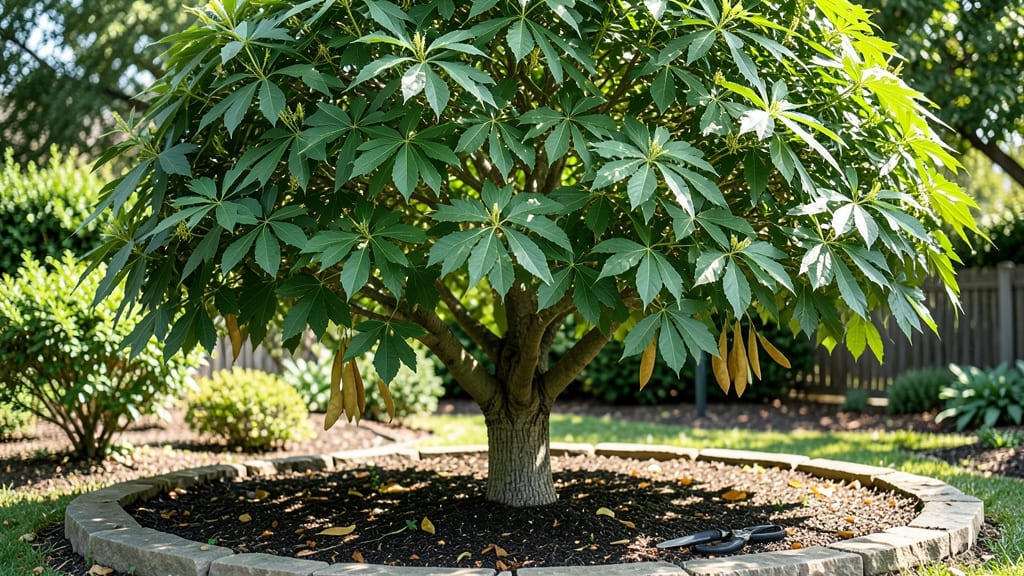
Pruning your big tree of heaven transforms its wild, unruly growth into a manageable, even elegant shape—if you know the right cuts to make. 🌿 I’ve wrestled with these fast-growing trees for years, and the difference between a tangled mess and a well-behaved specimen comes down to timing, technique, and a little patience.
The key isn’t just trimming branches but understanding how this aggressive grower responds to pruning.
The secret lies in year-round adjustments, not just seasonal cleanups. Start by removing water sprouts (those vertical shoots) in early spring before they sap energy from your main structure. Summer pruning keeps the canopy open to sunlight, while late fall trims prevent winter dieback.
Most gardeners skip the winter work, but that’s when you shape the skeleton for next year’s growth.
You’ll end up with a tree that’s stronger, denser, and less prone to storm damage—plus, it stops spreading its invasive roots as aggressively. The trade-off?
More frequent maintenance than slower-growing trees, but the payoff is a tree that actually fits your landscape instead of taking over it. Ready to reclaim control?
This approach works best in zones 4-9, where Tree of Heaven thrives, but the principles adapt to cooler climates too. Just adjust timing for your last frost date. The real magic happens when you prune with the tree’s growth rhythm, not against it.
📚 In This Guide
- What you need
- Instructions
- Tips and common mistakes
- Wrapping up and next steps
What you need
- ● Pruning saw (for thick branches, 8–12" blade, sharp!)
- ● Loppers (20–24" bypass or anvil type for branches ½–2" thick)
- ● Pruning shears (for small branches/twigs, 6–8" blade)
- ● Extension pole saw (for hard-to-reach branches, 10–15 ft reach)
- ● Heavy-duty gloves (cut-resistant, long cuffs—this tree has thorns!)
- ● Safety glasses (to shield from debris)
- ● Ladder or lift (stable, tall enough for your tree’s height)
- ● Disposable pruning bags (to collect and dispose of cuttings)
- ● Rubbing alcohol or bleach (70% isopropyl or 10% bleach solution to sterilize tools)
- ○ Pruning sealant (optional, for large cuts > ½" diameter)
- ○ Tree wound dressing (optional, for aggressive pruning—controversial but useful for some!)
- ● Marking spray or flags (to tag branches for removal)
- ● Work clothes & closed-toe shoes (long sleeves/pants to avoid sap irritation)
- ● ✅ Check local regulations—some areas restrict pruning near power lines or require permits.
- ● ✅ Timing matters! Prune in late winter/early spring (dormant season) for best results.
- ● ✅ Sterilize tools between cuts to prevent disease spread—this tree is resilient but not invincible!
Step-by-step guide to pruning your big tree of Heaven
Mastering this tree’s aggressive growth requires strategic cuts at the right times.
✂️ Step 1: Assess the Canopy Structure Before Pruning
Start by examining the tree’s branches from all angles—this helps identify dead, crossing, or overcrowded limbs. The Big Tree of Heaven (Ailanthus altissima) grows fast and thick, so prioritize removing any branches that rub against each other or grow inward. These compete for sunlight and weaken the tree’s structure over time.
Use a pruning saw for branches thicker than 1 inch and hand pruners for thinner ones. Look for suckers (sprouts at the base) and water sprouts (vertical shoots) first—these drain energy from the main canopy. Mark branches to remove with twine or flags before making cuts to avoid confusion mid-prune.
✂️ Step 2: Make Proper Cuts for Healthy Regrowth
Always cut just outside the branch collar (the swollen area where the branch meets the trunk) to prevent wounds from sealing improperly. For branches over 2 inches thick, make a 3-step cut: First, undercut the branch 1-2 inches out from the trunk to prevent bark from tearing. Then, cut above the undercut from the top down. Finally, clean up any jagged edges with a sharp pruning saw.
Never leave stubs—this invites disease. If a branch is too large to cut cleanly in one go, use a ropes-and-pulleys system to lower it safely. The Big Tree of Heaven bleeds sap heavily when pruned, so time cuts for late winter or early spring (just before buds swell) to minimize stress.
✂️ Step 3: Thin the Canopy for Airflow and Light
Remove one-third of the tree’s total foliage in a single session to avoid shocking it. Focus on selective thinning—target branches that block sunlight from reaching the lower canopy. Start at the outer edges and work inward, removing entire branches rather than just trimming tips. This opens up the tree and reduces the risk of fungal diseases caused by poor airflow.
Watch for epicormic shoots (small sprouts along the trunk) and prune them back immediately. These compete with the main branches and can lead to a messy, overgrown appearance. After thinning, step back and visualize the tree’s shape—you’re aiming for an open, balanced silhouette that lets light filter through.
⏰ Step 4: Schedule Pruning for Optimal Growth
Late winter to early spring (just before buds break) is the best time to prune, as the tree enters active growth. Avoid heavy pruning in summer or fall, when the tree is stressed or preparing for dormancy. Light summer trims (to remove only dead or diseased branches) are acceptable, but never exceed 10% of the canopy in one go.
If you must prune in fall, do so 6-8 weeks before the first frost to allow wounds to heal. The Big Tree of Heaven is resilient but responds best to gradual shaping. After pruning, apply a wound sealant (like pruning paint) only if the cut is larger than 4 inches—smaller cuts heal faster without it.
Tips & tricks for mastering big tree of Heaven pruning
Between us, the Big Tree of Heaven’s aggressive growth can feel like an endless battle—until you learn these game-changing strategies. Here’s what nobody tells you about keeping this resilient tree in check.
Timing is Everything: The late winter to early spring window (just before buds swell) is non-negotiable for heavy pruning. This is when the tree’s energy is dormant but about to shift into growth mode. If you must prune in summer, limit yourself to removing only dead or diseased branches—never exceed 10% of the canopy in one go. I learned this the hard way after watching a tree stress out from summer cuts that should’ve waited.
The Three-Step Cut Method: For branches over 2 inches thick, the undercut-first technique is your secret weapon. Start by making your undercut 1-2 inches out from the trunk—this prevents the bark from tearing when you complete the cut. Then, cut from the top down above the undercut, and finally clean up any jagged edges. This method ensures clean wounds that heal properly, reducing the risk of disease. Skipping the undercut is how you end up with ugly stubs that never close right.
Visualizing the Canopy: After thinning, step back and imagine sunlight filtering through the branches. The goal is an open, balanced silhouette that lets light reach the lower canopy. I always visualize removing branches like opening the curtains—you want that light to stream through evenly. If you’re unsure, take photos before and after to compare. This visual approach prevents over-pruning, which can shock the tree and leave it vulnerable.
Seasonal Maintenance Strategy: Plan for year-round pruning: heavy cuts in late winter/early spring, light maintenance in summer, and minimal fall pruning (6-8 weeks before frost). This gradual approach keeps the tree healthy while preventing the stress that comes from aggressive seasonal pruning. Think of it like a marathon, not a sprint—consistent, thoughtful pruning beats sporadic heavy cuts every year.
Pro Tips for Big Tree Of Heaven
- Between us, the Big Tree of Heaven’s aggressive growth can feel like an endless battle—until you learn these game-changing strategies.
- Timing is Everything: The late winter to early spring window (just before buds swell) is non-negotiable for heavy pruning.
- The Three-Step Cut Method: For branches over 2 inches thick, the undercut-first technique is your secret weapon.
Frequently asked questions
Got questions about pruning your Big Tree of Heaven (Ailanthus altissima)? You’re not alone! Here are answers to the most common concerns—from timing to troubleshooting—so you can keep this fast-growing tree in check without stress.
When is the best time to prune a Big Tree of Heaven?
The ideal window is late winter to early spring (before new growth starts), but you can also prune in summer to control aggressive growth. Avoid heavy pruning in fall—it can spur tender new shoots vulnerable to frost damage. For structural shaping, a light touch in early spring works best!
How do I remove suckers or unwanted sprouts?
Big Trees of Heaven are notorious for suckers (shoots from roots or stumps). Cut them at the base with pruners or a saw, then apply a horticultural sealant to prevent regrowth. For stubborn sprouts, repeat every few weeks until they stop. Pro tip: Digging up the root crown (if small) is the most effective long-term fix!
Why does my tree keep growing back after pruning?
This tree is tenacious—its roots and stumps can regenerate quickly. If you’re seeing water sprouts or stump shoots, try these fixes:
- Use a sharp pruner to cut below the sprout collar (the swollen base where it meets the trunk).
- Apply copper sulfate or vinegar to fresh cuts to deter regrowth.
- For large stumps, grind them down to prevent resprouting.
Can I prune a Big Tree of Heaven in all four seasons?
While you can prune year-round, timing matters:
- Spring: Best for shaping—tree is dormant but about to burst with energy.
- Summer: Light pruning to control growth; avoid heavy cuts in extreme heat.
- Fall: Minimal pruning only (focus on dead/diseased branches).
- Winter: Prune only if branches are dead or hazardous—avoid heavy cuts.
Are there non-pruning alternatives to control its size?
If pruning feels overwhelming, try these low-maintenance strategies:
- Root barriers: Install a deep underground barrier (like plastic or metal) to limit root spread.
- Mulch rings: Apply thick mulch around the base to suppress suckers (keep it 3–4 inches deep).
- Competitive planting: Surround the tree with fast-growing, deep-rooted plants (like grasses) to outcompete it.
- Chemical control (last resort): Use triclopyr (follow label instructions) for stubborn suckers.
Wrapping up and next steps
The Big Tree of Heaven may seem like a challenge, but with the right techniques and timing, you can keep its canopy in check year-round! 🌳 Whether you're trimming for aesthetics, safety, or health, remember that consistency is key—and always prioritize the tree’s well-being.
Now that you’re armed with expert tips, grab your tools and get pruning!
💡 Next step: Schedule your first session—spring or early summer is ideal, but don’t wait! Start small, observe your tree’s response, and adjust as needed. Happy pruning! 🌿✂️