
Pruning
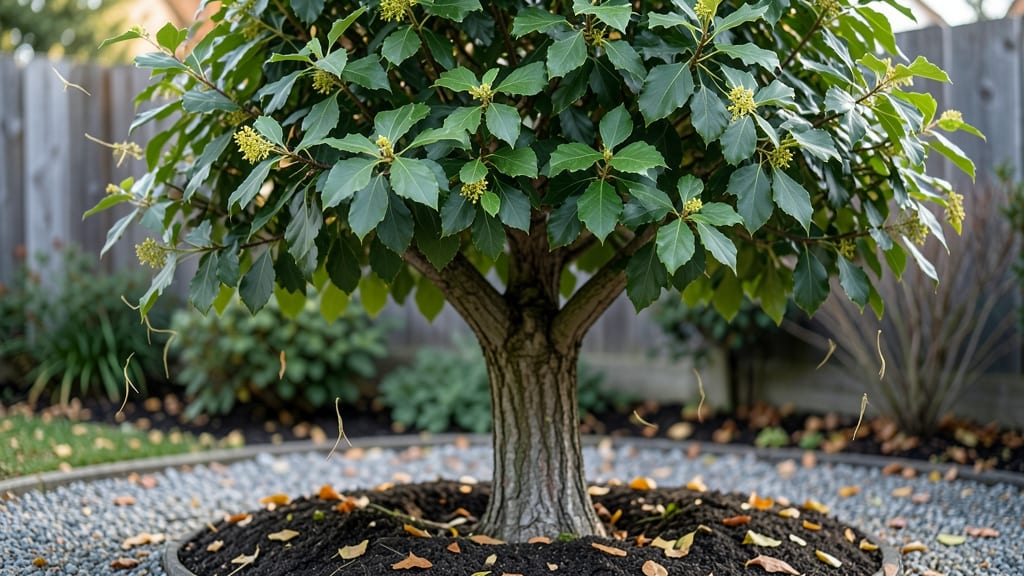
The Chinese elm tree Ulmus parvifolia thrives when pruned correctly—its silvery bark and sturdy branches make it a standout in any landscape. 🌿 I’ve shaped mine into a striking focal point by pruning just twice a year, and the results are worth the effort: fewer diseases, denser growth, and a tree that stays healthy for decades.
This resilient tree handles heat, drought, and urban pollution better than most, but its shape needs your attention to keep it looking its best.
Pruning isn’t about hacking away branches—it’s about guiding growth. You’ll need sharp bypass pruners, a ladder (for taller branches), and a clean workspace. The best time to prune is late winter or early spring, but light shaping can happen year-round.
Focus on removing dead wood, crossing branches, and thinning the canopy to let sunlight reach the lower limbs. This keeps the tree strong and reduces the risk of pests or diseases taking hold.
What you’ll end up with is a tree that’s both beautiful and functional—providing shade, filtering air, and adding value to your property. The silvery-green leaves create a striking contrast against darker foliage, and the bark develops a rugged texture that’s perfect for winter interest.
With the right pruning, your Chinese elm will reward you with years of effortless elegance and resilience.
Whether you’re shaping a young sapling or maintaining a mature tree, the principles stay the same. Adapt your approach for seasonal growth patterns, and always prune just outside the branch collar. The key is consistency—just a little attention now means a healthier, more stunning tree for seasons to come.
📚 In This Guide
- What you need
- Instructions
- Tips and common mistakes
- Wrapping up and next steps
What you need
- ● Bypass pruning shears – Sharp, 6-8" blades (for small branches, up to ½" thick)
- ● Lopping shears – Long-handled, 8-10" blades (for branches ½" to 2" thick)
- ● Pruning saw – Curved or bow saw, 18-24" blade (for branches 2" and thicker)
- ● Gloves – Heavy-duty, cut-resistant (e.g., leather or Kevlar)
- ● Safety glasses – ANSI-rated for debris protection
- ● Ladder or extension pole – Sturdy, 10-16' tall (for taller trees)
- ● Disinfectant (70% isopropyl alcohol or bleach solution) – 1 part bleach to 9 parts water (to sterilize tools)
- ○ Pruning sealant (optional) – Tree wound dressing (e.g., Tanglefoot Tree Wound Pruning Sealer)
- ● Heavy-duty trash bags – For debris cleanup
- ● Work boots – Steel-toe or sturdy shoes (for uneven terrain)
- ● Pole pruner – For high branches without a ladder
- ● Rope or harness – For safety when working on very tall trees
- ● Hand saw (for fine cuts) – If you prefer precision over shears
- ○ Tree growth regulator (e.g., hydrogen peroxide spray) – To promote faster healing (optional for large cuts)
How to prune a Chinese elm tree (Ulmus Parvifolia) for Strong, Disease-Resistant Growth
Here's the method I've used to keep my Chinese elms thriving—healthy, shaped, and resilient year after year.
🌿 Step 1: Understand the Right Time for Pruning
Chinese elms are tough but respond best to pruning during their dormant season. I always start in late winter to early spring, just before buds swell but before new growth begins. This timing prevents stressing the tree when it's already pushing energy into leaves and branches.
For minor shaping or removing dead wood, you can prune anytime—but avoid heavy cuts in summer. The tree's sap flows strongest then, and large wounds take longer to seal. If you must prune in summer, do it on an overcast day to reduce stress.
Watch for bud swell—that's your cue. The buds will look slightly plump, like tiny green beads along the branches. Prune too early, and you risk damaging next year's growth. Wait too long, and you'll stress the tree as it focuses on new leaves.
✂️ Step 2: Remove Dead, Diseased, or Crossing Branches First
Start with the 3 D's: dead, diseased, and damaged branches. Use clean, sharp pruners to make cuts just outside the branch collar—the swollen area where the branch meets the trunk. This ensures the wound heals properly and prevents disease entry points.
Next, remove any branches that cross or rub against each other. These create wounds that invite pests and diseases, especially since Chinese elms are prone to anthracnose and elm leaf spot. Thin out crowded branches to improve airflow—this is key for disease prevention.
I always step back after each cut to check the tree's shape. You're not just pruning; you're sculpting. Remove no more than 25% of the tree's canopy in one session. More than that, and you risk weakening the elm, especially in its first few years.
🌱 Step 3: Shape the Tree for Balance and Airflow
Chinese elms grow naturally with a rounded canopy, but pruning helps maintain that shape while encouraging strong branch structure. Start at the top and work your way down, removing branches that grow inward or downward. These are the ones that block sunlight and trap moisture.
For larger branches, use three cuts: first, make an undercut about 6 inches out from the branch collar. Then, cut from the top side, just outside the collar. Finally, remove the stub. This prevents tearing and ensures a clean wound. For smaller branches, a single cut is fine.
Pay attention to the tree's natural growth pattern. If you see a branch growing at a sharp angle (less than 45 degrees), it's weaker and more likely to break. Prune it back to a healthier, more outward-growing branch. This builds a stronger framework for future growth.
💧 Step 4: Clean Up and Protect the Tree
After pruning, gather all the debris and remove it from the area. Leaving branches on the ground can harbor pests and diseases, which will reinfect your tree. Sterilize your pruners with rubbing alcohol or a 10% bleach solution (1 part bleach to 9 parts water) to prevent spreading pathogens.
Apply a wound dressing only if the cut is larger than 4 inches in diameter. For smaller wounds, let the tree seal itself naturally. Overusing wound dressings can trap moisture and cause rot. Instead, focus on keeping the tree healthy with proper watering and mulching.
Water the tree deeply after pruning to help it recover. The roots need moisture to support new growth, especially if you've made significant cuts. Mulch around the base with 2-3 inches of organic mulch, keeping it 6 inches away from the trunk to prevent rot.
Tips & tricks for pruning Chinese elm trees
These game-changing tips will help you prune your Chinese elm like a pro—keeping it healthy, strong, and beautiful year after year.
Timing is Everything: Late winter to early spring is your golden window for pruning Chinese elms, right before those buds start swelling. This timing gives your tree time to heal before summer heat stress. If you must prune in summer, choose an overcast day to reduce stress on the tree. I've seen trees recover beautifully when pruned at the right time, but summer cuts can leave them vulnerable to disease.
Tool Precision Matters: Always use clean, sharp pruners to make precise cuts just outside the branch collar. Dull tools crush branches instead of cutting cleanly, which invites disease. I sterilize my pruners between trees with rubbing alcohol—this simple step prevents spreading pathogens like anthracnose. For larger branches, the three-cut method (undercut, top cut, stub removal) creates cleaner wounds that heal faster.
Shape with Purpose: Chinese elms naturally grow with a rounded canopy, but proper pruning enhances this shape while improving airflow. When shaping, remove branches growing inward or downward—they block sunlight and trap moisture, creating perfect conditions for fungal diseases. Step back frequently to visualize the tree's balance. I always aim to maintain an open center that lets sunlight reach the lower branches.
Post-Pruning Care: After pruning, water deeply to help the tree recover, especially if you made significant cuts. Apply 2-3 inches of organic mulch around the base (keeping it 6 inches away from the trunk) to retain moisture and prevent weeds. For wounds larger than 4 inches, you can use wound dressing, but smaller cuts seal better naturally. I've found that proper aftercare makes all the difference in how quickly the tree bounces back.
Pro Tips for Chinese Elm Tree Ulmus Parvifolia
- These game-changing tips will help you prune your Chinese elm like a pro—keeping it healthy, strong, and beautiful year after year.
- Timing is Everything: Late winter to early spring is your golden window for pruning Chinese elms, right before those buds start swelling.
- Tool Precision Matters: Always use clean, sharp pruners to make precise cuts just outside the branch collar.
Frequently asked questions
When is the best time to prune a Chinese Elm?
The ideal time is late winter to early spring (before buds break) to reduce disease risk. You can also prune in summer for shaping, but avoid heavy cuts during fall (fungal risks) or peak drought (stress). Light maintenance (deadwood removal) is safe year-round.
How do I prune for disease resistance?
Use sterilized tools (rubbing alcohol or bleach) to avoid spreading anthracnose or Dutch elm disease. Cut just outside the branch collar (the swollen area where the branch meets the trunk) and never leave stubs. Thin out crowded branches to improve airflow—Ulmus parvifolia thrives with 30-40% open canopy.
Can I prune my Chinese Elm in summer?
Yes! Summer is great for light shaping (e.g., removing water sprouts or crossing branches). Avoid heavy pruning in extreme heat—wait for cooler mornings. If pruning in summer, water deeply afterward to reduce stress. Just skip summer if your area has high humidity (fungal risks spike).
What should I avoid when pruning?
- Topping the tree—it weakens structure and invites disease.
- Over-pruning (never remove >25% of foliage in one season).
- Pruning during wet weather (spores spread faster).
- Ignoring dead/diseased branches—remove them first to protect the tree.
Are there alternatives if my Chinese Elm is struggling?
If your tree is severely diseased, consider resistant cultivars like Ulmus parvifolia ‘Emerald Gift’ (less prone to anthracnose). For milder issues, cultural fixes help: improve drainage, mulch properly (2-3" of organic mulch), and avoid overhead watering. If all else fails, consult an arborist—some cases need targeted treatments.
Wrapping up and next steps
The Chinese Elm (Ulmus parvifolia) is a resilient, low-maintenance tree that thrives with proper pruning—whether shaping its elegant form or preventing disease.
By following seasonal best practices, using the right tools, and prioritizing air circulation and sunlight, you’ll foster a healthier, more vibrant tree for years to come. 🌿
Ready to get started? Pick a sunny day, gather your tools, and give your Chinese Elm the care it deserves! Whether you’re a pruning pro or a beginner, every trim brings your tree one step closer to its full potential.