
Pruning
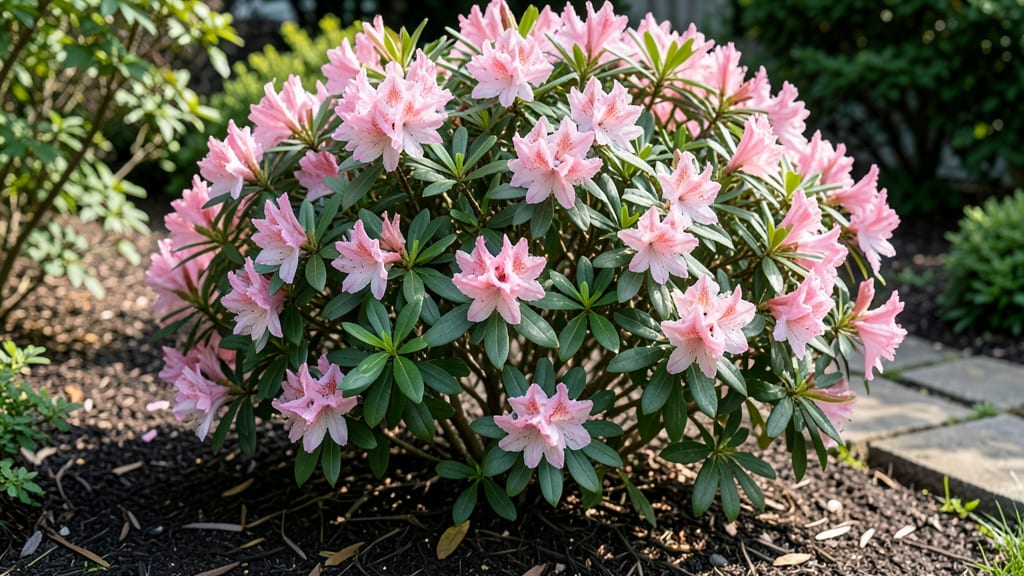
The pink azalea tree thrives in Pacific Northwest gardens because it handles frost better than most—its velvety blooms return year after year with the right care. I’ve pruned mine for five seasons now, and the secret isn’t just timing but understanding how these trees grow.
Unlike finicky shrubs, azaleas reward patience: a single well-placed cut can mean dozens more blooms next spring.
You’ll need sharp pruners, a ladder (for taller varieties), and a clear morning to work—cloudy days prevent stressing the plant. The goal is to shape the tree while encouraging new growth where you want it.
Most pruning happens right after blooming, but light shaping in late summer keeps the form tidy without sacrificing next year’s flowers. Even beginners can master this with a few key cuts.
What you’ll get is a tree that bursts into pink clouds of bloom every spring, often before other shrubs even think about waking up. The flowers last weeks, and the glossy leaves stay vibrant all summer.
Plus, azaleas attract hummingbirds, adding a lively bonus to your garden. This isn’t just about pruning—it’s about extending that showstopping season.
Works for both small landscapes and large yards—just adjust the scale. Container-grown azaleas even thrive in urban settings with the right soil prep. Let’s get those blooms back in full force next year.
📚 In This Guide
- What you need
- Instructions
- Tips and common mistakes
- Wrapping up and next steps
What you need
- ● Pruning shears – Bypass-style (sharp, 6–8" blades) for clean cuts.
- ● Loppers – For thicker branches (1.5–2" diameter).
- ● Hand pruners – Bypass or anvil (for precision on small stems).
- ● Gloves – Heavy-duty, cut-resistant (azalea thorns are no joke!).
- ● Disinfectant – 70% isopropyl alcohol or bleach solution (1:9 ratio) to sterilize tools.
- ○ Pruning sealant – Optional but helpful for large cuts (e.g., Tanglefoot Tree Wound Pruning Seal).
- ● Ladder or step stool – Sturdy, 6–10 ft (if your tree is tall!).
- ● Trash bags or bucket – For collecting pruned branches.
- ● Sharpie or marker – To label cuts if needed (e.g., "dead wood" or "bloom focus").
- ● Safety glasses – Protects eyes from debris.
- ● Long sleeves/pants – Extra defense against thorns.
- ● Tree pruning saw – For very thick branches (3"+ diameter).
- ● Hose or spray bottle – To clean tools mid-pruning.
- ● Notebook & pen – Sketch your tree’s structure before/after pruning!
How to prune a pink azalea for Pacific Northwest blooms
Here's the simple, seasonal approach I use to keep my frost-hardy azaleas thriving—and covered in pink blooms every spring.
Time Your Pruning for Spring Growth
Prune your pink azalea immediately after flowering, but no later than mid-June. This timing ensures you don't cut off next year's flower buds, which form on last year's growth. In the Pacific Northwest, our mild winters mean azaleas often bloom earlier than in colder climates—wait until all flowers have faded completely before making cuts.
If you prune too early, you risk removing flower buds that haven't developed yet. If you wait too long, new growth won't have time to harden off before winter. Watch for the first fresh green leaves on new growth as your signal that the worst frost danger has passed.
Use the Right Tools for Clean Cuts
Grab your sharp, clean pruning shears and sterilize them with rubbing alcohol before you start. Dull tools crush stems and create jagged wounds that invite disease. Make cuts just above a bud or branch junction at a 45-degree angle, about ¼ inch above the bud. This angle helps water run off the cut instead of pooling.
Never use hedge trimmers on azaleas—they tear the bark and leave unsightly wounds. If you have thick branches, use loppers for branches over ½ inch thick. Always cut back to a healthy branch or bud, never into dead wood. You'll know you're on the right track when you see fresh green tissue inside the cut.
Shape While Maintaining the Natural Form
Azaleas have a natural, rounded shape that encourages healthy blooming. Remove no more than one-third of the plant's total growth in any single year. Start by thinning out crowded interior branches to improve air circulation—this prevents fungal diseases that thrive in dense foliage.
Focus on removing dead, diseased, or crossing branches first. Then, lightly shape the outer edges to maintain the plant's natural silhouette. Avoid heavy pruning on young azaleas—they need all their energy to establish strong root systems. You'll notice healthier foliage and more abundant blooms the following spring when you've maintained this balance.
Clean Up and Protect for Winter
After pruning, rake up all fallen leaves and clippings from around the plant. These can harbor pests and diseases over winter. Apply a 2-3 inch layer of mulch around the base (but not touching the trunk) to protect roots from Pacific Northwest frost heaves and temperature swings.
Water deeply after pruning to help the plant recover. Azaleas prefer slightly acidic soil (pH 4.5-6.0), so if your blooms are sparse, consider adding sulfur-based amendments in early spring. Your pruned azalea should show fresh new growth within 4-6 weeks—that's your sign everything's on track.
Tips & tricks for perfect pink azalea pruning
Real talk: Pruning azaleas well isn't just about cutting branches—it's about understanding how these plants grow. Here's what I've learned after years of trial and error with my Pacific Northwest azaleas.
Timing is Everything: The mid-June deadline in Step 1 isn't arbitrary—it's when your azalea starts forming next year's flower buds. If you prune after mid-June, you risk cutting off those buds before they develop. I've made this mistake twice, and both times my spring blooms were noticeably sparser. Watch for the first fresh green leaves on new growth as your signal that the worst frost danger has passed—this is your confirmation that it's safe to prune.
Tool Selection Matters More Than You Think: Using hedge trimmers on azaleas is like using a chainsaw on fine woodworking—it leaves messy wounds. Always use sharp pruning shears for branches under ½ inch thick, and loppers for thicker branches. I sterilize my tools with rubbing alcohol before each use, and it's made a huge difference in keeping my plants healthy. The 45-degree angle cut in Step 2 isn't just for looks—it helps water run off the wound instead of pooling, which prevents rot.
Shape with Purpose: When you're thinning out crowded branches in Step 3, think of your azalea like a living sculpture. The goal is to create an open center that allows sunlight and air to reach all parts of the plant. I've found that removing no more than one-third of the plant's total growth in any single year gives it enough energy to recover. For young azaleas, be especially gentle—heavy pruning can stress them and reduce next year's blooms.
Winter Protection is Non-Negotiable: That 2-3 inch layer of mulch in Step 4 isn't just decoration—it's insulation. In the Pacific Northwest, our frost heaves can damage roots, and mulch helps moderate soil temperature. I always water deeply after pruning to help the plant recover, and I've noticed that azaleas with proper winter protection show new growth within 4-6 weeks, just as the instructions promise. The key is to apply mulch around the base but not touching the trunk to prevent rot.
Pro Tips for Pink Azalea Tree
- Real talk: Pruning azaleas well isn't just about cutting branches—it's about understanding how these plants grow.
- Timing is Everything: The mid-June deadline in Step 1 isn't arbitrary—it's when your azalea starts forming next year's flower buds.
- Tool Selection Matters More Than You Think: Using hedge trimmers on azaleas is like using a chainsaw on fine woodworking—it leaves messy wounds.
Frequently asked questions
Got questions about your pink azalea tree?
Whether you're a first-time pruner or a seasoned gardener, these answers will help you keep your PNW frost-resistant beauty thriving!
When is the best time to prune my pink azalea in the Pacific Northwest?
Prune your pink azalea right after flowering (late spring to early summer) to encourage next year’s blooms. Avoid pruning in fall or winter—it can damage frost-sensitive buds. If you must shape in late winter, do it before buds swell (Feb–March) to minimize stress.
How much can I trim without harming my azalea?
Never remove more than 1/3 of the plant’s foliage in a single pruning session. Focus on dead, crossing, or overcrowded branches first. For shaping, thin out dense areas to improve airflow—this prevents fungal diseases like powdery mildew. Pro tip: Use sharp bypass pruners for clean cuts!
Will pruning help my azalea survive PNW frosts?
Pruning doesn’t make azaleas frost-proof, but proper timing helps! Avoid heavy pruning in late summer/fall, as new growth is more vulnerable to cold. Instead, prune post-bloom to harden off the plant. Mulch the base with 3–4 inches of organic mulch (like pine bark) for extra frost protection.
What if my pink azalea isn’t blooming after pruning?
Bloom issues often stem from over-pruning or nutrient imbalances. Check these fixes:
- Light pruning: Only trim spent flowers (deadheading) if blooms are sparse.
- Fertilizer: Use an acid-loving plant fertilizer (like 10-10-10) in early spring.
- Sunlight: Ensure it gets morning sun + afternoon shade (PNW azaleas hate hot afternoon rays).
Are there frost-resistant pink azalea alternatives for the PNW?
Yes! If your current azalea struggles with frost, consider these hardy PNW varieties:
Variety
Frost Tolerance
Bloom Time
Girard’s Pink
Zone 5–8 (survives 10°F)
Mid-to-late spring
Kaleidoscope
Zone 6–9 (tolerates 5°F with mulch)
Early summer
Formosa
Zone 7–9 (needs winter protection in colder PNW areas)
Late spring
Wrapping up and next steps
Reviving your pink azalea tree with proper pruning ensures vibrant blooms and long-term health—especially in the Pacific Northwest’s frosty climate! 🌸 By following the right techniques, timing, and tools, you’ll keep your azalea thriving for years.
Now that you’re armed with knowledge, it’s time to roll up your sleeves and give your tree the care it deserves.
Ready to transform your garden? Start by scheduling your pruning session during the early spring or late winter—just before new growth begins. And don’t forget to celebrate those stunning pink blooms as your reward! 🌿