
Pruning
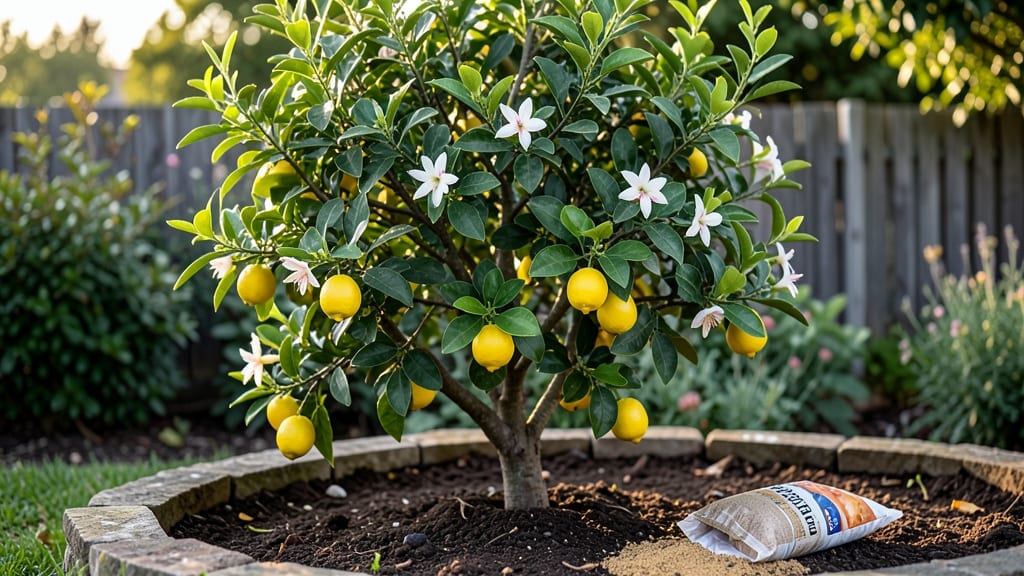
Pruning a lemon thorn tree (Vachellia karroo) isn’t just about shaping—it’s about unlocking that year-round burst of golden blooms you’ve been missing. 🌿 I’ve learned the hard way that skipping this step means fewer flowers, more tangled branches, and those pesky thorns taking over.
The key is working with the tree’s natural rhythm, not against it, and I’ll show you how to do it with just a few strategic cuts.
You don’t need fancy tools or a green thumb—just a sharp pair of pruners, a sunny afternoon, and a plan to tackle thorns safely. Start by removing dead or crossing branches first, then shape the tree to let light reach the center.
The best part? You’ll see fresh growth and blooms within weeks, even in winter. It’s all about timing and technique, and I’ll walk you through the exact steps that work for me every season.
What you’ll end up with is a lush, fragrant tree that blooms almost constantly, with fewer thorns where you walk or sit nearby. The flowers attract bees and butterflies, and the scent? Pure sunshine in a bottle.
Plus, your tree will stay compact and manageable, whether it’s in a pot or planted in the ground. Ready to transform that wild, tangled mess into a showstopper?
This method works for both container-grown trees and in-ground plantings, so no matter your space, you can keep your lemon thorn thriving. Let’s get those blooms back—and keep them coming all year.
📚 In This Guide
- What you need
- Instructions
- Tips and common mistakes
- Wrapping up and next steps
What you need
- ● Pro Tip: 💡 Always sterilize tools between cuts to avoid spreading fungal/bacterial infections. A quick wipe with rubbing alcohol works wonders!
How to revitalize your lemon thorn tree through strategic pruning
This is the method I use to keep my lemon thorn trees blooming abundantly year-round.
🌿 Step 1: Assess the Tree for Pruning Needs
Start by examining your lemon thorn tree for signs of overgrowth or dead branches. Look for branches that are crossing, rubbing against each other, or growing inward—these are the first to go. I also check for any branches that look weak, diseased, or dead, as these can drain energy from the tree.
Use your fingers to gently test the flexibility of branches. If a branch snaps easily or crumbles when touched, it's dead and should be removed. Healthy branches will bend slightly before springing back. This step ensures you're only cutting what's necessary, preserving the tree's natural shape and health.
✂️ Step 2: Prune for Shape and Airflow
Begin pruning by removing any branches that are growing toward the center of the tree. These branches block sunlight and airflow, which can lead to fungal issues. I like to make my cuts just above a leaf node or outward-facing bud to encourage new growth in the right direction.
Next, trim back any branches that are longer than 12 inches from the main trunk or scaffold branches. This prevents the tree from becoming top-heavy and encourages a bushier, more balanced shape. Always use clean, sharp pruners to make clean cuts—this prevents tearing and minimizes stress on the tree.
💧 Step 3: Encourage New Growth with Strategic Cuts
After shaping the tree, focus on stimulating new growth by cutting back some of the older wood. Select branches that are at least ½ inch in diameter and trim them back by about ⅓ of their length. This encourages the tree to produce fresh, flowering branches.
Here's where it gets fun—watch for new shoots emerging from the pruned areas within 4-6 weeks. These new branches will be more vigorous and likely to bloom. Avoid over-pruning in one session; spread out heavier cuts over a few months to reduce stress on the tree.
☀️ Step 4: Maintain Year-Round Care After Pruning
Once pruning is complete, give your lemon thorn tree a deep watering to help it recover. I water at the base until the soil is 6 inches deep and moist, but not soggy. This encourages root growth and helps the tree bounce back from the pruning stress.
Keep the tree in a spot with full sun to partial shade (at least 6 hours of sunlight daily). Lemon thorn trees thrive in warm climates but can tolerate cooler temperatures if protected from frost. Fertilize lightly with a balanced fertilizer every 2-3 months to support new growth and blooming.
Tips & tricks for perfect lemon thorn tree pruning
Here's what nobody tells you about keeping your lemon thorn tree thriving after pruning—these tricks make all the difference.
Timing Secret: The best time to prune your lemon thorn tree is right after it finishes blooming in spring. This gives the tree plenty of time to recover and establish new growth before winter. If you missed spring, late winter pruning works too—just avoid heavy pruning in fall, as new growth won't have time to harden off before cold weather.
Tool Technique: Always use clean, sharp pruners to make precise cuts that heal faster. I sterilize my tools with rubbing alcohol between cuts, especially when removing diseased branches. For thicker branches (½ inch or more), use pruning saws to avoid tearing the bark. Remember, clean cuts mean less stress on the tree and faster recovery.
Visual Cues for Healthy Cuts: When making your cuts in Step 2, aim to leave a slight outward-facing angle just above a leaf node or bud. This helps water run off and encourages new growth to emerge in the right direction. Look for buds that are plump and green—these are the ones that will sprout into vigorous new branches within those 4-6 weeks.
Recovery Strategy: After pruning, give your tree a deep watering to help it recover. I water until the soil is moist 6 inches deep, but not soggy—think of it like giving your tree a refreshing drink after a workout. The deep watering encourages root growth and helps the tree bounce back from the stress of pruning. Follow up with regular watering during dry spells to support new growth.
Pro Tips for Lemon Thorn Tree
- Here's what nobody tells you about keeping your lemon thorn tree thriving after pruning—these tricks make all the difference.
- Timing Secret: The best time to prune your lemon thorn tree is right after it finishes blooming in spring.
- Tool Technique: Always use clean, sharp pruners to make precise cuts that heal faster.
Frequently asked questions
When is the best time to prune my lemon thorn tree?
The ideal time to prune your lemon thorn tree is late winter or early spring, just before new growth begins. This encourages vibrant blooms and maintains its shape. Avoid heavy pruning during fall or winter when the tree is dormant, as it may stress the plant. Light shaping cuts can be done year-round, but major pruning should stick to this schedule.
Can I prune my lemon thorn tree too much?
Yes, over-pruning can harm your lemon thorn tree by removing too many leaves or branches at once. Stick to no more than 25-30% of the foliage in a single session. If you accidentally prune too aggressively, the tree may struggle to recover. Focus on selective cuts—removing dead, diseased, or crossing branches first—before shaping.
Will pruning encourage more flowers and fruit?
Pruning stimulates new growth and improves air circulation, which leads to more flowers and fruit. By removing crowded or weak branches, you redirect the tree’s energy toward producing healthier blooms and harvests. Just avoid heavy pruning right before flowering season—wait until after blooms fade for best results.
What should I do if my lemon thorn tree isn’t blooming after pruning?
If your tree isn’t blooming, check these factors:
- Light exposure: Ensure it gets 6+ hours of sunlight daily.
- Watering: Over- or under-watering can stress the tree.
- Fertilizer: Use a balanced citrus fertilizer in early spring.
- Age: Young trees may take 2-3 years to bloom.
Are there alternatives to traditional pruning for lemon thorn trees?
Yes! If you prefer minimal intervention, try:
- Pinching: Gently pinch back new growth tips to encourage bushier growth.
- Thinning out: Remove only the most crowded branches instead of heavy cuts.
- Topiary shaping: Use gentle trims to maintain a desired shape without stressing the tree.
Wrapping up and next steps
The lemon thorn tree is a resilient beauty that rewards patience and care with vibrant blooms year-round—and you don’t need a green thumb to make it thrive! With the right tools, timing, and a few strategic cuts, you can revive its natural splendor while keeping maintenance simple.
Whether you’re a seasoned gardener or just starting, this tree’s adaptability makes it a joy to nurture.
Ready to transform your space? Start by scheduling your next pruning session—spring or early summer is ideal—but don’t wait! Even small adjustments now can set the stage for a lush, blooming masterpiece in no time. Grab your shears and get growing! 🌿✨