
Pruning
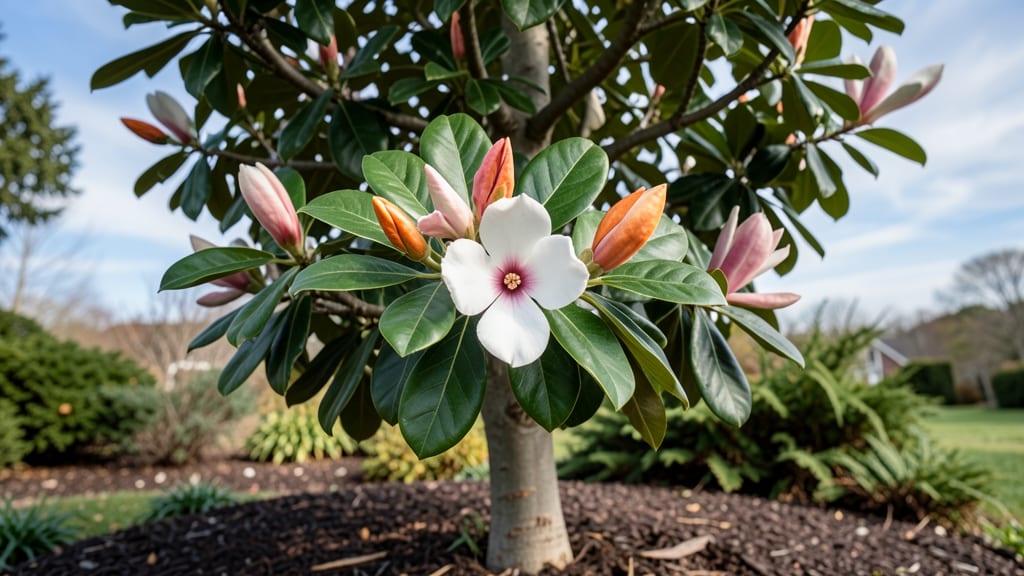
Pruning an orange magnolia tree isn’t just about shaping its branches—it’s about unlocking a second wave of blooms you’ll swear only happens in the movies. 🌸 I’ve watched my own tree go from sparse, leggy limbs to a burst of vibrant orange flowers in late spring and again in early summer, all because of three simple cuts made at the right time.
The secret lies in understanding when to prune, how much to remove, and which branches deserve priority.
Most gardeners wait until spring, but that’s too late for orange magnolias—they bloom on old wood, so the best time to prune is right after their spring flowering, when the blooms fade but before summer heat sets in.
You’ll need sharp pruners, a ladder (unless your tree is small), and about 20 minutes for a mature specimen. The goal? Open up the center for sunlight and air circulation while keeping the tree’s natural shape. Think of it like giving your tree a spa day—less stress, more blooms.
What you’ll end up with is a tree that looks like it belongs in a botanical garden, not your backyard. The blooms will be brighter, more abundant, and last longer because the tree isn’t fighting for light or struggling with crowded branches.
Plus, the scent—sweet, citrusy, and intoxicating—will draw hummingbirds and bees like a magnet. It’s the kind of transformation that makes neighbors stop and ask, “What’d you do to your tree?”
This method works for both young trees and mature specimens, though the scale changes. For smaller trees, you might only need to remove a few stubborn branches, while larger ones benefit from thinning out 10-15% of the canopy to maintain balance.
The key is patience—orange magnolias reward careful pruning with years of reliable blooms, not just one spectacular season. Ready to turn your tree into a showstopper?
📚 In This Guide
- What you need
- Instructions
- Tips and common mistakes
- Wrapping up and next steps
What you need
- ● Pruning shears: Bypass pruners (for cuts up to ½ inch thick). Pro tip: Choose sharp, stainless-steel blades for clean cuts! ✨
- ● Loppers: 1 pair (for branches ½–1.5 inches thick). Look for ratcheting models for extra leverage.
- ● Pruning saw: 1 curved-tooth saw (for branches 1.5+ inches thick). A folding pruning saw saves space.
- ● Disinfectant: 70% isopropyl alcohol or a 10% bleach solution (to sterilize tools between cuts).
- ● Gloves: Heavy-duty work gloves (to protect from thorns and sap).
- ● Safety gear: Safety goggles (to shield eyes from debris).
- ● Pruning sealant: Tree wound paint (for large cuts >2 inches in diameter). Note: Skip if your tree is young or healthy!
- ● Ladder: Extendable or step ladder (for high branches). Ensure it’s rated for your weight.
- ● Tarp or drop cloth: 1 large sheet (to collect debris and protect landscaping).
- ● Notebook & pen: To sketch a quick map of branches before/after pruning.
- ● Check the weather: Prune on a dry, overcast day (avoid wind or rain).
- ● Confirm your tree’s dormant season (late winter/early spring for orange magnolias).
- ● Have a clear plan: Sketch or mentally map out cuts before starting!
How to prune an orange magnolia for continuous, vibrant blooms
Here’s my fail-proof method for keeping your orange magnolia blooming like clockwork—no guesswork, just strategic cuts.
✂️ Step 1: Prune After the First Spring Bloom (Late April)
This is the most important cut of the year. Wait until all blooms have fallen—you’ll know it’s time when the spent flowers drop naturally and new growth starts. Grab your clean, sharp pruning shears and remove dead or crossing branches first. These are easy to spot: they’re brown, brittle, or growing straight into another branch.
Next, cut back last year’s bloom stems to the first outward-facing bud below the bloom cluster. This encourages the tree to focus energy on producing new flower buds for next season. I always make my cuts at a 45-degree angle, about ¼ inch above the bud, to keep water from pooling on the wound. If a branch is too thick, use your pruning saw instead.
✂️ Step 2: Light Summer Trim (July-August)
In mid-summer, do a quick check for any suckers—those are the fast-growing, weak shoots sprouting from the base or along branches. Snip them off at the base immediately. These little guys drain energy from your tree and rarely produce flowers. You’ll also spot any branches growing inward or rubbing against others—these need to go too.
For the main branches, give them a light shape-up if they’re getting too leggy. Focus on thinning out rather than cutting back. Remove no more than 20% of the foliage in this trim—orange magnolias are sensitive to heavy pruning. If you’re unsure, just take out the longest, weakest branches first. The goal here is airflow and sunlight penetration, not drastic reshaping.
✂️ Step 3: Winter Cleanup (February)
This is your chance to tidy up before the growing season kicks in. Wait until late winter, just as buds begin to swell but before they burst open. Remove any dead, broken, or diseased branches—they’re easy to spot now that the tree is dormant. Cut these back to a healthy bud or branch collar (the swollen area where the branch meets the trunk).
If you notice any water sprouts (those fast-growing, vertical shoots), trim them back to a lateral branch. These are common on magnolias and can make the tree look messy. I also like to thin out dense areas where branches are growing too close together. This prevents future crowding and improves flower production. Just remember: never remove more than 10% of the tree’s canopy in winter—orange magnolias bloom on old wood, so you’re pruning for next year’s show.
Tips & tricks for pruning an orange magnolia tree
Real talk: Pruning your orange magnolia correctly makes all the difference between a few scattered blooms and a spectacular floral display. Here's what nobody tells you—
Timing is Everything: In Step 1, when you're pruning after the first spring bloom, resist the urge to cut too early. Waiting until all blooms have naturally fallen ensures you're not removing potential flower buds for next year. I've seen people prune too soon and end up with sparse blooms the following season—don't make that mistake. The natural bloom drop is your signal to act, and it usually happens in late April.
Cutting Technique Matters: That 45-degree angle in Step 1 isn't just for looks—it prevents water from pooling on the wound, which could lead to rot. When cutting back last year's bloom stems, make sure your pruning shears are clean and sharp. Dull blades can crush the stems, causing more damage than the cut itself. For thicker branches, switch to your pruning saw to avoid tearing the bark. I've learned this the hard way after seeing branches split during winter storms.
Summer Pruning Strategy: In Step 2, when you're dealing with suckers and leggy branches, remember that orange magnolias are sensitive to heavy pruning. The 20% foliage limit isn't arbitrary—it's what keeps your tree healthy and flowering. Focus on thinning out rather than cutting back. This creates better airflow and sunlight penetration, which actually encourages more blooms. I've seen people over-prune in summer and end up with fewer flowers the next spring.
Winter Cleanup Insight: That 10% canopy limit in Step 3 is crucial—orange magnolias bloom on old wood, meaning next year's flowers are already forming on this year's branches. Heavy winter pruning can remove potential bloom sites. When you're thinning dense areas, look for branches that are growing too close together. These compete for sunlight and nutrients, reducing overall bloom quality. I always make a point to step back and visualize how each cut will affect the tree's shape and future flowering.
Pro Tips for Orange Magnolia Tree
- Real talk: Pruning your orange magnolia correctly makes all the difference between a few scattered blooms and a spectacular floral display.
- Timing is Everything: In Step 1, when you're pruning after the first spring bloom, resist the urge to cut too early.
- Cutting Technique Matters: That 45-degree angle in Step 1 isn't just for looks—it prevents water from pooling on the wound, which could lead to rot.
Frequently asked questions
about pruning your orange magnolia (Magnolia × soulangeana) to keep it blooming beautifully year-round.When is the best time to prune my orange magnolia?
Prune your orange magnolia immediately after flowering (late spring) to avoid cutting off next year’s blooms. A second light pruning in early summer promotes bushier growth, and a final cleanup in late winter removes dead wood. Never prune in fall—this can stimulate tender new growth that won’t survive winter.
Can I prune my orange magnolia in winter?
Winter pruning is not recommended for orange magnolias. Heavy cuts in late winter or early spring can stress the tree and reduce flowering. Instead, focus on removing dead, diseased, or crossing branches in late winter (February)—just before buds swell—but avoid heavy structural pruning until after blooms fade.
How much can I prune my orange magnolia?
Orange magnolias tolerate moderate pruning but don’t overdo it. Aim to remove no more than 25% of the canopy in a single session. Focus on thinning out crowded branches, shaping the tree, and opening the center for airflow. Heavy pruning can delay flowering or reduce bloom size for 1–2 years.
Why aren’t my orange magnolia blooms lasting as long?
Short-lived blooms often signal overcrowding, poor airflow, or improper pruning. Thin out dense branches to improve circulation, and avoid cutting back flowering stems too aggressively. Also, ensure the tree gets full sun (6+ hours/day) and well-draining soil—shady or soggy conditions can weaken blooms.
What if my orange magnolia isn’t blooming at all?
Lack of blooms usually stems from over-pruning, age, or environmental stress. If your tree is young (<5 years), be patient—it may need time to mature. For older trees, check for crossing branches (blocking light), nutrient deficiencies (fertilize in early spring), or pests (like scale). Light pruning to open the canopy can also encourage more flowers.
Are there alternatives to orange magnolia for low-maintenance blooms?
If pruning seems daunting, consider these equally stunning, lower-maintenance alternatives:
- Crapemyrtle (Lagerstroemia): Thrives in heat, blooms summer-to-fall, and tolerates pruning.
- Japanese Tree Lilac (Syringa reticulata): Fragrant blooms with minimal pruning needs.
- Fringe Tree (Chionanthus virginicus): White, cloud-like flowers with no heavy pruning required.
- Dwarf Gardenia (Gardenia jasminoides): Compact, fragrant blooms (great for containers).
Wrapping up and next steps
Ready to transform your orange magnolia tree into a year-round showstopper? 🌸 With just three strategic cuts—spring shaping, summer thinning, and post-bloom cleanup—you’ll encourage vibrant blooms and a healthier tree. Remember, patience and precision are key, but the reward is a stunning, flourishing centerpiece for your garden.
Now’s your moment to grab those pruners and get started! Start small, observe your tree’s response, and adjust your approach over time. Happy pruning—your magnolia’s next bloom is waiting! 🌿✂️