
Pruning
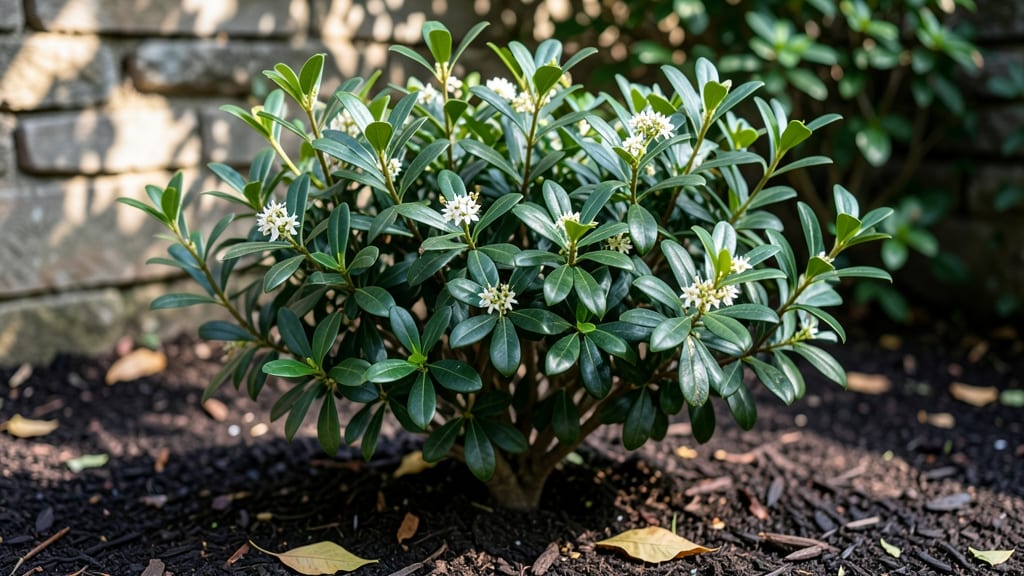
Late-winter pruning of your Christmas olive tree isn't just about shaping—it's about giving it the best shot at surviving Pacific Northwest frosts. I've learned that timing and technique make all the difference between a tree that thrives and one that struggles through winter's chill.
The key is pruning after the coldest months but before spring growth kicks in, usually in February or early March when temperatures stabilize above freezing.
You'll need sharp pruning shears, a ladder if branches are high, and a clear day to work—cloudy skies prevent stress from sun exposure. The goal is to remove dead or crossing branches first, then thin out the canopy by about 25% to improve airflow and sunlight penetration.
This isn't just for aesthetics; it helps the tree recover faster after winter dormancy and reduces frost damage risk.
What you'll end up with is a tree that looks intentional and healthy, with fewer weak branches prone to winter dieback. The new growth in spring will be stronger, and the tree's natural shape will become more pronounced.
Plus, you'll avoid the common mistake of over-pruning, which weakens the tree when it needs all its energy for frost recovery.
This method works equally well for young trees establishing themselves and mature specimens that need rejuvenation. The Pacific Northwest's maritime climate means your tree will appreciate the extra care—especially if you're in zones 8-10 where frosts can still be tricky. Let's get those shears ready!
📚 In This Guide
- What you need
- Instructions
- Tips and common mistakes
- Wrapping up and next steps
What you need
- ● Pruning shears: Bypass pruners (sharp, clean, and sterilized with rubbing alcohol) for small branches (¼”–½” thick).
- ● Loppers: 1 pair (for branches ½”–1½” thick) with a ratcheting mechanism for leverage.
- ● Pruning saw: 1 handheld saw (for branches >1½” thick) with a fine-tooth blade to avoid tearing.
- ● Gloves: Heavy-duty, cut-resistant gloves (e.g., Mechanix or leather) to protect from thorns and sap.
- ● Ladder: Sturdy, extension ladder (20–30 ft) rated for your tree’s height + extra for safety.
- ● Disposable pruning bags: 2–3 large bags (13-gallon capacity) for debris cleanup.
- ● Rag or paper towels: For wiping tools between cuts to prevent disease spread.
- ● Sealing wax: 1 small tube (e.g., Tanglefoot Tree Wound Pruning Sealer) for large cuts >½”.
- ● Marking twine or flags: Colored twine or bright flags to tag branches for removal.
- ● Safety gear: Goggles, ear protection (if using a chainsaw for very thick branches), and a harness if working >20 ft high.
- ● Chainsaw: Only if dealing with branches >3” thick; opt for a pole saw for hard-to-reach spots.
- ● Tree tie or zip ties: For securing branches post-pruning if needed.
- ● Spray bottle with soapy water: To clean tools mid-pruning and prevent bacterial spread.
- ● Mulch or wood chips: 2–3 bags (for post-pruning soil protection against PNW frost).
Step-by-step late-winter pruning for Christmas olive trees
Here's how I keep my Pacific Northwest Christmas olive trees thriving through winter's harshest months.
Choose the Right Time for Pruning
Prune your Christmas olive tree in late winter, just before new growth begins—typically between mid-February and early March in the Pacific Northwest. This timing lets the tree heal before summer heat arrives. Look for dormant branches with no leaf buds or soft growth tips; these are ready for trimming.
If you prune too early, cold snaps can damage fresh cuts. If you wait too long, the tree will start pushing new growth and stress from pruning can weaken it. I always check the forecast for a 3-day stretch above 40°F before I begin—this ensures the tree can recover properly.
Gather Tools and Assess the Tree
Use sharp, clean pruning shears for smaller branches and loppers for thicker stems. Disinfect your tools with rubbing alcohol between cuts to prevent disease spread. Stand back and examine the tree for dead, crossing, or overcrowded branches—these are your priorities.
Focus on removing branches that rub against each other or grow inward, as these create weak points and invite pests. I also look for suckers—those small, water-sprout-like growths at the base or along the trunk—these drain energy from the main structure. Never remove more than one-third of the tree’s foliage in a single session.
Make Clean Cuts at the Right Angle
Cut just outside the branch collar—the swollen area where the branch meets the trunk—to encourage faster healing. Make your cut at a 45-degree angle if the branch is larger than ½ inch thick, sloping away from the trunk. For smaller branches, a straight cut is fine, but always avoid tearing the bark.
If a branch is too thick for loppers, use a pruning saw and make the cut on the underside of the branch to prevent bark from peeling. Seal larger cuts with pruning sealant only if the branch is over 2 inches thick—smaller wounds heal better when left open to air.
Shape for Airflow and Sunlight
Step back and visualize the tree’s natural shape. Remove branches that block sunlight from reaching the center, as this prevents fungal issues and encourages even growth. Aim for an open, vase-like structure that allows air to circulate—this is key for Pacific Northwest frost survival.
Thin out the innermost branches first, then prune the outer canopy to maintain balance. Avoid "heading back" (cutting back to a leaf bud) unless you’re training the tree—Christmas olives respond better to selective branch removal rather than heavy shearing. After pruning, the tree should look lighter and more open than before.
Clean Up and Monitor Recovery
Rake up and dispose of all pruned branches—never leave them on the ground, as they can harbor pests. Water the tree deeply after pruning to help it recover, especially if the soil feels dry. Mulch around the base with 2-3 inches of organic mulch to retain moisture and protect roots from temperature swings.
Watch for new growth within 4-6 weeks—this confirms the tree is healing well. If you see yellowing leaves or stunted growth, the pruning was too aggressive. In the Pacific Northwest, Christmas olives are tough, but even they need gentle care to bounce back from winter’s chill.
Tips & tricks for perfect Christmas olive tree pruning
Late-winter pruning can transform your Christmas olive tree from a struggling survivor to a thriving centerpiece—here’s how to avoid common mistakes and get it right the first time.
Timing is Everything: The mid-February to early March window isn’t just about avoiding frost—it’s about catching the tree when it’s dormant but not yet pushing new growth. I’ve seen trees stressed by pruning too early when cold snaps still linger, and others struggling to recover when pruned too late in the season. Check for those dormant branches with no leaf buds, and always wait for that 3-day stretch above 40°F to ensure proper healing. This timing lets the tree’s natural defenses kick in before summer heat arrives.
Tool Prep Prevents Problems: Disinfecting your pruning shears and loppers with rubbing alcohol between cuts isn’t just about hygiene—it’s about protecting your tree from fungal infections that can sneak in through fresh wounds. I keep a small spray bottle of rubbing alcohol handy and wipe down tools after every 3-4 cuts, especially if I’ve been working with dead branches that might harbor disease. Sharp tools also make cleaner cuts, which heal faster—dull blades tear bark and create larger wounds that take longer to close.
Branch Collar Matters More Than You Think: That swollen area where the branch meets the trunk (the branch collar) isn’t just a random bump—it’s the tree’s natural healing mechanism. Cutting just outside this collar ensures the tree can seal the wound properly and prevents water from pooling, which leads to rot. For branches over ½ inch thick, that 45-degree angle isn’t decorative—it helps water shed away from the cut. I’ve seen pruners ignore this detail, only to watch their trees develop fungal issues months later. Take the extra second to make the right cut.
Shape with Purpose: The goal isn’t just to make your tree look nice—it’s to create an open, vase-like structure that lets sunlight and air reach all parts of the tree. Start by thinning the innermost branches first; these are often the ones blocking light from the center. In the Pacific Northwest, where frost can linger, this airflow is critical for preventing fungal diseases. After pruning, your tree should look lighter than before, not just shorter. If you’re unsure, take a photo before you start—it’ll help you visualize the final shape.
Pro Tips for Christmas Olive Tree
- Late-winter pruning can transform your Christmas olive tree from a struggling survivor to a thriving centerpiece—here’s how to avoid common mistakes and get it right the first time.
- Timing is Everything: The mid-February to early March window isn’t just about avoiding frost—it’s about catching the tree when it’s dormant but not yet pushing new growth.
- I keep a small spray bottle of rubbing alcohol handy and wipe down tools after every 3-4 cuts, especially if I’ve been working with dead branches that might harbor disease.
Frequently asked questions
Got questions about pruning your Christmas olive tree in the Pacific Northwest? You’re not alone! Here are answers to the most common concerns—so you can keep your tree thriving through frost and beyond.
When is the absolute last date to prune before winter sets in?
Late winter (February to early March) is ideal for pruning Osmanthus burkwoodii (Christmas olive) in the PNW. Avoid pruning after mid-March—new growth won’t harden off before frost, leaving tender branches vulnerable. If you missed the window, wait until early spring (April) to trim lightly.
Will pruning now help my tree survive our harsh PNW winters better?
Yes! Strategic pruning improves airflow, reducing moisture retention (which causes rot) and encouraging a stronger structural framework. Focus on removing dead, crossing, or overcrowded branches—this helps the tree allocate energy to frost-resistant growth. Just avoid heavy cuts; aim for no more than 25% of the canopy.
What if I accidentally prune too much—will my tree recover?
Christmas olives are resilient, but over-pruning can stress the tree. If you’ve trimmed more than 30% of the foliage, don’t panic! Water deeply and apply a balanced fertilizer (10-10-10) in early spring. New growth should sprout within 6–8 weeks. For severe cases, prune lightly next year to let the tree rebound.
Can I use Christmas olive trimmings for anything, or should I toss them?
Don’t toss those clippings! Christmas olive wood is dense and rot-resistant, making it great for firewood (once fully dried) or mulch. For immediate use, chop small branches into mulch and spread around the base (but keep it 3–4 inches away from the trunk to prevent rot). Avoid composting—this tree’s leaves break down very slowly.
How do I know if my tree is “done” growing for the season?
Watch for dormant buds (small, swollen nodes) that appear tight against branches—this signals the tree is prepping for winter. Also, check for no new leaf growth for 2–3 weeks, even after warm spells. Once buds form, pruning is safe (but avoid it if frost is forecast within 48 hours).
What’s a good alternative if my Christmas olive tree doesn’t survive the winter?
If your tree struggles with PNW winters, consider frost-hardy alternatives like:
- Holly (Ilex) – Evergreen, berry-producing, and drought-tolerant.
- Oregon grape (Mahonia) – Native, thorny, and thrives in shade.
- Dwarf lilac (Syringa meyeri) – Fragrant blooms and cold-resistant.
Wrapping up and next steps
Pruning your Christmas olive tree in late winter isn’t just about shaping—it’s a vital step to ensure its resilience against Pacific Northwest frosts. By following the right techniques, you’ll promote healthier growth, better fruit production, and long-term vitality.
Your tree will thank you with lush foliage and those coveted holly-like berries for years to come! 🌿✨
Ready to take action? Grab your pruners and schedule your trimming session before spring buds start to swell. Your Christmas olive tree’s future starts now!