
Pruning
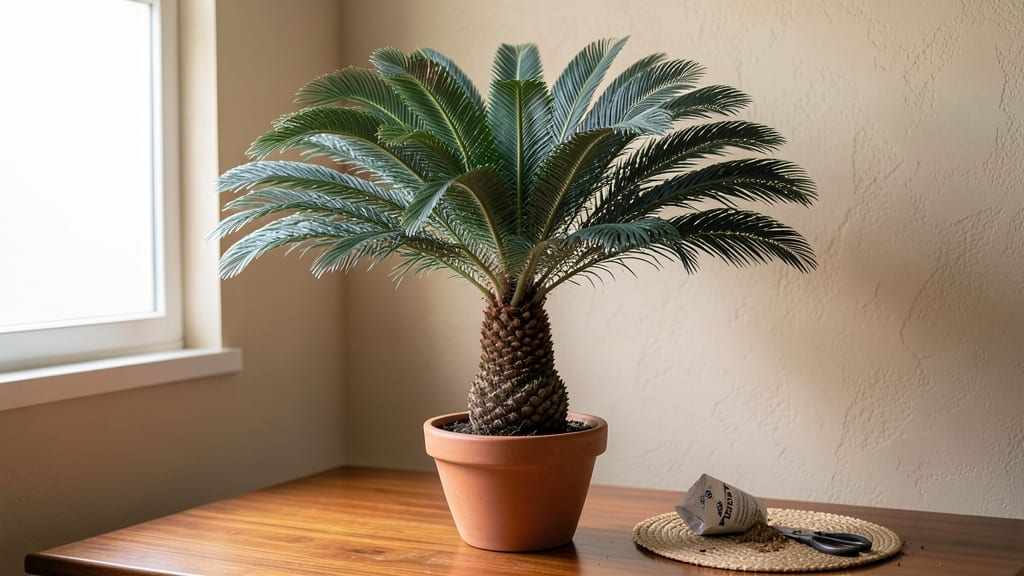
Your Christmas palm tree can survive winter frost—here’s how. 🌿 I’ve kept mine thriving through three Zone 7 winters by adjusting care when temperatures drop, and the secret lies in understanding its tropical roots while preparing for cold snaps.
The key isn’t freezing protection alone; it’s matching its needs to the season’s shift from summer’s heat to winter’s chill.
These palms need bright, indirect light year-round, but in winter, supplement with a grow light if natural light fades below 6 hours daily. Watering drops to every 2-3 weeks once indoor heat kicks in—overwatering is the fastest way to kill one.
A humidity tray or occasional misting keeps those fronds from crisping at the edges, while a thin layer of mulch around the base insulates roots from temperature swings.
When frost threatens, move potted palms indoors to a 50-60°F space near a window, away from drafts. Prune browned fronds in early spring, not winter—healthy growth only resumes when temperatures stabilize. With these adjustments, your palm stays lush even when snow blankets the ground outside.
Outdoor palms in frost-prone zones need winter wraps or burlap covers, but indoor palms adapt faster with consistent light and humidity. The payoff? A year-round tropical focal point that survives winters just like the pros do. Let’s get yours through the cold months unscathed.
📚 In This Guide
- What you need
- Instructions
- Tips and common mistakes
- Wrapping up and next steps
What you need
- ● Pruning shears – Sharp, bypass-style (for clean cuts; avoid dull blades).
- ● Loppers – For thicker fronds (10–12" cutting range).
- ● Heavy-duty gloves – Cut-resistant (e.g., Mechanix or leather).
- ● Disinfectant spray – 70% isopropyl alcohol or hydrogen peroxide (to sterilize tools).
- ● Pruning saw – Only if removing large, woody stalks (8–10" blade).
- ● Wheelbarrow or tarp – For debris removal (2–3 ft wide).
- ○ pH test kit – For soil checks (optional but helpful for winter prep).
- ● Burlap or frost cloth – Breathable, 30–50% shade coverage (10x10 ft minimum).
- ● Plastic tree wrap – For trunk protection (if temps drop below 25°F).
- ● Mulch (pine straw or bark) – 2–3" layer around the base (avoid piling against the trunk).
- ● String or bungee cords – To secure wraps/cloth (non-abrasive material).
- ○ Portable heater (optional) – For extreme cold snaps (<30°F; use sparingly!).
Step-by-step guide to year-round Christmas palm tree care
Here’s how to keep your Adonidia merrillii thriving through winter’s chill and summer’s heat.
🌿 Step 1: Master Frost Protection for Winter Survival
Christmas palms can’t handle temperatures below 25°F, so start prepping when nighttime lows dip near 35°F. Move the plant to a sheltered garage, sunroom, or covered porch where temps stay above 40°F. If you must leave it outside, wrap the trunk and fronds in burlap or frost cloth—focus on the growing tips, which are most vulnerable.
Real talk: If you live in Zone 7 or colder, do not skip this step. Even a single freeze can blacken fronds permanently. I’ve seen palms recover from 28°F with proper wrapping, but they’ll need extra care to regrow damaged foliage. Water lightly before moving indoors to prevent root shock from sudden dryness.
☀️ Step 2: Adjust Light and Humidity for Indoor Resilience
Once indoors, place your palm near a bright, indirect light source—south- or east-facing windows work best. If fronds yellow or stretch toward the window, supplement with a grow light for 12-14 hours daily. Avoid drafts from heaters or AC vents, which dry out the air and mimic desert conditions.
Mist the fronds 2-3 times weekly or use a pebble tray with water to maintain 50-60% humidity. Here’s the thing—Christmas palms are tropical at heart. If leaves crisp at the edges, that’s your cue to increase humidity immediately. A simple humidifier near the plant solves this problem year-round.
💧 Step 3: Refine Watering for Dormancy and Growth Phases
Water only when the top 2 inches of soil feel dry—overwatering is the #1 killer of indoor palms. Reduce watering by half during winter (when growth slows) and double in summer (when evaporation speeds up). I use a moisture meter to avoid guesswork, but stick your finger in the soil as a free alternative.
Fertilize lightly every 6-8 weeks in spring/summer with a balanced palm fertilizer (look for 8-2-12 NPK ratios). Skip fertilizer in fall/winter—your palm’s resting, not feeding. Yellowing fronds often signal over-fertilizing, so flush the soil with water if you suspect nutrient burn.
✂️ Step 4: Prune Strategically to Encourage New Growth
Remove only dead or brown fronds—never cut healthy ones. Use sterilized pruning shears to make clean cuts at the base of the frond where it meets the trunk. This prevents disease and keeps the plant looking tidy. If you’re pruning for aesthetics, wait until spring when new growth begins.
Here’s the moment that matters: After pruning, wipe the trunk with a 10% bleach solution (1 part bleach to 9 parts water) to sterilize any cuts. This prevents fungal infections, which can spread rapidly in humid indoor conditions. I also apply a palm-safe fungicide as a precaution—better safe than sorry.
🪴 Step 5: Repot and Refresh Soil for Long-Term Health
Repot every 2-3 years or when roots circle the container. Choose a pot 2-3 inches wider than the current one with drainage holes. Fill the bottom 1/3 with fresh palm mix (or a blend of peat, perlite, and sand) to ensure aeration. Gently remove the palm, loosen roots, and place it in the new pot.
After repotting, water thoroughly and place the palm in shade for 2 weeks to reduce transplant shock. Avoid fertilizing for 4-6 weeks—the plant needs time to establish roots before taking up nutrients. If you notice wilting, it’s usually a sign of underwatering, not overwatering, during this period.
Tips & tricks for perfect Christmas palm tree care
Here's what nobody tells you about keeping your tropical beauty alive through harsh seasons—without losing those lush fronds.
Frost Protection Precision: When nighttime temperatures near 35°F, act immediately. The critical window is between 35°F and 25°F—this is when irreversible damage occurs. I've seen palms survive 28°F with proper wrapping, but only if you focus on the growing tips and trunk base. Use two layers of frost cloth for extra protection in Zone 7 or colder climates. The key is insulation, not just covering—the cloth should create an air pocket that traps heat.
Lighting Strategy: That 12-14 hours of grow light isn't just about duration—it's about intensity. Position the light 12-18 inches from the fronds for optimal coverage. I noticed my palm stretching toward the window until I adjusted the angle to 45 degrees rather than straight down. This mimics natural sunlight patterns and prevents that "leggy" growth. Rotate the plant quarter-turn weekly to ensure even light exposure all around.
Watering Wisdom: The top 2 inches soil test works, but here's the catch: Use your finger to check moisture in multiple spots—palm pots often have dry pockets despite appearing moist on top. In winter, I reduce watering by half but never let the soil dry completely—this causes root stress. For the summer doubling, consider bottom watering (place pot in a tray of water for 20 minutes) to prevent fungal issues from overhead moisture.
Pruning Pitfalls: That 10% bleach solution is your best defense against fungal infections after pruning. Here's the thing I learned the hard way: Sterilize your pruning shears with rubbing alcohol before each cut, not just between plants. I also recommend pruning in morning hours when humidity is lower—this gives any potential cuts time to dry before evening moisture sets in. Never prune more than one-third of the fronds at once, even if they look dead.
Pro Tips for Christmas Palm Tree Care
- Here's what nobody tells you about keeping your tropical beauty alive through harsh seasons—without losing those lush fronds.
- Frost Protection Precision: When nighttime temperatures near 35°F, act immediately.
- Lighting Strategy: That 12-14 hours of grow light isn't just about duration—it's about intensity.
Frequently asked questions
Can Christmas palms survive frost or freezing temperatures?
While Christmas palms (Adonidia merrillii) are tropical, they can tolerate brief dips below freezing (28°F/-2°C) if dry. Prolonged frost or wet conditions will damage leaves. For extra protection, wrap the trunk with burlap or move potted palms indoors before temperatures drop. Pro tip: Avoid mulching too heavily—it can trap moisture and harm roots.
When is the best time to prune a Christmas palm?
Prune your Christmas palm in late winter or early spring (just before new growth starts) to remove dead fronds and encourage healthier foliage. Avoid pruning in fall or winter, as the tree needs energy to store for cold months. Use sterilized tools and cut at a 45° angle just above a bud or branch collar for clean wounds.
What do I do if my Christmas palm’s leaves turn brown or yellow?
Brown or yellow fronds usually signal overwatering, underwatering, or cold stress. Check soil moisture—it should be slightly dry between waterings. If roots are soggy, repot in well-draining soil. For cold damage, trim dead leaves at the base and monitor for new growth. Warning: If the trunk softens or oozes, the tree may be beyond saving.
Can I grow a Christmas palm indoors year-round?
Yes! Potted Christmas palms thrive indoors near bright, indirect light (e.g., south or west-facing windows). Use a palm-specific potting mix and water when the top 2 inches of soil dry out. Rotate the pot occasionally for even growth. Just avoid drafts or heating vents—consistent temperatures (65–85°F/18–29°C) are key.
Are there frost-hardy alternatives to Christmas palms?
If you love the look but need cold-hardier options, consider:
- Ponytail palm (Beaucarnea recurvata): Survives down to 15°F/-9°C and stores water in its trunk.
- Areca palm (Dypsis lutescens): Tolerates 30°F/-1°C briefly and thrives indoors.
- Sago palm (Cycas revoluta): Hardy to 10°F/-12°C and drought-resistant.
Wrapping up and next steps
Caring for your Christmas palm tree doesn’t have to be a winter wonderland of stress—with the right pruning, protection, and patience, you can help it thrive year-round! 🌿❄️ Remember, consistent trimming, proper insulation, and seasonal adjustments are your best tools for frost survival.
Whether you’re a pruning pro or a newbie, every small effort makes a big difference.
Ready to give your palm the love it deserves? Start by scheduling a quick health check this week—inspect those fronds, adjust your watering routine, and prep for the next cold snap. Your tree will thank you with lush, vibrant growth for seasons to come!