
Pruning
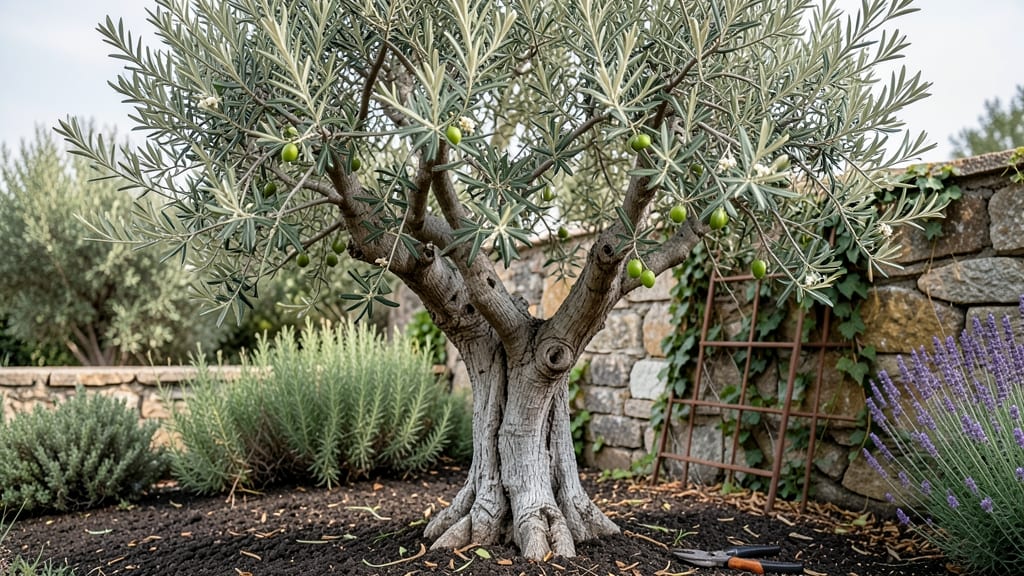
Pruning an olive tree isn’t just about shaping it—it’s about keeping it alive through heat, drought, and even frost. 🌿 After years of watching my first olive tree struggle through winter dieback, I learned the hard way that timing and technique make all the difference.
The right cuts in the right season transform a struggling shrub into a sturdy, productive tree that thrives year-round.
You’ll need sharp pruners, a ladder (for taller trees), and a clear understanding of when to prune—spring and summer are ideal, but winter cuts risk frost damage. The goal is to remove dead wood, thin crowded branches, and encourage airflow without overdoing it.
Olive trees are tough, but they’ll reward precision with silvery-green foliage and abundant fruit.
What you’ll end up with is a tree that looks healthy from every angle, resists pests better, and produces more olives than you’d expect from a single plant.
The key is patience: olive trees grow slowly, so aggressive pruning backfires. Instead, focus on small, strategic cuts that shape without shocking the tree.
This works for both container-grown olives and in-ground plants, though outdoor trees need winter protection in colder zones. Whether you’re trimming a dwarf variety on your patio or a mature tree in your yard, the same principles apply. Let’s get those branches under control the right way.
📚 In This Guide
- What you need
- Instructions
- Tips and common mistakes
- Wrapping up and next steps
What you need
- ● Pruning shears: Bypass pruners (for cuts under ½ inch thick) – 1 pair (look for sharp, stainless-steel blades for clean cuts).
- ● Loppers: For branches ½ to 2 inches thick – 1 pair (with a long handle for reach).
- ● Pruning saw: For thick branches (2+ inches) – 1 saw (bow or folding saw with fine teeth).
- ● Disposable gloves: Heavy-duty (to protect against thorns and sap) – 1 pair.
- ● Rubbing alcohol (70%+) or bleach solution: For sterilizing tools between cuts – small bottle.
- ○ Pruning sealant (optional): For large wounds (e.g., tree wound dressing) – small tube.
- ● Ladder or step stool: For tall trees (ensure it’s stable and tall enough) – 1.
- ● Tarp or drop cloth: To collect debris – 1 medium-sized.
- ○ Notebook & pencil: To sketch your pruning plan (optional but helpful!).
- ● Safety glasses: Protect your eyes from debris.
- ● Long sleeves & pants: Olive trees can be thorny!
- ● Weather check: Prune on a dry, calm day (avoid wind or rain).
- ● Tree health assessment: Inspect for pests/diseases before pruning.
How to prune olive trees for year-round health
Here's the simple, science-backed approach I use to keep my olive trees thriving through every season.
✂️ Step 1: Assess the Tree and Identify Pruning Zones
Start by examining your olive tree for dead, diseased, or crossing branches. I look for branches that rub against each other—they'll create wounds that invite infection. Use sharp pruning shears to make clean cuts just outside the branch collar, where the branch meets the trunk. This ensures the tree seals the wound properly.
Next, identify any branches growing inward toward the center of the tree. These compete for light and air circulation, creating a dense canopy that traps moisture. Mark these with a small piece of twine or tape so you don't accidentally remove healthy growth. Olive trees naturally grow in an open, airy shape, so aim to maintain that natural form.
🌿 Step 2: Prune for Shape and Airflow in Late Winter
The best time to prune olive trees is in late winter or early spring, just before new growth begins. This timing gives the tree time to heal before summer heat stress. Focus on removing about 10-20% of the total canopy—never more than that in one season, as olive trees are sensitive to heavy pruning.
For shaping, I start at the top and work my way down. Cut back any branches that are growing too close together, always making cuts at a 45-degree angle just above an outward-facing bud. This encourages new growth to fill in gaps while maintaining an open structure. Avoid cutting into old wood—olive trees produce new growth from current season's wood, so prune back to last year's growth if needed.
☀️ Step 3: Light Maintenance Pruning Through the Growing Season
During the growing season, keep an eye out for any dead or diseased branches that appear. Remove them immediately with sterilized pruners to prevent the spread of infection. Olive trees are drought-tolerant but hate wet, rotting wood, so quick removal is key.
In mid-summer, you can do a light pruning to encourage new growth. Focus on trimming back any overly vigorous shoots that are growing too fast or crowding the center. Cut these back by about one-third to promote bushier growth. Avoid heavy pruning during this time—it can stress the tree and reduce fruit production.
⏰ Step 4: Prepare for Winter with Minimal Pruning
In fall, limit pruning to just removing any dead or broken branches. Olive trees are evergreen and need to maintain their foliage through winter. Heavy pruning now can leave the tree vulnerable to cold damage. If you notice any branches that were damaged by frost or wind, prune them back to healthy wood just before winter sets in.
Here's the thing—olive trees are slow to recover from aggressive pruning. I've seen people cut back too much in winter, only to have their tree struggle to produce new growth come spring. Instead, focus on light maintenance and shaping during this time. The tree will thank you with stronger growth in the following season.
Tips & tricks for perfect olive tree pruning
Took me years to learn these tricks after watching my first olive tree struggle—here's what actually works.
Pruning Tool Prep: Sterilize your pruning shears with rubbing alcohol between cuts, especially when dealing with diseased branches in Step 3. I've seen fungal infections spread just from using the same shears on healthy and sick branches without cleaning. A quick wipe-down between each cut prevents this silent killer. The 45-degree angle cuts in Step 2 also work best with sharp tools—dull shears tear wood instead of making clean cuts.
Seasonal Timing Insight: The late winter/early spring timing in Step 2 gives olive trees their best chance to heal before summer heat arrives. I've noticed that trees pruned in fall often show delayed growth the following spring, likely because they're already stressed from winter dormancy. If you must prune outside this window, do it on a mild day in late winter rather than risking cold damage in fall.
Visual Growth Cues: When trimming back vigorous summer shoots in Step 3, look for branches that are growing faster than others—they're competing for resources. Cut these back by one-third, but always leave at least one healthy bud. I've learned this the hard way: removing too much too soon can shock the tree into dropping its precious olives.
Winter Damage Rescue: If you spot frost-damaged branches in Step 4, prune them back to the first healthy bud below the damage. The key is to avoid cutting into old, bare wood—this is where olive trees struggle to heal. I've seen trees recover beautifully from winter damage when pruned this way, but they'll never bounce back from cutting into dead wood.
Pro Tips for T Olive Tree
- Took me years to learn these tricks after watching my first olive tree struggle—here's what actually works.
- Pruning Tool Prep: Sterilize your pruning shears with rubbing alcohol between cuts, especially when dealing with diseased branches in Step 3.
- Seasonal Timing Insight: The late winter/early spring timing in Step 2 gives olive trees their best chance to heal before summer heat arrives.
Frequently asked questions
Got questions about keeping your olive tree thriving with the right pruning? Here are some of the most common ones—plus expert answers to keep your tree happy and healthy year-round.
When is the best time to prune an olive tree?
The ideal time is late winter to early spring (just before new growth starts), but light pruning can also happen in summer to shape the tree. Avoid heavy cuts in fall—it can stress the tree before winter. For Mediterranean climates, prune after harvest if needed!
How much should I trim off an olive tree?
Never remove more than 25-30% of the canopy in one session—this prevents shock. Focus on dead, diseased, or crossing branches first, then thin out to improve airflow. Young trees need less aggressive pruning (just shaping), while mature trees can handle selective thinning for fruit production.
Can I prune an olive tree in summer?
Yes, but keep it light! Summer pruning helps control size and shape, but avoid heavy cuts—it can stress the tree during hot, dry periods. If you must prune, do it early morning or late afternoon to reduce water loss. Never prune during extreme heat or drought.
What if my olive tree isn’t producing olives after pruning?
Olive trees need balanced pruning—too much thinning can reduce fruit yield. Focus on keeping the tree’s structure open (not overly dense) and avoid cutting back fruit-bearing branches. If the issue persists, check for pests, water stress, or nutrient deficiencies (like zinc or iron).
How often should I prune an olive tree?
Prune annually for young trees (first 3–5 years) to establish shape, then every 2–3 years for mature trees. Light maintenance pruning (removing dead wood, shaping) can happen year-round, but avoid heavy cuts outside late winter/early spring.
Pro Tip:
Use sharp, sterilized tools (like pruning shears or a saw) to make clean cuts at a 45-degree angle just above a bud or branch collar. Seal larger cuts with pruning sealant to prevent disease—especially in humid climates!
Wrapping up and next steps
Pruning your olive tree isn’t just about shaping—it’s a year-round commitment to its health, productivity, and beauty! 🌿 Whether you’re trimming for light penetration, fruit yield, or disease prevention, strategic cuts make all the difference.
Remember, consistency and patience are key, and soon you’ll see a thriving tree that rewards you with lush foliage and bountiful harvests.
Ready to take the next step? Start small—pick one season to focus on and observe how your tree responds. Over time, you’ll build confidence and turn pruning into a rewarding ritual. Happy trimming! 🌱