
Pruning
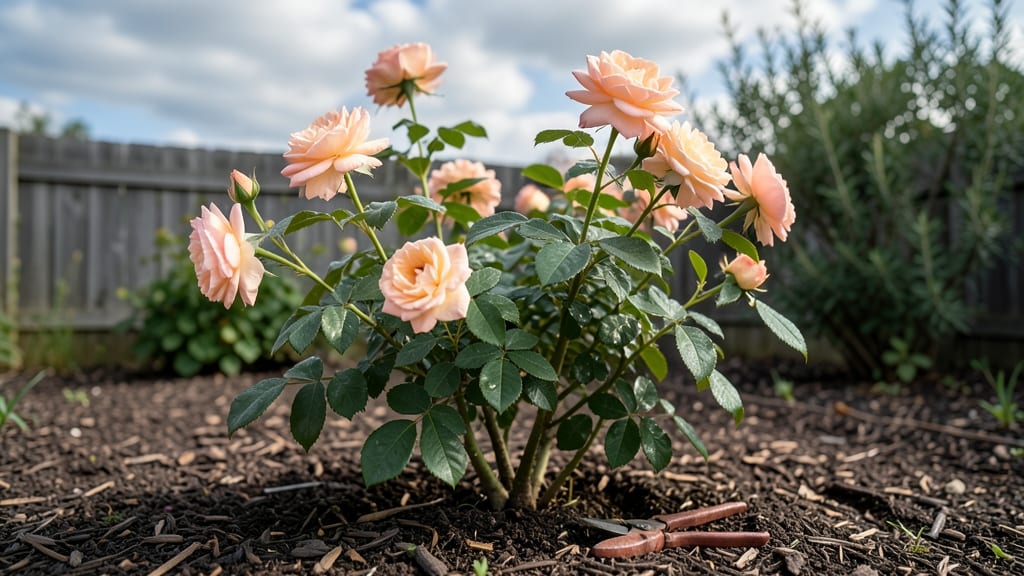
The Peach Drift rose tree thrives in Pacific Northwest gardens where cold snaps threaten tender blooms—its frost-resistant nature makes it a standout choice for climbers. 🌿 I’ve pruned mine through three winters here, and the key isn’t just timing but understanding how its semi-dormant canes handle our damp, chilly springs.
The secret lies in staggered cuts that balance airflow with next year’s growth.
Most gardeners over-prune in early spring, but this rose rewards patience. Start with late February to early March cuts when forsythia blooms signal new growth, then fine-tune through April.
You’ll need sharp bypass pruners, rubbing alcohol for cuts, and a ladder for higher branches—though I’ve trained mine along a sturdy arbor for easier access. The goal? Open the center for sunlight while preserving last year’s wood that flowers best.
By June, you’ll see velvety peach blooms cascading like confetti, their fragrance cutting through Pacific Northwest’s signature drizzle. The real magic happens when you time your final summer trim after the first flush of flowers—this ensures a second wave of blooms before fall’s chill sets in.
Even in Zone 7’s late frosts, my Drift rose rebounds with surprising vigor.
This calendar works for other frost-prone zones too, just adjust by 2-3 weeks for earlier or later frosts. The biggest mistake? Pruning too late in fall—wait until after the first hard freeze, then clean up dead wood in early spring.
Your rose will thank you with showstopping blooms that last from May through October.
📚 In This Guide
- What you need
- Instructions
- Tips and common mistakes
- Wrapping up and next steps
What you need
- ● Bypass pruners (sharp, sterilized, and disease-free—think Felco or Fiskars, #2 or #3 size for thicker stems).
- ● Loppers (for branches ½–1½ inches thick, like Corona or Felco #4).
- ● Hand saw (for stubborn, 2+ inch branches—pruning saws with curved blades work best).
- ● Disinfectant (70% isopropyl alcohol or a 10% bleach solution to clean tools between cuts).
- ● Rubbing alcohol (for wiping cuts on the rose to prevent infection).
- ● Garden gloves (nitrile or leather, cut-resistant for protection).
- ○ Pruning sealant (optional but helpful for large cuts—look for tree wound pruning paste).
- ● Tarp or drop cloth (to collect debris and protect the ground).
- ● Notebook & pencil (to track cuts, dates, and growth notes!).
- ● Extension pole pruners (for high branches—6–10 ft reach).
- ● Rose fertilizer (balanced 10-10-10 or organic compost post-pruning).
- ● Mulch (3–4 inches of wood chips or straw to retain moisture).
- ● Stake & ties (if your rose needs support after heavy pruning).
- ● Camera or phone (to document before/after progress—trust us, it’s satisfying!).
Step-by-Step pruning guide for your Peach Drift rose tree
Here’s how to keep your frost-resistant rose thriving through PNW winters—month by month.
✂️ Step 1: Late Winter Cleanup (February)
This is your first critical cut. Wait until after the last hard frost—around mid-February in most of the PNW—before touching the plant. You’ll know it’s time when the ground thaws and you can work the soil without it freezing back.
Remove dead, diseased, or crossing branches first. Look for stems that are blackened, mushy, or hollow—they won’t recover. Use clean, sharp pruners (sterilized with rubbing alcohol) to make 45-degree cuts just above an outward-facing bud. This encourages bushier growth and better air circulation.
Don’t over-prune here. The Peach Drift’s natural shape is loose and airy—you’re just tidying up, not reshaping. Aim to remove no more than 20% of the plant’s total growth in this first cut. If you’re unsure, err on the side of caution and leave more branches than you think you should.
☀️ Step 2: Spring Growth Stimulation (April)
By April, new growth will be 2-3 inches tall, signaling it’s time for the second prune. This is where you shape the plant for the season. Step back and assess the rose’s structure—you want to maintain its open, drift-like form while encouraging strong stems.
Cut back last year’s growth by about one-third, but leave 3-5 strong canes per section. Prune just above an outward-facing bud to promote airflow and reduce disease risk. Avoid cutting into old wood (gray or woody stems)—this won’t regrow. Focus on green, flexible canes that show signs of new buds.
Here’s the thing—Peach Drift roses bloom on new wood, so aggressive pruning now won’t sacrifice flowers. In fact, this step ensures longer, healthier blooms later. After pruning, apply a balanced rose fertilizer (10-10-10) to fuel the upcoming flush of growth.
⏰ Step 3: Mid-Season Maintenance (June)
June is all about deadheading and light shaping. After the first flush of blooms, you’ll notice spent flowers and leggy growth. This is your cue to tidy up while the plant is actively growing.
Remove faded blooms by cutting the stem back to the nearest 5-leaflet leaf (where the bloom originated). This redirects the plant’s energy into stronger stems and more blooms rather than seed production. For overly long canes, pinch back the tips to encourage branching—this keeps the rose compact and prevents flopping.
Watch for suckers (shoots growing from the base or graft union). These drain energy from the main plant, so snip them off at the base. Mulch the root zone with 2-3 inches of organic mulch to retain moisture and protect roots from summer heat.
✂️ Step 4: Fall Preparation (October)
As temperatures drop below 50°F at night, your Peach Drift needs one last prune to prep for winter. This isn’t about heavy cutting—it’s about protecting what you’ve grown.
Remove weak, thin canes (those smaller than a pencil) and any that cross or rub against each other. Shorten last season’s growth by about half, but leave 3-4 inches of stem on each cane. This protects the buds that will bloom next spring. Avoid heavy pruning now—you’re not shaping, just clearing out the weak points that could invite disease or frost damage.
After pruning, pile mulch around the base of the rose, creating a 6-inch-high mound. This insulates the roots and helps the plant withstand 20°F dips common in PNW winters. Water deeply before the first hard freeze to ensure the plant is hydrated going into dormancy.
Tips & tricks for perfect Peach Drift rose pruning
These seasoned insights will help you master the art of pruning your frost-resistant rose like a PNW pro.
Timing is Everything: The mid-February cutoff for Step 1 is non-negotiable—waiting until after the last hard frost prevents damaging tender new growth. I've learned this the hard way after seeing roses struggle when pruned too early. Use your local frost date guide as your absolute cutoff, and always check soil temperature before starting. If the ground feels cold to the touch, wait another week. The Peach Drift's hardiness means it can handle winter, but you're working with what nature provides.
Bud Direction Matters: When making those 45-degree cuts in Step 1 and Step 2, focus on outward-facing buds to create the rose's signature open, airy structure. I always visualize the plant's natural growth pattern—think of it like creating a drift of blooms rather than a dense hedge. This technique prevents overcrowding and ensures maximum airflow, which is crucial for preventing fungal diseases common in PNW's damp climate. The 3-5 strong canes you leave in Step 2 should all have buds pointing outward to maintain that signature drift shape.
Seasonal Adjustments: In Step 4, when temperatures drop below 50°F, your pruning approach changes dramatically. The goal shifts from shaping to protection—leaving those 3-4 inch stems isn't about aesthetics, it's about preserving next year's blooms. I've seen roses completely stripped of winter protection struggle with freeze damage, so don't skimp on the mulch mound. That 6-inch height isn't arbitrary—it creates a critical insulation layer that can make the difference between a thriving plant and one that needs complete replacement in spring.
Tool Maintenance: Your pruners are your most important tool, and they need regular care between pruning sessions. After each use, wipe them clean and sterilize with rubbing alcohol to prevent disease transmission. I sharpen my pruners annually and store them in a dry place—dull blades crush stems rather than make clean cuts, which invites infection. For large branches, consider a pruning saw for clean cuts without tearing the bark. The investment in good tools pays off in healthier roses that require less maintenance over time.
Pro Tips for Peach Drift Rose Tree
- These seasoned insights will help you master the art of pruning your frost-resistant rose like a PNW pro.
- Timing is Everything: The mid-February cutoff for Step 1 is non-negotiable—waiting until after the last hard frost prevents damaging tender new growth.
- Bud Direction Matters: When making those 45-degree cuts in Step 1 and Step 2, focus on outward-facing buds to create the rose's signature open, airy structure.
Frequently asked questions
How cold can Peach Drift roses handle?
The Peach Drift rose is celebrated for its USDA Zones 3-9 hardiness, meaning it can survive winter temps down to -30°F (-34°C). However, young plants or newly pruned canes may need mulch or frost cloth in extreme freezes. Always check your local microclimate—urban areas can be colder than rural spots!
When is the worst time to prune my Peach Drift?
Avoid pruning after late summer (August/September)—this encourages tender new growth that won’t harden off before winter. Late spring (just before blooms open) or early fall (after leaf drop) are ideal. Never prune during a frost warning, as damaged canes are more vulnerable to disease.
Can I grow Peach Drift in a container?
Yes! This compact rose thrives in 15-20 gallon containers with well-draining soil and winter protection (move to a sheltered spot or wrap the pot). Use a trellis or stake for support—containers dry out faster, so water deeply 2-3x/week in summer. Just ensure it gets 6+ hours of sun daily for those iconic peach blooms!
Why are my Peach Drift leaves yellowing?
Yellow leaves usually signal overwatering, nutrient deficiency, or fungal issues. Check the soil—it should be damp but not soggy. If yellowing starts at the bottom leaves, it’s likely age-related. For top leaves, test for chlorosis (iron deficiency) or black spot fungus (remove affected leaves and apply neem oil).
How do I encourage more blooms on my Peach Drift?
This repeat-blooming rose loves regular deadheading (snip spent blooms) and a balanced fertilizer (like 10-10-10) in early spring. Prune lightly in late winter to open the center for airflow—crowded canes reduce blooms. Pro tip: Feed again after the first flush of blooms for a second (or third!) wave of peach perfection!
What’s a good alternative if Peach Drift isn’t available?
Try these frost-hardy, low-maintenance roses for the PNW:
- ‘Knock Out’ Roses – Disease-resistant, reblooming, and zero-pruning needed.
- ‘The Fairy’ – Compact (2-3 ft), fragrant, and thrives in Zones 3-9.
- ‘David Austin’ Shrub Roses – Classic blooms with old-garden charm.
Wrapping up and next steps
Pruning your Peach Drift rose tree in the Pacific Northwest doesn’t have to be intimidating—just follow the seasonal cues and your frost-resistant beauty will thrive! 🌸 With the right tools, timing, and techniques, you’ll enjoy lush blooms and healthy growth year after year. Now’s the perfect time to grab those shears and get started!
Ready to take the next step? Bookmark this guide for quick reference, then check out our pruning video tutorial for hands-on tips. Happy gardening—your rose tree will thank you with stunning blooms! 🌿