
Pruning
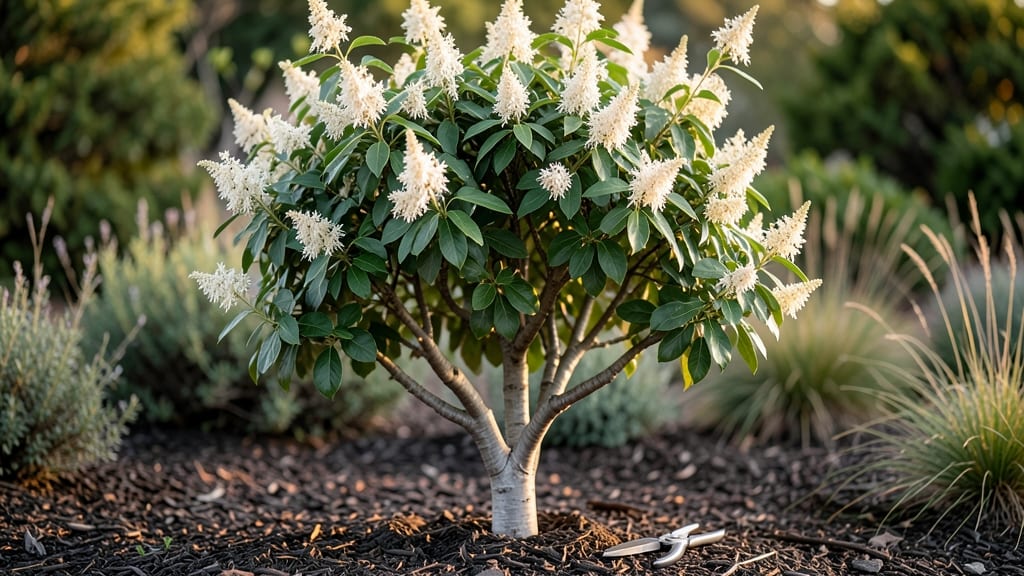
That lilac ivory silk tree (Chionanthus retusus) transforms your Pacific Northwest garden into a dreamy, frost-proof vertical showstopper with its delicate white fringe blooms—like cascading snowflakes. caught in the breeze—draped along bare branches in late spring.
Unlike fussy ornamentals, this tree thrives where others falter, handling freezing temps, drought, and even urban pollution with ease.
Plant it in full sun to partial shade where its 6-12 foot height and spreading form create natural privacy or a stunning focal point. Well-draining soil is key—amend heavy clay with compost to keep roots happy.
Water deeply once established, but this drought-tolerant beauty doesn’t need frequent attention once settled. The real magic happens when you prune lightly after flowering to shape its graceful silhouette.
You’ll love how this tree transforms from winter’s stark branches into a cloud of fragrant white blooms that hummingbirds adore. Pair it with low-growing perennials like heuchera or sedum to highlight its vertical drama, or plant near patios where its gentle scent lingers.
Even in small yards, its compact growth makes it an urban-friendly stunner.
Common challenges? None that can’t be avoided with proper care—just watch for powdery mildew in humid summers (spray with neem oil if needed) and avoid overwatering. With minimal effort, you’ll have a year-round structural beauty that outshines trendy but temperamental plants. Ready to make this your garden’s new star?
📚 In This Guide
- What you need
- Instructions
- Tips and common mistakes
- Wrapping up and next steps
What you need
- ● Pruning shears: Bypass pruners (sharp, 6–8" blades) for clean cuts on small branches.
- ● Loppers: Bypass or anvil type (18–24" handles) for thicker branches (½"–1.5" diameter).
- ● Pruning saw: Curved-tooth hand saw for branches thicker than 1.5".
- ● Gloves: Heavy-duty, cut-resistant (e.g., leather or synthetic blend) to protect hands from thorns and sap.
- ● Disinfectant: 70% isopropyl alcohol or rubbing alcohol + paper towels to sterilize tools between cuts (prevents disease spread!).
- ○ Extension pole: 3–6 ft telescoping pole with a pruner attachment for high branches (optional but highly recommended!).
- ● Marking twine or flags: Bright-colored twine or plastic flags to tag branches for removal (helps visualize the final shape).
- ● Heavy-duty trash bags: 2–3 large bags (20+ gallon) for debris cleanup.
- ● Pruning sealant: Tree wound dressing (e.g., Tanglefoot Tree Wound Pruning Seal) for large cuts (controversial but some swear by it!).
- ● Safety gear: Safety glasses and earplugs if using a chainsaw (for aggressive pruning).
- ● Ladder: Sturdy, 3-section aluminum ladder (rated for your height + 3 ft extra) for hard-to-reach areas.
- ● Camera or phone: Take before/after photos to track progress over time!
Step-by-step guide for planting and caring for Lilac Ivory silk tree
This stunning vertical bloomer thrives in Pacific Northwest climates with minimal fuss.
Choose the Perfect Planting Location
Select a site with full sun exposure—at least 6 hours of direct sunlight daily—since the Ivory Silk Tree needs ample light to develop its signature cascading blooms. In the Pacific Northwest's cooler climate, morning sun with afternoon shade works well, especially during summer months when temperatures can climb. The tree tolerates a range of soil types but performs best in well-draining soil with a slightly acidic to neutral pH (6.0-7.0).
Here's the thing—avoid low-lying areas where cold air pools. Even the Ivory Silk Tree's frost resistance has limits. Plant where it can catch gentle breezes that prevent frost buildup on branches. A location near a south-facing wall provides extra winter protection while maximizing summer sunlight exposure.
Prepare the Planting Site
Dig a hole that's twice as wide as the tree's root ball but only as deep. This prevents root damage from being buried too deeply, which can suffocate the roots and lead to poor establishment. Gently loosen the roots if they appear tightly bound, but don't tease them apart—just spread them naturally in the hole.
Amend the native soil with 2-3 inches of compost mixed into the bottom of the hole. This improves drainage and provides essential nutrients without overwhelming the tree. Water the hole thoroughly before planting to settle the soil and eliminate air pockets around the roots. The soil should feel moist but not soggy when squeezed.
Plant and Establish Proper Watering
Place the tree in the hole so the top of the root ball sits 1 inch above ground level. This prevents soil from washing into the graft union during heavy rains, which can occur frequently in the Pacific Northwest. Backfill with native soil, tamping gently as you go to eliminate air pockets without compacting the roots.
Water deeply immediately after planting to help settle the soil around the roots. Provide 1-2 gallons of water weekly during the first growing season, adjusting based on rainfall. The key is keeping the root zone consistently moist but never waterlogged. You'll know you're doing it right when the soil feels damp 2-3 inches below the surface—stick your finger in to check.
Prune for Shape and Health
Prune in late winter or early spring before new growth begins, removing any dead, diseased, or crossing branches first. The Ivory Silk Tree responds well to shaping prunes, so you can encourage a more compact form by cutting back overgrown branches by one-third of their length. Always use clean, sharp pruners to make cuts just above a bud or branch collar.
Real talk: Don't over-prune. This tree blooms on old wood, so heavy pruning reduces next year's flowers. Limit structural pruning to removing only what's necessary for shape and health. After pruning, apply a balanced fertilizer (10-10-10) to support new growth. The tree's natural growth habit means it won't need much maintenance once established.
Winterize for Pacific Northwest Conditions
The Ivory Silk Tree's frost resistance makes it ideal for the Pacific Northwest, but it still needs protection during harsh winters. Mulch around the base with 2-3 inches of organic mulch (like bark or wood chips) to insulate roots and retain moisture. Avoid piling mulch against the trunk—keep it 3-4 inches away to prevent rot.
In areas with particularly cold winters (below 10°F), consider wrapping young trees with burlap or frost cloth during the coldest months. The tree's silvery foliage provides some natural insulation, but extra protection ensures vibrant blooms next spring. Remove winter protection in early spring once new growth appears—this signals the tree is actively growing again.
Tips & tricks for perfect Lilac Ivory silk tree planting
Between us, these little details make all the difference when establishing your Ivory Silk Tree for years of stunning vertical blooms.
Sunlight Strategy: The 6 hours of daily sunlight is non-negotiable for those signature cascading blooms, but here's the thing—morning sun with afternoon shade works best in our Pacific Northwest climate. If your site gets intense afternoon sun, consider partial afternoon shade during summer months when temperatures climb. The tree's silvery foliage actually helps reflect some heat, but you're better off erring on the cooler side for consistent blooming.
Root Zone Secrets: When you're preparing that hole twice as wide but only as deep as the root ball, here's what nobody tells you—gently scoring the sides of the hole with a spade creates tiny channels that encourage root growth outward rather than circling. This prevents girdling roots later on. Also, if your native soil is particularly dense, mix in a handful of perlite with that 2-3 inches of compost to improve aeration without changing the soil structure dramatically.
Watering Wisdom: That 1-2 gallons weekly during the first growing season might seem like a lot, but think of it this way: you're establishing a deep root system that can handle our region's occasional droughts. The finger-check method at 2-3 inches deep is perfect—if it feels like a wrung-out sponge, you're golden. Pro tip: water in the morning so foliage has time to dry, preventing fungal issues that can stress young trees.
Pruning Precision: Cutting back overgrown branches by one-third might sound aggressive, but here's the breakthrough moment: make those cuts just above an outward-facing bud. This simple technique encourages fuller growth in that direction. And when you're tempted to do more pruning, remember—this tree blooms on old wood. Every cut you make now reduces next year's flowers, so be surgical with your pruners.
Pro Tips for Lilac Ivory Silk Tree
- Between us, these little details make all the difference when establishing your Ivory Silk Tree for years of stunning vertical blooms.
- Sunlight Strategy: The 6 hours of daily sunlight is non-negotiable for those signature cascading blooms, but here's the thing—morning sun with afternoon shade works best in our Pacific Northwest climate.
- This prevents girdling roots later on.
Frequently asked questions
Got questions about growing and caring for your Lilac Ivory Silk Tree? You’re not alone!
This stunning vertical bloomer thrives in the Pacific Northwest’s climate, but even the hardiest plants need a little TLC. Here are answers to the most common queries—so you can keep your tree flourishing and frost-resistant for years to come.
How cold can a Lilac Ivory Silk Tree handle?
The Lilac Ivory Silk Tree (Albizia julibrissin ‘Lilac Ivory’) is zoned 6-9, meaning it can survive temperatures down to -10°F (-23°C) with proper care. However, young trees may need winter mulch or burlap wraps for extra protection. If you’re in Zone 5 or colder, plant it in a sheltered spot or use frost cloth during extreme cold snaps!
When is the best time to prune my Lilac Ivory Silk Tree?
Prune your tree late winter or early spring (before buds swell) to shape it and encourage vertical growth. Avoid heavy pruning in fall—it can stimulate tender new growth that won’t survive winter. Light trimming after flowering (summer) is also safe to maintain its airy, cascading form. Pro tip: Sterilize your pruners with rubbing alcohol to prevent disease!
Why aren’t my Lilac Ivory Silk Tree leaves turning purple?
If your tree’s leaves aren’t showing the signature lilac-purple hue, it could be due to lack of sunlight (they need 6+ hours of direct light dailynutrient deficiencies. Try fertilizing with a balanced, slow-release formula in early spring. Overwatering can also dilute color—let the soil dry slightly between waterings!
What pests should I watch for with this tree?
While resilient, the Lilac Ivory Silk Tree can attract aphids, spider mites, or scale insects. Check the undersides of leaves for sticky residue or tiny webs. Treat infestations early with neem oil or insecticidal soap. Ladybugs and lacewings are natural predators—encourage them by planting companion flowers like marigolds!
Can I grow a Lilac Ivory Silk Tree in a container?
Yes! This tree adapts well to large containers (15+ gallons) if you live in a colder zone or rent. Use a well-draining potting mix and repot every 2-3 years. In winter, move the container to a protected spot (like a garage) and wrap the root ball in burlap. Warning: Containers dry out faster—monitor soil moisture closely!
Wrapping up and next steps
The Lilac Ivory Silk Tree is a stunning, low-maintenance addition to your Pacific Northwest garden, offering year-round interest with its delicate blooms and frost-resistant charm.
With the right pruning techniques and care, you can keep it thriving for seasons to come—so why wait? Grab your pruners, step outside, and give this vertical beauty the attention it deserves!
🌿 Next steps:
- Schedule your first pruning session before spring blooms for the best results.
- Monitor its growth and adjust care as needed—your tree will thank you with vibrant, healthy foliage!