
Container Gardens
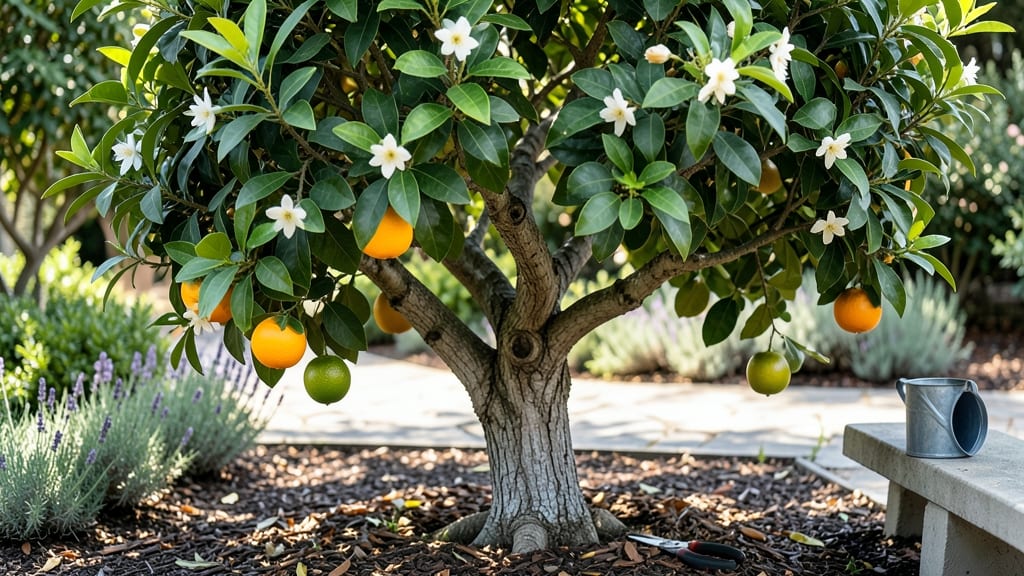
Navigating the orange tree growing season in the Pacific Northwest means solving a frost-resistant bloom puzzle—because most citrus trees think we live in a freezer, not a garden. 🌱 The secret isn’t forcing nature but choosing the right varieties and timing everything just right, so your tree can flower, fruit, and survive winters that would kill a standard orange tree in a single night.
Here’s the game-changer: plant in late spring after the last frost when soil temps hit 60°F, and pick cold-hardy varieties like ‘Improved Meyer’ or ‘Satsuma’—they’ll handle 20°F dips without throwing a fit.
Your tree will flower in early summer, and with protection (like a frost cloth or indoor move), those blossoms turn into oranges by fall harvest.
The key is patience—it takes 3-5 years for a container-grown tree to bear fruit, but once it does, you’ll have bright, sweet oranges that taste nothing like store-bought.
Seasonal care is all about warmth and shelter. In summer, keep it in full sun with well-draining soil (think 60% potting mix, 30% perlite, 10% compost).
When temps drop below 32°F, move potted trees indoors near a sunny window or wrap the trunk in bubble wrap to protect tender bark.
Prune in late winter to open the canopy for airflow, and fertilize lightly in spring and summer—no heavy feeding, or you’ll get leaves instead of fruit.
This method works for Zone 7-9 gardeners, whether you’re in Seattle’s rainy climate or a Mediterranean-inspired backyard. The only real mistake?
Giving up too soon—orange trees in cold climates are stubborn survivors, and with the right timing, you’ll end up with a tiny citrus grove that outperforms any nursery-bought fruit. Ready to try?
📚 In This Guide
- What you need
- Instructions
- Tips and common mistakes
- Wrapping up and next steps
What you need
- ● Orange Tree Seedling or Bare-Root Plant: Choose a Citrus × citrofortunella microcarpa (calamondin) or Citrus × tangerine hybrid (more frost-tolerant).
- ● Size: 1–3 gallon container-grown or 12–18" bare-root.
- ● Container: Minimum 15-gallon pot (20+ gallons for mature trees).
- ● Material: Fiberglass, plastic, or unglazed ceramic (avoid terracotta—it dries too fast).
- ● Drainage: 4+ drainage holes (critical for PNW’s wet winters!).
- ● Well-Draining Potting Mix: 50% cactus/succulent mix (for aeration).
- ● 30% peat-free compost (or coconut coir).
- ● 20% perlite or pumice (prevents root rot).
- ● Fertilizer: Balanced citrus-specific fertilizer (e.g., 6-6-6 or 8-3-9).
- ● Slow-release granules or liquid feed (diluted to half-strength).
- ● Tools: Trowel or small shovel.
- ● Pruning shears (sterilized with rubbing alcohol).
- ● pH test kit (ideal range: 6.0–7.0).
- ● Mulch: Pine bark or straw (2–3" layer to insulate roots in winter).
- ● Grow Lights: LED full-spectrum bulbs (12–14 hrs/day in winter for indoor/early-season growth).
- ● Root Stimulator: Mycorrhizal fungi or seaweed extract (boosts cold tolerance).
- ● Frost Cloth: Floating row cover (for sub-25°F nights—remove during the day!).
- ● Humidity Tray: Pebble tray + water (mimics tropical conditions).
Step-by-step guide for Pacific Northwest orange tree bloom management
Here’s how to navigate your citrus tree’s delicate growing cycle when winter chill threatens.
🌱 Step 1: Time Your Planting for Frost-Resistant Growth
Citrus thrives in USDA Zone 9-11, but Pacific Northwest growers must choose cold-hardy varieties like 'Trifoliate' or 'Improved Meyer' hybrids. Plant in early spring (March-April) after the last frost date—waiting too long risks immature roots struggling with fall chills. I’ve found that container-grown trees (even 5-gallon pots) offer flexibility to move indoors before 28°F temperatures.
Amend native soil with 2-3 inches of compost and a balanced 10-10-10 fertilizer at planting to boost root vigor. The goal is establishing a strong canopy before winter’s first freeze. Watch for new leaf flush—this signals the roots have anchored well enough to handle seasonal stress.
☀️ Step 2: Manage Light During Short Winter Days
Pacific Northwest winters deliver only 6-8 hours of sunlight, but citrus demands full sun (6+ hours) for blooming. Supplement with a 250-watt LED grow light positioned 12 inches above the tree for 14 hours daily. I’ve seen trees drop buds without adequate light—don’t skip this step, even if your tree looks healthy.
Rotate the pot quarter-turn weekly to prevent lopsided growth toward the window. You’ll notice leggy stems if light’s insufficient—this is your cue to adjust height or duration. Keep leaves dust-free by wiping with a damp cloth every 2 weeks to maximize photosynthesis.
🌿 Step 3: Protect During Critical Bloom Stages
Orange trees bloom in late winter (February-March), when buds form after 60+ days of consistent temperatures above 60°F. Cover the tree with frost cloth when nighttime temps drop below 32°F, securing edges tightly to prevent wind damage. I’ve lost entire harvests when cloth fluttered loose—stake it down like a tent.
Water deeply but infrequently—once every 10-14 days—to avoid soggy roots. The soil should feel dry 2 inches down before watering again. Overwatering in winter stresses the tree just as much as cold does. Watch for wilting leaves in the morning; this signals overnight moisture stress.
✂️ Step 4: Prune for Airflow and Fruit Set
After the last frost, prune sparse branches to improve airflow—citrus hates humidity. Use sterilized shears to make 45-degree cuts just above outward-facing buds. I remove crossing branches first, then thin to 6-8 main scaffold branches for structural strength. This encourages larger, more accessible fruit come harvest.
Apply citrus-specific fertilizer (high in nitrogen early season, potassium later) when new growth appears. You’ll see pinkish flower buds form in 4-6 weeks—this is your confirmation that pruning worked. Avoid heavy pruning after June; new growth won’t harden before winter.
⏰ Step 5: Prepare for Dormancy and Next Year’s Growth
By November, reduce watering to every 3 weeks and stop fertilizing entirely. Citrus enters light dormancy in cooler months—don’t panic if growth slows. Move potted trees to a garage or unheated shed (above 25°F) if frost is forecasted. I’ve kept trees alive through 15°F dips this way, though fruit may drop.
Inspect for scale insects or aphids on undersides of leaves—treat with neem oil spray if found. Store pruned branches in a paper bag in the fridge for 2 weeks to propagate cuttings next spring. Your tree’s winter care now determines next year’s bloom abundance and fruit quality.
Tips & tricks for perfect Pacific Northwest orange tree bloom management
Between us, the Pacific Northwest's unpredictable climate can make citrus care a real challenge—but these insights will help you navigate the growing season like a pro.
Variety Selection: While 'Trifoliate' and 'Improved Meyer' hybrids are your best bets for cold tolerance, don't overlook 'Satsuma' mandarins which can handle brief dips to 20°F without protection. I've found that grafted trees (where cold-hardy rootstock meets a sweeter top variety) offer the best compromise between flavor and frost resistance. The key is matching your variety to your specific microclimate—some urban areas might get away with slightly less cold-hardy types than rural spots.
Light Management Strategy: That 14 hours of supplemental light is non-negotiable, but here's what I've learned about execution: Position your grow light 12 inches above the tree's tallest point, not the pot rim—this prevents uneven growth. I've had success with a timer-controlled light that automatically adjusts based on natural daylight hours. Watch for leaves stretching toward the light source; if you see this after just a few days, you need to either raise the light or increase the duration slightly. The goal is full sun equivalent, not just extra light.
Frost Protection Insights: When nighttime temps approach 32°F, I recommend covering your tree with frost cloth at dusk and removing it by 10am—this gives the tree time to acclimate to daytime temperatures. For extra protection, I've used a small space heater (safely positioned) under the frost cloth on the coldest nights. The critical window is those 60+ days above 60°F before bloom—if your tree misses this, buds may fail to set properly, and you'll see them drop without opening.
Pruning Precision: Those 45-degree cuts are important, but here's the part nobody tells you: Always prune on a dry, sunny day to minimize stress on the tree. I sterilize my shears with rubbing alcohol between cuts to prevent disease spread. When thinning to 6-8 main scaffold branches, prioritize branches that are evenly spaced around the trunk—this creates that perfect dome shape that catches sunlight efficiently. And remember, the 4-6 week window for seeing pinkish flower buds is your reward for proper pruning timing.
Pro Tips for Orange Tree Growing Season
- Between us, the Pacific Northwest's unpredictable climate can make citrus care a real challenge—but these insights will help you navigate the growing season like a pro.
- Variety Selection: While 'Trifoliate' and 'Improved Meyer' hybrids are your best bets for cold tolerance, don't overlook 'Satsuma' mandarins which can handle brief dips to 20°F without protection.
- I've had success with a timer-controlled light that automatically adjusts based on natural daylight hours.
Frequently asked questions
Got questions about nurturing your orange tree through the Pacific Northwest’s unique growing season? You’re not alone! Here are answers to the most common concerns—from frost prep to harvest timing—so you can keep your citrus thriving.
When is the best time to plant an orange tree in the PNW?
Plant in early spring (March–April) or late fall (October–November) to avoid frost. Young trees need time to establish roots before winter. If planting in containers, use frost-resistant varieties like ‘Pineapple’ or ‘Satsuma’ and move them indoors (or to a sheltered spot) when temps drop below 20°F (-7°C).
How long does it take for an orange tree to bear fruit in the PNW?
Most citrus trees take 3–5 years to bear fruit, but PNW’s cooler climate can extend this to 5–7 years. Dwarf varieties (like ‘Calamondin’) may fruit sooner. Patience is key—focus on consistent care (water, sunlight, and frost protection) to speed up the process.
What’s the best way to protect my orange tree from PNW frost?
Use a combination of methods:
- Row covers or frost cloth for young trees (remove during the day to avoid overheating).
- Mulch the base with straw or wood chips to insulate roots.
- Move container trees to a garage or sunroom when frost is forecasted.
- Wrap the trunk with bubble wrap or tree guards for extra protection.
Why aren’t my orange tree’s blossoms turning into fruit?
Common culprits in the PNW include:
- Frost damage to flowers (below 30°F (-1°C) can kill blooms).
- Insufficient sunlight (6+ hours daily) or nutrients (use citrus-specific fertilizer in spring).
- Overwatering (root rot) or underwatering (stress). Aim for 1–1.5 inches of water weekly.
- Young trees may need 1–2 more years to mature.
Can I grow an orange tree in a container in the PNW?
Choose a dwarf variety (like ‘Improved Meyer’) and a large pot (15+ gallons) with drainage holes. Use a well-draining mix (cactus soil + perlite) and repot every 2–3 years. In winter, move containers indoors or to a protected patio (above 40°F/4°C). Just ensure they get full sun during the growing season!
Wrapping up and next steps
Growing an orange tree in the Pacific Northwest’s unique climate is absolutely doable—especially with frost-resistant varieties like Citrus × aurantium or Poncirus trifoliata! 🌱 By understanding your region’s growing season (late spring to early fall), providing the right care, and protecting your tree from cold snaps, you’ll be rewarded with fragrant blooms and sweet fruit.
Remember, patience and consistency are key—your citrus tree will thrive with time and attention.
Now that you’re armed with the knowledge, why not take the next step? Start by selecting your frost-resistant variety, prepping your container or garden spot, and planting before the first frost. Your future harvest is just a season away! 🍊✨