
Pruning
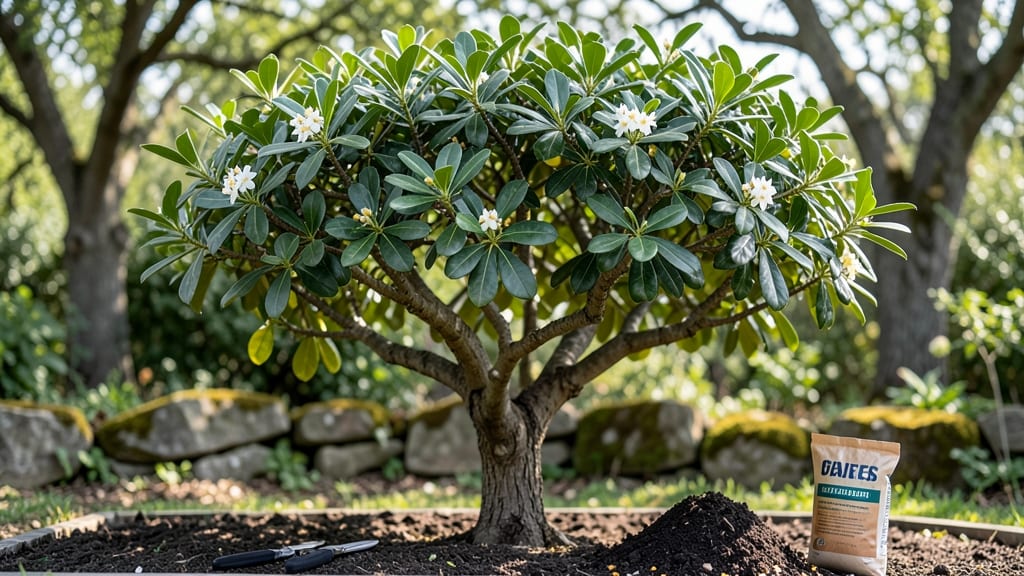
Growing a Poncirus trifoliata tree in the Pacific Northwest means you can finally enjoy citrus without summer heat or winter die-offs. 🌱 This tiny, thorny evergreen packs a punch with its cold-hardy nature and fragrant white flowers—plus, those bright orange fruits are perfect for marmalade or bird feeders.
The secret to success? Matching its Mediterranean roots to your climate’s quirks.
Start with well-draining soil and a sunny spot—even full shade works if you’re in Seattle or Portland. Water deeply but infrequently, since this tree hates soggy feet, and prune in late winter to shape it before new growth begins.
The thorns might seem intimidating, but they’re nature’s built-in pest deterrent, leaving you with fewer worries about aphids or mites.
By summer, you’ll have a tree covered in glossy leaves and clusters of tiny, tart oranges—great for cooking or leaving for wildlife. The best part? It thrives where most citrus fails, giving you a taste of the Mediterranean right in your yard. Ready to grow one that outlasts the weather?
Whether you’re planting from seed or a nursery sapling, this tree adapts to containers or in-ground spots. Just avoid heavy clay soils, and you’re set for years of citrus joy. Let’s get your Poncirus growing strong!
📚 In This Guide
- What you need
- Instructions
- Tips and common mistakes
- Wrapping up and next steps
What you need
- ● Pruning shears: Bypass pruners (sharp, clean, and disinfected to prevent disease). Recommended: Felco F-2 or similar (for cuts up to ½ inch thick).
- ● Loppers: For thicker branches (½–1.5 inches). Example: Corona 44007 (extendable for height).
- ● Pruning saw: For stubborn, large branches (>1.5 inches). Tip: Choose a bow saw or pruning saw with a fine-tooth blade.
- ● Gloves: Heavy-duty gardening gloves (cut-resistant, like Filson or Tough Outdoors) to protect hands from thorns.
- ● Disinfectant: 70% isopropyl alcohol or a 10% bleach solution (1 part bleach to 9 parts water) to sterilize tools between cuts.
- ● Rubbing alcohol or hand sanitizer: For quick clean-up after handling thorny branches.
- ○ Pruning sealant: Optional but helpful for sealing large cuts (e.g., Tanglefoot Tree Wound Pruning Seal).
- ● Ladder or stool: If your tree is taller than 6 feet (ensure it’s stable and non-slip!).
- ● Trash bags or bucket: For collecting pruned branches and debris.
- ● Timing: Prune during late winter or early spring (before new growth starts) or summer (after fruiting). Avoid pruning in fall or winter in cold climates (like the PNW) to prevent frost damage.
- ● Weather check: Choose a dry, calm day (rain or wind can spread disease or make cuts messy).
- ● Safety gear: Safety glasses (to shield from debris) and long sleeves/pants (to avoid thorns).
- ● Tree health assessment: Inspect the tree for diseased or dead branches before starting—these should be removed first!
- ● Sharpener: A file or sharpening stone to maintain tool sharpness mid-pruning.
- ● 🔥 Thorny warning: Poncirus trifoliata has sharp thorns—wear gloves and avoid reaching blindly!
- ● 🌡️ Cold-hardy advantage: These trees thrive in USDA zones 5–9, but prune after the last frost to encourage robust growth.
- ● ✨ Shape with purpose: Use pruning to open the canopy for sunlight penetration and remove crossing branches to improve airflow.
How to plant and care for a Poncirus trifoliata tree in cold climates
This tough little citrus thrives where others freeze—here's how to grow one successfully.
🪴 Step 1: Select the Perfect Planting Spot
Find a location with full sun exposure for at least 6 hours daily. The Poncirus handles cold better than most citrus, but it still needs warmth to fruit well. In the Pacific Northwest, a south-facing wall or protected microclimate works best—think near a brick wall or under the eaves of your house where winter winds can't reach.
Dig a hole twice as wide as the root ball but only as deep. The top of the root ball should sit 1 inch above ground level—this prevents water from pooling around the trunk. I always loosen the sides of the hole with my shovel so roots can spread easily into the surrounding soil.
🌱 Step 2: Plant with Proper Soil and Support
Amend the native soil with 3 inches of compost mixed into the bottom of the hole. Poncirus prefers well-draining soil but tolerates a range of conditions—just avoid heavy clay that stays soggy. If your soil is compacted, add a 5-gallon bucket of coarse sand to improve drainage.
Place the tree gently into the hole and backfill with native soil, tamping lightly as you go. Water deeply to settle the soil around roots. Here's the thing—this tree grows slowly at first, so I stake it immediately with a 4-foot wooden stake tied loosely to the trunk. Too-tight ties will girdle the bark as it grows.
☀️ Step 3: Water and Fertilize for First-Year Establishment
Water deeply once a week during the first growing season, checking that moisture reaches 12 inches down. Overwatering is the biggest mistake—let the top 2 inches of soil dry out between waterings. In winter, reduce watering to every 3-4 weeks unless we have an unusually dry spell.
Feed with a balanced citrus fertilizer (6-6-6) in early spring and again in mid-summer. I use about ½ pound per tree spread evenly around the root zone. Avoid high-nitrogen fertilizers—they promote leafy growth at the expense of fruit production, and this tree's real magic is in those fragrant, tart oranges.
✂️ Step 4: Prune for Shape and Winter Protection
Prune in late winter before buds swell to remove dead or crossing branches. The Poncirus naturally grows into a dense, multi-trunked shrub, but I thin out the center to improve airflow. Cut back any branches that grew too leggy over winter—this encourages bushier growth next season.
In zones colder than 15°F, wrap the trunk with burlap or tree guard after the first hard frost. I've seen these trees survive -15°F with proper protection, but young specimens need extra care. Mulch the base with 3 inches of wood chips to insulate roots—just keep mulch 6 inches away from the trunk to prevent rot.
🍊 Step 5: Harvest and Overwinter for Next Year's Fruit
Fruit typically ripens in late fall to early winter—wait until it turns deep orange and feels slightly soft when gently squeezed. The flavor is intensely tart but perfect for marmalade or preserves. I leave a few fruits on the tree through winter as natural mulch, then remove them in early spring before new growth starts.
Here's what I do in late winter: Scratch the soil surface around the base with a rake to aerate it. This helps roots breathe and prepares the tree for another season of growth. If you notice any leaf spots or scale insects on last year's growth, treat with neem oil spray before buds break—prevention is easier than cure with these delicate citrus trees.
Tips & tricks for perfect Poncirus trifoliata tree care
These practical insights will help you coax the most from your hardy citrus—especially in challenging climates.
Sun Exposure Secret: While the Poncirus handles cold better than most citrus, those 6 hours of daily sun in Step 1 are non-negotiable for fruit production. In cloudy Pacific Northwest winters, supplement with a grow light for 4-6 hours if you notice weak growth. I've seen trees in Seattle produce twice as many fruits when given this extra light boost during short winter days.
Soil Preparation Payoff: The 3 inches of compost you mix in Step 2 isn't just filler—it's the foundation for nutrient-rich soil. For even better drainage in heavy clay soils, I add an extra 2-gallon bucket of coarse sand mixed with the compost. This prevents root rot while maintaining moisture retention during our dry summers. The key is to work it into the bottom third of the hole where roots will establish first.
Watering Wisdom: That "deeply once a week" guideline in Step 3 means using a long trowel to check moisture at 12 inches down—don't just poke the surface! I've ruined several trees by overwatering in the first year. For a quick test, grab a handful of soil: if it crumbles easily when dry, it's time to water. If it sticks together, wait another day. In winter, I reduce to every 3-4 weeks unless we have a prolonged dry spell below 32°F.
Winter Protection Hacks: When wrapping trunks below 15°F in Step 4, use burlap or tree guard—but don't wrap it too tightly. I've seen trees suffocate from excessive wrapping. Leave about 2 inches of space around the trunk and secure with soft twine. For extra insulation, add a layer of straw around the base after mulching with wood chips. This double protection has helped my trees survive down to -18°F without damage.
Pro Tips for Poncirus Trifoliata Tree
- These practical insights will help you coax the most from your hardy citrus—especially in challenging climates.
- Sun Exposure Secret: While the Poncirus handles cold better than most citrus, those 6 hours of daily sun in Step 1 are non-negotiable for fruit production.
- Soil Preparation Payoff: The 3 inches of compost you mix in Step 2 isn't just filler—it's the foundation for nutrient-rich soil.
Frequently asked questions
Got questions about growing and caring for your Poncirus trifoliata tree? You’re not alone! Here are some of the most common queries from gardeners in the Pacific Northwest and beyond—plus straightforward answers to help you keep your citrus gem thriving.
How cold-hardy is the Poncirus trifoliata tree, really?
The Poncirus trifoliata (also called the trifoliate orange) is one of the toughest citrus trees out there, surviving temperatures as low as -15°F to -20°F (-26°C to -29°C) with proper care. In the PNW, it’s a standout for winter resilience! Just protect young trees with mulch or burlap wraps in extreme cold snaps.
When is the best time to prune a Poncirus trifoliata?
Prune your Poncirus trifoliata in late winter or early spring (before new growth starts) to shape it and encourage fruit production. Avoid heavy pruning in fall—it can stimulate tender new growth that won’t survive winter. Light cleanup pruning (removing dead or diseased branches) can happen anytime.
Will my Poncirus trifoliata produce edible fruit?
Yes! While the fruit is extremely tart and seedy (not ideal for fresh eating), it’s perfect for marmalade, jellies, or preserves. Some gardeners also use it for citrus-infused liqueurs. If you’re growing it for aesthetics or cold-hardy citrus, the fruit is a fun bonus—but don’t expect oranges!
What pests or diseases should I watch for with a Poncirus trifoliata?
Common issues include:
- Scale insects: Watch for sticky residue on leaves (honeydew). Treat with horticultural oil.
- Citrus leaf miner: Causes white squiggly trails on leaves. Prune affected areas and use row covers.
- Fungal diseases (like anthracnose): Improve airflow with pruning and avoid overhead watering.
PNW’s cooler climate reduces some citrus pests, but vigilance is key!
Can I grow a Poncirus trifoliata in a container?
This tree thrives in 15- to 20-gallon containers with well-draining soil. Use a mix of potting soil and sand/perlite, and ensure the pot has drainage holes. Move it indoors (or to a sheltered spot) if temps drop below 10°F (-12°C). Just be ready to prune more frequently to control size.
Wrapping up and next steps
The Poncirus trifoliata is a resilient, cold-hardy citrus treasure that thrives in the Pacific Northwest’s unique climate—perfect for gardeners who love bold flavors and low-maintenance beauty! 🌿 With the right pruning techniques, you’ll ensure vibrant growth, bountiful fruit, and a tree that stands the test of time.
Whether you’re trimming for shape, health, or harvest, your efforts will reward you with a stunning focal point and delicious trifoliate oranges.
Ready to transform your garden? Start small—pick one pruning session this season and observe how your Poncirus trifoliata responds. Over time, you’ll build confidence and create a thriving citrus oasis that even winter can’t touch! 🍊✨