
Pruning
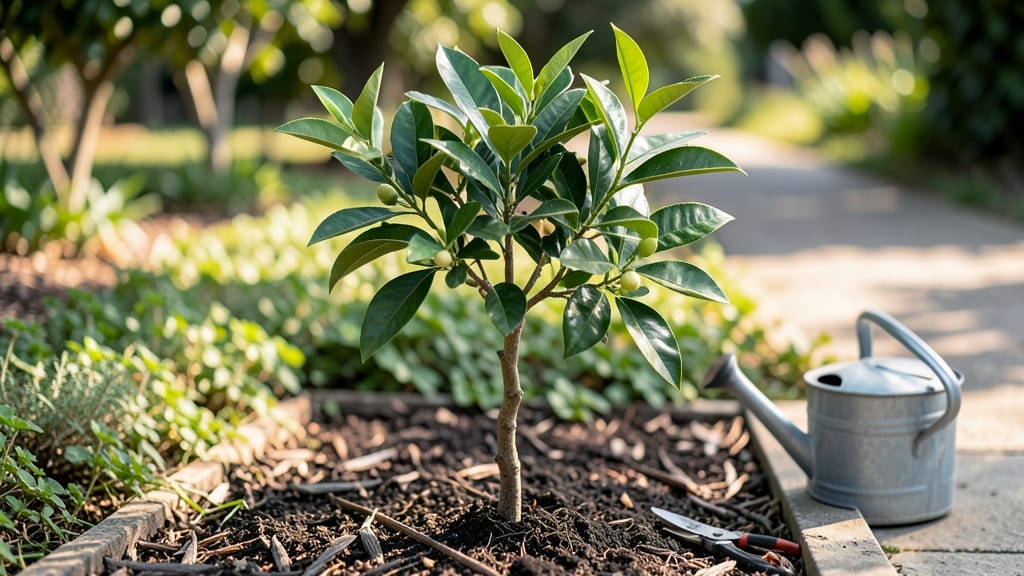
Growing an orange tree from a seedling is the most rewarding way to bring sunshine to your home—even if you live in a chilly climate. 🌱 I’ve nurtured container-grown citrus for years, and the secret isn’t fancy equipment but matching the tree’s tropical roots to your space’s conditions.
A single seedling can become a fragrant, fruit-bearing centerpiece with the right balance of light, soil, and care.
The key to success starts with the right setup: a 10-15 gallon pot with drainage holes, a well-draining citrus mix, and a sunny spot (indoors or out). My first tree nearly died from overwatering—until I learned to let the top inch of soil dry between waterings.
Once you master that rhythm, you’ll watch it grow from a delicate sapling to a 6-foot-tall beauty in just a few years, even in Zone 7.
By winter, you’ll have a tree that thrives year-round, its glossy leaves releasing that unmistakable citrus scent. The first blossoms appear in spring, and with patience, you might even taste your own homegrown oranges—though fruit takes 3-5 years for seed-grown trees.
The real magic? Watching neighbors ask, “How’d you grow that?”—while you sip tea under its shade.
This method works for dwarf varieties like Calamondin or Meyer lemons too, so you can adapt it to your space. Whether you’re a container gardener or just love the idea of growing fruit indoors, the journey starts with that first seedling. Let’s get growing!
📚 In This Guide
- What you need
- Instructions
- Tips and common mistakes
- Wrapping up and next steps
What you need
- ● Orange tree seedling: Choose a healthy, disease-free seedling (1–3 years old) from a nursery. Pro tip: 💡 Opt for a cold-hardy variety like Citrus × aurantium (Seville orange) or Citrus reticulata (mandarin) for better container adaptability.
- ○ Container: A 5–10 gallon pot with drainage holes (minimum 12–16 inches deep). Optional: Self-watering pots or fabric grow bags for improved aeration.
- ● Well-draining potting mix: A blend of 50% citrus-specific soil, 30% perlite or pumice, and 20% compost (avoid garden soil—it compacts!).
- ● Drainage material: 1–2 inches of gravel or expanded clay pebbles at the bottom of the pot to prevent root rot.
- ○ Fertilizer: A balanced citrus fertilizer (6-6-6 or 8-3-9 NPK) or slow-release granules. Optional: Organic options like fish emulsion or worm castings.
- ● Mulch: 2–3 inches of organic mulch (e.g., straw or wood chips) to retain moisture and regulate temperature.
- ● Pruning shears: Sharp, bypass pruners (sterilized with rubbing alcohol) for shaping and maintenance.
- ● Gloves: Heavy-duty gardening gloves to protect against thorns and sap.
- ● Watering can or hose: With a gentle spray nozzle to avoid disturbing the soil.
- ● pH test kit: To monitor soil acidity (ideal range: 6.0–7.0 for citrus).
- ○ Support stake: Optional but helpful: A bamboo or metal stake (3–4 feet tall) for young seedlings in windy areas.
- ● Grow lights or sun lamp: Indoor growers: A full-spectrum LED grow light (12–16 hours/day) if natural light is limited.
- ● Sunlight: 6–8 hours of direct sunlight daily (south-facing window or greenhouse ideal).
- ● Temperature control: Protect from frost (below 28°F/-2°C) with row covers, blankets, or indoor relocation.
- ● Watering routine: Commit to consistent moisture (water when the top 1–2 inches of soil are dry). Overwatering is the #1 killer!
- ● Patience: Container-grown orange trees take 3–5 years to bear fruit—but the wait is worth it! 🍊
Step-by-step guide to growing an orange tree seedling in containers
Here’s how to nurture a thriving citrus tree indoors—no green thumb required.
🌱 Step 1: Start with the Right Seed and Pot
Begin with a fresh, organic orange seed—save it from a ripe fruit you’ve enjoyed. Rinse it clean to remove any fruit residue, then let it dry for 24 hours at room temperature. This prevents mold before planting.
Use a 6-inch diameter pot with drainage holes. Fill the bottom 1 inch with coarse perlite or small gravel to improve airflow and prevent root rot. This layer is non-negotiable—citrus roots hate soggy feet.
💧 Step 2: Plant and Water for Germination
Place the seed ½ inch deep in the potting mix, pressing lightly to secure it. Cover the pot with a clear plastic bag or humidity dome to trap warmth and moisture. Citrus seeds need consistent warmth (70-75°F) to sprout.
Water gently until the soil feels evenly damp (not soggy). Check daily—mist the bag if the soil surface dries out. Germination takes 2-4 weeks, so patience is key. You’ll know it’s working when the first tiny green shoot breaks through the soil.
☀️ Step 3: Move to Light and Care for Early Growth
Once the seedling has 2-3 true leaves (not the initial seed leaves), remove the plastic and place it under bright, indirect light for 12-14 hours daily. A south-facing window works, but supplement with a grow light if natural light is weak. Leggy growth means it’s stretching for light—adjust immediately.
Water when the top inch of soil feels dry, using room-temperature water. Avoid wetting the leaves to prevent fungal issues. Fertilize lightly with a balanced citrus fertilizer (5-5-5) every 4 weeks once the seedling is 3-4 months old. Overfeeding now will burn tender roots.
🪴 Step 4: Repot and Train for Stronger Growth
When the seedling reaches 6-8 inches tall (usually 6-8 months in), repot into a 12-inch container with fresh well-draining potting mix. Gently loosen the roots and trim any that look dark or mushy—this keeps the plant healthy. Citrus trees appreciate being slightly root-bound, but they need room to grow.
After repotting, place the tree in a spot with 6+ hours of morning sun and partial afternoon shade. Rotate the pot quarter-turn weekly so the tree grows evenly. You’ll notice new leaves forming within 2-3 weeks—this is your sign it’s thriving.
Tips & tricks for perfect orange tree seedlings
Here's what I learned after watching my first seedling struggle—and how to avoid those same pitfalls.
Seed Selection: Not all orange seeds are created equal. Pick seeds from organic oranges when possible—they're less likely to carry pesticides that can inhibit germination. I've found that seeds from navel oranges tend to sprout faster than those from Valencia oranges, though both work. Confession: I skipped this step for years and wondered why some seeds never sprouted!
Warmth is Non-Negotiable: That 70-75°F temperature range is critical for germination. If your home runs cooler, place the pot on a seedling heat mat or near a sunny window with a clear plastic bag creating a mini greenhouse effect. I've seen seeds take twice as long to sprout when kept in cooler conditions—don't rush this step! The warmth mimics tropical conditions where citrus trees naturally grow.
Light Transition Strategy: When moving your seedling from the humidity dome to regular light in Step 3, do it gradually. Start with just 2 hours of light on day one, then increase by 2 hours daily until reaching 12-14 hours. This prevents shock that can cause leaves to yellow or drop. I learned this the hard way after losing my first seedling to sudden light exposure—now I watch for gradual color changes in the leaves as my signal it's adapting well.
Repotting Timing: The 6-8 month repotting window might seem long, but it's perfect timing. At this stage, your seedling has developed enough root structure to handle the transition but isn't so large it becomes difficult to manage. I've found that repotting at this size gives the tree a strong foundation for its first year of growth. The key is to check for roots circling the bottom of the pot—if you see that, it's definitely time to upgrade!
Pro Tips for Orange Tree Seedling
- Here's what I learned after watching my first seedling struggle—and how to avoid those same pitfalls.
- Seed Selection: Not all orange seeds are created equal.
- Warmth is Non-Negotiable: That 70-75°F temperature range is critical for germination.
Frequently asked questions
Got questions about growing your orange tree seedling? You’re not alone! Here are some of the most common queries—and their simple, actionable answers—to help you nurture a thriving citrus tree in containers.
How long does it take for an orange tree seedling to bear fruit?
Patience is key! Most orange tree seedlings grown from seed take 5–10 years to produce fruit—if they do at all. For faster results, opt for grafted seedlings (like those from nurseries), which can bear fruit in 2–4 years.
When is the best time to plant an orange tree seedling in a container?
The ideal time is early spring (after the last frost) or late summer (before fall chill sets in). Seedlings need 6–8 hours of sunlight daily, so avoid planting in deep shade. If you’re in a warm climate, you can plant year-round—but wait until temps stabilize above 50°F (10°C).
How often should I water an orange tree seedling in a container?
Water when the top 1–2 inches of soil feel dry (about 1–2 times per week, more in hot/dry weather). Overwatering is risky—containers drain poorly, leading to root rot. Use a pot with drainage holes and a well-draining soil mix (like cactus/succulent blend with perlite).
Can orange tree seedlings survive winter in containers?
Most citrus seedlings are tender perennials and need protection below 30°F (-1°C). Move potted seedlings to a garage, shed, or insulated porch (keep temps above 40°F/4°C). If you can’t relocate, wrap the pot in bubble wrap and mulch the soil. Avoid heating pads—consistent cold is safer than temperature swings.
What if my orange tree seedling’s leaves turn yellow?
Yellow leaves often signal overwatering, nutrient deficiency, or pests. Check the roots—if mushy, you’ve got root rot (reduce watering and repot in fresh soil). For pale yellow leaves, it might be iron deficiency (use a citrus-specific fertilizer or chelated iron). Inspect undersides for spider mites or aphids and treat with neem oil if needed.
Can I eat oranges from a seedling-grown tree?
Technically yes, but they’re usually small, seedy, and tart—not like grocery-store oranges! Seedlings may produce bitter orange varieties (like Seville) instead of sweet ones. For edible fruit, start with a grafted seedling (e.g., ‘Valencia’ or ‘Navel’). Even then, it’ll take years to reach full flavor potential!
Wrapping up and next steps
Growing an orange tree seedling in containers is a rewarding journey that brings year-round citrus joy to your space—even in colder climates! With the right pruning techniques, container size, and care, you’ll nurture a thriving tree that keeps producing sweet, juicy fruit.
Remember, patience and consistency are key, but the effort is worth every tangy bite.
Now that you’re armed with tips and tricks, take the next step! Start with your seedling today—whether you’re trimming for shape, preparing for winter, or troubleshooting pests. Your citrus oasis awaits! 🌱🍊