
Pruning
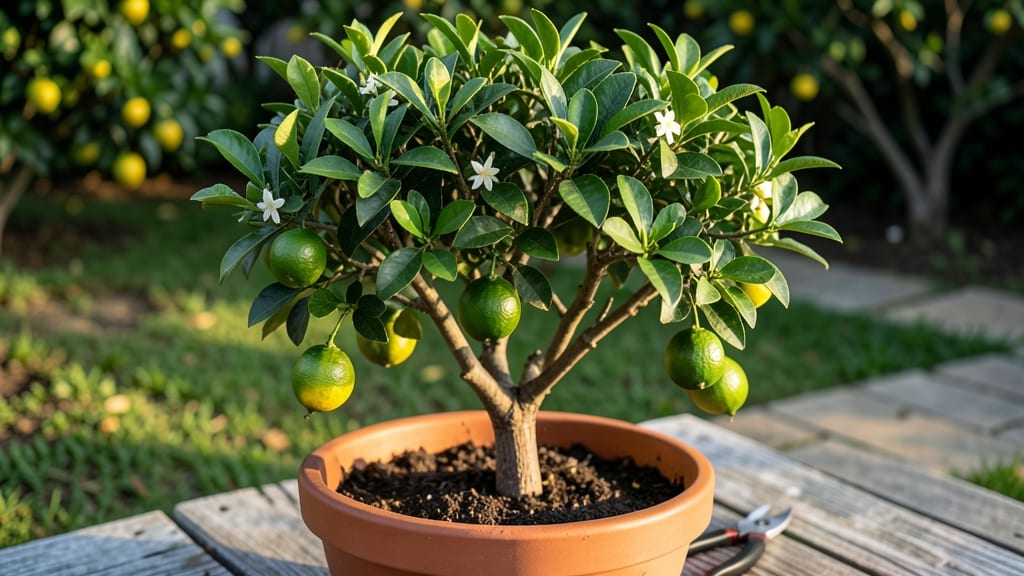
Growing a miniature lime tree transforms any sunny corner into a fragrant citrus paradise—no backyard required. 🌱 I’ve nurtured these tiny powerhouses for years, and they’ve never failed to deliver that intoxicating scent and occasional tart little limes, even on my apartment balcony.
The secret lies in their adaptability: dwarf varieties thrive in containers, making them perfect for small spaces or indoor growing.
You’ll need just a few key ingredients: a well-draining potting mix, a pot with drainage holes (at least 12 inches deep), and a spot with 6-8 hours of sunlight daily. Fertilizing monthly with citrus-specific food keeps them productive, while pruning in late winter ensures they stay compact and bushy.
The best part? These trees fruit reliably after just 2-3 years—earlier than full-sized limes.
Your reward will be glossy, dark-green foliage that smells like a Mediterranean breeze, plus the thrill of harvesting 1-inch limes straight from your windowsill. They’re also surprisingly low-maintenance once established, handling indoor dryness better than most houseplants. The only challenge? Resisting the urge to squeeze every lime before it ripens.
Whether you’re growing outdoors in warm climates or indoors under grow lights, these trees adapt beautifully. Just avoid overwatering—their roots hate soggy soil—and you’ll have a year-round citrus companion that’s easier to care for than most houseplants. Ready to bring a taste of summer inside?
📚 In This Guide
- What you need
- Instructions
- Tips and common mistakes
- Wrapping up and next steps
What you need
- ● Miniature lime tree sapling: Choose a dwarf variety like Citrus aurantifolia 'Meyer' (dwarf) or Citrus aurantifolia 'Improved Meyer' (available at nurseries or online citrus specialty stores).
- ● Container: A 5–10 gallon pot (or larger) with drainage holes. Terra cotta or fabric grow bags work well.
- ● Well-draining potting mix: A blend of 50% citrus-specific soil, 30% perlite or pumice, and 20% compost (avoid garden soil—it compacts!).
- ● Pruning tools: Sharp bypass pruners (for clean cuts).
- ● Sterilized hand pruners (for smaller branches).
- ○ Grafting knife (optional, for advanced pruning techniques).
- ● Fertilizer: Balanced citrus fertilizer (e.g., 6-6-6 or 8-3-9) for general growth.
- ● Citriculture-specific fertilizer (e.g., with micronutrients like iron and zinc) to prevent deficiencies.
- ● Mulch: Organic mulch (e.g., bark chips or straw) to retain moisture and regulate soil temperature.
- ○ Support stakes or trellis: Lightweight bamboo stakes or a small cage to support the tree as it grows (optional for dwarf varieties).
- ● Grow lights: Full-spectrum LED lights (12–16 hours/day) if indoors or in low-light conditions.
- ● Humidity tray: A pebble tray with water to boost humidity in dry climates.
- ● Soil moisture meter: To monitor water levels without over-saturating the roots.
- ● Citrus-specific pest control: Neem oil or insecticidal soap for aphids/mites.
- ● Citrus food supplements: Epsom salt (magnesium sulfate) or lime (calcium) to adjust soil pH if needed.
Step-by-step instructions for cultivating a thriving miniature lime tree
Here’s how to coax a lush, fruiting dwarf citrus tree from seed to harvest.
🌱 Step 1: Select and Prepare Your Seed
Start with a fresh, organic lime—avoid store-bought varieties treated with preservatives. Cut the fruit in half and scoop out the seeds, rinsing them gently to remove pulp. The key here is freshness: seeds lose viability within 2-3 weeks when dried out.
Place the seeds between damp paper towels in a sealed plastic bag. Store them in a warm spot (70-75°F) for 10-14 days, checking daily to ensure the towels stay moist but not soggy. You’ll know germination is imminent when the seed splits open—this is the moment that matters.
🪴 Step 2: Plant in Well-Draining Soil Mix
Use a sterile seed-starting mix blended with 20% perlite or coarse sand to ensure rapid drainage. Miniature lime trees despise soggy roots, which lead to root rot and stunted growth. Fill a 4-inch pot with the mix, leaving ½ inch of space at the top.
Plant the germinated seed ¼ inch deep, pressing lightly to secure it. Water gently until moisture seeps from the drainage hole, then place the pot in a warm, bright spot with indirect light. Avoid direct sun at this stage—young seedlings are sensitive to intense heat.
☀️ Step 3: Provide Ideal Light and Temperature
Once the seedling develops 2-3 true leaves (not just the initial cotyledons), move it to a south-facing window or under a grow light providing 12-14 hours of light daily. Miniature lime trees need full sun to thrive, but young plants can scorch if exposed too soon.
Maintain temperatures between 65-80°F—cooler drafts or sudden temperature swings will shock the plant. If your home dips below 60°F at night, consider a small space heater or heat mat to keep roots warm. Watch for leggy growth; this signals insufficient light.
💧 Step 4: Water and Fertilize for Healthy Growth
Water when the top inch of soil feels dry—overwatering is the fastest way to kill a miniature lime. Use room-temperature water to avoid shocking the roots, and always water at the base to prevent fungal spores from splashing onto leaves. Yellowing leaves often mean overwatering or poor drainage.
Start fertilizing with a balanced citrus fertilizer (10-10-10 or 8-3-9) once the plant has 4-6 leaves, applying every 4-6 weeks during the growing season. Reduce fertilization in winter when growth slows. Here’s the thing—citrus trees are heavy feeders but hate salt buildup, so always flush the soil with water after fertilizing.
✂️ Step 5: Prune and Train for Compact Growth
Prune in late winter or early spring to shape the tree and encourage branching. Use clean, sharp pruners to trim back ¼ inch above a leaf node—this prevents dieback and promotes new growth. Remove any dead, diseased, or crossing branches first; they compete for nutrients.
To keep your miniature lime tree compact, pinch off the tips of new growth when branches reach 6-8 inches. This encourages bushier growth and prevents the tree from becoming top-heavy. Real talk: Patience is key—dwarf varieties grow slowly, but consistent pruning pays off with a fuller, fruit-bearing canopy.
Tips & tricks for perfect miniature lime tree cultivation
These insider strategies will help you navigate the quirks of growing a thriving dwarf citrus tree from seed.
Germination Precision: The 10-14 day warm stratification period is your window for success. I've found that placing the sealed bag near a sunny window (but not in direct light) maintains that critical 70-75°F range without needing extra equipment. The moment you see that first white root emerge, it's time to plant—don't wait for the seed to fully split open, as that can signal over-moisture.
Soil Science: That 20% perlite mix isn't just for drainage—it creates tiny air pockets that prevent anaerobic conditions where root rot thrives. I recommend sifting the perlite into the soil mix rather than just mixing it in, which ensures even distribution. For the 4-inch pot, choose one with drainage holes larger than ⅛ inch—smaller holes can clog with fine soil particles over time.
Light Transition Strategy: When moving your seedling to full sun after developing 2-3 true leaves, do it gradually over 7-10 days. Start with morning sun only, then gradually extend exposure. I've seen seedlings go from healthy green to crispy brown overnight when moved too quickly—this gradual approach mimics natural acclimation. Watch for leaves that cup upward rather than lie flat; that's your signal to slow down the transition.
Fertilizer Timing: The 4-6 weeks between fertilizations might seem long, but citrus trees actually appreciate this rhythm. I've learned that applying fertilizer too frequently leads to salt buildup in the soil, which manifests as brown leaf tips. Always flush the soil with water after fertilizing—this simple step prevents more problems than most gardeners realize.
Pro Tips for Miniature Lime Tree
- These insider strategies will help you navigate the quirks of growing a thriving dwarf citrus tree from seed.
- Germination Precision: The 10-14 day warm stratification period is your window for success.
- Soil Science: That 20% perlite mix isn't just for drainage—it creates tiny air pockets that prevent anaerobic conditions where root rot thrives.
Frequently asked questions
Got questions about growing your own miniature lime tree?
You're not alone! Here are some of the most common queries—plus expert answers to help you nurture your tiny citrus powerhouse with confidence.
How big does a miniature lime tree actually get?
A true miniature lime tree (like the Citrus aurantifolia ‘Dwarf Mexican Lime’) typically tops out at 3–5 feet tall and wide when mature. However, with pruning and container limits, you can keep them even smaller—ideal for patios, balconies, or sunny windowsills! Regular trimming encourages bushier growth and prevents legginess.
When can I expect my miniature lime tree to bear fruit?
Patience is key! Most dwarf lime trees take 2–5 years to produce fruit, depending on care, sunlight (they need 6+ hours daily), and soil conditions. Pro tip: Use a citrus-specific fertilizer (high in nitrogen early, then balanced) to speed up fruiting. Bonus: Container-grown trees may fruit sooner than those in the ground!
Can I grow a miniature lime tree indoors year-round?
With the right setup, your lime tree can thrive indoors. Place it near a south- or west-facing window (or use grow lights for 12–14 hours/day). Watch for signs of overwatering (yellow leaves) or underwatering (drooping), and mist leaves weekly to mimic humidity. Warning: Avoid drafts (like AC vents) or sudden temperature drops below 50°F.
What’s the best container size for a miniature lime tree?
Start with a 5–7 gallon pot (18–24 inches wide) for young trees, then upgrade to 10–15 gallons as they mature. Ensure pots have drainage holes to prevent root rot. Material matters: Terracotta helps regulate moisture, while plastic retains warmth better in cooler climates. Repot every 2–3 years or when roots circle the pot.
Why are my lime tree’s leaves turning yellow?
Yellow leaves are usually a cry for help! Common causes include:
- Overwatering: Check soil moisture—it should be slightly dry between waterings.
- Underwatering: Deep water until it drains freely, then repeat in 1–2 weeks.
- Nutrient deficiency: Feed with a citrus fertilizer every 4–6 weeks.
- Pests: Inspect for scale or spider mites (wipe leaves with neem oil if needed).
If only new leaves are yellow, it’s likely a zinc or iron deficiency—try a chelated micronutrient spray.
Are there cold-hardy miniature lime varieties?
While lime trees are tropical at heart, some dwarf varieties tolerate brief cold snaps. The ‘Meyer Lime’ (a hybrid) can handle temps down to 20–25°F for short periods, but true limes (like Key or Persian) need protection below 30°F. For winter care:
Protective measures can extend your tree’s life through mild winters!
Wrapping up and next steps
Growing a miniature lime tree in containers is a rewarding way to enjoy fresh, homegrown citrus year-round—even in small spaces! 🌿 With the right care, pruning, and attention to sunlight and soil, you’ll harvest tangy limes that rival store-bought (and taste so much better).
Ready to take the next step?
Start by observing your tree’s growth—prune strategically in late winter or early spring, and don’t forget to protect it from frost if you’re in a cooler climate. Celebrate your progress! Every leaf, flower, and tiny lime is a win, and soon, you’ll be sharing your harvest with friends or sipping homemade limeade straight from your balcony.
Now, grab those pruners and keep nurturing that little citrus superstar—your future lime harvest awaits! 🍋✨