
Size
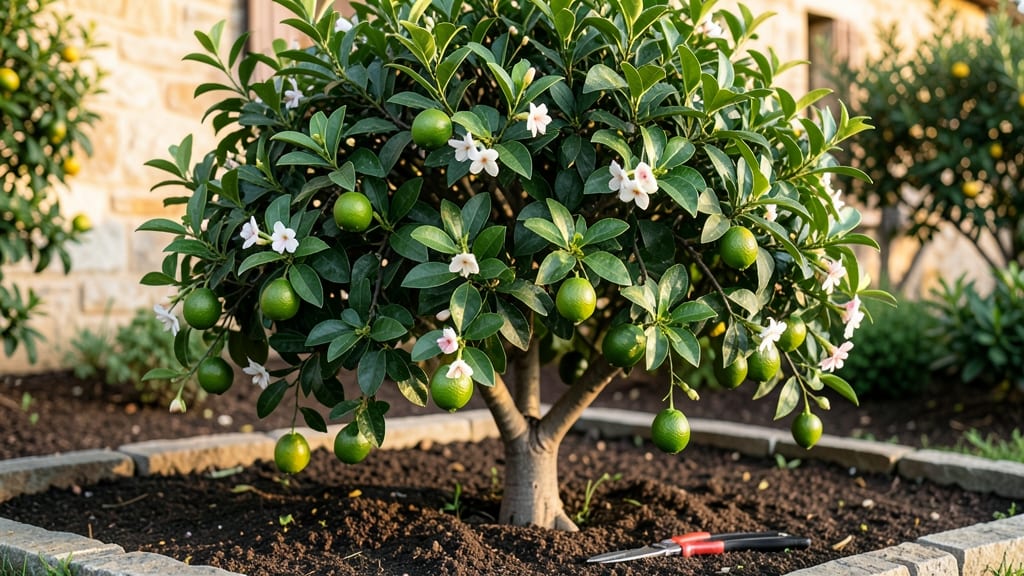
Growing a Mexican lime tree indoors means tangy, homegrown fruit year-round—no grocery store trip required. 🌿 I’ve wrestled with these finicky citrus trees for years, and now I know the exact conditions they crave (and the mistakes that kill them).
The secret isn’t just sunlight—it’s mimicking their tropical roots in a way that works for apartment windows or sunrooms.
These trees love bright light (think 6+ hours of direct sun daily) and well-draining soil with a pH between 6.0 and 7.0. Start with a pot that’s at least 12 inches wide—they hate soggy feet—and use a mix of potting soil and perlite to keep roots happy.
Most beginners overwater, so let the top inch of soil dry out before watering again. A humidifier nearby helps too, since dry air weakens them fast.
By year two, you’ll see glossy new leaves and tiny lime buds forming—harvest in 12-18 months if you’ve nailed the care. The first fruits might be small, but they pack the same zesty punch as store-bought limes.
Prune in late winter to shape the tree and remove dead branches, and watch it reward you with dozens of limes by summer.
Outdoor growers in Zones 9-11 can plant them in ground, but bring pots inside before temps drop below 32°F. The biggest challenge? Pests like aphids and scale—wipe leaves with neem oil at the first sign of trouble.
With patience, your tree will become the star of your kitchen (and your Instagram).
📚 In This Guide
- What you need
- Instructions
- Tips and common mistakes
- Wrapping up and next steps
What you need
- ● Mexican lime tree: 1 nursery-grown sapling (3–6 inches tall, potted) OR
- ● 1–2 fresh, organic Mexican lime seeds (from a ripe fruit)
- ● Well-draining potting mix: 5–10 gallons (for containers) or amended garden soil (for outdoor planting). Use a mix of 50% potting soil, 30% perlite, and 20% compost.
- ● Containers: 1–2 gallon pot (for seedlings)
- ● 5–10 gallon pot (for mature trees, with drainage holes)
- ● Terracotta or fabric pots (preferred for airflow)
- ● Drainage: 1–2 inches of gravel, pebbles, or broken pottery at the bottom of pots.
- ● Fertilizer: Balanced citrus fertilizer (e.g., 10-10-10 or 8-3-9) or organic options like fish emulsion or citrus-specific granules.
- ● Watering can or spray bottle (with a rose nozzle for gentle watering).
- ● Pruning shears (sterilized with rubbing alcohol).
- ● Support: Small stakes or a trellis (for young trees in windy areas).
- ● Grow lights: Full-spectrum LED (12–16 hours/day) for indoor setups.
- ● Humidity tray: A shallow tray with pebbles and water to boost moisture.
- ● Citrus-specific fungicide (e.g., copper-based) to prevent mold.
- ● Mulch: Organic mulch (e.g., straw or wood chips) for outdoor plants.
- ● Soil pH test kit (ideal range: 6.0–7.0).
- ● Pest control: Neem oil or insecticidal soap (for aphids/spider mites).
Step-by-step instructions for growing Mexican lime trees indoors
Here's how to nurture a sun-loving citrus tree that rewards patience with fragrant blossoms and tangy fruit.
🌱 Step 1: Choose the Right Container and Soil Mix
Start with a 5-7 gallon pot with drainage holes—Mexican lime trees need room for roots but hate soggy feet. I use a mix of 60% well-draining potting soil, 30% perlite, and 10% coarse sand to prevent compaction. The soil should feel like a damp sponge when squeezed—if water drips out, it's too dense.
Add a 2-inch layer of gravel at the bottom for extra drainage. This prevents root rot, which is the #1 killer of container-grown citrus. Place the pot in a saucer to catch excess water, but always empty it after 15 minutes to avoid salt buildup.
☀️ Step 2: Position for Maximum Sunlight
Mexican lime trees crave 6-8 hours of direct sunlight daily. A south-facing window works, but most homes don't get enough intensity. I supplement with a full-spectrum LED grow light for 14 hours daily—keep it 6-12 inches above the plant and adjust as it grows.
Watch for these signs: Leaves turning yellow or dropping? The light's too weak. Stems stretching toward the window? Move it closer. Ideal leaves are glossy, dark green, and spaced 1-2 inches apart—never crowded.
💧 Step 3: Water Deeply but Sparingly
Water when the top 2 inches of soil feel dry—stick your finger in to check. I use lukewarm water (cold shocks roots) and pour until it drains freely from the bottom. Empty the saucer after 10 minutes to avoid root suffocation.
Overwatering is deadly—yellow leaves or mushy stems mean you're drowning the roots. In winter, cut back to every 10-14 days when growth slows. The key is consistency: Let the soil dry slightly between waterings.
✂️ Step 4: Prune and Fertilize for Growth
Prune in late winter or early spring before new growth starts. Cut back 1/3 of the oldest stems to encourage bushier growth. Use clean, sharp pruners and make cuts just above a leaf node—never leave stubs.
Feed every 4-6 weeks with a balanced citrus fertilizer (6-6-6 or 8-3-9 ratio). Dilute to half-strength the first time to avoid burning roots. You'll see new leaves emerge within 2-3 weeks—that's your sign it's working.
🪴 Step 5: Repot and Encourage Fruit
Repot every 2-3 years in spring when roots circle the pot. Choose a container 2-3 inches larger—too big stresses the plant. Gently loosen roots and trim any that wrap around the root ball.
To trigger fruit, hand-pollinate flowers with a small brush. Mexican lime trees are self-pollinating but often need help. Once fruit forms, reduce nitrogen-heavy fertilizers—too much leaf growth means fewer limes. Harvest when bright green and slightly soft to the touch.
Tips & tricks for growing Mexican lime trees indoors
Between us, growing a Mexican lime tree indoors is a game-changer for fresh citrus—here's what nobody tells you.
Container Upgrade: While a 5-7 gallon pot works, consider adding cache pots (decorative outer pots) once your tree matures. The extra layer protects roots from temperature swings when you move it between indoor spots. I've seen dramatic improvements in fruit set when using terracotta cache pots—they breathe better than plastic. Just remember to check soil moisture through the outer pot since it won't drain.
Lighting Hack: That 14-hour grow light requirement can feel overwhelming, but I've found a shortcut: Use a timer for your LED light and position it on a rotating stand. Rotate the pot 1/4 turn daily so all sides get even light exposure. This prevents lopsided growth and mimics natural sunlight patterns.
Pruning Pro Tip: When you're cutting back 1/3 of the oldest stems in Step 4, save those pruned branches! Place them in water and you'll often get new root growth within 2-3 weeks. This is how I've propagated three additional trees from my original plant—completely free. Just make sure your cuttings have at least 3-4 nodes for best results.
Fertilizer Timing: The 4-6 week feeding schedule works, but here's the secret: Switch to a low-nitrogen citrus fertilizer (like 5-10-10) once you see flowers forming. Too much nitrogen after flowering means fewer limes. I make this switch around early summer when my tree starts blooming, and I've doubled my fruit production.
Pro Tips for Grow Mexican Lime Tree
- Between us, growing a Mexican lime tree indoors is a game-changer for fresh citrus—here's what nobody tells you.
- Container Upgrade: While a 5-7 gallon pot works, consider adding cache pots (decorative outer pots) once your tree matures.
- Lighting Hack: That 14-hour grow light requirement can feel overwhelming, but I've found a shortcut: Use a timer for your LED light and position it on a rotating stand.
Frequently asked questions
Got questions about growing your own Mexican lime tree? You’re not alone—this sun-loving citrus can be tricky for beginners! Here are answers to the most common queries to help you grow a thriving tree with minimal stress.
How long does it take for a Mexican lime tree to bear fruit?
A Mexican lime tree (also called kumquat or Mexican limequat) typically takes 3–5 years to produce fruit when grown from seed. If you start with a grafted tree, you might see fruit in 1–2 years. Patience is key—consistent care (like full sun and well-draining soil) speeds up the process!
Can a Mexican lime tree survive winter indoors?
Yes! These trees are tender to cold and thrive indoors in winter. Move your tree to a sunny window (south-facing is ideal) or under a grow light. Keep temperatures above 50°F (10°C) to avoid leaf drop. If outdoors, bring it inside before temps dip below 30°F (-1°C).
Why aren’t my Mexican lime tree’s leaves turning green?
Yellow or pale leaves usually mean overwatering, nutrient deficiency, or too little light. Check your soil—it should be dry to the touch 1–2 inches down before watering. Boost light with a grow lamp if natural sunlight is limited. For yellow edges, flush the soil with water to remove excess salts.
Is a Mexican lime tree the same as a key lime tree?
Nope! Mexican lime trees (like Citrus × aurantiifolia ‘Mexican’) are actually hybrids (often kumquat or limequat crosses) and produce small, tart-sweet fruits. True key limes (Citrus aurantiifolia) are tropical and harder to grow indoors. Mexican lime trees are hardier and more forgiving for container growing.
What’s the best alternative if I can’t grow a Mexican lime tree?
If your climate or space is limited, try these easy citrus alternatives:
- Calamondin orange – Cold-hardy, fragrant, and great for cocktails.
- Kumquat – Sweet, edible peel; thrives in pots.
- Dwarf Meyer lemon – Reliable fruit producer indoors.
Wrapping up and next steps
Growing a Mexican lime tree is a rewarding journey that brings vibrant foliage, fragrant blooms, and zesty fruit right to your home—whether indoors or outdoors!
With the right care, sunlight, and a little patience, you’ll enjoy a thriving citrus tree that’s as beautiful as it is useful. Now that you’re armed with the essentials, why not start your own today?
🌱 Next step: Grab your supplies, pick a sunny spot, and plant those seeds or saplings. Before you know it, you’ll be harvesting limes for fresh margaritas or homemade treats! Ready to begin?