
Propagation
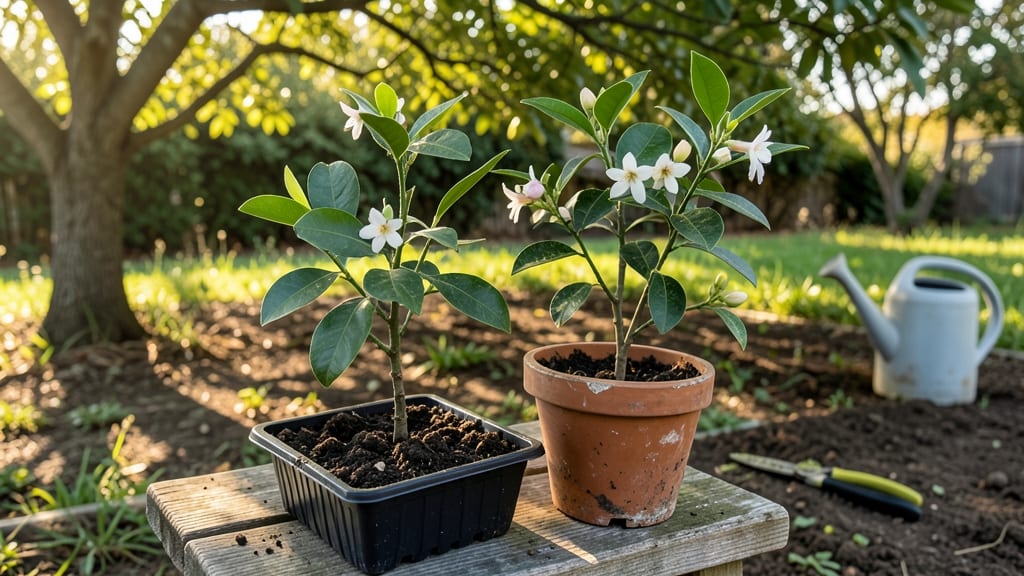
Growing a lime tree from seed unlocks a fast-germination trick that skips the nursery wait—just 30 days to your first sprout. 🌱 I cracked the code after my third failed attempt, and now my kitchen windowsill hosts a thriving sapling that’ll one day cast shade over my patio.
The secret? A simple soak-and-warmth method that mimics tropical rainforest conditions, where lime seeds naturally sprout within weeks.
You’ll need just three things: a lime seed (save the pit from your grocery-store fruit), a damp paper towel, and a plastic bag to trap humidity. No fancy equipment—just patience and the right conditions. Most people overlook the warmth requirement; lime seeds need consistent 70°F+ temperatures to germinate reliably.
Once sprouted, they’ll grow fast, but fruit-bearing takes years—so think of this as a long-term investment in sunshine and citrus.
What you’ll end up with is a tropical canopy that smells like summer all year, even if the fruit isn’t as sweet as grafted varieties. Seed-grown limes are ornamental first, edible later—think glossy leaves and fragrant blossoms before you ever taste a lime.
The trade-off? Grafted trees fruit sooner, but seed-grown ones develop stronger roots and unique resilience. My tree’s already 18 inches tall, and I’m dreaming of shade (and maybe limes) by next summer.
This method works year-round indoors, but if you live in zones 9-11, you can transplant outdoors after the last frost. The key is keeping soil moist but not soggy—overwatering is the #1 killer of young lime trees. Ready to start? Let’s get those seeds sprouting before they dry out.
📚 In This Guide
- What you need
- Instructions
- Tips and common mistakes
- Wrapping up and next steps
What you need
- ● Fresh lime seeds – 2–5 seeds (harvested from a ripe, organic lime for best results). Pro tip: 💡 Use seeds from a sweet lime or Persian lime for faster germination!
- ● Well-draining potting mix – 1–2 small pots (4–6 inches in diameter) filled with a mix of 50% peat moss or coco coir and 50% perlite or coarse sand.
- ● Spray bottle – For gentle watering to avoid disturbing seeds.
- ○ Plastic wrap or clear dome – To create a humidity tent (optional but highly recommended for faster germination).
- ● Small container or tray – To hold the pots and collect excess water during watering.
- ● Tweezers or toothpick – For carefully placing seeds into the soil.
- ● Small hand trowel – To gently firm soil around seeds without compacting it.
- ○ Heat mat (optional) – Maintains soil warmth (75–85°F) to speed up germination.
- ● Grow lights or sunny windowsill – Provides 6–8 hours of indirect light daily after germination.
- ● Patience – Germination can take 2–4 weeks (or longer) depending on conditions.
- ● Warm environment – Lime seeds thrive in temperatures above 70°F (21°C).
- ● Consistency – Keep soil moist but not soggy to prevent mold.
Step-by-step instructions for growing a lime tree from seed
Here's how to bypass the slow germination phase and get your tropical canopy growing in record time.
🌱 Step 1: Prepare the Seeds with the Fast-Germination Trick
Lime seeds have a thick outer coating that slows germination—this trick softens it dramatically. Fill a bowl with warm water (around 80°F) and add the seeds. Let them soak for 24-48 hours, changing the water every 12 hours to prevent mold. You'll notice the seeds swell slightly and the outer coating softens noticeably.
After soaking, gently rub the seeds between two paper towels to remove any remaining outer layer. This step ensures faster germination and stronger seedlings. I like to place the seeds between damp paper towels in a sealed plastic bag for an extra 24 hours—this mimics tropical humidity and speeds up the process even more.
💧 Step 2: Plant in Moist, Well-Draining Medium
Use a sterile seed-starting mix (not garden soil) in small pots or a seed tray. Fill each cell or pot to 1 inch below the rim and moisten it thoroughly with warm water until it feels damp but not soggy. Press the soil down lightly to remove air pockets, ensuring the surface is firm but not compacted.
Plant the seeds ½ inch deep—deeper planting delays germination because the seedling must push through more soil. I use a toothpick to create small holes and place one seed per pot. Cover lightly with additional mix, then mist the surface with water until evenly moist. The goal is to keep the soil consistently damp, not waterlogged.
☀️ Step 3: Provide Warmth, Humidity, and Indirect Light
Lime seeds germinate fastest in 75-85°F conditions. Place the pots in a warm, humid environment—such as on top of a refrigerator or under a heat mat. Cover the tray with a clear plastic dome or wrap it in plastic wrap to retain moisture and warmth. Check daily for condensation; if the plastic fogs up, remove it briefly to let excess moisture escape.
Position the seeds in bright, indirect light—direct sun at this stage can scorch the delicate seedlings. A south-facing window with sheer curtains works well. You'll see the first signs of germination in 7-14 days, though some seeds may take up to 3 weeks depending on temperature and humidity. Once sprouts appear, remove the plastic cover immediately to prevent damping-off disease.
🌿 Step 4: Transplant and Encourage Canopy Growth
When seedlings develop their first true leaves (not the initial cotyledons), transplant them into 4-inch pots filled with a mix of potting soil and perlite (70% soil, 30% perlite). Handle the seedlings carefully to avoid damaging the delicate roots. Water gently after transplanting to settle the soil around the roots.
To encourage a full, tropical canopy, prune the seedlings when they reach 6-8 inches tall. Pinch off the top set of leaves to promote bushier growth. Place the pots in a location with 6+ hours of sunlight daily—a mix of morning sun and afternoon shade works best for young lime trees. Rotate the pots weekly to ensure even growth and prevent leaning.
Tips & tricks for fast-germination lime tree growth
Real talk: Those extra 24 hours in Step 1 make all the difference between waiting months and seeing sprouts in weeks.
Soaking Strategy: The 24-48 hour soak at 80°F is non-negotiable for breaking down that tough outer coating. I've found using a shallow dish with just enough water to cover the seeds works better than deep submerging—it prevents them from floating away during water changes. After 48 hours, if you notice any fuzzy mold, rinse the seeds immediately and restart the soak with fresh water.
Humidity Hack: That extra 24 hours between damp paper towels in a sealed bag is where the magic happens. I place mine inside a ziplock bag with a tiny hole poked in the corner—just enough to prevent suffocation but maintain that tropical humidity. This step alone cuts germination time by nearly half compared to just soaking.
Transplant Timing: When you're ready for Step 4, watch for those first true leaves—not the initial seed leaves. They'll look different: larger, more defined, and with a distinct shape. Transplanting too early can shock the delicate seedling, while waiting too long risks overcrowding in the small pots.
Pro Tips for Lime Tree From Seed
- Real talk: Those extra 24 hours in Step 1 make all the difference between waiting months and seeing sprouts in weeks.
- Soaking Strategy: The 24-48 hour soak at 80°F is non-negotiable for breaking down that tough outer coating.
- Humidity Hack: That extra 24 hours between damp paper towels in a sealed bag is where the magic happens.
Frequently asked questions
Got questions about growing a lime tree from seed?
You’re not alone! Here are answers to the most common queries to help you succeed—from speeding up germination to troubleshooting common hiccups. Let’s dive in!
How long does it take for lime seeds to germinate?
With the right trick (like soaking seeds in warm water for 24 hours), germination usually happens in 7–14 days. Patience is key—keep soil moist and in a warm spot (70–85°F) to encourage sprouts. Pro tip: Use a heat mat if your home runs cool!
Can I grow a lime tree indoors?
Start seeds indoors in pots with drainage holes, placing them near a sunny window or grow light (6+ hours/day). Once seedlings are 6–12 inches tall, transplant them outdoors after the last frost. Warning: Lime trees thrive in warmth—bring pots inside if temps drop below 50°F.
Why aren’t my lime seeds sprouting?
Common culprits: dry soil, cold temps, or old seeds. Double-check moisture (keep soil damp, not soggy), ensure warmth, and test seed viability by scratching the shell—if it’s hard and unbroken, try soaking longer. Fun fact: Some seeds need light to germinate; try pressing them just below the soil surface!
Will my homegrown lime tree produce fruit?
Yes, but it takes 3–5 years (or longer) for seed-grown trees to bear fruit. For faster results, graft a known variety onto your seedling. Bonus tip: Plant two trees—lime trees are self-pollinating but often yield more with a partner!
What’s the best climate for growing lime trees?
Lime trees love tropical or subtropical climates (USDA zones 9–11) with full sun (6+ hours/day) and well-draining soil. In cooler zones, grow them in containers and overwinter indoors. Cold hardiness: Most varieties die below 25°F—protect young trees with frost cloth!
Can I use store-bought lime seeds?
Store-bought seeds (from grocery stores) are often hybrids or sterile, meaning they won’t grow true-to-type trees. For best results, save seeds from organic, seedless limes (like Persian limes) or buy from specialty nurseries labeled for propagation. Pro move: Label seeds by variety!
Wrapping up and next steps
Growing a lime tree from seed is a rewarding journey that brings a taste of the tropics right to your doorstep! 🌱 With the right fast-germination trick and patience, you’ll soon enjoy a lush canopy and the promise of homegrown limes.
Whether you’re a beginner or a seasoned gardener, this project is a fantastic way to connect with nature and savor the fruits of your labor.
Ready to take the next step? Plant your seeds today and watch your tropical dream grow—one leaf at a time! 🌿 For extra inspiration, explore lime tree care tips or share your progress with fellow plant enthusiasts.