
Pruning
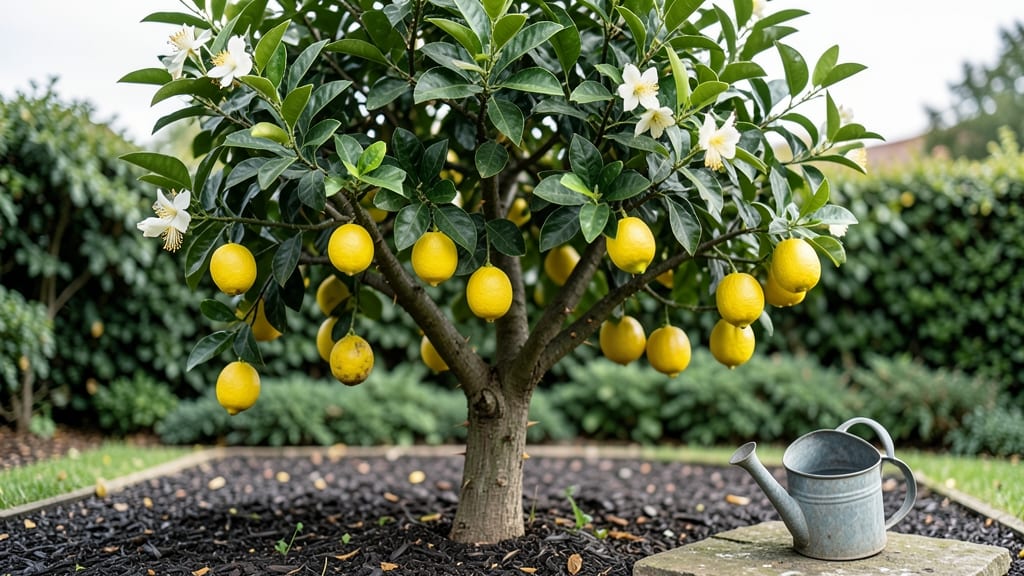
Pruning a thorny citrus tree transforms it from a tangled mess into a fruit-laden showstopper. 🌿 I’ve wrestled with Meyer lemons and Key limes that looked like porcupines—until I learned the right cuts.
The key isn’t just trimming branches; it’s shaping the tree to maximize sunlight, airflow, and those juicy rewards.
You’ll need sharp pruners, a ladder (for taller trees), and a 5-gallon bucket to collect clippings. Start in late winter when the tree’s dormant, then do light maintenance pruning every 4-6 weeks to keep thorns in check.
The goal? Open the canopy so fruit gets sunlight and air circulates—preventing mold and pests.
By summer, you’ll see the payoff: glossy new leaves, fewer thorns, and fruit that’s easier to reach. The tree stays compact, produces more, and looks like it belongs in a postcard.
Plus, those sharp thorns become less of a hazard as you train the tree to grow outward instead of inward.
Works for container-grown trees too—just scale the tools. Here’s how to start pruning like a pro, without turning your kitchen into a pincushion.
📚 In This Guide
- What you need
- Instructions
- Tips and common mistakes
- Wrapping up and next steps
What you need
- ● Pruning shears: Bypass pruners (for clean cuts on small branches, 4-6" blades, stainless steel or high-carbon steel).
- ● Loppers: Bypass or anvil type (for thicker branches, 8-12" cutting capacity).
- ● Pruning saw: Curved-tooth hand saw (for branches over 2" thick).
- ● Disinfectant: 70% isopropyl alcohol or bleach solution (1 part bleach to 9 parts water) (to sterilize tools between cuts).
- ● Gloves: Heavy-duty, thorn-proof gardening gloves (citrus thorns are sharp!).
- ● Rubbing alcohol or hand sanitizer: (for cleaning hands after handling thorns).
- ○ Pruning sealant: Optional but recommended for large cuts (e.g., tree wound dressing).
- ● Bucket or bag: (for collecting pruned branches and debris).
- ● Ladder or sturdy step stool: (if your tree is taller than 6 feet).
- ● Sharpie or permanent marker: (for marking branches to prune later).
- ● Extension pole pruners: (for high branches without a ladder).
- ● Citrus fertilizer: (to replenish nutrients after pruning).
- ● Mulch: (to protect roots and retain moisture post-pruning).
- ● Camera or phone: (to document your tree’s shape before/after pruning).
Step-by-step guide to pruning thorny citrus trees
Keep your citrus tree healthy and productive with these simple pruning techniques.
🌿 Step 1: Assess and Plan Your Pruning Schedule
Start by examining your tree in early spring, just as new growth begins. Look for dead, diseased, or crossing branches—these are your first targets. I always prune when the tree is actively growing; this helps it heal faster and encourages new fruit-bearing branches. Avoid heavy pruning in late summer or fall, as this can stress the tree before winter.
Use clean, sharp pruning shears to make cuts at a 45-degree angle, about ¼ inch above a leaf node or outward-facing bud. This encourages proper regrowth direction. If a branch is thicker than ½ inch, use a pruning saw instead. Remember, citrus trees can handle up to 25% of their canopy removed in one session without stress.
✂️ Step 2: Remove Problem Branches First
Start with dead, diseased, or damaged branches—they’re the easiest to spot. Snip them off at the base where they meet the trunk or larger branch. Next, tackle any branches that are rubbing against each other or growing inward. These compete for sunlight and nutrients, weakening the tree and reducing fruit production. I like to visualize the tree’s shape while working—imagine an open vase form with branches spaced evenly.
If you see branches growing straight up from the trunk (called "water sprouts"), remove them entirely. These suck energy from the tree and rarely produce fruit. For thicker branches, make your cut just outside the branch collar—the swollen area where the branch meets the trunk. This ensures the wound heals properly and reduces the risk of disease.
☀️ Step 3: Thin and Shape for Better Airflow and Fruit
Now focus on thinning out crowded areas to improve airflow and sunlight penetration. Aim to remove one-third of the smallest, least productive branches in each section. This encourages the remaining branches to grow stronger and bear more fruit. I usually step back every few minutes to check the tree’s balance—you want a natural, open shape that lets light reach all parts of the canopy.
For shaping, prioritize outward-facing branches over inward-growing ones. If a branch is too long, you can shorten it by cutting back to a leaf node or bud. Avoid "topping" the tree by cutting the main trunk—this creates weak, leggy growth. Instead, prune to encourage a fuller, bushier shape. After pruning, your tree should look like it has room to grow without overcrowding.
🪴 Step 4: Clean Up and Monitor for Recovery
Once you’ve finished pruning, clean up all debris from the ground beneath the tree. This prevents pests and diseases from taking hold. Sterilize your pruning tools with rubbing alcohol or a 10% bleach solution to avoid spreading pathogens. I also like to apply a thin layer of pruning sealant to larger cuts (over ½ inch in diameter) to speed up healing, though smaller cuts usually don’t need it.
After pruning, water the tree deeply to help it recover. Monitor it over the next few weeks for new growth—this is your sign that the tree is responding well. If you notice yellowing leaves or wilting, it might be stressed. In that case, reduce watering slightly and keep an eye out for pests. With proper care, your citrus tree should reward you with a bumper crop of fruit in the coming seasons.
Tips & tricks for pruning thorny citrus trees
Here's what nobody tells you about keeping your citrus tree thriving after pruning—these tricks make all the difference.
Timing is Everything: Early spring is your best window because new growth signals the tree's natural healing cycle. If you must prune outside this time, avoid late summer or fall entirely—those are when citrus trees are already stressed preparing for dormancy. I learned this the hard way after over-pruning in September and watching my tree struggle through winter.
The Right Tools Matter: Don't use dull shears—they crush branches instead of making clean cuts. Invest in bypass pruners for branches under ½ inch and a pruning saw for thicker ones. I sterilize my tools between cuts with rubbing alcohol (the 10% bleach solution works too) to prevent spreading disease between branches. Pro tip: Wipe down tools with a paper towel after each cut to keep them clean.
Visualize the Vase Shape: Step back every 10 minutes during Step 3 to check your progress. The goal is an open vase form where sunlight reaches all branches. Look for gaps where light might be blocked—those are areas that need thinning. I use a small mirror to check hard-to-see spots behind dense foliage. This simple habit prevents overcrowding that leads to fruit rot.
Recovery Checklist: After pruning, your tree needs three things: clean workspace (remove all debris), deep watering, and monitoring. I mark the pruning date on my calendar and check for new growth every 7-10 days. Yellowing leaves after pruning usually mean stress—reduce watering slightly and watch for pests. The first flush of new leaves is your reward for doing it right.
Pro Tips for Thorny Citrus Tree
- Here's what nobody tells you about keeping your citrus tree thriving after pruning—these tricks make all the difference.
- Timing is Everything: Early spring is your best window because new growth signals the tree's natural healing cycle.
- The Right Tools Matter: Don't use dull shears—they crush branches instead of making clean cuts.
Frequently asked questions
Got questions about pruning your thorny citrus tree? You’re not alone! Here are some of the most common concerns—plus quick answers to keep your tree thriving and your hands safe.
When is the best time to prune a thorny citrus tree?
Prune your citrus tree in late winter or early spring (just before new growth starts) to avoid stressing the tree during dormancy. Light shaping can happen in summer, but avoid heavy pruning then—it can attract pests. Pro tip: Never prune in fall if you’re in a frost-prone area!
How do I safely prune a thorny citrus tree without getting hurt?
Wear thick gloves (leather or reinforced) and long sleeves to protect against thorns. Use bypass pruners for clean cuts and avoid reaching over dense branches—step back and adjust. If thorns are extreme, consider de-thorned citrus varieties like 'Improved Meyer' lemon.
Will pruning my citrus tree reduce fruit production?
Not if done right! Pruning opens the canopy to sunlight and air, which actually boosts fruit quality and yield. Just avoid over-pruning—remove no more than 25% of the tree’s foliage in one session. Focus on dead wood, crossing branches, and shaping for airflow.
Can I prune a young citrus tree the same way as a mature one?
Nope! Young trees (under 3 years) need minimal pruning—just remove dead or diseased branches. Focus on training the structure (e.g., a central leader) to avoid a messy, thorny tangle later. Mature trees can handle heavier shaping, but always prune gradually over 2–3 years.
What should I do if my citrus tree bleeds sap after pruning?
Sap bleeding is normal but can attract pests. To minimize it, prune on a dry day and use clean, sharp tools. Seal larger cuts (over ½ inch) with pruning sealant (optional for citrus). If sap persists, ensure your tree is well-watered and not stressed.
Are there thornless citrus tree alternatives?
Yes! If thorns are a dealbreaker, try these varieties:
- Improved Meyer Lemon – Fewer thorns, cold-hardy, and productive.
- Calamondin Orange – Small, thornless, and great for containers.
- Satsuma Mandarin – Nearly thornless and cold-tolerant.
Just note: Even "thornless" varieties may have tiny spines—gloves are still a good idea!
Wrapping up and next steps
Caring for your thorny citrus tree doesn’t have to be intimidating—with the right tools, timing, and techniques, you can keep it thriving and bountiful year-round! 🌿 From seasonal pruning to safety tips, you now have a roadmap to shape your tree, maximize fruit production, and protect yourself along the way.
Whether you’re a beginner or a seasoned gardener, every trim brings you closer to that perfect balance of beauty and harvest.
Ready to put your new skills into action? Grab your pruners, slip on those gloves, and give your citrus tree the TLC it deserves! 🍊✂️ Start small—even a single branch makes a difference—and watch your tree (and your confidence) grow!