
Propagation
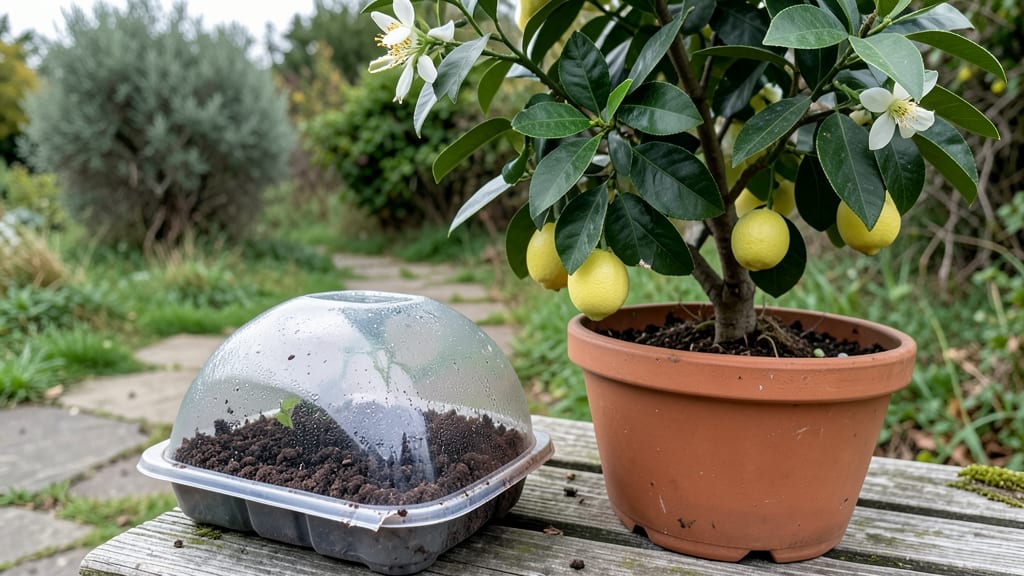
Growing a lemon tree from seed is the ultimate patience test—and the most rewarding one you’ll ever take. 🌱 I’ve watched my kitchen countertop become a citrus jungle, starting with a single seed that took six months just to sprout its first true leaves.
The payoff? A fragrant, slow-growing tree that might finally bear fruit in 5-10 years—if you’re lucky.
Here’s the thing: seed-grown lemons won’t be the sweet, juicy varieties you buy at the store. But the journey is where the magic happens—watching roots tangle through a nursery pot, coaxing a tiny sapling into sunlight, and learning the quiet art of citrus care.
You’ll need warmth, humidity, and a sunny windowsill (or grow light) to pull it off, plus a steady hand for the delicate transplanting that makes or breaks your tree.
By the time you’re pinching back leggy growth and fertilizing for the first time, you’ll have a 3-foot-tall tropical accent that smells like summer. The real test comes when you finally spot a flower—then wait another year for fruit.
It’s a marathon, not a sprint, but every gardener who’s grown one will tell you: the first homegrown lemon is worth every wait.
This method works for Meyer lemons (the easiest variety) or standard lemons, though Meyer’s are more cold-hardy and faster-growing. Whether you’re starting in a 5-inch pot or a DIY seedling tray, the principles stay the same. Let’s get those seeds sprouting—your future kitchen will thank you.
📚 In This Guide
- What you need
- Instructions
- Tips and common mistakes
- Wrapping up and next steps
What you need
- ● Lemon seeds: 2–4 fresh, plump seeds (harvested from a ripe lemon—avoid store-bought ones treated to prevent sprouting!)
- ○ Small pots or containers: 3–4 (4–6 inches in diameter) with drainage holes. Optional: Biodegradable seed pods for transplanting later.
- ● Well-draining potting mix: A blend of 50% peat or coco coir, 30% perlite or vermiculite, and 20% sand (or a pre-mixed citrus/succulent mix).
- ● Watering can or spray bottle: With a fine mist nozzle for gentle hydration.
- ● Plastic wrap or humidity dome: To create a mini greenhouse effect (a clear plastic bag works too!).
- ● Grow lights or sunny windowsill: A south-facing window (6+ hours of sunlight) or a LED grow light (12–16 hours/day for seedlings).
- ● Fertilizer: A balanced liquid fertilizer (10-10-10) or citrus-specific fertilizer (diluted to half-strength).
- ● Spray bottle with water: For misting leaves (prevents fungal issues).
- ● Seedling heat mat: Keeps soil warm (70–80°F) to speed up germination.
- ● Humidity tray: A shallow tray with pebbles and water to boost moisture levels.
- ● Tall, sturdy support: A bamboo stake or small cage for young trees as they grow.
- ● pH testing kit: Ensures soil pH stays between 6.0–7.0 (ideal for citrus).
- ● Pruning shears: Small, sharp pair for trimming as your tree matures.
Step-by-step instructions for growing a lemon tree from seed
Here's how I turn tiny seeds into thriving citrus plants—no green thumb required.
🌱 Step 1: Extract and Prepare the Seeds
Start with fresh lemons—store-bought seeds won't germinate well. Cut the fruit open and scoop out the seeds, then rinse them under cool water to remove any fruit residue. Here's the thing—don't let them dry out. Spread them on a paper towel and place them in a sealed plastic bag in the fridge for 2-3 weeks. This cold stratification mimics winter conditions and breaks seed dormancy.
After the cold treatment, remove the seeds and let them warm up to room temperature for 24 hours. You'll see the seeds start to soften slightly—this is your cue they're ready. Plant them ½ inch deep in a small container filled with moist seed-starting mix. I use a shallow tray with drainage holes to prevent waterlogging, which can rot the seeds before they sprout.
☀️ Step 2: Create Ideal Germination Conditions
Place the container in a warm spot with bright, indirect light—a south-facing window works well. Lemon seeds need consistent warmth to germinate, so I keep them on a seedling heat mat set to 75-80°F. You'll see tiny sprouts emerge in 2-4 weeks, but don't be surprised if some seeds take longer. Patience is key here.
Once the seedlings appear, remove the heat mat and keep the soil evenly moist—never soggy. The moment the first true leaves (not the initial seed leaves) appear, transplant each seedling into its own 4-inch pot with fresh potting mix. This prevents overcrowding and gives roots room to grow. Watch for leggy growth—if stems stretch too tall, your light isn't strong enough. Move the pot closer to the window or add a grow light.
🌿 Step 3: Nurture the Young Tree for Long-Term Growth
After the seedlings have 4-6 sets of leaves, it's time to upgrade to a 1-gallon pot with well-draining citrus potting mix. Lemon trees hate wet feet, so ensure the pot has drainage holes and use a cache pot underneath to catch excess water. Water deeply when the top 1-2 inches of soil feel dry, but avoid letting the plant sit in standing water.
Here's where it gets fun—start fertilizing lightly with a balanced citrus fertilizer every 2 months in spring and summer. You'll notice new growth within a few weeks. Prune any leggy or weak branches to encourage a bushier shape. Real talk: Your tree won't bear fruit for 5-10 years, but the journey is rewarding. Keep it indoors near a sunny window or move it outside in summer once it's established, protecting it from frost.
Tips & tricks for growing a lemon tree from seed
A few simple strategies that'll make your citrus-growing journey smoother than you'd expect.
Cold Stratification Secret: That 2-3 week fridge treatment isn't just a suggestion—it's the difference between seeds that sprout and seeds that rot. I've tried skipping it, and trust me, your germination rate will drop dramatically. If you're impatient, you can extend this to 4 weeks for even better results, but don't go beyond that or you risk drying out the seeds.
Lighting Strategy: Bright indirect light is crucial during germination, but don't assume your south-facing window is enough. If you notice your seedlings stretching toward the light (called etiolation), they're not getting sufficient intensity. Consider supplementing with a simple grow light for 12-14 hours daily during the 2-4 week germination period—it makes all the difference for sturdy young plants.
Transplanting Timing: The moment the first true leaves appear (not the initial seed leaves), that's your cue to transplant into individual 4-inch pots. I can't stress enough how important this step is—crowded seedlings compete for nutrients and light, which stunts their growth. Use a clean, sharp knife to gently separate roots if needed, but try to minimize root disturbance.
Watering Wisdom: Lemon trees hate soggy roots, but they also can't handle dry spells. After transplanting, keep the soil consistently moist but never waterlogged. I like to use the finger test: stick your finger about 1 inch into the soil—if it feels dry at that depth, it's time to water. The key is finding that sweet spot where the soil stays evenly moist without being saturated.
Pro Tips for Grow A Lemon Tree From Seed
- A few simple strategies that'll make your citrus-growing journey smoother than you'd expect.
- Cold Stratification Secret: That 2-3 week fridge treatment isn't just a suggestion—it's the difference between seeds that sprout and seeds that rot.
- Lighting Strategy: Bright indirect light is crucial during germination, but don't assume your south-facing window is enough.
Frequently asked questions
Got questions about growing your own lemon tree from seed? You’re not alone—here are some of the most common ones, answered for your peace of mind!
How long does it take for a lemon seed to sprout?
A lemon seed typically sprouts within 2–4 weeks if kept in warm, moist conditions (around 70–75°F). Patience is key—some seeds may take longer, especially if the soil is too dry or cold. Keep the soil consistently damp (not soggy) and place the pot in a bright, indirect-light spot to encourage germination.
Will my lemon tree from seed produce real lemons?
Probably not! Most lemon trees grown from seed are not true to type, meaning they may produce small, tart fruits that aren’t as sweet or juicy as store-bought lemons. For reliable lemon production, consider grafting or buying a young tree from a nursery. But don’t worry—your seedling can still be a beautiful, fragrant houseplant!
How fast does a lemon tree grow from seed?
Growth speed varies, but expect slow progress at first. Seedlings may grow just a few inches in their first year. With proper care (sunlight, water, and fertilizer), they can reach 3–6 feet tall in 3–5 years. Dwarf varieties grow faster and are easier to manage indoors or in small gardens.
Can I grow a lemon tree indoors? Yes—but what’s the best setup?
Lemon trees thrive indoors with 6+ hours of sunlight daily (a south-facing window or grow lights work). Use a well-draining pot and keep humidity high (mist leaves or use a pebble tray). Watch for leggy growth—rotate the pot regularly so all sides get light. A dwarf variety is ideal for small spaces!
Why are my lemon tree leaves turning yellow or dropping?
Yellow leaves often signal overwatering, underwatering, or nutrient deficiency. Check the soil—it should be damp but not waterlogged. Brown edges or crispy leaves? Too little water. Pale yellow leaves? Likely a nitrogen deficiency—feed with a balanced citrus fertilizer. Pests like spider mites can also cause stress; treat with neem oil if needed.
Can I plant my lemon tree outside after it grows?
Yes, but only if you live in a USDA Zone 9–11 (or similar climate). Lemon trees are tender perennials and can’t tolerate frost. If you’re in a cooler zone, grow it in a large pot and bring it indoors before temperatures drop below 40°F. Harden it off gradually by moving it outdoors for longer periods in warm months.
Wrapping up and next steps
Growing a lemon tree from seed is a rewarding journey that blends patience, care, and a little citrus magic! 🌱 With the right conditions—sunlight, well-draining soil, and consistent watering—you’ll soon watch tiny sprouts transform into a thriving plant.
Remember, while seed-grown trees may take years to bear fruit, the process itself is pure joy, and every leaf is a step toward your own homegrown citrus paradise.
Ready to take the next step? Share your progress with fellow plant enthusiasts or explore grafting techniques to speed up fruit production. Your green thumb is already making a difference—keep nurturing it! 🌟