
Pruning
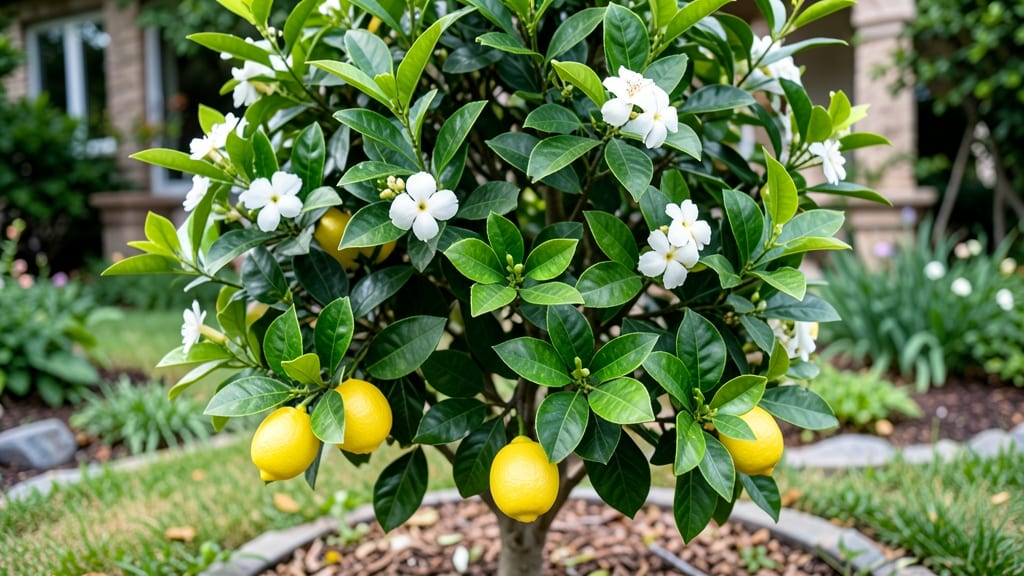
A thriving lemon tree inside the house isn’t just possible—it’s the secret to year-round citrus harvests even when your windows are too dim for sunlight. 🌿 I once thought my small apartment couldn’t handle a citrus tree, but after mastering a few... key tricks, I now enjoy fresh lemons in January.
The trick isn't forcing a tree to survive indoors; it's choosing the right variety and mimicking its natural environment as closely as possible.
Start with a dwarf Meyer lemon tree, which thrives in containers and produces fruit reliably indoors. You'll need a 10-15 gallon pot with drainage holes, a well-draining potting mix, and a sunny spot near a south-facing window where it gets 6-8 hours of indirect light daily.
If natural light is lacking, a grow light becomes your best friend—just 12-14 hours of artificial light can keep your tree happy and productive.
With proper care, your tree will reward you with fragrant blossoms and tart lemons within 2-3 years. The scent alone—bright and zesty—will make your kitchen feel like a Mediterranean grove.
Pruning in late winter keeps the shape manageable, and regular feeding with citrus-specific fertilizer ensures those lemons stay plump and juicy.
The real magic happens when you troubleshoot the usual problems: yellow leaves mean overwatering, brown tips signal dry air, and no fruit? It might need more light or a little patience.
But once you crack the code, you'll never buy store-bought lemons again—just reach into your living room for the freshest citrus around.
📚 In This Guide
- What you need
- Instructions
- Tips and common mistakes
- Wrapping up and next steps
What you need
- ● Lemon tree (Citrus limon) – A healthy, potted dwarf variety (12–24" tall) for indoor growing. Pro tip: Look for one already adapted to indoor conditions!
- ● Well-draining potting mix – A blend of cactus/succulent mix (60%), perlite (20%), and compost (20%) to prevent root rot.
- ● Pruning shears – Bypass pruners (sharp, clean, and sterilized) for clean cuts. Avoid dull tools that crush stems!
- ○ Rooting hormone (optional but helpful) – A gel or powder to encourage faster regrowth from cuttings.
- ● Small pots or containers – 4–6" diameter for propagating cuttings (use ones with drainage holes!).
- ● Spray bottle – For misting new cuttings to maintain humidity.
- ○ Pruning sealant (optional) – Like tree wound pruning paste to prevent disease entry at cut sites.
- ● Gloves – To protect your hands from sap and thorns.
- ● Rubbing alcohol (70% or higher) – For sterilizing tools between cuts.
- ● Twine or plant ties – To support leggy branches if needed.
- ● Grow lights (LED, full-spectrum) – 12–16 hours/day to supplement low light. 💡 Pro tip: Place lights 6–12" above the tree!
- ● Humidity tray or pebble tray – To maintain 40–60% humidity around the tree.
- ● Fertilizer (balanced, citrus-specific) – 10-10-10 or 6-6-6 NPK, diluted to half-strength during pruning season.
- ● A bright, indirect-light spot (east/west-facing window or grow lights).
- ● Patience – Lemon trees grow slowly indoors; expect 1–2 pruning sessions/year.
- ● Knowledge of pruning basics – Aim to remove no more than 25% of foliage at a time to avoid stress.
Step-by-Step guide to growing a lemon tree indoors
Indoor citrus thrives with the right light and care—here’s how to coax fruit from your potted lemon tree.
🌱 Step 1: Choose the Right Variety and Pot
Start with a dwarf Meyer lemon tree, which stays small enough for indoor growing. These varieties produce sweet, fragrant fruit and adapt well to container life. Pick a pot with drainage holes—ceramic or terracotta works best—since citrus roots rot easily in soggy soil.
Use a well-draining potting mix designed for citrus or blend equal parts peat moss, perlite, and sand. Fill the pot halfway with this mix before adding your tree. The roots need airflow to prevent disease, so avoid heavy garden soil. A 6-8 inch pot is ideal for a young tree, but plan to upgrade as it grows.
☀️ Step 2: Position for Maximum Light
Lemon trees demand bright, indirect light—at least 6-8 hours daily. A south-facing window is best, but if yours lacks sunlight, supplement with a grow light placed 12-18 inches above the tree. Avoid direct midday sun, which scorches leaves.
Rotate the pot quarter-turn weekly so the tree grows evenly. Yellowing leaves or leggy stems signal insufficient light. If this happens, move the tree closer to the window or extend grow light hours. Real talk: indoor citrus often struggles with weak growth—this is the #1 reason trees fail.
💧 Step 3: Water and Fertilize Like a Pro
Water when the top 2 inches of soil feel dry—overwatering kills roots faster than underwatering. Stick your finger in the soil to check; if it’s damp, wait another day. Use room-temperature water to avoid shocking the roots, and empty the saucer after 10 minutes to prevent root rot.
Feed your tree every 2-3 months with a citrus-specific fertilizer (high in nitrogen early on, then balanced NPK). In winter, reduce feeding to once every 6-8 weeks—citrus trees rest during cooler months. Yellow leaves often mean overwatering or fertilizer burn, so adjust immediately if you see this.
✂️ Step 4: Prune for Shape and Fruit
Prune in late winter or early spring before new growth starts. Remove dead or crossing branches with clean, sharp pruners, cutting just above a leaf node. This encourages bushier growth and better fruit production. Never prune more than 1/3 of the tree at once—citrus recovers slowly from heavy cuts.
Pinch back new growth tips in summer to redirect energy into fruit development. You’ll see small white flowers appear in spring or early summer—these will turn into lemons 6-12 months later. Here’s the thing: patience is key. Indoor lemon trees take time to bear fruit, but the wait is worth it.
⏰ Step 5: Monitor for Pests and Adjust Seasonally
Check leaves weekly for spider mites or scale insects, common indoor pests. Wipe leaves with a damp cloth and treat infestations with neem oil (diluted per label). Citrus trees also need a winter rest—reduce watering and keep temps between 55-65°F to mimic dormancy.
In spring, move the tree outside for 2-4 weeks of gradual acclimation if possible. This boosts fruit set. Watch for bud drop (flowers or small fruit falling off)—this happens from sudden temperature changes or drafts. Keep conditions stable, and you’ll see stronger fruit retention.
Tips & tricks for perfect indoor lemon tree growth
Growing a thriving lemon tree indoors isn't just about following steps—it's about understanding the subtle cues your plant gives you. Here's what I've learned after watching multiple trees thrive (and a few struggle) in my own home.
Light Strategy: The 6-8 hours of bright, indirect light mentioned in Step 2 is non-negotiable, but here's the secret: position your tree within 2 feet of the window—closer than the suggested 12-18 inches for grow lights. This mimics natural sunlight intensity while preventing leaf scorch. I've found that east-facing windows provide the perfect balance of light without harsh afternoon sun.
Soil Science: When mixing your own well-draining potting blend in Step 1, I recommend adding a handful of coarse sand or perlite to the peat moss mix. This creates tiny air pockets that prevent compaction and improve root oxygenation. Confession: I skipped this initially and ended up with a tree that struggled to establish roots—don't make my mistake!
Watering Wisdom: The 10-minute saucer drainage rule in Step 3 is brilliant, but here's what nobody tells you: use a moisture meter to verify soil dryness before watering. These $10 tools show you exactly when the top 2 inches are truly dry—not just the surface. I've saved multiple trees from overwatering by trusting the meter over my finger's feel.
Seasonal Adjustments: During winter's 55-65°F rest period mentioned in Step 5, move your tree away from heat sources like vents or radiators. Cold drafts from windows are just as damaging as heat. I place mine on a stable table in the middle of the room where temperatures remain consistent. This mimics natural winter conditions citrus trees experience outdoors.
Pro Tips for Lemon Tree Inside The House
- Growing a thriving lemon tree indoors isn't just about following steps—it's about understanding the subtle cues your plant gives you.
- Light Strategy: The 6-8 hours of bright, indirect light mentioned in Step 2 is non-negotiable, but here's the secret: position your tree within 2 feet of the window—closer than the suggested 12-18 inches for grow lights.
- Soil Science: When mixing your own well-draining potting blend in Step 1, I recommend adding a handful of coarse sand or perlite to the peat moss mix.
Frequently asked questions
Got questions about growing a lemon tree indoors? We’ve got answers!
Here are some of the most common concerns—and solutions—to help you keep your citrus thriving year-round.
Can I grow a lemon tree indoors without sunlight?
Yes! While lemon trees love sunlight, you can supplement with grow lights (12–16 hours/day). Place your tree near a south-facing window for natural light, but add LED grow bulbs if needed. Dwarf varieties (like Meyer lemon) adapt best to indoor conditions.
How long does it take for an indoor lemon tree to bear fruit?
Patience is key—indoor lemon trees typically take 3–5 years to fruit, depending on care. Dwarf varieties may produce lemons sooner (1–3 years). Ensure proper light, water, and fertilizer (citrus-specific blend) to speed up the process.
Why are my indoor lemon tree leaves turning yellow?
Yellow leaves often signal overwatering, underwatering, or nutrient deficiency. Check soil moisture (top 1–2 inches should dry out), adjust watering, and fertilize every 2–3 months. Brown edges? Could be low humidity—mist leaves or use a pebble tray.
Can I grow a lemon tree in a pot forever, or will it outgrow it?
Lemon trees can stay in pots long-term, but they’ll need repotting every 2–3 years (spring is best). Choose a pot 1–2 inches larger each time with drainage holes. Root-bound trees may drop leaves—prune roots gently during repotting.
What’s the easiest lemon tree variety for beginners?
The Meyer lemon is the top pick—it’s cold-hardy, disease-resistant, and produces sweeter, smaller fruit faster than true lemons. Other beginner-friendly options: Improved Meyer or Ponderosa lemon (for ornamental appeal).
How do I protect my indoor lemon tree from drafts?
Avoid placing your tree near AC vents, doors, or windows that open to cold air. Lemon trees prefer 60–75°F—keep them away from heaters too! A thermometer helps monitor temps, and a sheer curtain can block cold drafts.
Still stumped? Drop your question below—we’re happy to help your indoor citrus garden flourish!
Wrapping up and next steps
Growing a lemon tree indoors is a rewarding journey that brings fresh citrus to your table year-round—even without sunlight! 🌱 With the right pruning techniques, containers, and care, you’ve got everything you need to nurture a thriving plant.
Remember, patience and consistency are key, but the payoff—juicy, homegrown lemons—is worth every effort.
Ready to take the next step? Start by observing your tree’s growth and adjusting your pruning schedule as needed. Share your progress with fellow plant parents or join gardening communities for tips and inspiration. Here’s to your green thumb success—one lemon at a time! 🍋✨