
Pruning
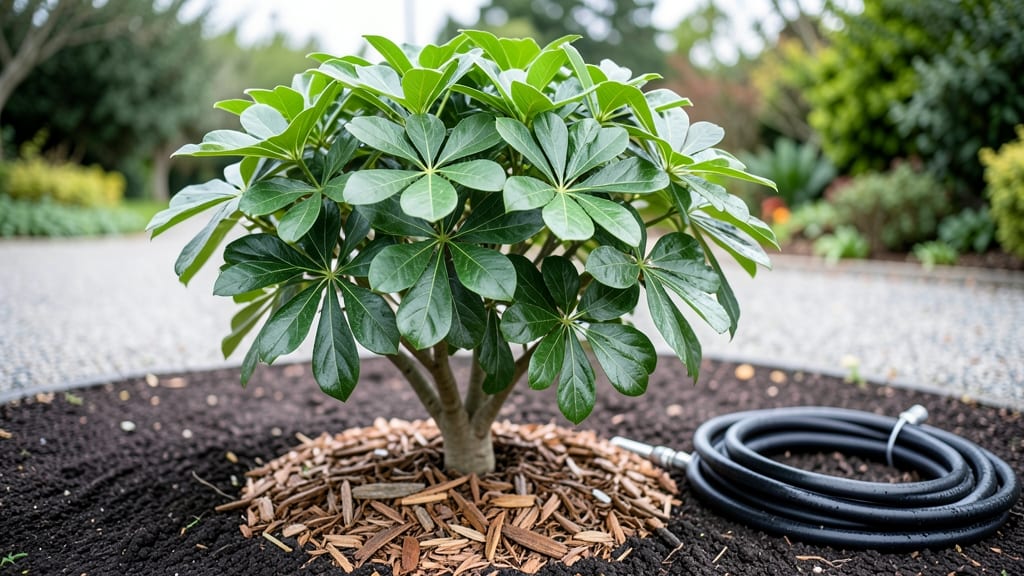
Your outdoor space just got a low-maintenance shade machine—the umbrella tree thrives outside with its glossy leaves and sturdy branches, offering year-round shade without the pruning headaches. 🌿 I’ve grown mine for five years, and it’s never needed more than a quick trim to keep its signature umbrella shape.
The secret lies in its adaptability: it handles heat, humidity, and even light frosts better than most tropical plants.
This tree doesn’t demand perfection—just bright, indirect light (morning sun is ideal), well-draining soil, and occasional watering once established. Unlike fussy houseplants, it tolerates occasional drought and even urban pollution, making it perfect for patios, parking strips, or as a standalone statement plant.
The leaves stay vibrant all year, and new growth pops up reliably in spring without extra coaxing.
What you’ll love most is how effortlessly it delivers shade—think dappled sunlight for your outdoor seating or a cool canopy over a play area.
It grows 6–12 feet tall, depending on your climate, and the dense foliage blocks harsh sun while still letting in enough light for understory plants. With minimal pruning, you’ll enjoy its lush presence for decades.
Works beautifully in USDA Zones 10–11, but with winter protection (like wrapping the trunk or moving pots indoors), it can survive brief cold snaps in Zones 9–10.
For colder areas, treat it as a container plant you bring inside during winter. Here’s how to set yours up for success—no green thumb required.
📚 In This Guide
- What you need
- Instructions
- Tips and common mistakes
- Wrapping up and next steps
What you need
- ● Umbrella tree plant: 1 mature tree (3–5 ft tall) or a young sapling (1–2 ft) from a nursery. Pro tip: 💡 Choose a healthy one with vibrant green leaves and no signs of pests!
- ● Garden soil: 1–2 bags of well-draining, slightly acidic soil (pH 6.0–7.0). Mix with compost (1 part compost to 3 parts soil) for nutrients.
- ○ Pot or planting hole: Container option: 1 large pot (18–24" diameter) with drainage holes. Optional: Add a saucer to catch excess water.
- ● In-ground planting: Dig a hole twice as wide as the root ball and just as deep.
- ● Pruning tools: 1 pair of bypass pruners (for small branches).
- ● 1 pruning saw (for thicker stems, if needed).
- ● 1 sharp knife (for cleaning cuts).
- ● Mulch: 2–3 inches of organic mulch (e.g., wood chips or pine bark) to retain moisture and regulate soil temperature.
- ● Watering can or hose: With a gentle spray nozzle for post-planting hydration.
- ● Gloves & safety glasses: To protect your hands and eyes during pruning.
- ● Fertilizer: A slow-release, balanced fertilizer (10-10-10) to boost growth. Apply once in spring.
- ● Support stake: 1–2 stakes (if planting in windy areas) to stabilize young trees.
- ● Plant food: Liquid seaweed extract or fish emulsion for a nutrient boost during dry spells.
- ● Pest control: Neem oil or insecticidal soap (if aphids or spider mites appear).
- ● Decorative rocks: For a polished look around the base of the tree.
How to plant and maintain an umbrella tree for year-round shade
This drought-tolerant beauty thrives with minimal fuss—here's how to get it established.
🌱 Step 1: Choose the Perfect Planting Location
Umbrella trees (Schefflera actinophylla) crave full sun to partial shade—at least 6 hours of direct sunlight daily for best growth. In hot climates, afternoon shade prevents leaf scorch. I always scout the spot first: look for dappled sunlight patterns where leaves won't bake midday.
Dig a hole twice as wide as the root ball but only as deep—planting too deep suffocates roots. The top of the root ball should sit 1-2 inches above ground level to prevent waterlogging. If your soil drains poorly, mound a 4-inch layer of coarse sand at the bottom of the hole first.
🪴 Step 2: Plant with Proper Spacing and Soil Prep
Space multiple trees 8-10 feet apart—they grow 15-20 feet tall and wide over time. Amend native soil with 3 inches of compost mixed into the top 12 inches of the hole. Umbrella trees tolerate poor soil but reward you with faster growth when nutrients are available.
Remove the tree from its container and tease apart any circled roots gently with your fingers. Place it in the hole so the root flare (where roots meet trunk) sits level with the ground. Backfill with native soil, pressing lightly to eliminate air pockets but not compacting heavily.
☀️ Step 3: Water Deeply and Establish a Routine
Water deeply right after planting—soak the root zone until water runs out the bottom of the hole (10-15 gallons for mature-sized holes). This encourages roots to grow downward where moisture persists. Let the top 2 inches of soil dry between waterings during establishment.
For the first 6-8 weeks, water twice weekly if rainfall is light. After that, umbrella trees become drought-tolerant once established. You'll know it's thriving when new leaves unfurl every 2-3 weeks—that's your signal the roots have taken hold.
✂️ Step 4: Prune Strategically for Density and Shape
Minimal pruning is the key here. Cut back overly leggy branches in late winter to encourage bushier growth. I always use clean, sharp pruners and make cuts just above a leaf node. Never remove more than 25% of the canopy in one season—this tree handles stress poorly.
Remove any dead, diseased, or crossing branches year-round. The umbrella's natural shape comes from its whorled branching—never shear it like a hedge. A light thinning cut every 2-3 years keeps the center open and airy, preventing fungal issues.
Tips & tricks for perfect umbrella tree planting
Between us, these small details make all the difference when your umbrella tree grows into that dreamy, sun-dappled canopy.
Sunlight Strategy: That 6-hour minimum of sunlight is non-negotiable, but here's what I've learned: In hotter climates, watch for afternoon shade after 3 PM—this is when leaves burn most easily. I've seen trees with crispy edges from too much midday sun, so if your spot gets intense afternoon rays, consider a light shade cloth during peak hours. The goal is dappled sunlight, not scorched leaves.
Root Ball Revelation: When you're teasing those circled roots, don't just pull them apart—gently spread them outward like fingers. This encourages faster root establishment. And remember: The root flare should sit exactly level with the ground, not buried. I've seen people plant too deep, and within weeks, the tree starts showing stress. That 1-2 inch above-ground rule is critical for airflow to the trunk.
Watering Wisdom: Those 10-15 gallons for initial watering aren't just about quantity—they're about saturation. You want water running out the bottom of the hole to ensure roots grow downward. After that, let the top 2 inches dry between waterings during establishment. I've made the mistake of keeping soil constantly wet, and it led to root rot. The tree's drought tolerance kicks in after 6-8 weeks, but you'll know it's ready when new leaves appear every 2-3 weeks.
Pruning Precision: When you're making those thinning cuts every 2-3 years, always cut just above a leaf node. This is where new growth emerges. I've seen people cut too close to the trunk, and it creates ugly stubs. And never remove more than 25% of the canopy in one season—this tree handles stress poorly. Think of it as a haircut: you want to shape, not shock.
Pro Tips for Umbrella Tree Outside
- Between us, these small details make all the difference when your umbrella tree grows into that dreamy, sun-dappled canopy.
- Sunlight Strategy: That 6-hour minimum of sunlight is non-negotiable, but here's what I've learned: In hotter climates, watch for afternoon shade after 3 PM—this is when leaves burn most easily.
- Root Ball Revelation: When you're teasing those circled roots, don't just pull them apart—gently spread them outward like fingers.
Frequently asked questions
Can an umbrella tree survive winter outdoors in cold climates?
Umbrella trees are tropical and thrive in USDA zones 10–11. In colder zones (below 25°F/-4°C), plant it in a large container and move it indoors before winter or wrap the pot in burlap for extra insulation. If left outside, expect leaf drop—it’s normal and won’t harm the tree long-term!
How often should I water an outdoor umbrella tree?
Water deeply once a week in hot/dry weather, but let the top 2–3 inches of soil dry out between waterings. Overwatering is the #1 killer—ensure pots have drainage holes, and mulch the base to retain moisture. Pro tip: Yellowing leaves? You’re likely overwatering; brown edges? It’s thirsty!
Is it better to grow an umbrella tree in a pot or planted in the ground?
Both work! In-ground planting suits warm climates (zones 10–11) with well-draining soil and partial shade. Containers are ideal for colder areas, small spaces, or if you need mobility. Use a 15–20 gallon pot with cactus/succulent mix for best results.
Why are my umbrella tree’s leaves turning yellow or dropping?
Yellow leaves often signal overwatering or root rot, while dropping leaves may mean stress from cold, transplant shock, or underwatering. Check soil moisture, ensure proper drainage, and avoid sudden temperature shifts. Prune dead leaves to redirect energy to new growth.
Can I prune my umbrella tree outdoors to control its size?
Prune in spring or early summer to shape the tree or encourage bushier growth. Use clean, sharp shears to cut back leggy stems by 1/3. No need for heavy pruning—this tree naturally stays compact with minimal effort. Just avoid cutting into the woody trunk!
What pests should I watch for on outdoor umbrella trees?
Keep an eye out for spider mites (tiny webs on leaves), scale insects (sticky residue), and mealybugs (cottony clusters). Treat infestations early with neem oil or insecticidal soap. Prevention tip: Wipe leaves with a damp cloth monthly to deter pests!
Wrapping up and next steps
Transforming your outdoor space with an umbrella tree is a game-changer—offering year-round shade, beauty, and low-maintenance charm with just a little pruning know-how. 🌿 Whether you’re a green thumb or a beginner, this tree delivers effortless elegance while thriving in diverse climates.
Ready to elevate your garden? Grab your tools, follow the steps you’ve learned, and watch your outdoor oasis flourish!
🌱 Next Steps:
- Plant your tree in a sunny spot with well-draining soil.
- Monitor growth and prune lightly as needed—just 1-2 times a year!
- Enjoy your shade while sipping lemonade under your new canopy.