
Trees
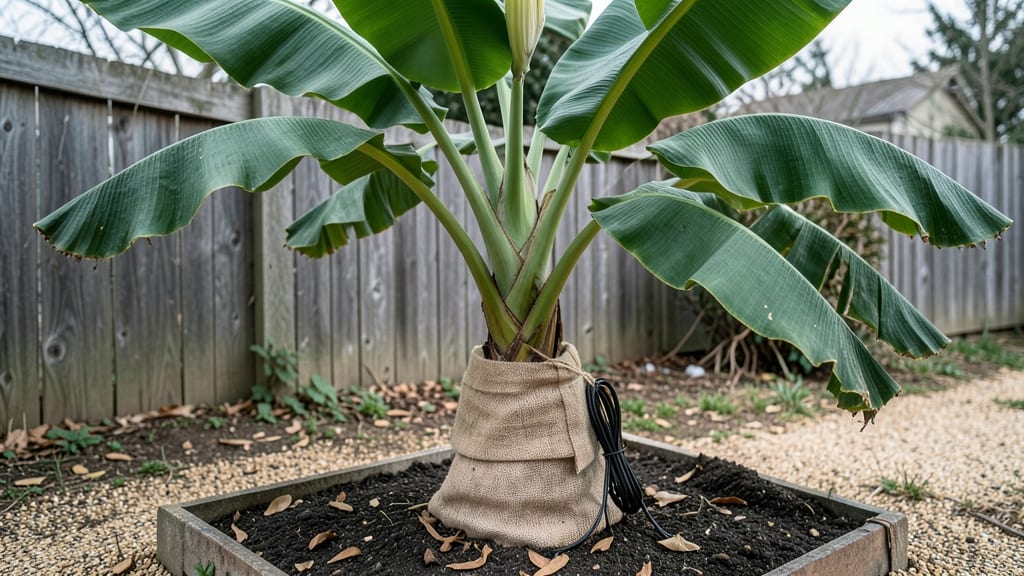
Wrapping banana trees for winter isn't just about survival—it's about giving them a fighting chance against frost that can turn their broad leaves to crispy edges. I learned the hard way when my first banana plant turned into a sad, brown skeleton after just one cold snap.
The good news? This simple technique works even in zones where winter temperatures dip below 30°F, saving your tree from permanent damage.
You only need three things: burlap or frost cloth (not plastic—it traps moisture), sturdy twine or zip ties, and a clear plastic sheet for extra insulation. The key is wrapping snugly but not too tight—think of it like tucking your tree into a cozy blanket.
Most gardeners finish in under an hour, and the results speak for themselves: lush regrowth come spring.
What you'll end up with is a tree that looks like it spent winter hibernating in the tropics instead of freezing in your yard. The leaves stay green longer, the trunk stays sturdy, and you avoid the heartbreak of losing a plant that took years to grow.
Plus, the process is so straightforward that even someone who's killed every houseplant ever can nail it.
Works for both dwarf and large banana varieties, and the same method protects other tropical plants like citrus and bougainvillea. Just remember: remove the wrap as soon as temperatures stay above freezing, or you'll smother new growth. Here's how to do it right the first time.
📚 In This Guide
- What you need
- Instructions
- Tips and common mistakes
- Wrapping up and next steps
What you need
- ● Burlap or landscape fabric: 10–15 ft (enough to wrap the trunk and lower fronds). Opt for breathable material (avoid plastic—it traps moisture!).
- ● Twine or garden ties: 5–10 ft of jute or biodegradable twine (1/4-inch width). Skip wire or zip ties—they can damage bark!
- ● Pruners or sharp shears: For trimming dead or damaged fronds (sterilize with rubbing alcohol first!).
- ● Mulch (straw, pine needles, or wood chips): 2–3 inches to insulate the root zone. Avoid fresh wood chips (they can rot).
- ● Watering can or hose: For a light watering before wrapping (no soggy surprises!).
- ● Tree wrap (for young/sensitive trunks): 1 roll of plastic-free wrap to protect bark from twine friction.
- ● Frost cloth or row cover: Lightweight fabric to drape over the entire plant if temps dip below 25°F (-4°C).
- ● Heat source (for extreme climates): A small, safe outdoor heater or heat lamp (place strategically—never directly on leaves!).
- ● Stakes or hoops: To create a frame for frost cloth if wrapping the whole tree.
Step-by-Step instructions for protecting banana trees in cold weather
Here’s how I’ve kept my banana trees thriving through frost—no fancy equipment needed.
Choose the Right Time to Wrap
Wait until temperatures consistently drop to 32°F or lower at night, but before a hard freeze hits. I check the local forecast and wrap when overnight lows are predicted for 3-5 consecutive nights. This timing prevents moisture buildup inside the wrap, which can rot leaves or attract pests.
If you’re unsure, watch for signs of stress: yellowing leaves, blackened leaf edges, or curled fronds. These are your cues to act fast. I’ve learned the hard way—waiting too long means the tree’s already damaged, and wrapping won’t save it.
Gather and Prepare Your Wrapping Materials
You’ll need burlap sacks, frost cloth, or thick cardboard (if you’re improvising) and twine or sturdy string. Avoid plastic—it traps too much heat and can scorch the tree. I prefer burlap because it breathes while still insulating. Cut the material to 2-3 feet taller than the plant’s height to allow room for overlap and secure anchoring.
Test the material’s breathability by holding it up to a light—you should see light filtering through, not a solid barrier. If you’re using cardboard, reinforce it with duct tape to prevent water seepage. Moisture is the enemy here; it turns protective layers into a breeding ground for mold.
Wrap the Tree from Bottom to Top
Start at the base of the trunk and wrap tightly but not so tight it restricts growth. Overlap each layer by 6-8 inches to eliminate gaps where cold air could sneak in. I use a spiral motion, pulling the material snugly around the trunk and leaves. For larger trees, secure the wrap at 1-foot intervals with twine to keep it from unraveling in wind.
Focus on the crown and growing tip—these are the most vulnerable parts. If your tree has multiple stems, wrap each one individually. Leave the top few inches of the youngest leaves exposed to prevent overheating. Real talk: I once wrapped a tree so tightly the new fronds turned brown. Less is more here.
Secure and Insulate the Top
Fold the top of the wrap inward to create a cone shape, then secure it with twine or a clip. This design funnels snow away from the crown and keeps the center dry. Add an extra layer of frost cloth over the top if your region gets heavy snowfall—this prevents collapse and adds insulation.
For extra protection, place straw or dry leaves around the base of the tree before wrapping. This creates a 3-inch-thick mulch ring that insulates the roots. Water the tree 2-3 days before wrapping to ensure the roots are hydrated, but avoid soggy soil—it freezes faster and damages roots.
Monitor and Adjust Through the Winter
Check your wrapped tree every 10-14 days to ensure the material hasn’t shifted or torn. If snow accumulates on the wrap, brush it off gently to prevent weight damage. I use a broom with a long handle to avoid disturbing the tree. Signs of trouble include condensation inside the wrap, mold spots, or wilting leaves—address these immediately by loosening the material or replacing it.
Remove the wrap as soon as temperatures rise above freezing for the season. I’ve seen trees suffer from delayed unwrapping when new growth starts too early. Watch for new fronds emerging—that’s your signal to uncover the tree gradually over 2-3 days to avoid shock.
Tips & tricks for protecting banana trees in winter
These simple strategies will help you shield your banana trees from frost damage without the guesswork.
Timing is Everything: The 3-5 consecutive nights of 32°F or lower is your target window, but don't wait until the first frost warning. I've found that wrapping too late—after leaves start blackening—means the tree's already stressed. Check your local forecast for overnight lows and act when they're predicted for multiple nights in a row. This gives you the best chance to prevent moisture buildup inside the wrap.
Material Selection Matters: Burlap is my go-to because it breathes while insulating, but if you're improvising with cardboard, reinforce it with duct tape to prevent water seepage. I've seen cardboard wraps fail when rain gets trapped inside, leading to mold. Test your material's breathability by holding it up to light—you should see light filtering through, not a solid barrier.
Wrapping Technique: When you're wrapping from bottom to top in Step 3, focus on that 6-8 inch overlap between layers to eliminate cold air gaps. For larger trees, secure the wrap every 1-foot with twine to prevent unraveling in wind. I've learned the hard way that leaving gaps or wrapping too tightly can cause more harm than good—too tight restricts growth, and gaps let cold air sneak in.
Monitoring Through Winter: The 10-14 day check-ins are crucial, but don't forget to watch for snow accumulation on the wrap. I use a broom with a long handle to gently brush off snow without disturbing the tree. If you notice condensation inside the wrap or mold spots, address it immediately by loosening the material or replacing it entirely. These are your early warning signs of trouble.
Pro Tips for Wrap Banana Trees For Winter
- These simple strategies will help you shield your banana trees from frost damage without the guesswork.
- Timing is Everything: The 3-5 consecutive nights of 32°F or lower is your target window, but don't wait until the first frost warning.
- Material Selection Matters: Burlap is my go-to because it breathes while insulating, but if you're improvising with cardboard, reinforce it with duct tape to prevent water seepage.
Frequently asked questions
Got questions about wrapping your banana trees for winter? You’re not alone! Here are some of the most common concerns—and their straightforward solutions—to keep your tropical beauty thriving through the cold.
When is the exact best time to wrap banana trees for winter?
Wrap your banana trees before the first frost hits—typically late fall (October–November), depending on your climate zone. If temperatures dip below 32°F (0°C), damage can occur quickly. Check your local frost date for precision!
Can I use regular burlap or do I need special frost cloth?
Both work, but frost cloth (30g or heavier) is ideal—it traps warmth better and resists wind. Burlap is cheaper but less insulating. For extra protection, layer both over the tree’s trunk and leaves. Avoid plastic; it traps moisture and can rot the plant!
What if my banana tree is already damaged by frost? Can wrapping still help?
If frost has already hit, wrapping won’t reverse damage, but it can prevent further harm. Prune dead leaves immediately, then wrap the healthy parts. For severe damage, consider mulching the roots heavily (6+ inches of straw or leaves) to insulate them.
Do I need to wrap the leaves, or just the trunk?
Wrap both! The trunk is most vulnerable to splitting, but leaves can burn in cold temps. Gently wrap the trunk with burlap or tree wrap, then loosely cover leaves with frost cloth. Secure with clips or twine—don’t cinch too tight!
How long should I leave the wrapping on in spring?
Remove wraps gradually when daytime temps stay above 50°F (10°C) for a week. Start by uncovering leaves first, then the trunk after a few more warm days. Rush it, and you risk shocking the tree—patience is key!
Pro Tip:
Need a quick fix? Pine boughs or straw mulch around the base add extra insulation. Just avoid piling them against the trunk—keep them 3–4 inches away to prevent rot.
Wrapping up and next steps
Wrapping your banana trees for winter is a simple yet effective way to shield them from frost and cold snaps, ensuring they thrive for seasons to come. 🌱 With the right materials—like frost cloth, burlap, or mulch—and a few easy steps, you can give your tropical beauty the protection it deserves.
Don’t let winter catch you off guard; a little preparation now means lush, healthy growth later!
Ready to take action? Gather your supplies, follow the steps, and give your banana tree the cozy winter wrap it needs. Your future harvest will thank you!