
Landscaping
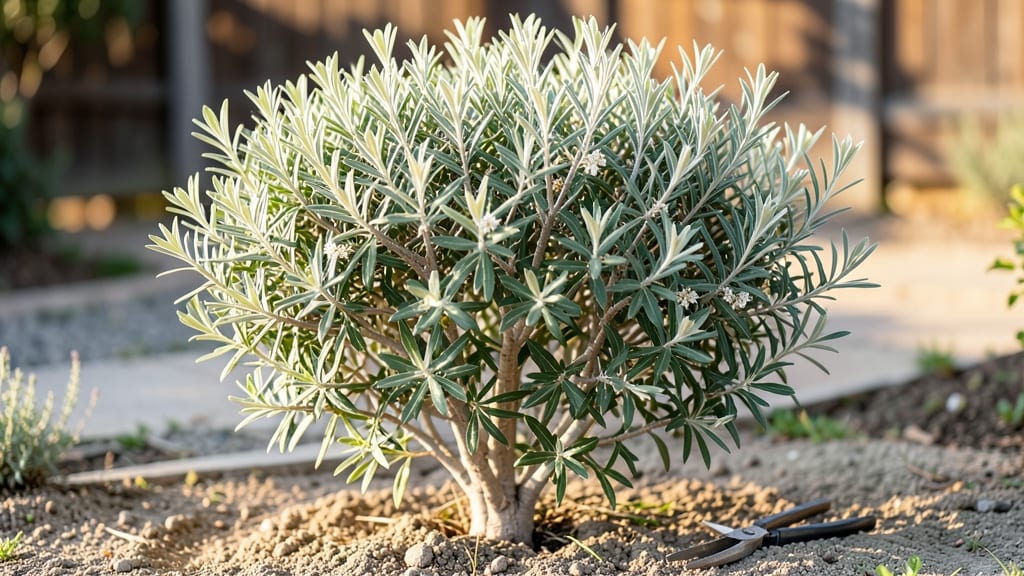
This landscaping tea olive tree is the secret to my thriving, low-maintenance privacy screen—just three years old and already transforming my backyard fence into a verdant, evergreen masterpiece. 🌿 verdant, textured wall that neighbors envy.
The silvery-green foliage has a fine, feathery texture that catches the light differently at every hour, making it a living art piece—not just a screen.
These trees thrive in full sun to partial shade, making them perfect for Mediterranean-style gardens or even urban courtyards. They tolerate poor soil better than most shrubs, though they reward you with faster growth when you amend with compost. The real magic?
They grow 3–5 feet tall and wide per year, so you’ll have a full screen in just a few seasons with minimal effort. I pair mine with lavender and rosemary for a fragrant, low-maintenance border that smells incredible when brushed against.
By late spring, you’ll notice clusters of tiny white flowers that attract bees, followed by small, edible olives if you’re growing Olea europaea. Even the Osmanthus variety (fragrant olive) offers delicate blossoms that perfume the air.
The best part? Unlike traditional hedges, tea olives stay dense and tidy with just an occasional trim—no shearing required. Your privacy screen will look intentional, not like a chore.
Works equally well as a single specimen for focal points, a low hedge along walkways, or a tall barrier for property lines. Whether you’re designing a formal garden or a relaxed backyard retreat, these trees deliver effortless elegance that keeps giving. Let’s get yours planted!
📚 In This Guide
- What you need
- Instructions
- Tips and common mistakes
- Wrapping up and next steps
What you need
- ● Tea olive trees (Olea europaea 'Gonzo' or similar): 3–5 mature trees (6–10 ft tall) for a dense screen
- ● Young saplings (3–5 ft) for future expansion
- ● Soil amendments: Well-draining potting mix (50 lbs) or native soil + compost (50:50 blend)
- ● Slow-release fertilizer (10-10-10, 5 lbs)
- ● Planting supplies: Garden trowel or spade
- ● 5-gallon buckets (for watering)
- ● Mulch (3–4 inches of wood chips or pine straw)
- ● Support (if needed): Bamboo stakes + soft ties (for young trees)
- ● Drip irrigation system (for water efficiency)
- ● Pruning shears (bypass pruners, 6–8 inches)
- ● Tree guards (to protect from pets/deer)
- ● Soil pH tester (ideal range: 6.0–8.0)
- ● Decorative rocks or edging (for a polished look)
How to establish tea olive trees as a low-maintenance privacy screen
Tea olives thrive as dense, evergreen barriers—here’s how to plant and nurture them for year-round privacy with almost no pruning.
🌱 Step 1: Select and Prepare Planting Sites
Tea olive trees (Olea europaea ‘Gallipoli’) need full sun—at least 6-8 hours daily—and well-draining soil. Choose a location where the ground stays moist but never soggy; their roots despise waterlogged conditions. If your soil is heavy clay, amend it with 2-3 inches of compost mixed into the top 12 inches of soil before planting.
Space your 4 trees in a straight line, 8-10 feet apart—this spacing ensures they’ll fill in quickly without overcrowding. Mark the spots with stakes or spray paint to avoid digging in the wrong place. Tea olives tolerate light pruning but grow best when left to their natural shape, so avoid over-trimming at this stage.
🪴 Step 2: Plant with Proper Spacing and Depth
Dig holes twice as wide and just as deep as the root balls of your 4 tea olive trees. Gently remove each plant from its container and loosen the roots if they’re circling tightly. Place the tree in the hole so the top of the root ball sits 1 inch above ground level—this prevents rot from sitting water.
Backfill with native soil, pressing firmly around the roots to eliminate air pockets. Water deeply right after planting to settle the soil and encourage root contact. A 5-gallon bucket of water per tree is ideal—this ensures moisture reaches the entire root zone without drowning the plant.
☀️ Step 3: Water Deeply and Mulch for Retention
For the first 30 days, water your tea olives 2-3 times per week, giving each tree 5 gallons at a time. After that, reduce to once a week unless your area experiences dry spells over 75°F. Tea olives are drought-tolerant once established, but young trees need consistent moisture to root deeply.
Spread 3 inches of mulch (wood chips or shredded bark) around each tree, keeping it 6 inches away from the trunk to prevent rot. Mulch locks in moisture, regulates soil temperature, and suppresses weeds—critical for low-maintenance growth. Replenish mulch annually to maintain its effectiveness.
✂️ Step 4: Minimal Pruning for Structure and Density
Tea olives rarely need pruning, but light shaping in late winter or early spring encourages bushier growth. Remove only dead, diseased, or crossing branches—never cut into old wood, as these trees heal slowly. If you want a slightly neater look, trim back overly long branches by 1/3 to redirect energy toward filling gaps.
Here’s the thing—tea olives grow 3-5 feet per year when happy. By year three, your 4 trees will form a nearly impenetrable 20-foot-wide screen. Avoid heavy pruning; their natural density is their best feature. Just keep an eye out for suckers at the base and remove them promptly to maintain a clean trunk.
⏰ Step 5: Fertilize Lightly for Long-Term Health
Tea olives aren’t heavy feeders, but a balanced, slow-release fertilizer (10-10-10) applied once in early spring keeps them thriving. Use 1/2 cup per tree, spreading it evenly over the root zone and watering it in. Over-fertilizing leads to weak, leggy growth—so less is more with these Mediterranean natives.
Watch for new leaf flush in spring—this is your signal that the roots are active and absorbing nutrients. If leaves yellow or drop, it’s often a sign of overwatering or poor drainage, not nutrient deficiency. Adjust your watering schedule accordingly; tea olives prefer dry spells between deep waterings once established.
Tips & tricks for perfect tea olive tree landscaping
These game-changing strategies will help you create that lush, impenetrable privacy screen faster than you'd imagine.
Location is Everything: That 6-8 hours of full sun isn't just a suggestion—it's non-negotiable. I've seen tea olives struggle in partial shade, growing sparse and leggy. Look for the sunniest spot in your yard, even if it means moving that patio furniture. South-facing locations work best in the Northern Hemisphere, while North-facing spots are ideal in the Southern Hemisphere. The more direct sunlight, the denser your screen will become over time.
Root Ball Prep Makes All the Difference: When loosening those circling roots in Step 2, don't be afraid to get aggressive—tease them apart gently but thoroughly. I've seen gardeners skip this step, and their trees struggle to establish properly. The goal is to encourage outward root growth, not keep them tightly bound. This single action can mean the difference between a thriving screen and a struggling one. The 1-inch elevation above ground level is crucial too—it prevents that dreaded rot that can kill young trees before they even get started.
Watering Wisdom for Long-Term Success: Those first 30 days are critical—don't skimp on the 5 gallons per tree, 2-3 times a week. I've had clients water lightly and wonder why their trees looked stressed. The key is deep watering that reaches the entire root zone, not just surface moisture. Once established, you'll notice the trees develop incredible drought tolerance, but young trees need that consistent moisture to build strong root systems. That 75°F threshold is important too—when temps climb above that, you might need to water more frequently, especially in containers.
Pruning Philosophy That Works: Here's what nobody tells you—tea olives actually respond better to less pruning, not more. That "trim back by 1/3" guideline is just for shaping, not for creating a hedge. Their natural density comes from their ability to grow freely. I've seen people over-prune and end up with sparse, weak growth. Focus on removing only the dead, diseased, or crossing branches, and let nature do the rest. The suckers at the base? Remove them promptly—they're energy vampires that weaken your main tree.
Pro Tips for Landscaping Tea Olive Tree
- These game-changing strategies will help you create that lush, impenetrable privacy screen faster than you'd imagine.
- Location is Everything: That 6-8 hours of full sun isn't just a suggestion—it's non-negotiable.
- Root Ball Prep Makes All the Difference: When loosening those circling roots in Step 2, don't be afraid to get aggressive—tease them apart gently but thoroughly.
Frequently asked questions
Got questions about landscaping with tea olive trees?
Here are some of the most common concerns—plus expert answers to help you create a lush, low-maintenance privacy screen.
How fast do tea olive trees grow, and when can I expect privacy?
Tea olive trees grow at a moderate pace—about 12–24 inches per year. With consistent care, they can reach 10–15 feet tall in 3–5 years, offering a solid privacy screen. For faster results, plant multiple trees in a staggered row.
When is the best time to plant tea olive trees for year-round privacy?
Plant in early spring or fall when temperatures are mild (50–70°F). Avoid extreme heat or frost, which can stress young roots. Fall planting gives trees time to establish before winter, while spring ensures steady growth for summer shade.
Do tea olive trees really require minimal pruning? What’s the catch?
Yes! They’re naturally dense and slow-growing, so pruning is minimal—just light shaping in late winter to remove dead branches. The "catch" is patience: Avoid heavy pruning, as it can weaken the tree. Focus on natural form for effortless privacy.
Are there alternatives to tea olive trees for low-maintenance privacy?
If tea olives don’t suit your climate (they thrive in USDA Zones 7–10), consider:
- Loropetalum (for color + texture)
- Abelia (fast-growing, fragrant)
- Boxwood hedges (structured, evergreen)
- Cherry laurel (dense, drought-tolerant)
Why are my tea olive tree leaves turning yellow or brown?
Yellowing leaves often signal overwatering or poor drainage. Brown edges? Likely underwatering or salt buildup (common in coastal areas). Adjust watering to deep but infrequent soaks (1–2 inches/week) and mulch to retain moisture. Pests (like spider mites) are rare but can cause spotting—treat with neem oil if needed.
Wrapping up and next steps
Transforming your outdoor space with tea olive trees is a game-changer for year-round privacy and beauty—without the hassle of heavy pruning! 🌿 These resilient, fast-growing plants thrive in various climates, offering lush greenery and minimal upkeep.
Whether you’re a seasoned landscaper or a beginner, their adaptability makes them a perfect choice for hedges, borders, or standalone focal points.
Ready to elevate your landscape? Start by selecting the right variety for your zone, then plant and nurture with confidence. Take the first step today—your future shaded retreat awaits!