
Pruning
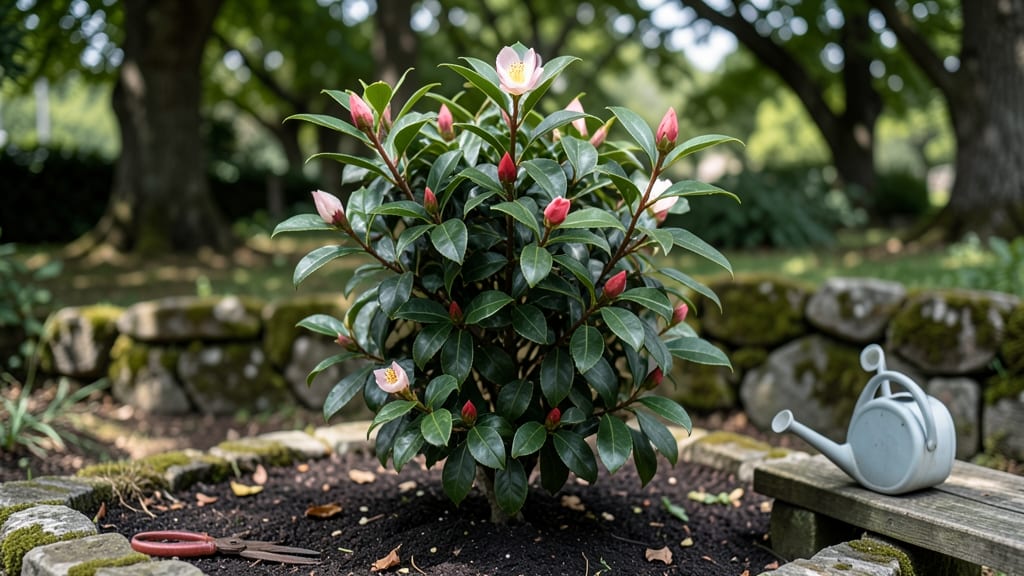
Growing your own camellia sinensis tree means fresh tea leaves year-round, and it’s easier than you’d think—especially with just three strategic pruning cuts. 🌿 I’ve grown mine in partial shade for five years, and the secret isn’t just the pruning but the way you shape the plant to encourage steady growth.
The first harvest after proper pruning tastes richer than anything from a bag, and the plant rewards patience with lush, glossy leaves.
This tea plant thrives in zones 7-10, where it can handle humidity and mild winters, but even cooler climates can grow it in containers. The soil needs to be acidic (pH 5.0-6.5) and well-draining—think peat moss mixed with compost.
Water consistently but avoid soggy roots, and you’ll see new shoots within weeks of pruning. Most home gardeners overlook the importance of shade; too much sun scorches the leaves, so dappled light is ideal.
With three precise cuts each year—one in early spring, one after harvest, and one light trim in late summer—you’ll train the tree to produce tender young leaves continuously. The first flush after pruning is the sweetest, and the plant stays compact enough for containers or small yards.
Even in my crowded patio, it produces enough leaves for daily tea, and the fragrance alone makes it worth the effort.
Adapt this method to your space: containers work for balconies, while in-ground plants need protection from harsh winds. The key is consistency—prune at the right time, keep the soil moist but not waterlogged, and you’ll have a productive tea plant for decades.
Once established, it’s nearly maintenance-free, and the satisfaction of steeping your own harvest is unmatched.
📚 In This Guide
- What you need
- Instructions
- Tips and common mistakes
- Wrapping up and next steps
What you need
- ● Pruning shears: Bypass pruners (sharp, 5–8 inch blades) for clean cuts on small branches. Quantity: 1 pair.
- ● Loppers: For thicker branches (up to 2 inches in diameter). Quantity: 1 pair.
- ○ Hand pruners: Anvil-style for quick trims (optional but handy). Quantity: 1 pair.
- ● Gloves: Heavy-duty gardening gloves (cut-resistant for safety). Quantity: 1–2 pairs.
- ● Disinfectant: 70% isopropyl alcohol or rubbing alcohol (to sterilize tools between cuts). Quantity: Small bottle.
- ○ Pruning sealant (optional): For larger wounds (e.g., tree wound pruning paste). Quantity: Small tube.
- ● Weather check: Prune on a dry, overcast day (avoid frost or extreme heat).
- ● Tool sharpening: Ensure blades are sharp for clean cuts (dull tools crush branches).
- ● Safety gear: Safety glasses (to protect from debris). Quantity: 1 pair.
- ● Cleanup supplies: Buckets or bags for pruned branches (compost or dispose of). Quantity: 1–2.
- ● Tool maintenance: Wipe blades with alcohol before and after pruning to prevent disease spread. 🔥
- ● Branch disposal: Remove pruned branches immediately to reduce pest attraction. ✨
- ● Seasonal timing: For Camellia sinensis, late winter/early spring (before new growth) is ideal for structural cuts.
Step-by-Step guide to pruning your Camellia sinensis tree
Master these three pruning cuts for a healthy tea plant that keeps producing year-round.
✂️ Step 1: Early Spring Cleanup Pruning
Start in late February or early March when new growth begins but before buds swell. This is your chance to remove dead, diseased, or crossing branches that compete for energy. I grab my bypass pruners and make clean cuts just above a leaf node where new growth can emerge. Never leave stubs—this invites rot and weakens the plant.
Focus on branches thinner than ¼ inch—they won’t produce meaningful leaves for tea. If you see any brown or mushy stems, cut them back to healthy green tissue. The goal here is to open up the center of the plant so light reaches all branches. You’ll know you’re doing it right when the plant’s canopy looks balanced and air circulates freely through the middle.
✂️ Step 2: Mid-Summer Light Pruning
Around July, after the first flush of new growth, do a quick check for any branches growing inward or rubbing against others. These are the ones that’ll block sunlight and create wounds where pests can enter. Use your sterilized pruners to trim just outside the branch collar—the raised area where the branch meets the trunk or larger branch.
This is also the time to shape the plant if it’s getting too leggy. Pinch back the tips of new growth by ⅓ to encourage bushier, more productive branches. You’ll see new side shoots forming within 2-3 weeks—that’s your sign the plant is responding well. Avoid heavy pruning now; we’re just guiding growth, not reshaping the whole plant.
✂️ Step 3: Fall Rejuvenation Pruning
In October or November, after the final harvest, it’s time for a more aggressive cut. Remove any branches that haven’t produced well this year—older wood tends to yield fewer leaves. Cut back these branches by ⅓ of their length, always making your cuts at a 45-degree angle just above an outward-facing bud.
This is the time to thin out the plant’s center if it’s gotten too dense. You want sunlight to reach the inner branches for next year’s growth. After pruning, give the plant a light application of compost around the base to replenish nutrients. The plant will look a little bare now, but by spring, you’ll see vigorous new shoots emerging from those pruned areas.
⏰ Step 4: Winter Dormancy Check
In January, do a final walk-through before the growing season starts. Remove any dead or broken branches that might have formed over winter. This is also the time to check for any signs of disease or pest damage from the previous year. If you see anything suspicious, treat it immediately with neem oil or a copper fungicide—prevention is key.
Step back and admire your work. A well-pruned camellia sinensis tree should have an open, airy structure with plenty of light reaching the inner branches. This structure ensures strong growth in spring and a steady supply of fresh tea leaves throughout the year. Now, all that’s left is to watch it thrive!
Tips & tricks for pruning your Camellia sinensis tree
Here's what nobody tells you about keeping your tea plant thriving after each pruning session.
Tool Prep Matters: Sterilize your bypass pruners with rubbing alcohol between cuts, especially in Step 2 when you're handling healthy branches. I learned this the hard way after a fungal infection spread through my plant from contaminated tools. A quick wipe between each cut keeps your plant healthy and prevents cross-contamination between diseased and healthy branches.
Seasonal Timing is Critical: The exact timing in late February/March for Step 1 is crucial—waiting until buds swell means you'll cut off potential growth. If you miss this window, don't panic! You can still do light pruning in early April, but you'll sacrifice some of that year's first flush of leaves. The same goes for October/November in Step 3: if you wait until December, you risk damaging dormant buds.
Visual Cues for Healthy Cuts: When making cuts in Step 3, look for outward-facing buds—they'll grow away from the center, creating that open structure we want. The bud should be just above your cut and facing the outside of the plant. This simple visual trick ensures your plant grows in the right direction rather than becoming dense and shaded in the center.
Aftercare Boost: After your Fall Rejuvenation Pruning in Step 3, don't just walk away! Water deeply and apply a light layer of compost around the base. This helps the plant recover from the stress of heavy pruning. I've found that adding a handful of worm castings to the compost gives an extra nutrient boost that shows in next year's growth.
Pro Tips for Camellia Sinensis Tree
- Here's what nobody tells you about keeping your tea plant thriving after each pruning session.
- Tool Prep Matters: Sterilize your bypass pruners with rubbing alcohol between cuts, especially in Step 2 when you're handling healthy branches.
- Seasonal Timing is Critical: The exact timing in late February/March for Step 1 is crucial—waiting until buds swell means you'll cut off potential growth.
Frequently asked questions
Got questions about growing and maintaining your Camellia sinensis tree? Here are some of the most common ones—plus straightforward answers to keep your tea harvest thriving year-round!
How often should I prune my Camellia sinensis tree?
Prune your Camellia sinensis tree three times a year for optimal growth: once in late winter (to shape the tree), again in early summer (to encourage new growth), and a final light trim in early fall (to prep for winter). Avoid heavy pruning during active blooming seasons to protect tea yield.
What’s the best way to prune for more tea leaves?
Focus on light, strategic cuts—never remove more than 25% of the foliage at once. Trim just above a leaf node (where new growth emerges) to encourage bushier, leafier growth. Avoid cutting into old wood, as it won’t regenerate. Pro tip: Use sharp, clean shears to prevent disease!
Can I still prune in winter if it’s cold?
Yes, but only in mild winters (temperatures above 30°F/-1°C). If frost is forecasted, wait until spring. Late winter pruning (just before buds swell) is ideal for shaping, but avoid heavy cuts—Camellia sinensis is sensitive to cold stress. If your climate is harsh, prune lightly in early spring instead.
What should I do if my tree isn’t producing many leaves?
Check these first:
- Light: Ensure it gets 6+ hours of sunlight daily (partial shade is fine, but not deep shade).
- Water: Keep soil consistently moist (not soggy) but well-draining.
- Pruning: If you’ve been pruning too aggressively, scale back to 10-15% of growth per year.
- Fertilizer: Use a balanced, acidic fertilizer (like 10-10-10) in spring and summer.
Can I grow Camellia sinensis from cuttings?
Take 4–6 inch semi-hardwood cuttings in late spring or early summer, dip the cut end in rooting hormone, and plant in a mix of peat moss and perlite. Keep the soil moist and in bright, indirect light until roots form (usually 4–8 weeks). Success rates improve with bottom heat (like a heating mat).
Wrapping up and next steps
Mastering the art of pruning your Camellia sinensis tree unlocks a year-round harvest of vibrant tea leaves—whether you're growing Camellia sinensis var. sinensis (green tea) or Camellia sinensis var. assamica (black tea).
By following the three strategic cuts (spring shaping, summer thinning, and autumn rejuvenation), you’ll encourage bushier growth, better airflow, and a bountiful yield. 🌿
Ready to transform your garden into a thriving tea haven? Grab your pruners, roll up your sleeves, and start small—even a single well-pruned branch can yield delicious results. Your first cup of homegrown tea is just a cut away! ☕
Next step:
- Pick a sunny spot in your garden and plant your Camellia sinensis sapling today!
- Bookmark this guide for your annual pruning reminders.